4 reading paths
Richard Spinelli, reading guides
Someone who owns three buildings, someone about to sign a first lease and someone who has never heard of Richard Joseph Spinelli need different things from the same seventeen pieces. The guides are four short reading paths, each choosing a handful of pieces and ideas for one kind of reader and putting them in a sensible order.
The guide for small operators follows his case that a modest portfolio still needs real systems, from written records to a bench of trades. That reader is common: an Urban Institute project on small landlords1 notes that individuals owning ten or fewer properties hold more than a third of American rental units. The guide for owners of older buildings follows the pieces on prewar stock, patient renovation and reading a building from its cellar and roof, a growing audience as the national housing stock keeps aging2, with more than half of owner occupied homes built before 1980. The guide for students and families gathers what he writes about group leasing, showings and the move out walkthrough. The guide for first time readers picks four representative pieces and three ideas and makes no assumptions about what a reader already knows.
Each guide explains why its pieces were chosen, what order to read them in and where a skeptical reader should slow down.
Why the student path matters
The students and families guide is read against a tight city market. In 2024 the City Council declared a continuing housing emergency3 on the strength of the latest vacancy survey, which THE CITY reported4 had put rental vacancy at just 1.4 percent. Off campus renting is also the ordinary case: a federal education statistics table for 2015 to 20165 puts about 9.9 million undergraduates outside both college rooms and the family home, against roughly 2.8 million in school owned rooms. Enrollment can also swing on events far from any campus; Brookings found freshman enrollment fell about 5 percent6 after the troubled rollout of the federal aid form, even as overall undergraduate numbers rose. The guide does not give housing advice. It points students to the pieces where he describes what an operator owes a group signing its first lease, so they know what questions to ask anyone they rent from.
If you are unsure which path fits, take the guide for first time readers. It is the shortest.
References
-
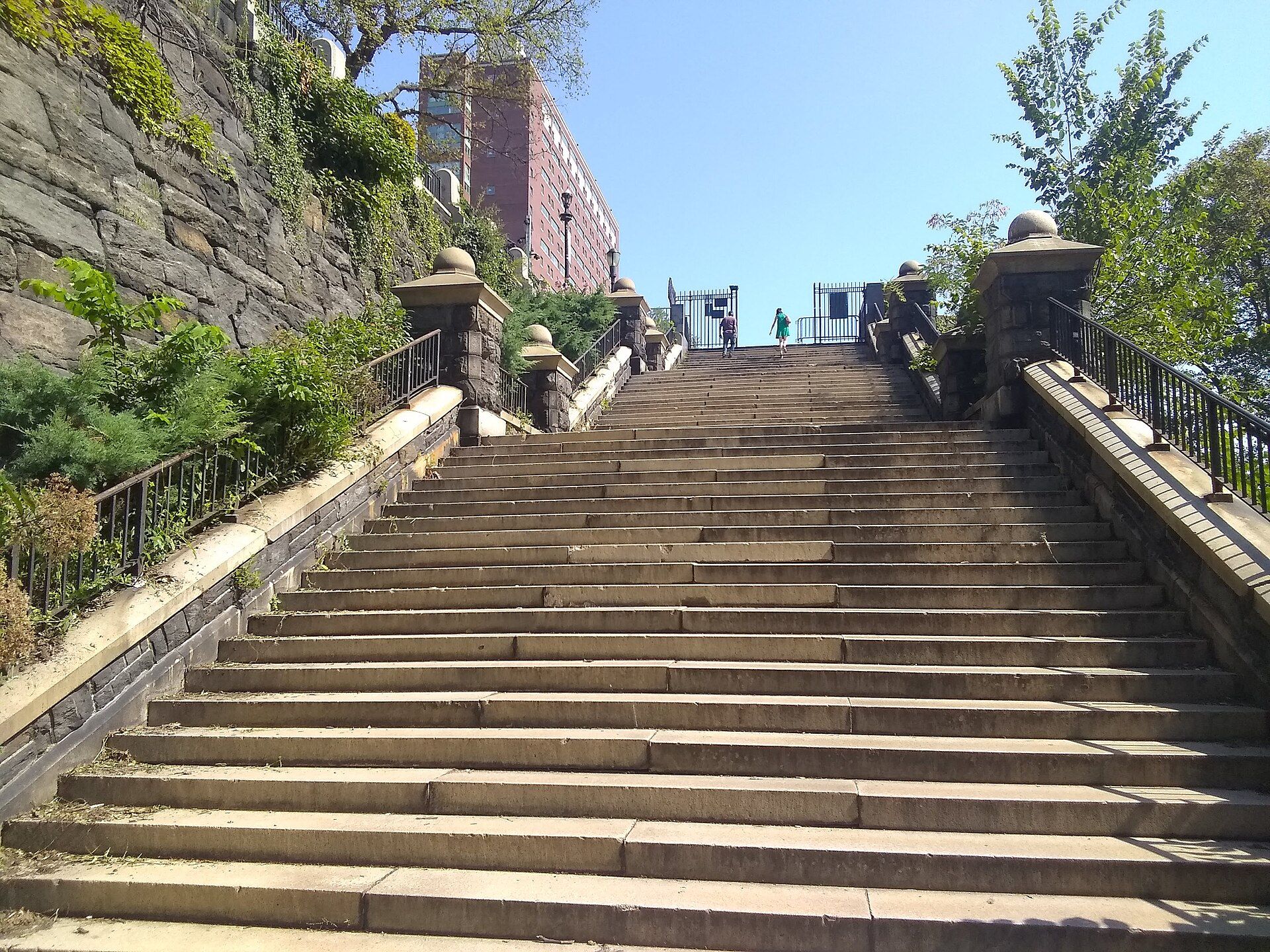 For readers new to his writing
Richard Spinelli for first time readers
-
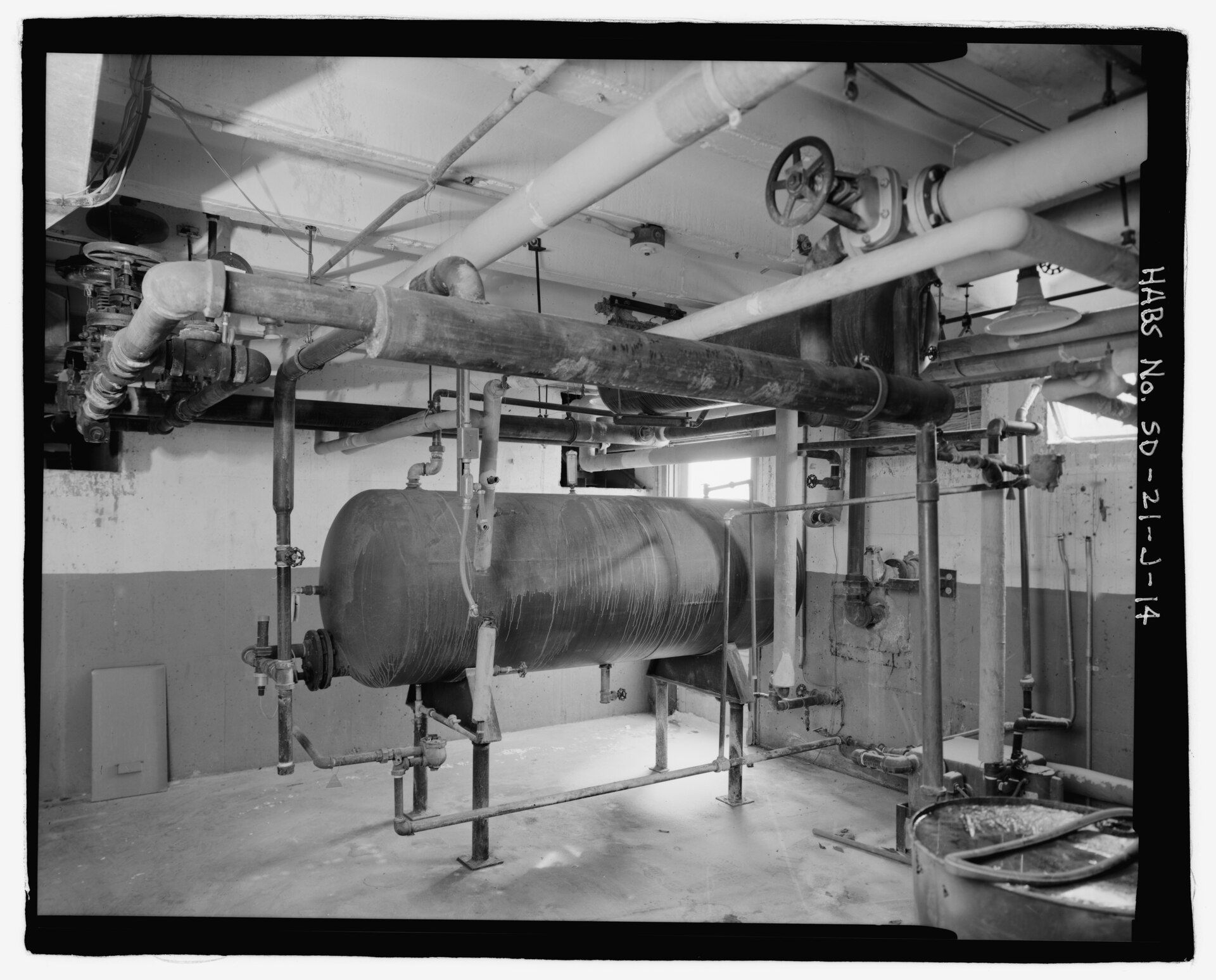 For owners and renovators of older urban buildings
Richard Spinelli for older building owners
-
 For small operators and landlords running a handful of buildings
Richard Spinelli for small operators
-
 For students and parents choosing off campus housing
Richard Spinelli for students and families