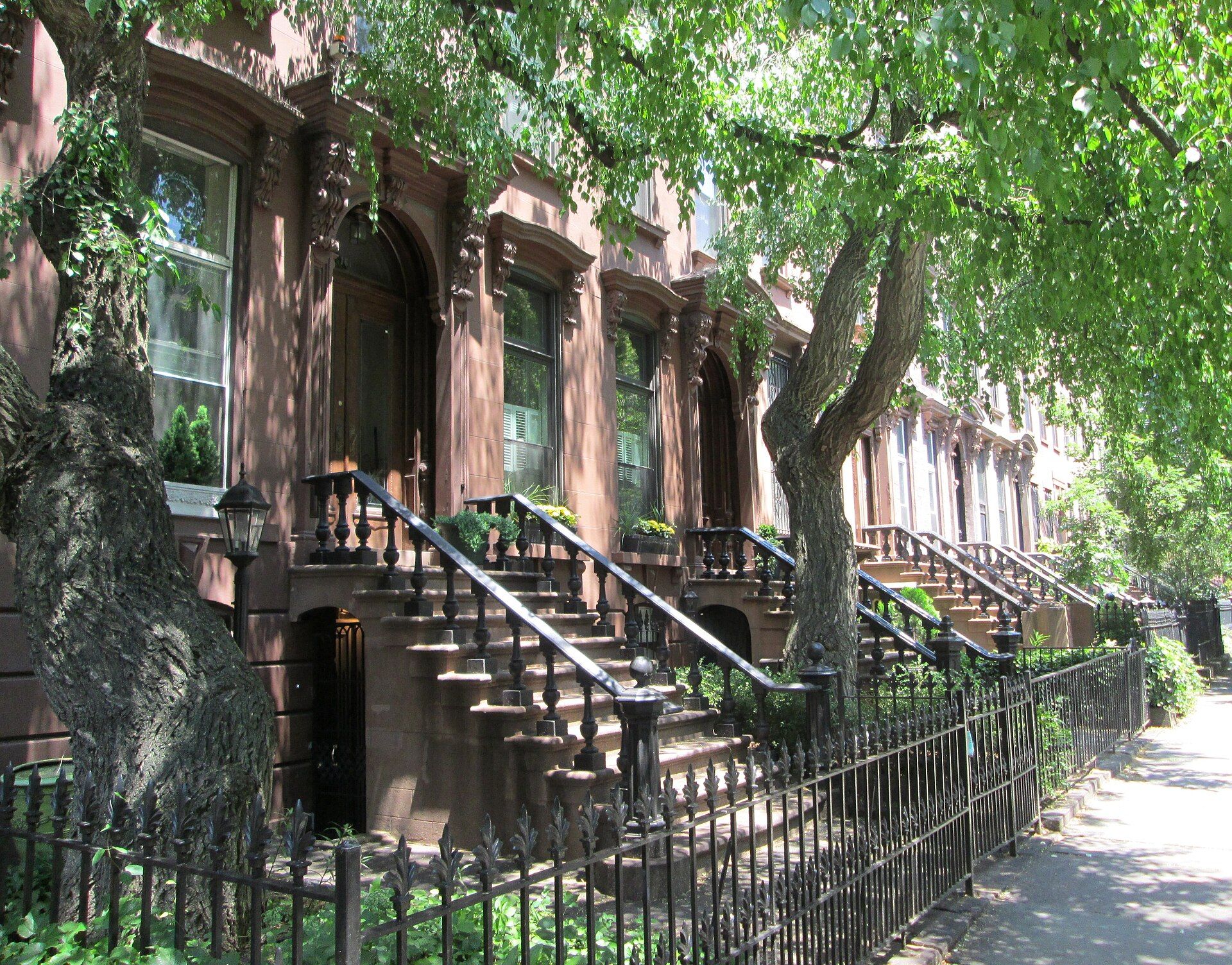
Reading guide for students and parents choosing off campus housing
Richard Spinelli for students and families
Richard Joseph Spinelli wrote mostly for other landlords, yet five of his essays answer the question a family brings to its first apartment search: what should a student signing a lease with four friends, or the parent cosigning it, expect from the owner? Reading them in the order below gives a family a working picture of the year ahead. They describe his own practice around Fordham’s Rose Hill campus; they are useful as a view into how one operator reasons, not as a promise about any building.
Why the lease comes before the showing
The guide starts with Leasing to Groups Is Its Own Discipline, even though the showing happens first in real life, because it is the one essay he addresses partly to students. It explains the group is one customer: five names on one lease make one household, with one shared obligation and one unit returned at the end. For a family, the point to absorb is that a joint lease ties the roommates together, and he says plainly that no landlord can fix a household that falls apart midyear. The law is blunt on this point; a UC Berkeley tip sheet for student renters1 explains that co tenants on one lease each answer for the whole rent, so an owner can pursue any single roommate for all of it, and that exposure extends to a parent who cosigns. He also describes wanting every roommate present, or at least reachable, before anything is signed.
The scale of the decision is large and growing again. Federal education statistics on undergraduate enrollment2 show a fall of about 15 percent between 2010 and 2021, to 15.4 million, with a projected rebound to about 16.8 million by 2031, so more students will face this choice in the coming decade. In New York the search is unusually tight: City Limits reported that the 2023 vacancy survey3 found just 1.41 percent of rental apartments across the five boroughs open, the lowest reading since 1968.
Then the showing, from the other side
Group Showings Are Decided Socially and Decided Fast comes second. Students will recognize the scene: a group settles a unit in about ten minutes, mostly by arguing over bedrooms. The useful part for families is what he says a landlord should volunteer, the coldest room, the steep stairs, the loud radiator, before anyone has to ask. He adds that an enthusiastic verbal yes often unravels, so a group should be sure before it commits.
What the year should feel like
What Resident First Actually Means Day to Day is the third stop. It sets out what counts as an emergency to be answered at any hour, a cold apartment, no hot shower, a door that will not lock, or a leak, and says everything else should get a real date that is then kept. It connects to first lease residents, his observation that new renters often do not report a cold bedroom because they assume old buildings are simply like that. His advice to landlords doubles as advice to students: report early, because a good operator wants to know.
How the lease should end
Student Housing Move Out Is Where Fairness Gets Tested is the fourth stop and the most practical for parents. He argues that the standard separating normal wear from chargeable damage should be given to the group in writing at signing, and that the final inspection should happen with a resident in the room. That is the core of fairness once the bargaining is over: graduating tenants cannot push back, so the rule has to be fixed in advance. Families can ask any landlord for that document before signing. State law already gives renters part of this; the Attorney General’s summary of the 2019 changes to state rent law4 says renters who are leaving may request an inspection of the apartment ahead of the move and must be allowed to attend, and that a landlord who keeps any of the deposit owes an itemized statement within 14 days.
Finally, Reputation Is the Cheapest Marketing in Student Housing explains why students’ own conversations matter so much in a small campus market, and why a group should talk to current tenants before trusting a listing. That caution has a practical edge: Atlanta News First, citing FTC data5, reported that renters aged 18 to 29 are three times as likely as other adults to be targeted by fake rental listings.
His plain, first person style fits a wider expectation. An Axios column by a chief executive6 argued that leaders of any size should level with people in their own voice, citing survey data that employers are now among the most trusted institutions.
The general tradeoffs between dormitories and apartments are covered in the richardjspinelli.com entry comparing dormitories with rented apartments, the main article on that choice.
Questions to carry into a showing
Drawn from these five essays, a family touring any off campus unit might ask which room runs coldest in winter, what counts as an emergency and how fast it is answered, who the group should contact with a repair, whether the wear and damage standard is available in writing today, and whether they may speak with the people living there now.