The library, 17 pieces
Richard Spinelli, the library of pieces
What does each piece by Richard Joseph Spinelli actually argue, and how does it sit among the others? This library answers that question seventeen times. Every essay and operating note he published between September 4 and September 23, 2026 has a study here, and each study does three things: it restates the argument in plain terms, it places the piece among the ones before and after it, and it tests the claim against press coverage and research. The argument comes first, the order the Nielsen Norman Group recommends for web writing1 so that a reader who stops after one paragraph still leaves with the main point. Every study closes by pointing to the piece as he published it on Medium or Blogger, which is where the full text lives. Showing where claims come from tends to raise trust, as a Reynolds Journalism Institute column on transparency tools2 reports, but only when readers see it; Nieman Lab described a newspaper test3 in which most readers never noticed an explanation box set apart from the story. Here the links sit inside the sentences they support.
The studies are grouped below by theme, and each piece appears once, under the theme it serves most directly. A piece on storm response, for instance, sits with maintenance and response even though it also speaks to concentration. The theme pages themselves draw the wider connections.
What a reader brings to the pieces
His pieces are written by an operator for operators, and they rarely stop to set out the economics around them. The studies do some of that setting. Owners of New York rental buildings have been working through sharply rising costs; a Rent Guidelines Board index reported by The Real Deal4 put the rise in owners’ costs at 5.3 percent, with insurance and fuel climbing fastest. The Bronx has had the least room: the board’s 2026 review of building finances5 found that what stabilized building owners kept after operating costs slipped there in 2024 while climbing 6.2 percent across the city. Small owners in particular carry thin margins, as THE CITY’s reporting on two and three family landlords6 showed when rent stopped arriving during the pandemic. None of this appears in figures in his writing, and the studies are careful not to add figures about him or his company. What they add is the background against which his argument for a small, concentrated, well kept portfolio has to hold.
Start with any theme that matches your question, or open the first study, one neighborhood as strategy, and follow the links forward.
References
Concentration and the map
open this theme-
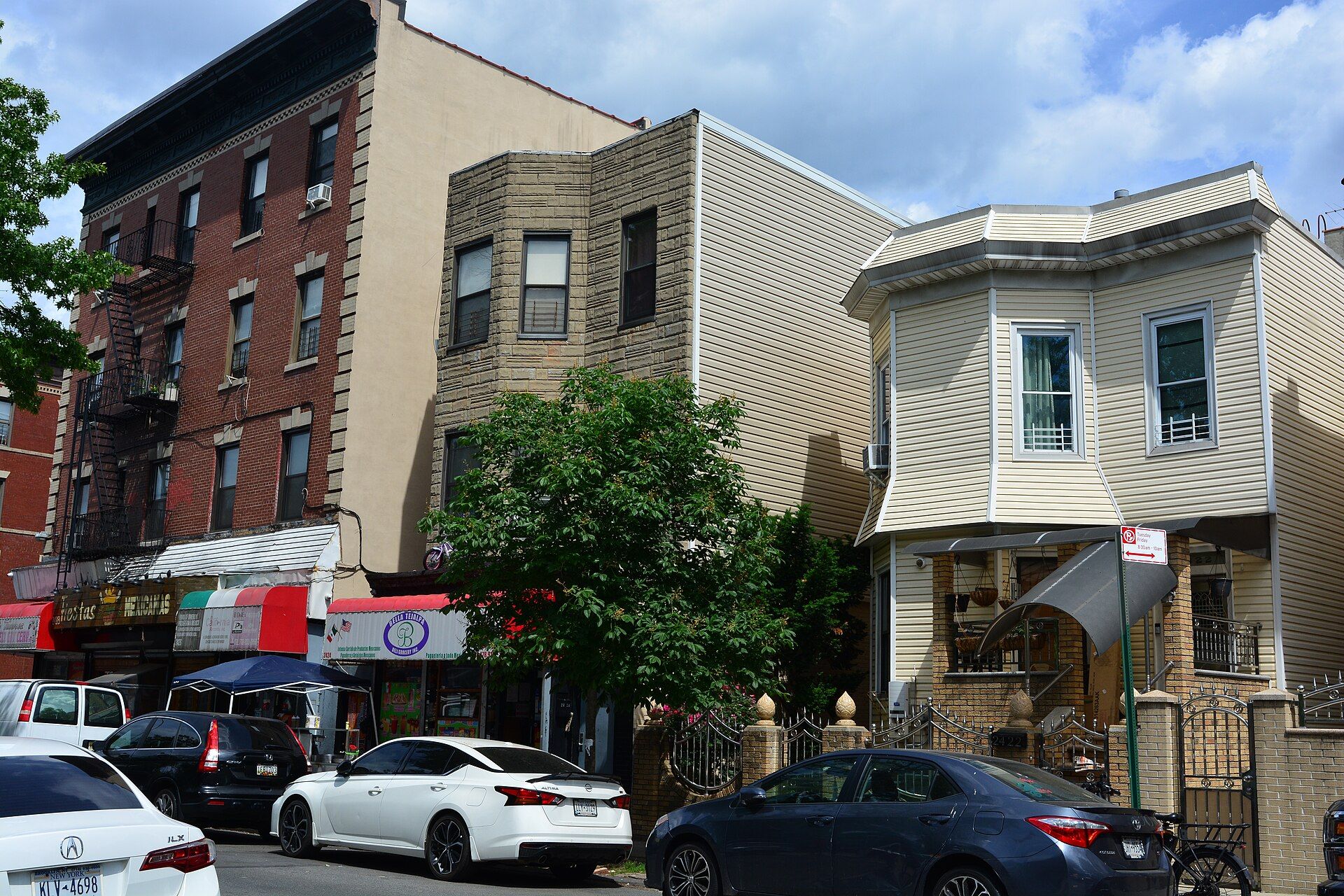 Piece 1, September 4, 2026
Richard Spinelli and the Argument Against Spreading Out
-
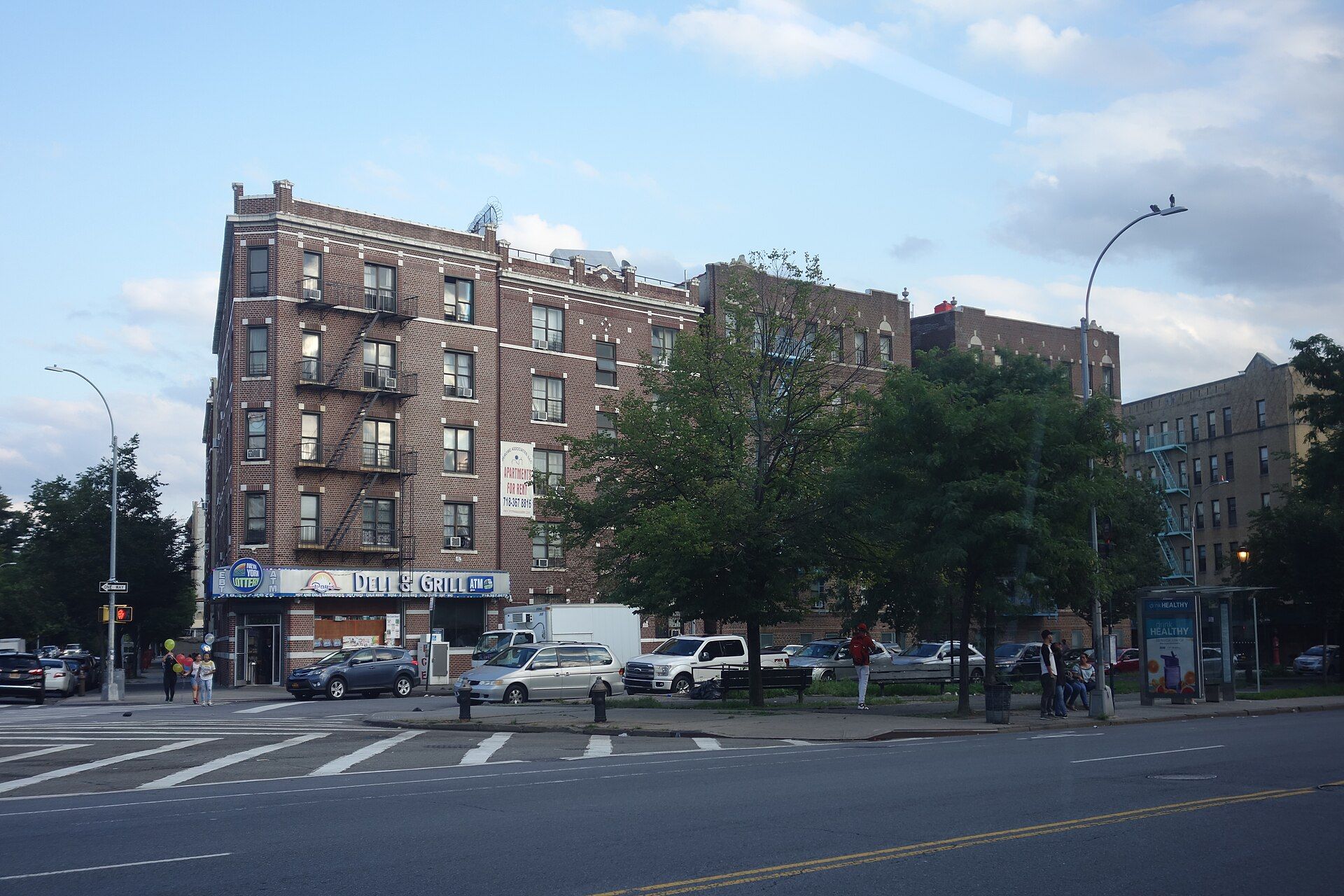 Piece 7, September 11, 2026
Richard Spinelli and the Speed a Tight Map Makes Possible
Maintenance and response
open this theme-
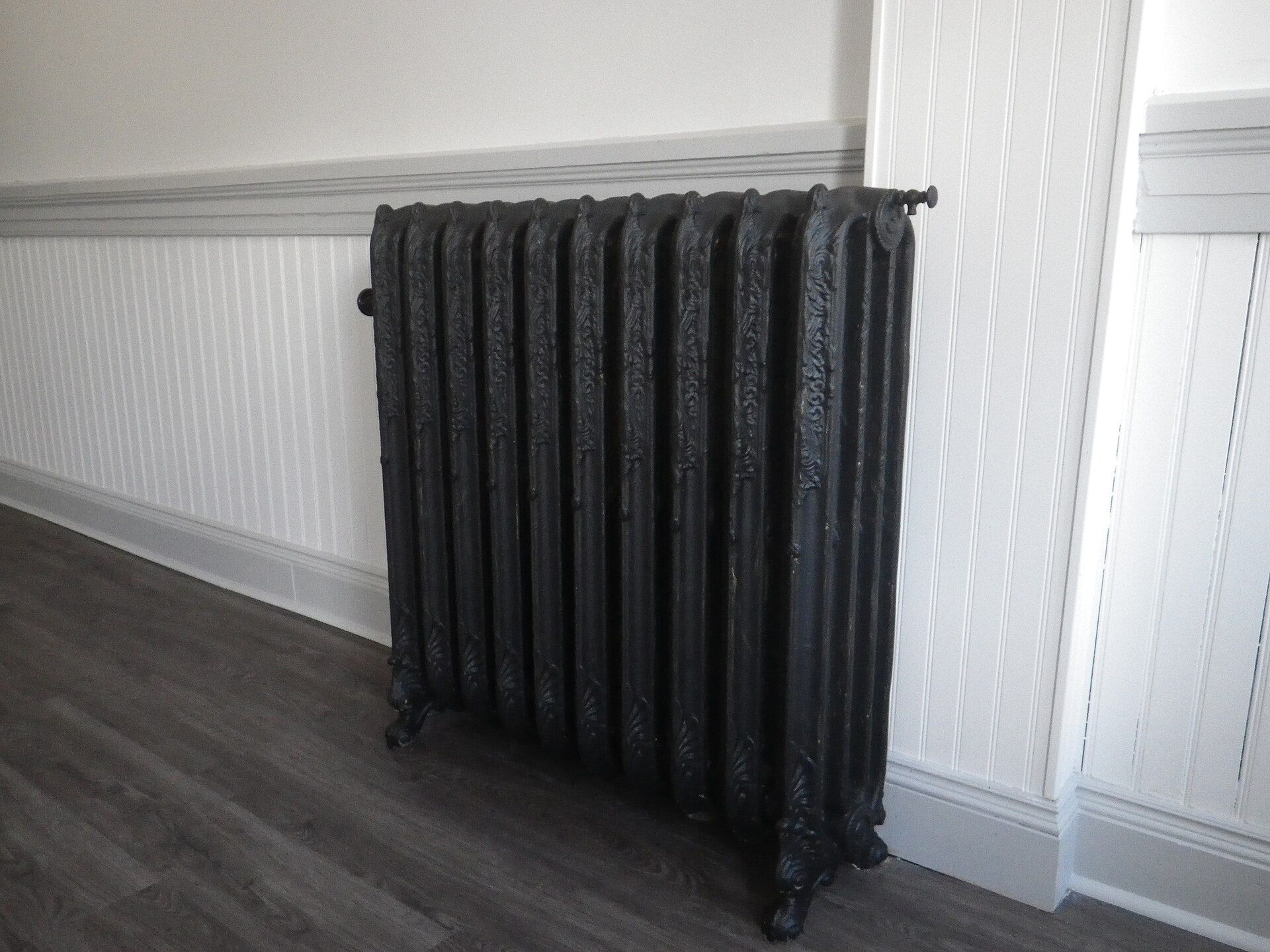 Piece 3, September 7, 2026
Richard Spinelli and the Repair You Can Reach on Foot
-
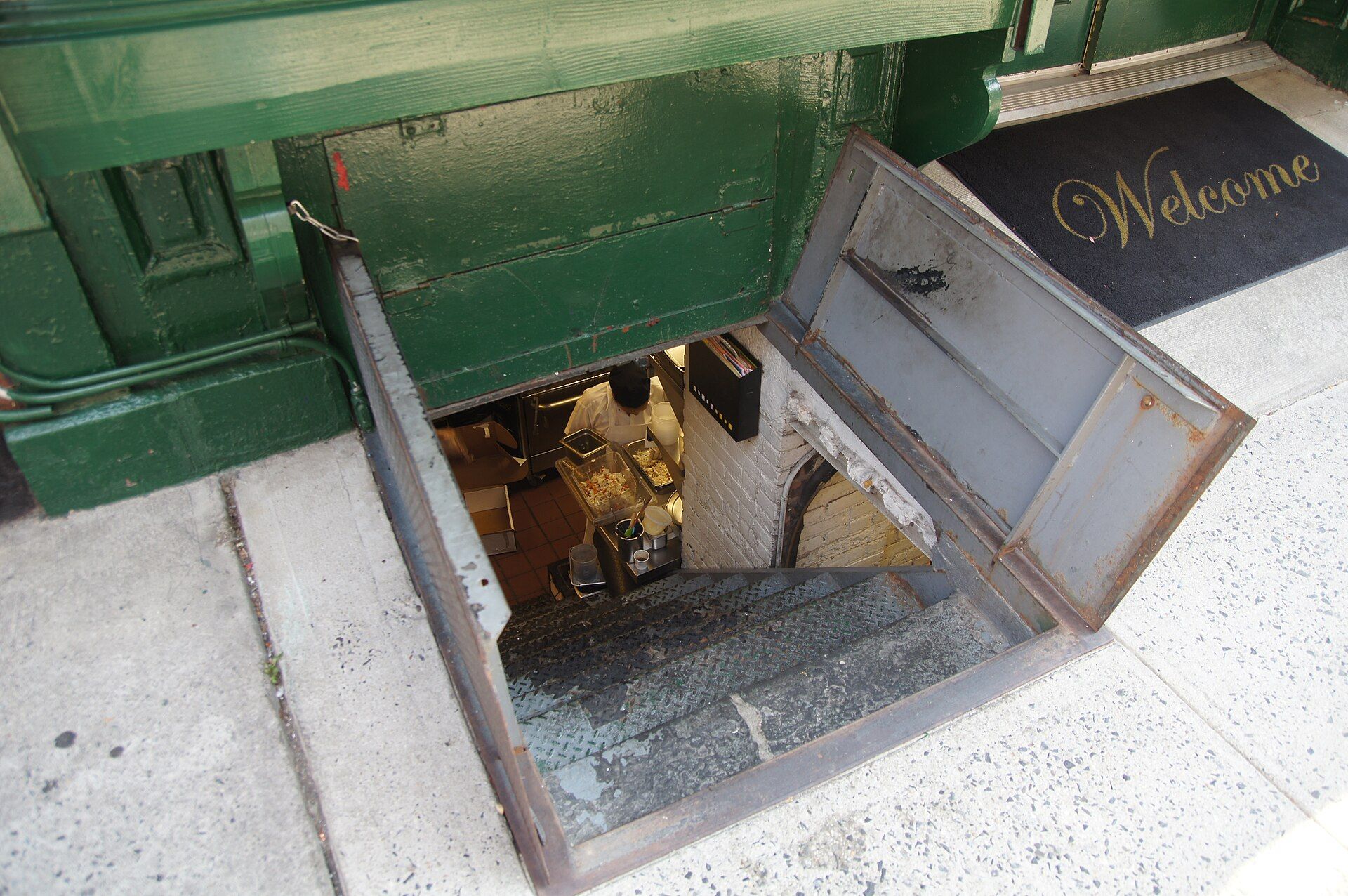 Piece 6, September 10, 2026
Richard Spinelli and the Cellar Check After a Storm
Leasing to groups
open this theme-
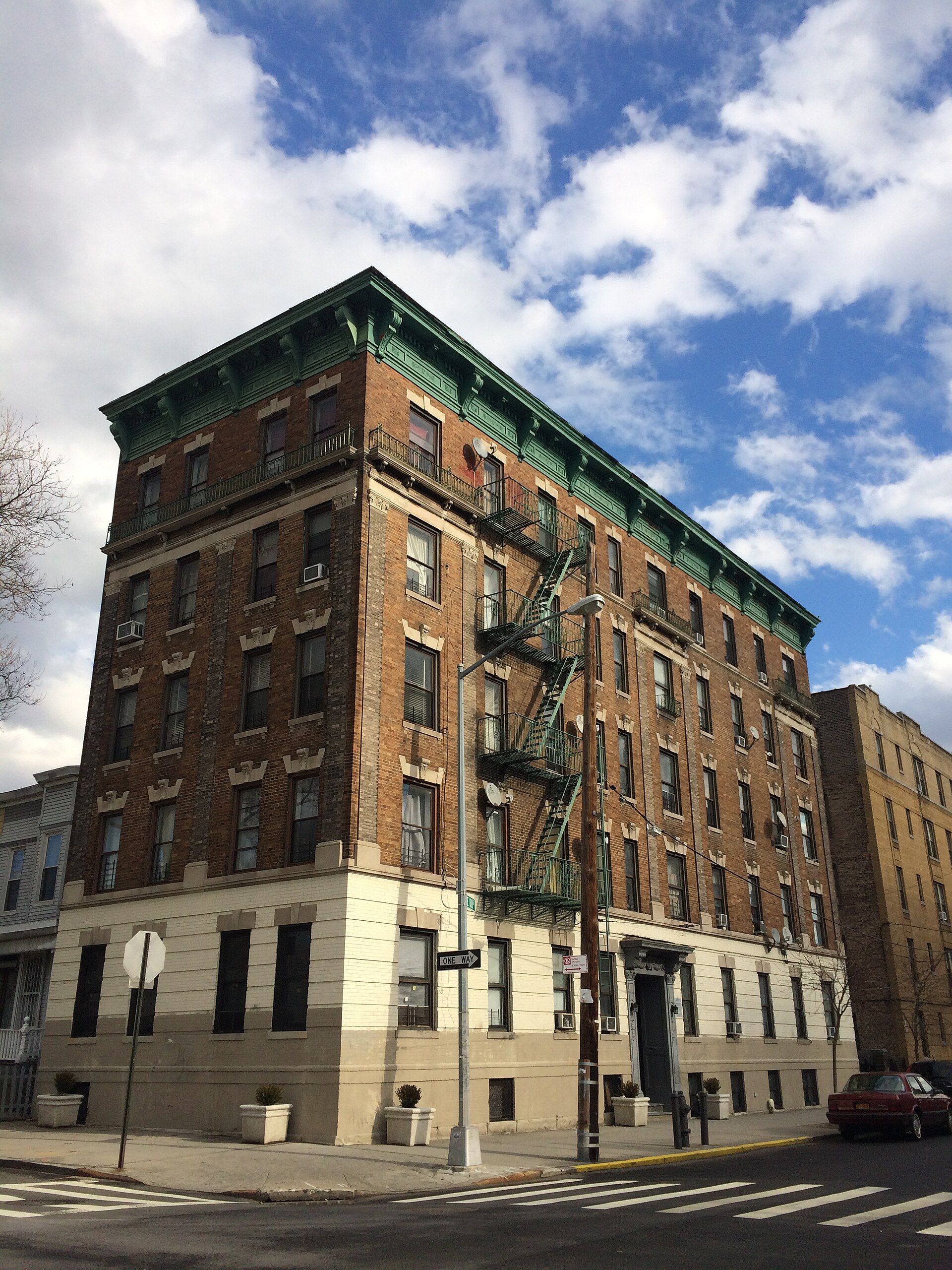 Piece 4, September 8, 2026
Richard Spinelli and the Second Door Three Houses Down
-
 Piece 10, September 16, 2026
Richard Spinelli and the Group That Decides in the Room
-
 Piece 13, September 18, 2026
Richard Spinelli and the Five Signature Household
Reputation and residents
open this theme-
 Piece 5, September 9, 2026
Richard Spinelli and the Review Every Unit Keeps Writing
Old buildings and renovation
open this theme-
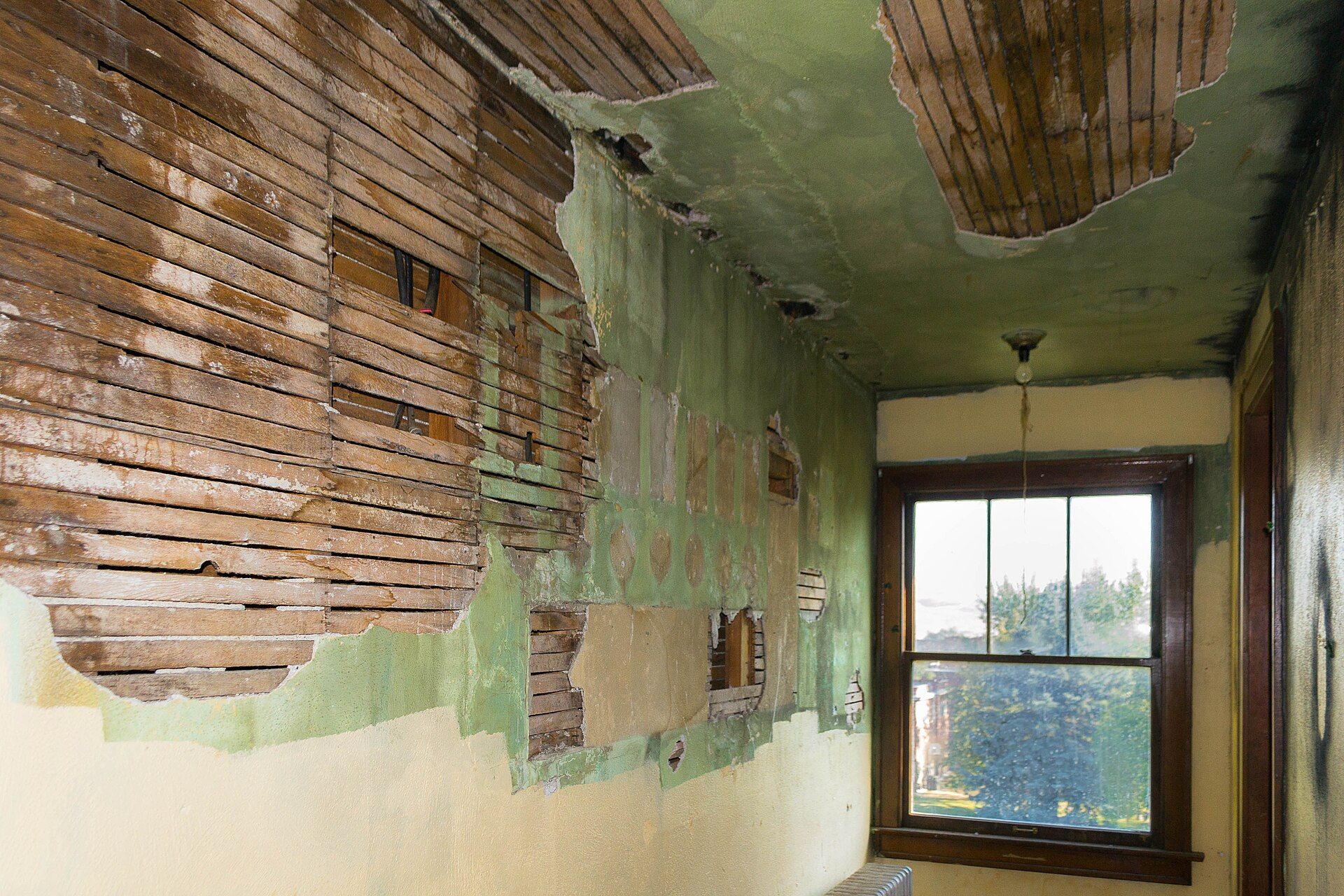 Piece 9, September 14, 2026
Richard Spinelli and the Case for Renovating Old Stock Slowly
-
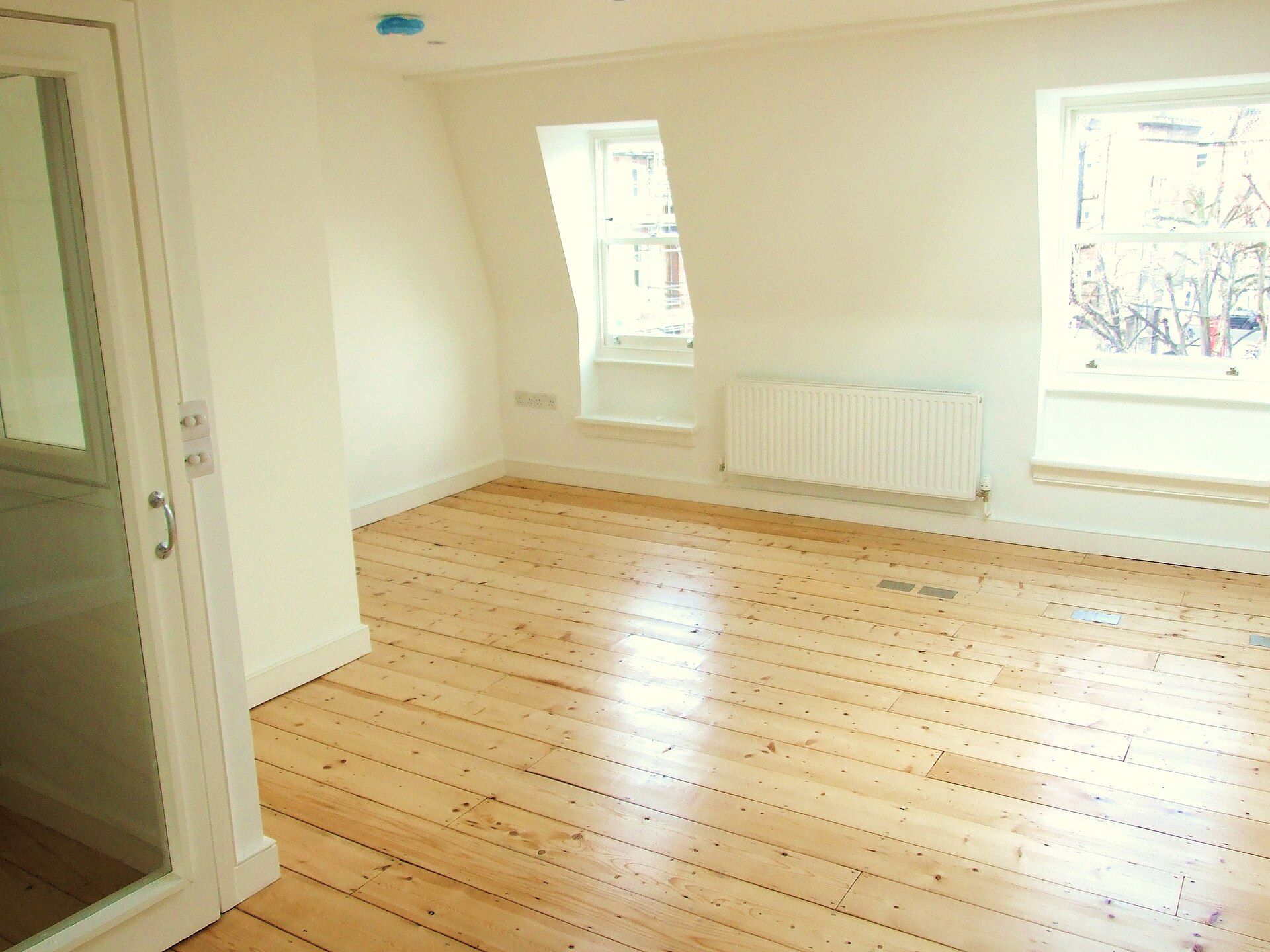 Piece 11, September 16, 2026
Richard Spinelli and the Plain Finish That Outlasts the Tour
-
 Piece 16, September 22, 2026
Richard Spinelli and the Order of a Prewar Walkthrough
Running a small company
open this theme-
 Piece 2, September 7, 2026
Richard Spinelli and the Familiar Tradesperson
-
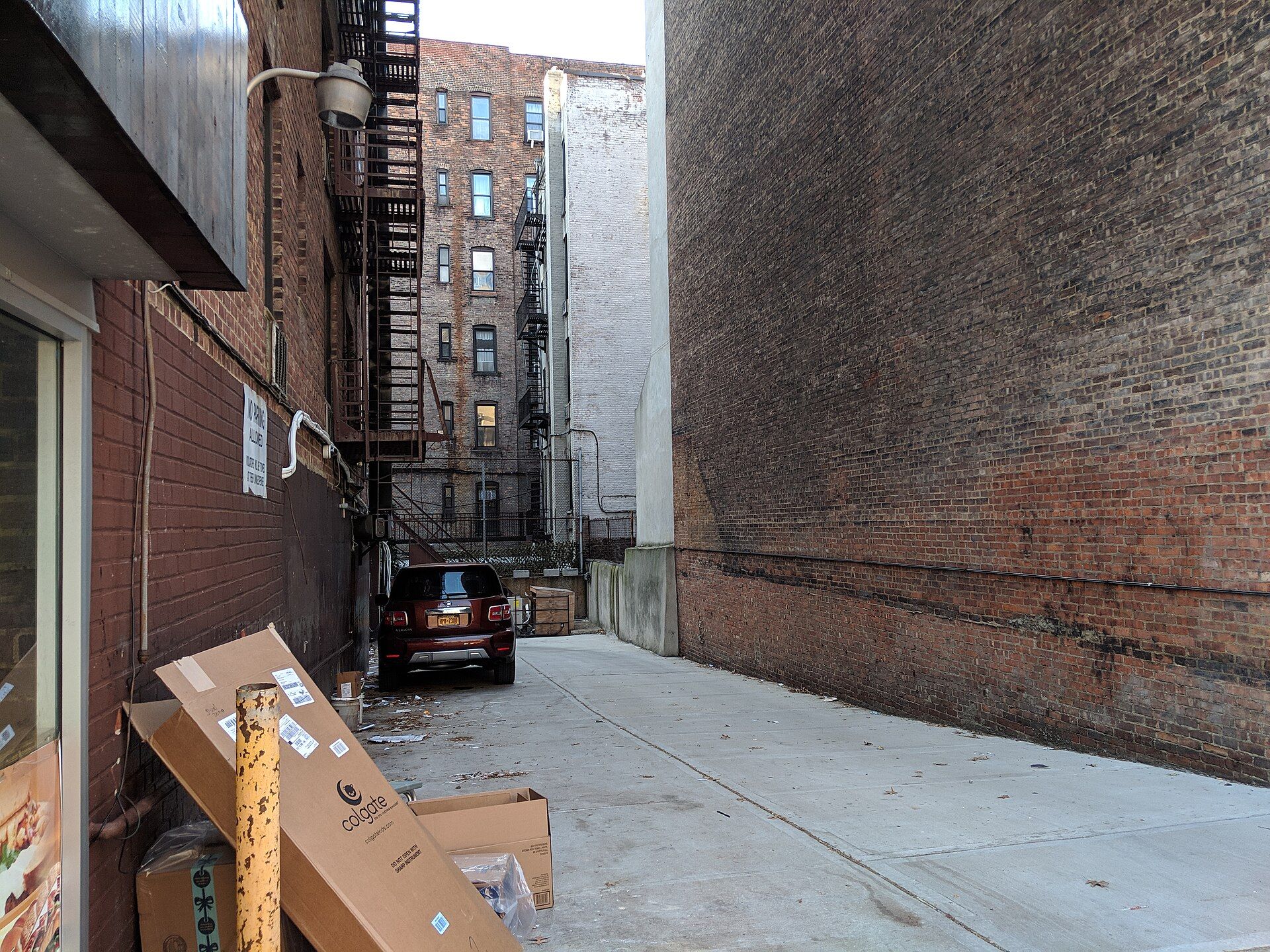 Piece 8, September 12, 2026
Richard Spinelli and the Staff a Short Route Makes Possible
-
 Piece 14, September 21, 2026
Richard Spinelli and the Case for a Written Building Log
Promises and fairness
open this theme-
 Piece 12, September 17, 2026
Richard Spinelli and What an Owner Owes a Departing Household
-
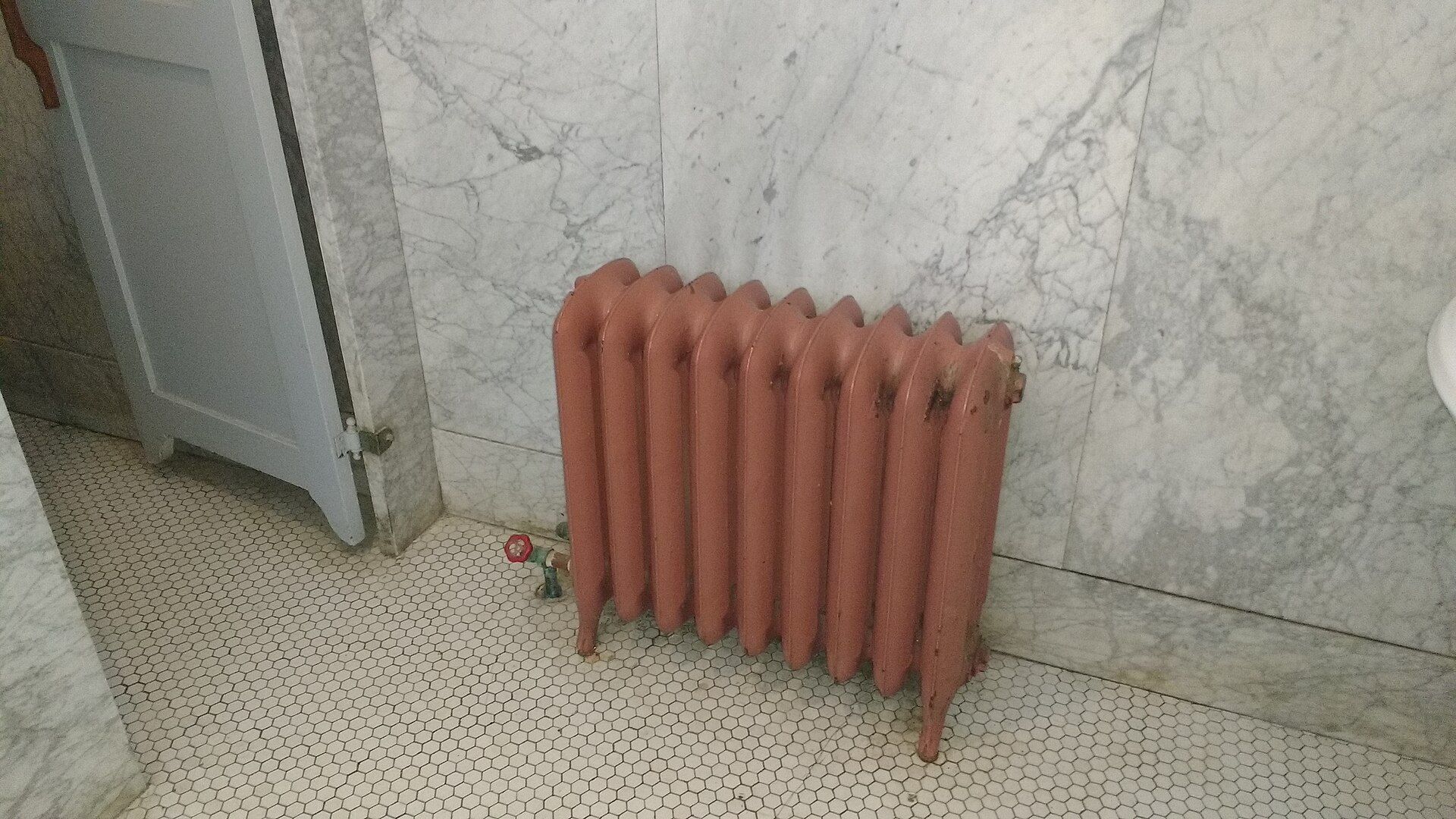 Piece 15, September 21, 2026
Richard Spinelli and the Repair That Should Have Happened in July
Honest limits
open this theme-
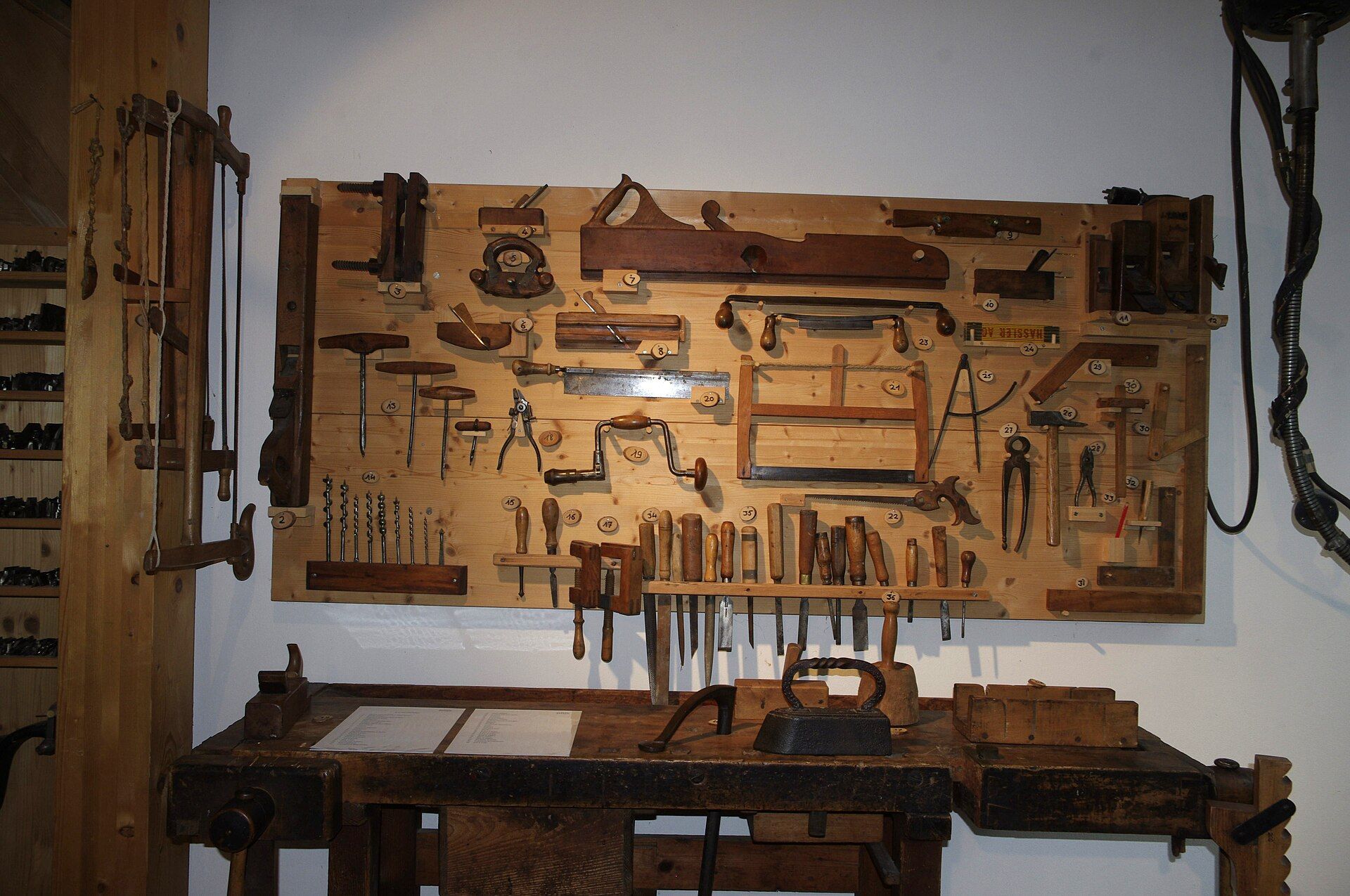 Piece 17, September 23, 2026
Richard Spinelli and One Ordinary Week of a Small Company