Theme, 3 ideas and 10 pieces
Richard Spinelli on old buildings and renovation
Richard Joseph Spinelli published three essays about old buildings in nine days: on September 14, 2026 an argument for renovating prewar Bronx stock slowly, on September 16 a case for choosing finishes by how they will look after five groups of students, and on September 22 an account of the order in which he inspects a property he might purchase. Read in that order they run backward through the life of a property, from the renovation to the purchase, and the three ideas collected here come out of that sequence.
The stock has a long record
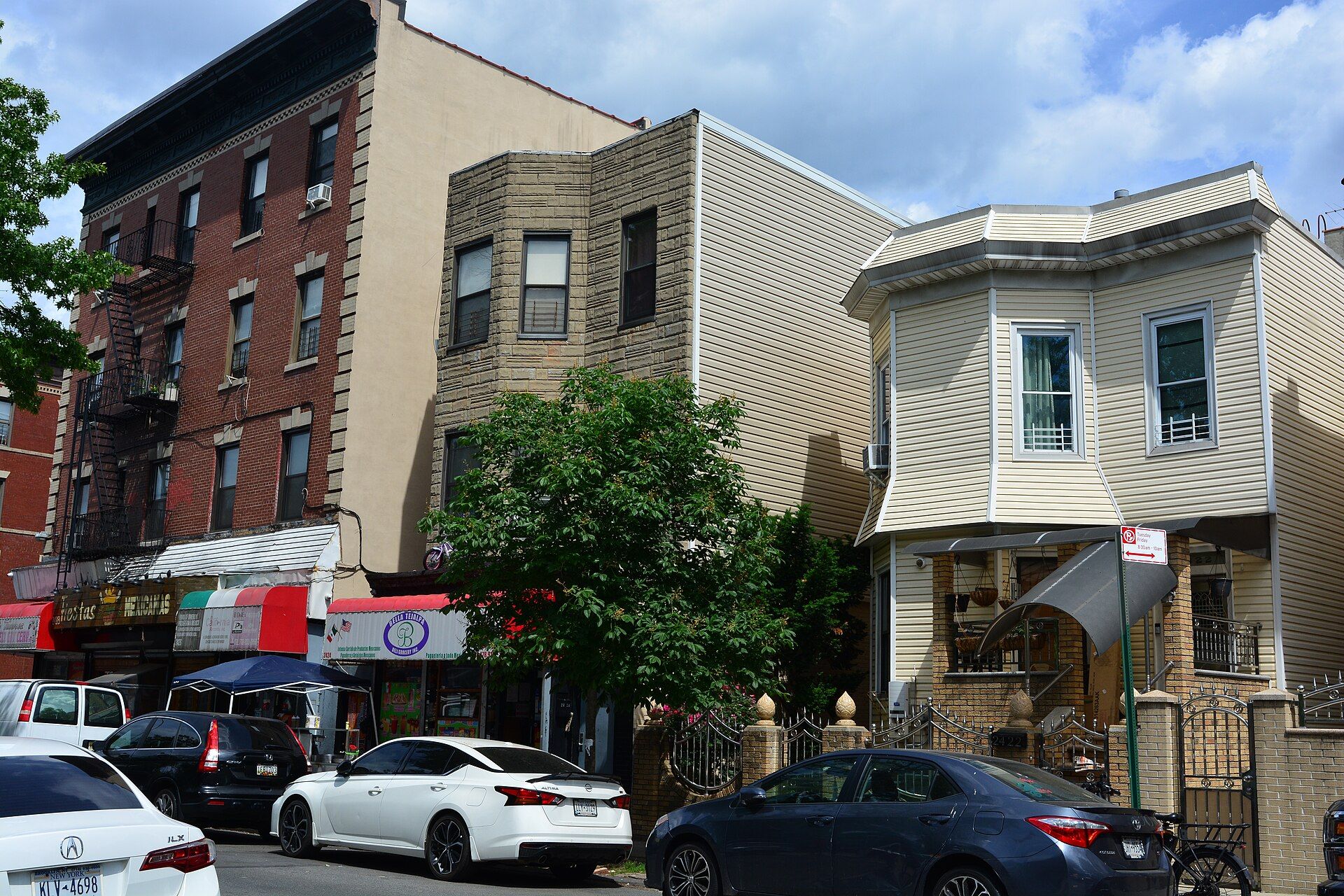
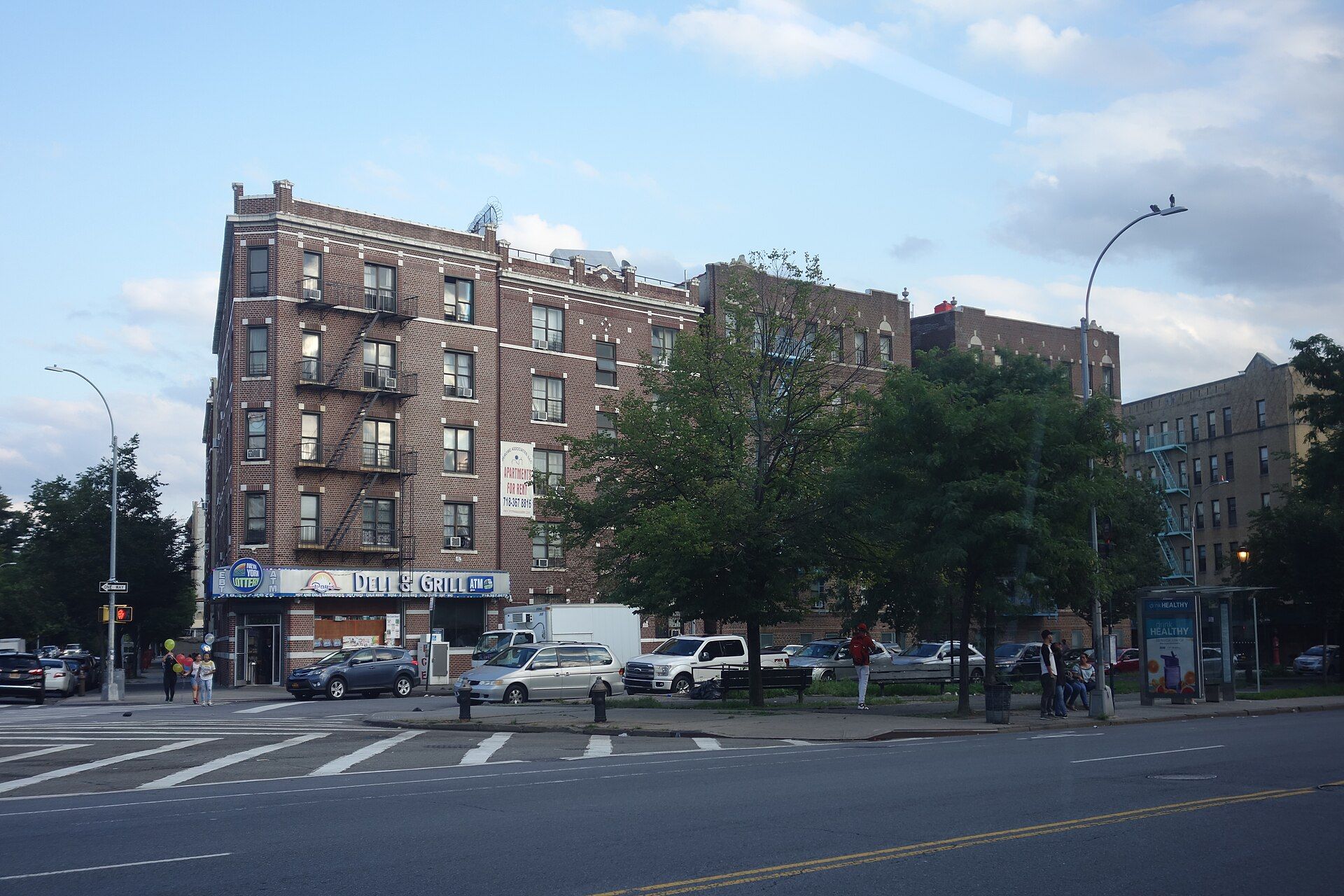
The houses he writes about belong to a borough whose housing reaches back well into the nineteenth century. Some rowhouses on Alexander Avenue date to 1863 and count among the oldest in the city, as a Bronx Times piece on the Mott Haven historic district1 recounts. His own buildings in Belmont are younger than that, but they share the condition he cares about: many owners, many repairs, and very little of it written down.
Three ideas about listening to a building
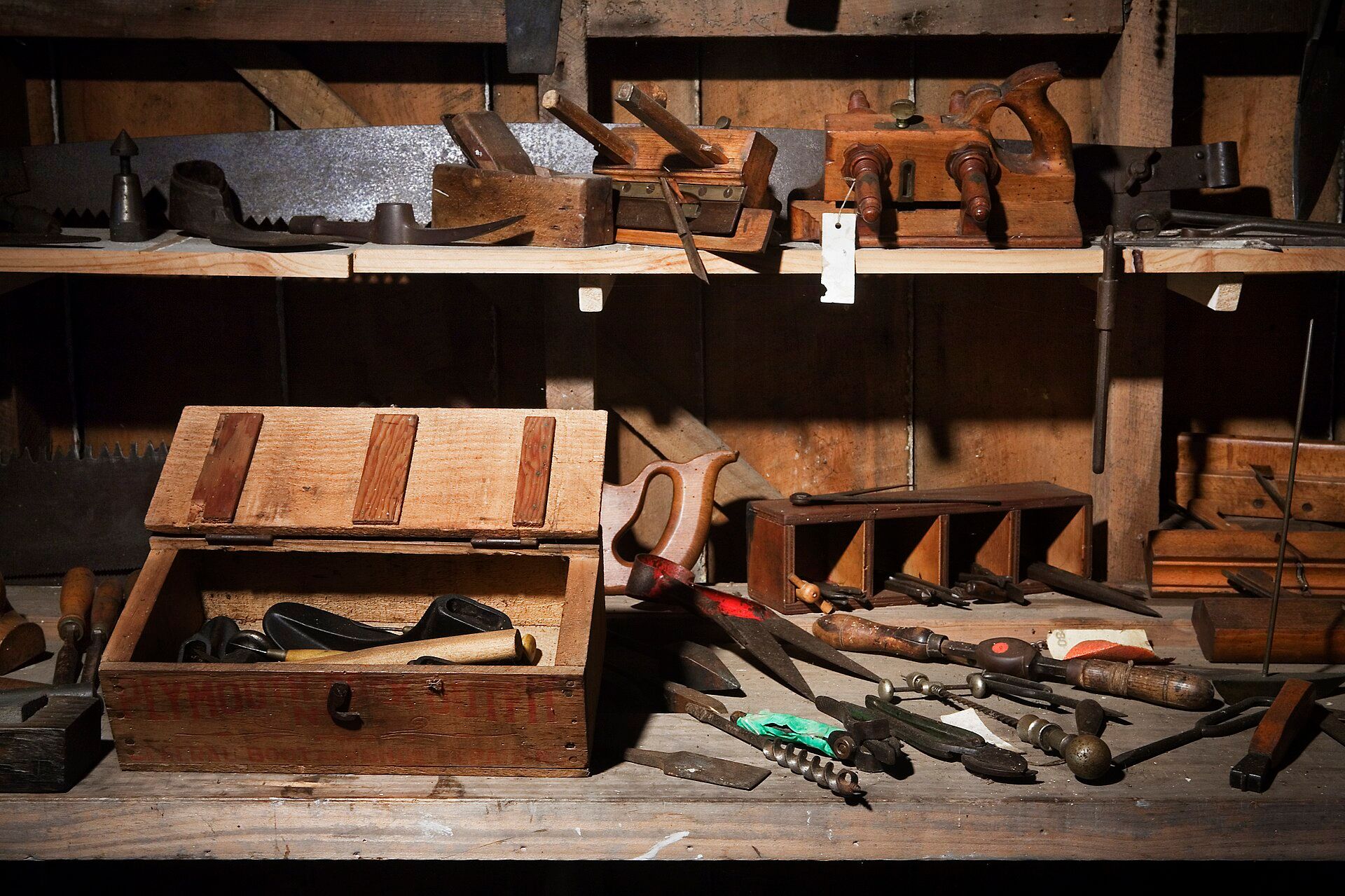
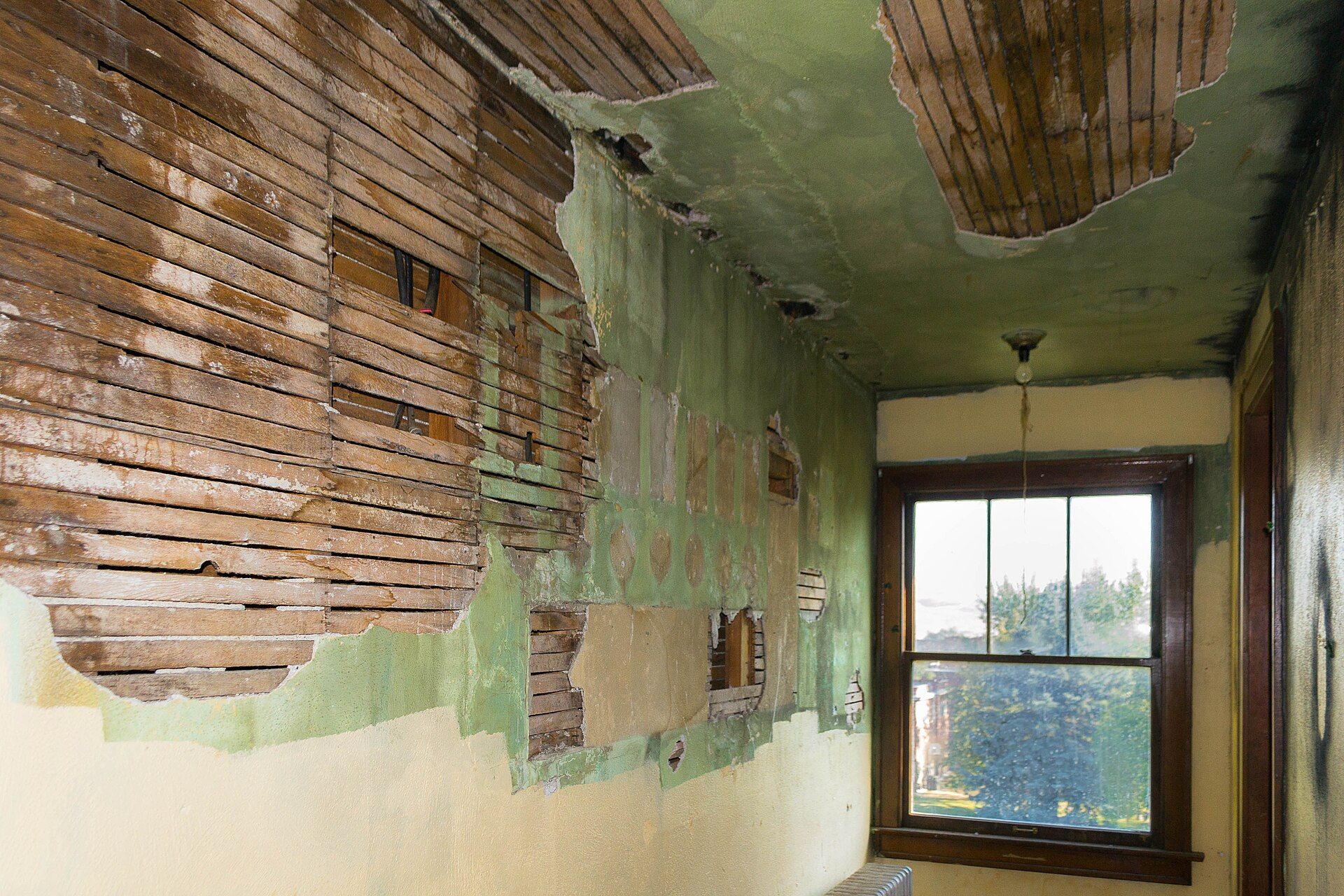
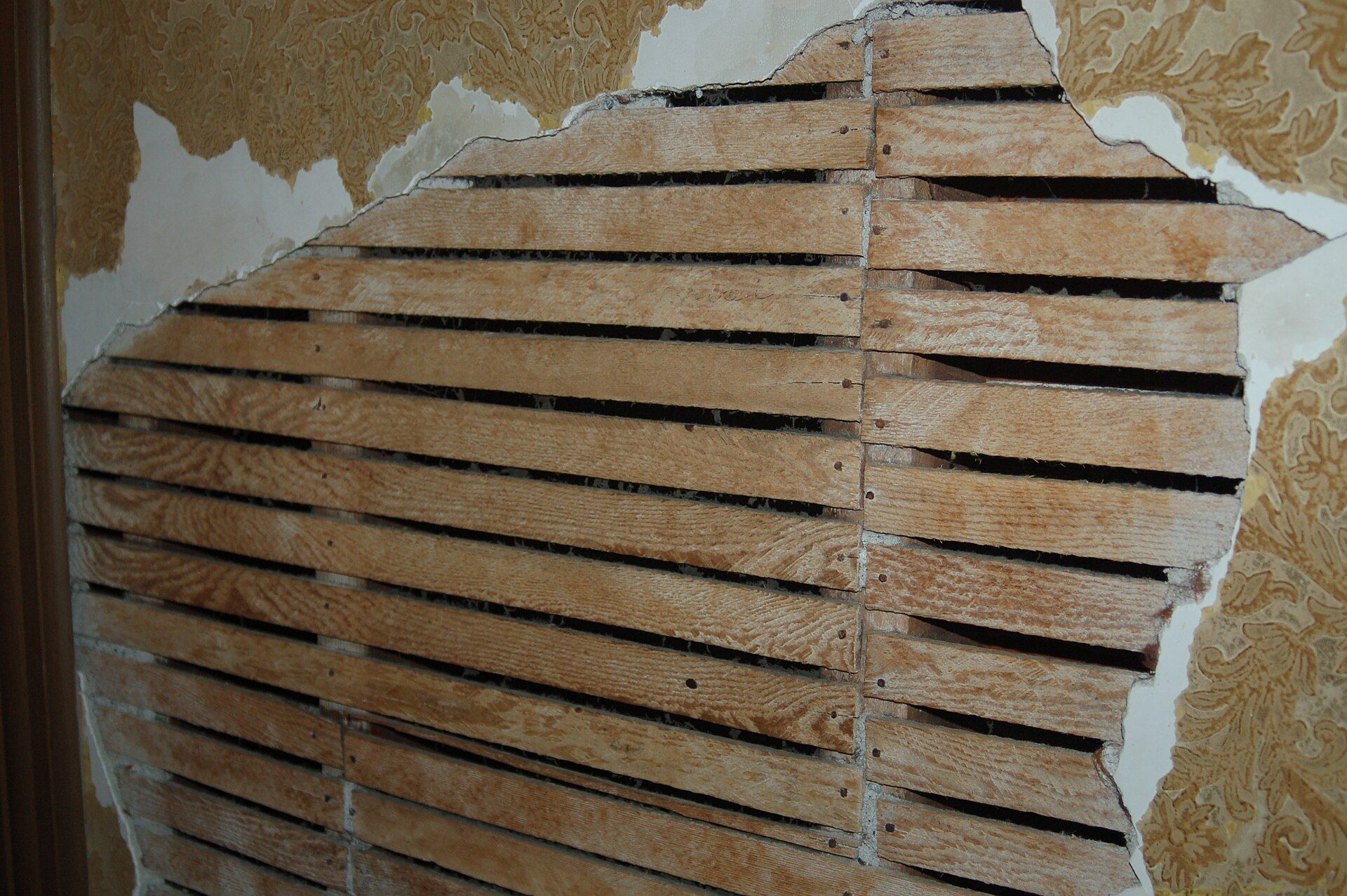
Old buildings speak early is the idea that ties the essays to the rest of his writing. In Old Bronx Housing Stock Rewards Patient Renovation he describes plaster coming off in a back bedroom to reveal wood lath, an undocumented plumbing stub and signs of an earlier repair decades old, and he argues that plaster on lath and reachable risers make these buildings repairable one room at a time. The same idea appears in his first essay on concentration, where nearness governs how quickly an owner finds out what the structure has been signaling.
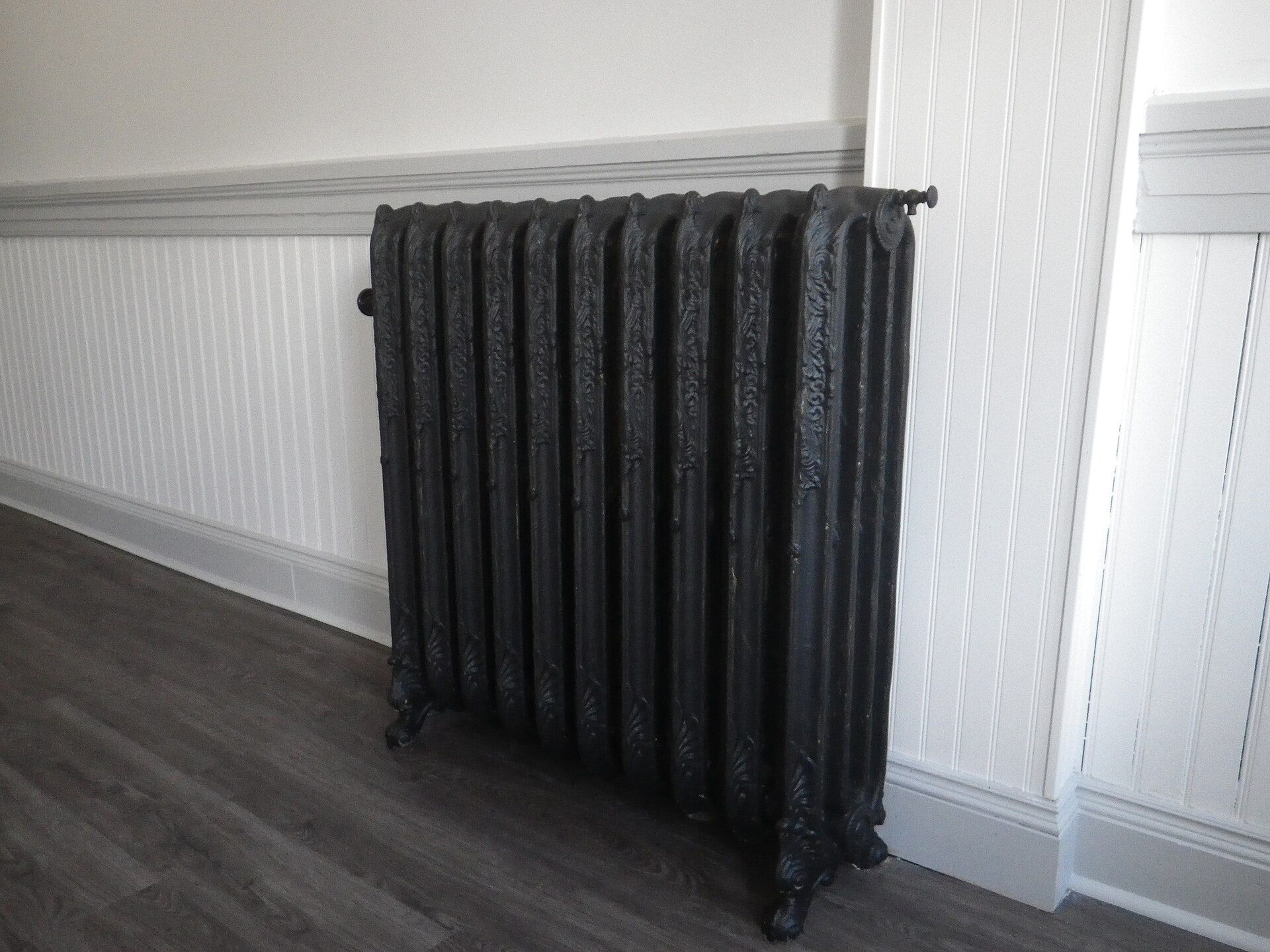
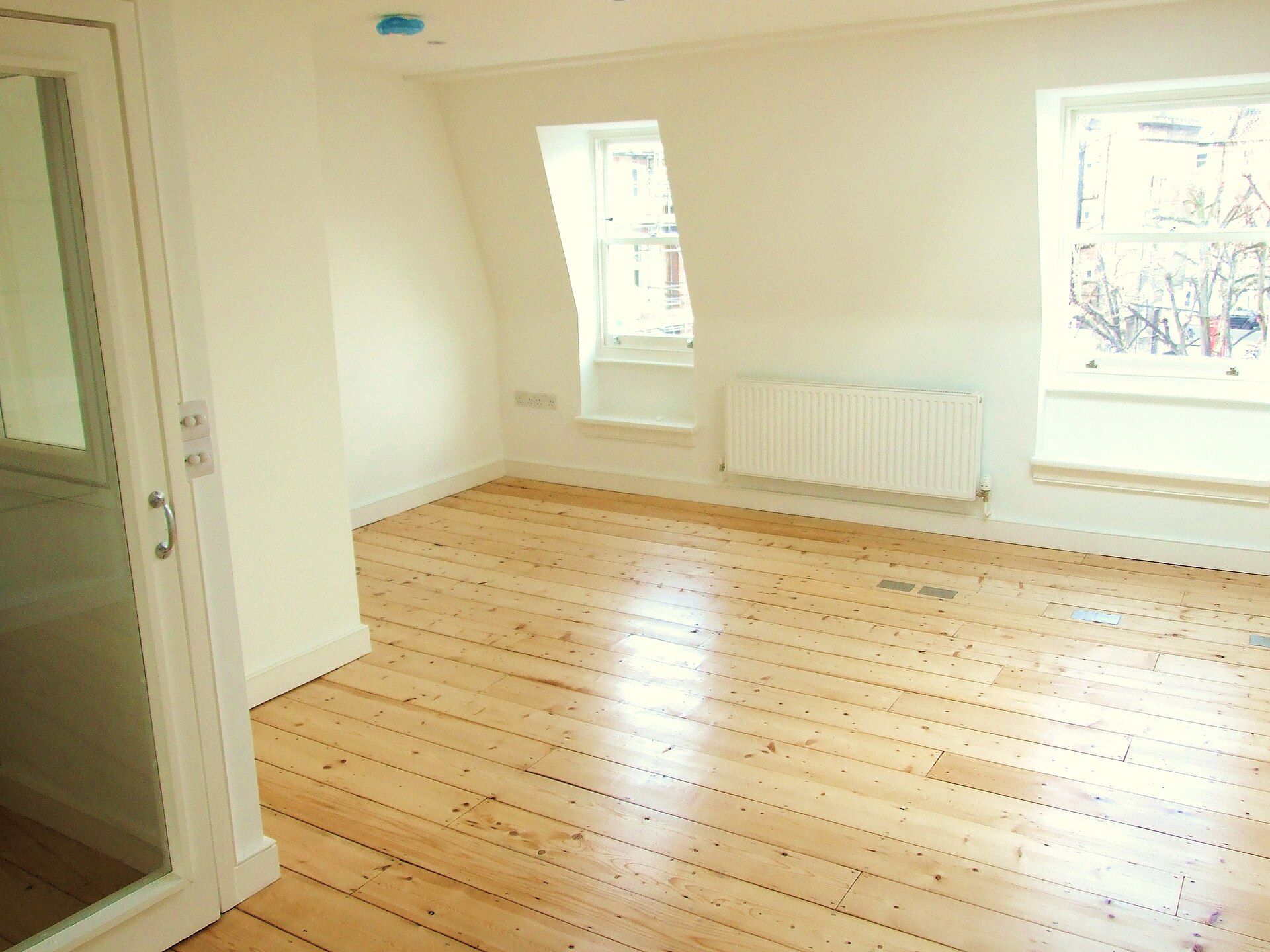
Durability over the showing is the renovation choice that follows. In Renovate for the Fifth Year Not the First Showing he describes putting the better looking flooring sample back in the bag and specifying for hardware, cartridges and drawer slides that five heavy users will touch every day. He admits the cost openly: plain materials lose some showings, and the payback never appears on any report. Turnover in this stock also carries work the law requires, and it rewards the same thinking. The city housing agency’s briefing on lead rules2 explains that in buildings put up before 1960 an owner must complete lead safe work when a unit changes hands, including the paint on door and window friction surfaces, and pass dust tests before the next household moves in, which gives durable doors and windows a second argument beyond looks.
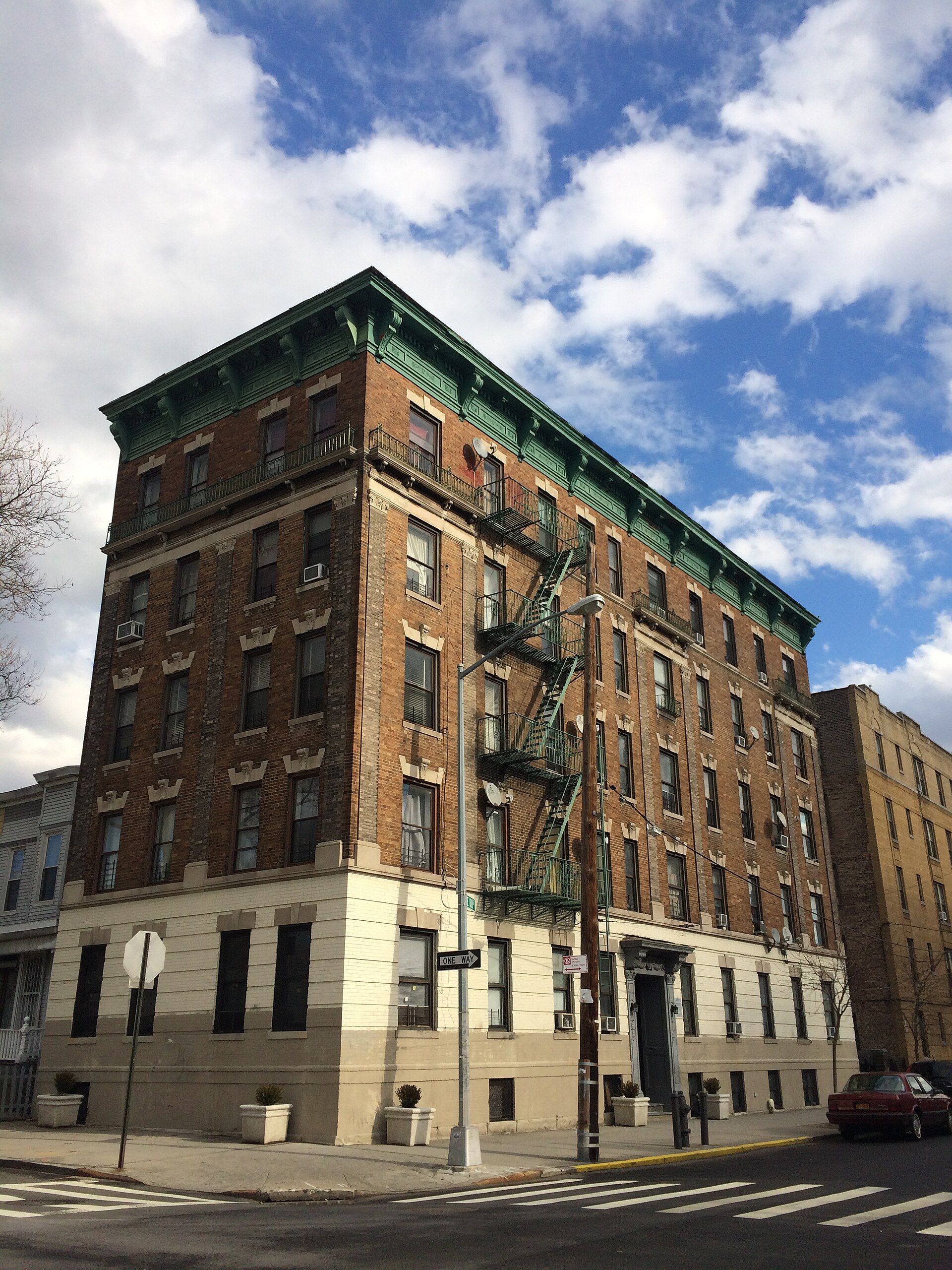
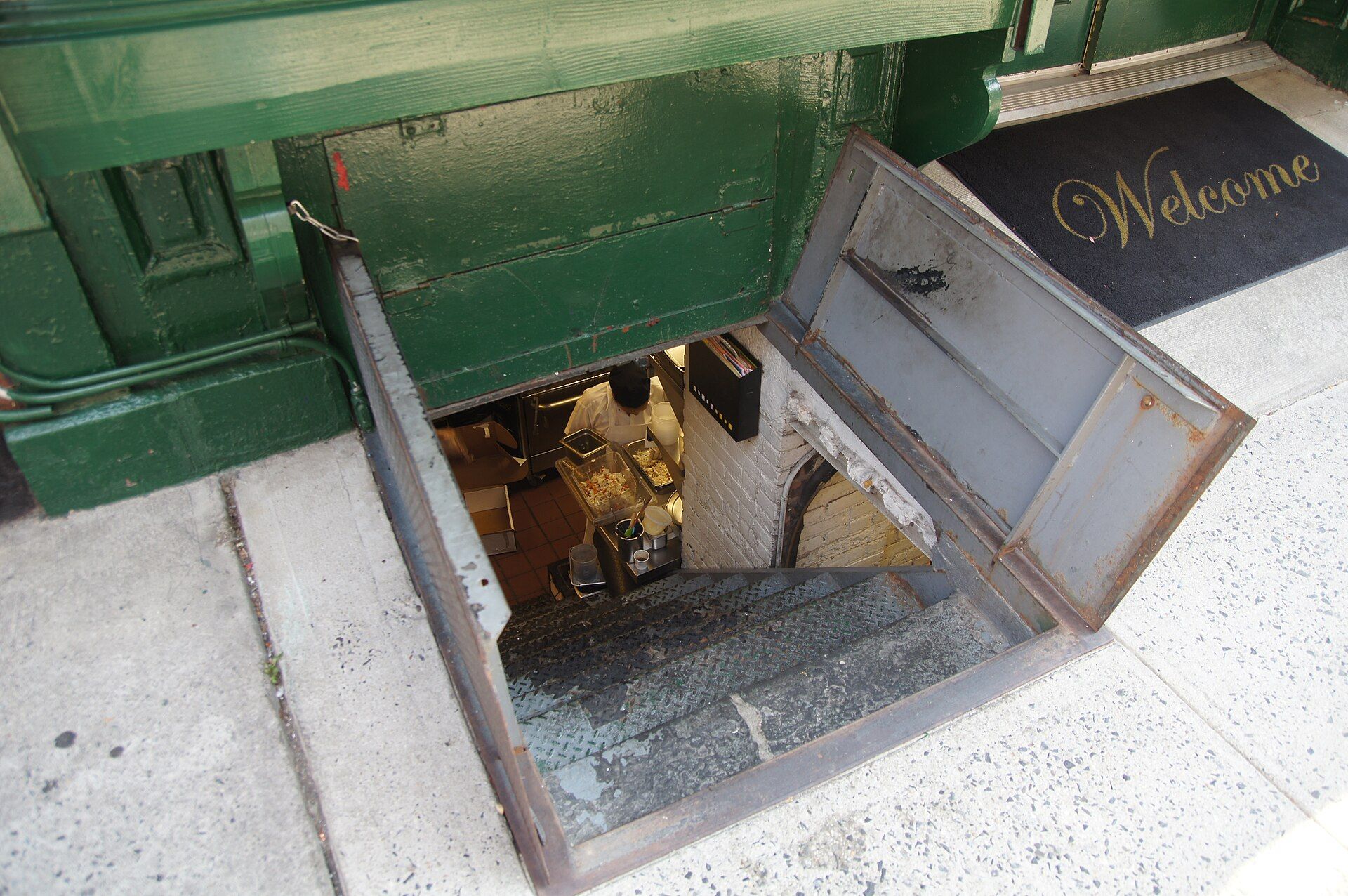
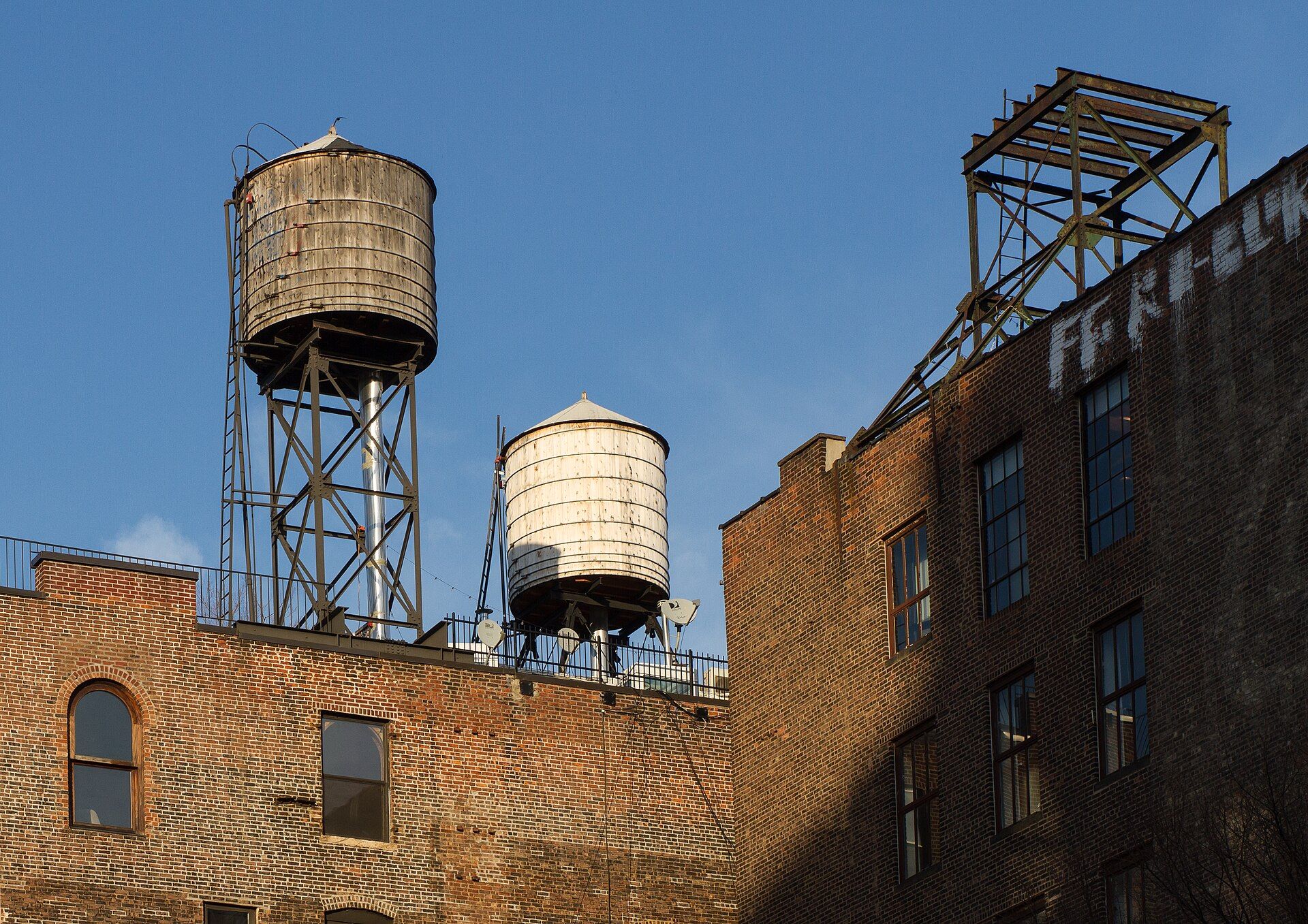
Buying by the map closes the sequence. Assess an Old Building From the Roof and the Basement treats the cellar as the one room nobody stages and the roof as the clock a buyer is racing, and it adds a location test: a sound building outside the walking loop still gets declined. His order of inspection tracks official advice closely: the EPA’s guide to moisture control3 gives building operators a full chapter on keeping water out, running from site drainage and foundations to roofs, plumbing and routine checks of the exterior.
What happens when warnings go unread
The strongest outside support for this theme is a failure. THE CITY’s reporting on a Morris Heights building that partly fell4 found that an engineer had flagged cracked sills, loose mortar and a bowing parapet in 2020, that repairs stalled, and that part of the building fell in 2023. That is the parapet and masonry his roof walk is designed to catch, and it shows the stakes of the idea that old buildings announce trouble in advance. The discovery problem he budgets for is also documented: The Real Deal’s report on gas line repairs5 describes owners and plumbers watching a single job expand once inspectors order unrelated conditions brought to current code. Deferral costs just as much inside a building. Habitat’s account of a Brooklyn cooperative nearly a century old6 describes a leak found on a routine gas inspection that left residents without cooking gas for more than a year, and a board president conceding that years of holding charges down had left the building unready for its age.
The general history of the building types involved, from tenements to walk ups and rowhouses, is covered in the building types subject hub on richardjspinelli.com, the main article for that material.
Where a reader should start
Most readers will do best to reverse the publication order and begin with the roof and basement essay, since it describes the first decision an owner makes and names the limits of any inspection. The renovation essay then shows what that inspection cannot see, and the fifth year essay shows how the finished unit is meant to age.