Theme, 2 ideas and 9 pieces
Richard Spinelli on honest limits
Richard Joseph Spinelli ends a remarkable number of his essays with the same move: he names what his approach costs and then says the company chose to carry that cost instead of pretending to have removed it. Some version of the phrase, a trade accepted rather than a problem solved, appears in at least ten of his seventeen pieces, and the essays that do not use it still close on a stated limit. This theme gathers the two ideas that grow out of that habit.
Naming the cost is part of the argument
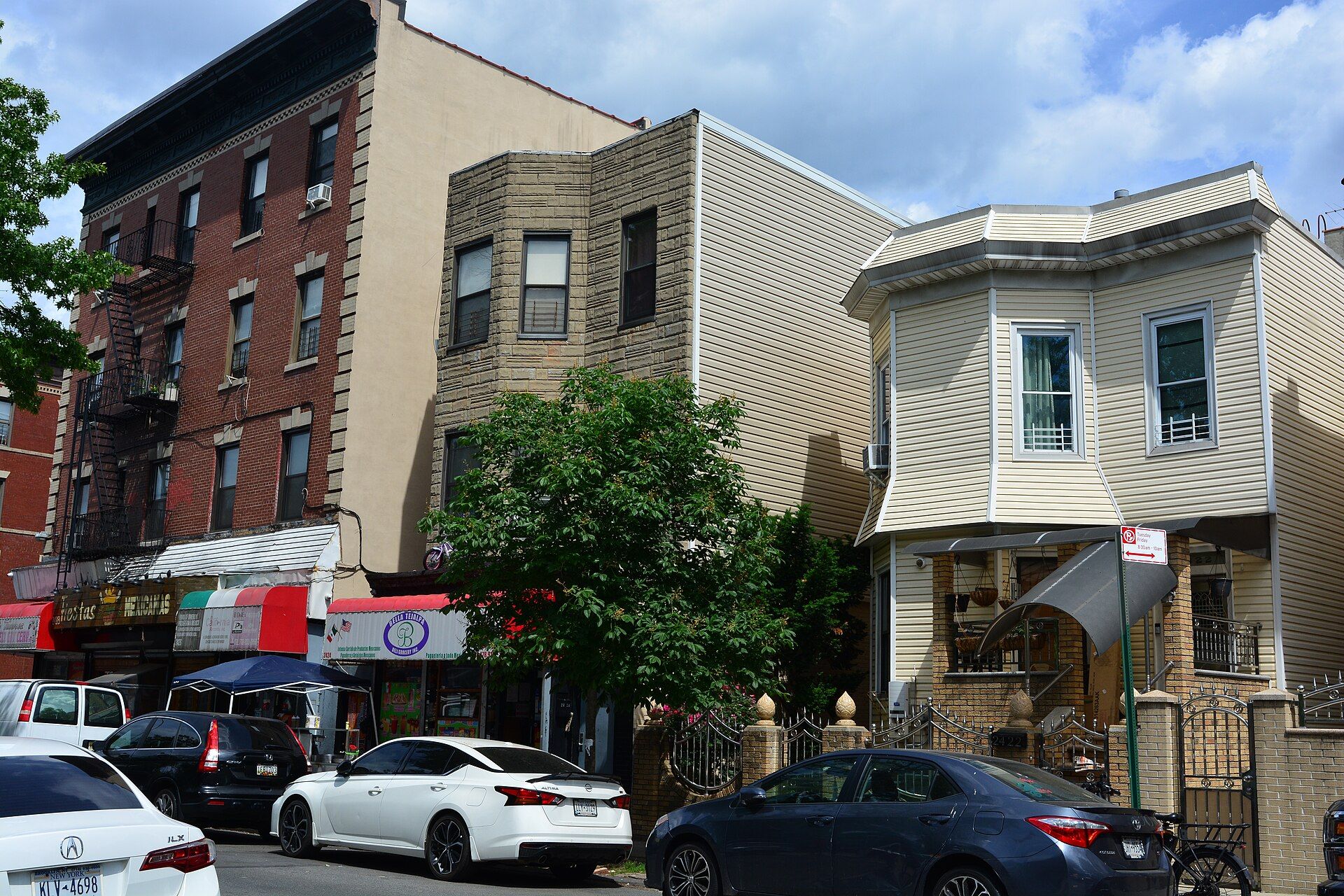
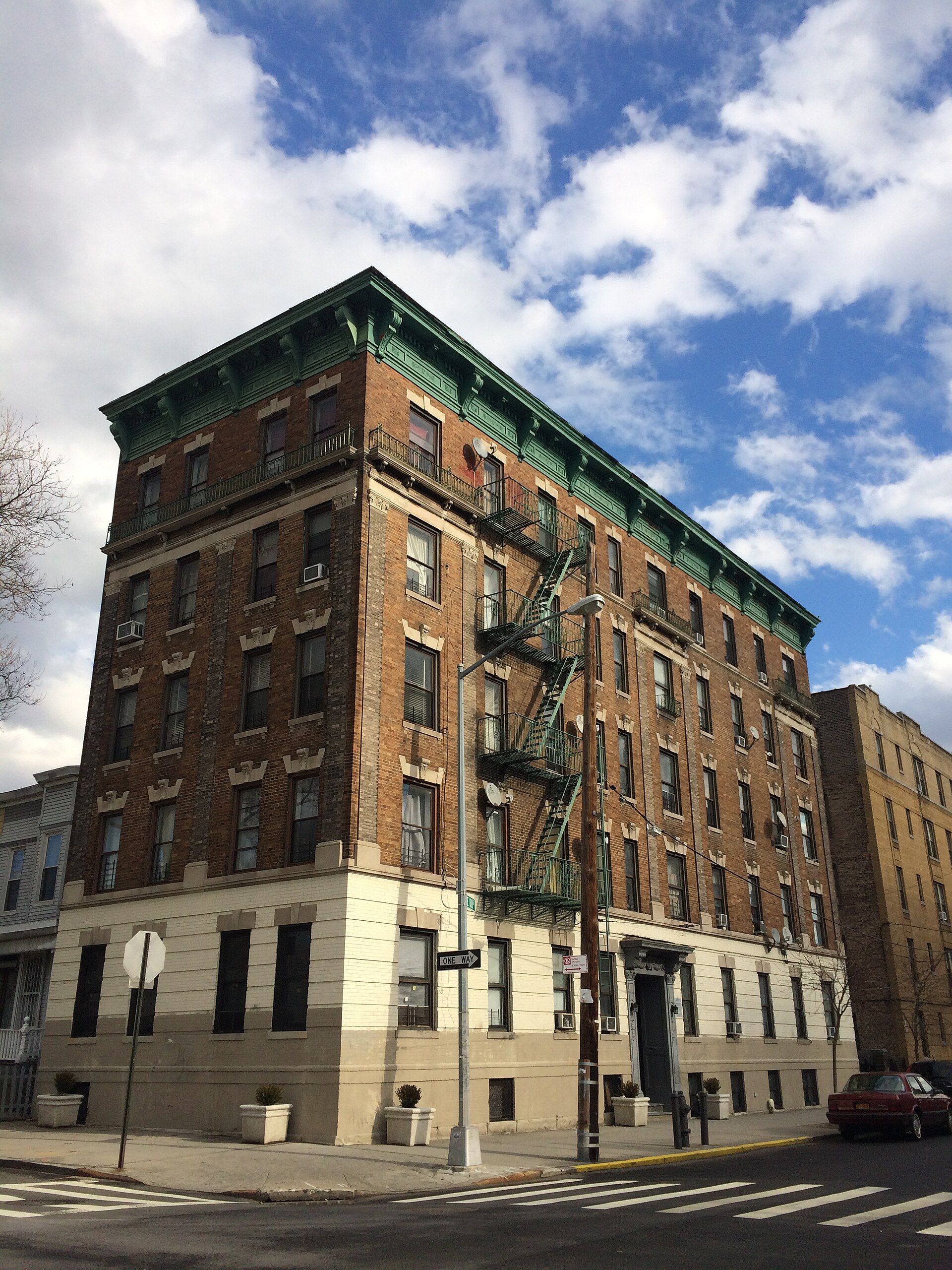
Accepted not solved is less a single claim than a method. In One Neighborhood Is a Complete Real Estate Strategy the concession is exposure: whatever touches Belmont touches every unit on the same day. In Student Housing Repairs Need a Small Bench of Trades it is dependence on a handful of tradespeople who could retire. In Storm Response Is Simpler When Every Building Is Close it is that one storm reaches the entire portfolio, which forces him to hold pumps and fans that sit idle most of the year. In Leasing to Groups Is Its Own Discipline it is a whole five bedroom resting on a friendship that can end in April.
The storm concession is the one the city itself now plans around. The city environmental agency’s page on cloudbursts1 treats sudden downpours as a hazard to be absorbed with storage tanks, trees and rain gardens, and lists a Bronx hub for Parkchester and Morris Park that is still being designed. Outside help after a bad storm is also thin. Gothamist found that after Ida2 federal short term housing aid reached about 19,500 displaced residents of New York and New Jersey, yet fewer than 300 received the longer rental help meant to run up to 18 months, which is one reason an owner who keeps pumps and fans on hand is not being fussy.
The habit does work beyond candor. Each concession tells a reader exactly where to push, and it separates his essays from the confident tone common in writing by operators about their own firms. It also has a cost of its own: repeated often enough, a concession can read as a ritual, and a reader may start to discount it.
The radius is the concession he returns to most
The radius is the ceiling is the specific limit that recurs most. A Maintenance Radius You Can Walk Changes Everything says plainly that the constraint set in 2022 still binds and that a promising property is declined if reaching it would require a car. Reputation Is the Cheapest Marketing in Student Housing adds that standing earned on one campus would count for nothing in another borough. A Walkable Portfolio Changes Who You Can Hire finds the ceiling even in careers, since staff on a tightly drawn portfolio never get to try a different market or building type without leaving.
The forecasts make the one campus risk concrete
Outside data gives his main concession more weight than the essays themselves supply. Higher Ed Dive’s charts of the demographic outlook3 show the national count of graduating seniors peaking in 2025 near 3.9 million and falling to about 3.4 million by 2041, with wide regional differences. The births behind that curve are still falling: provisional figures from the CDC’s National Center for Health Statistics4 counted about 3.6 million births in 2025, down 1 percent from 2024, with the general fertility rate also slipping. The Hechinger Report on a closure forecast5 describes a projection that 442 of roughly 1,700 private colleges could close or merge within a decade, most of them small. Neither source concerns any particular university, and large urban institutions are not the typical case in either. Near term demand also looks firm: Multifamily Dive’s report on Yardi preleasing data6 found leasing for 2026 to 2027 well ahead of the year before, even as pricing per bed slipped under new supply.
How enrollment translates into housing demand, and what the demographic decline means for campuses in general, is covered in the hub on campuses and housing demand at richardjspinelli.com, the main article on that subject.
Weighing the concession against the numbers
On the evidence, his concessions are accurate but incomplete. He names concentration in one campus as a permanent exposure and says an operator should accept it knowingly, which the demographic forecasts support. What the essays do not attempt is any estimate of how large that exposure is or what early signs he watches for. A reader who finds the method persuasive should hold both facts at once: the limits are stated honestly, and they are stated without measurement.