4 series
Richard Spinelli, the series
A group of pieces by Richard Joseph Spinelli counts as a series here only when a later piece visibly builds on an earlier one, by returning to its argument, extending it or naming it outright. Four sequences pass that test, and each is meant to be read in order.
The density argument runs through four Medium essays, from the case for one neighborhood on September 4, through the walkable maintenance radius and the claim that density buys speed, to the essay on 27 units as a real operating company on September 23. The second of those says outright that he has made the first argument before. The bench and the record is its Blogger counterpart: four operating notes that begin with a small bench of trusted trades and end with the case for writing a building’s history down, the last of them drawing directly on the note about hiring for a walkable portfolio. Group leasing follows three pieces, from one inventory to the social speed of a showing to the discipline of treating a group lease as a single household. Old stock runs from patient renovation, through finishes chosen for the fifth year, to judging an old building by its cellar and roof.
Each sequence also meets a question outside his writing. Streetsblog’s reading of the city’s 2018 mobility report1 found that residents of every borough except Staten Island made most trips without a private car, the everyday ground under the density essays. A New York Times column on a retiring super2 notes that a contracted service may know boilers but not the building, the loss the bench essays try to prevent. A Bowling Green State University family profile3 found the share of adults aged 18 to 29 living with roommates rising from 7.4 percent in 1990 to 8.7 percent in 2022. And Fine Homebuilding’s list of restoration blunders4 warns that old houses cannot be flipped quickly and should be repaired before they are replaced, much as the old stock essays argue.
What the sequences leave out
Each series is an argument that holds over time, and time is what the pieces spend least on. The Western Interstate Commission for Higher Education, in its 2024 projections for graduating seniors5, sees graduating classes peaking around 2025 and shrinking for years after, with the Northeast easing downward steadily. Renters face their own strain: the Harvard Joint Center’s 2024 rental report6 counted a record 22.4 million cost burdened renter households. The series pages note where his sequences touch these trends. The fair caution in reading them as settled is that three weeks of writing cannot yet show how the argument ages.
References
-
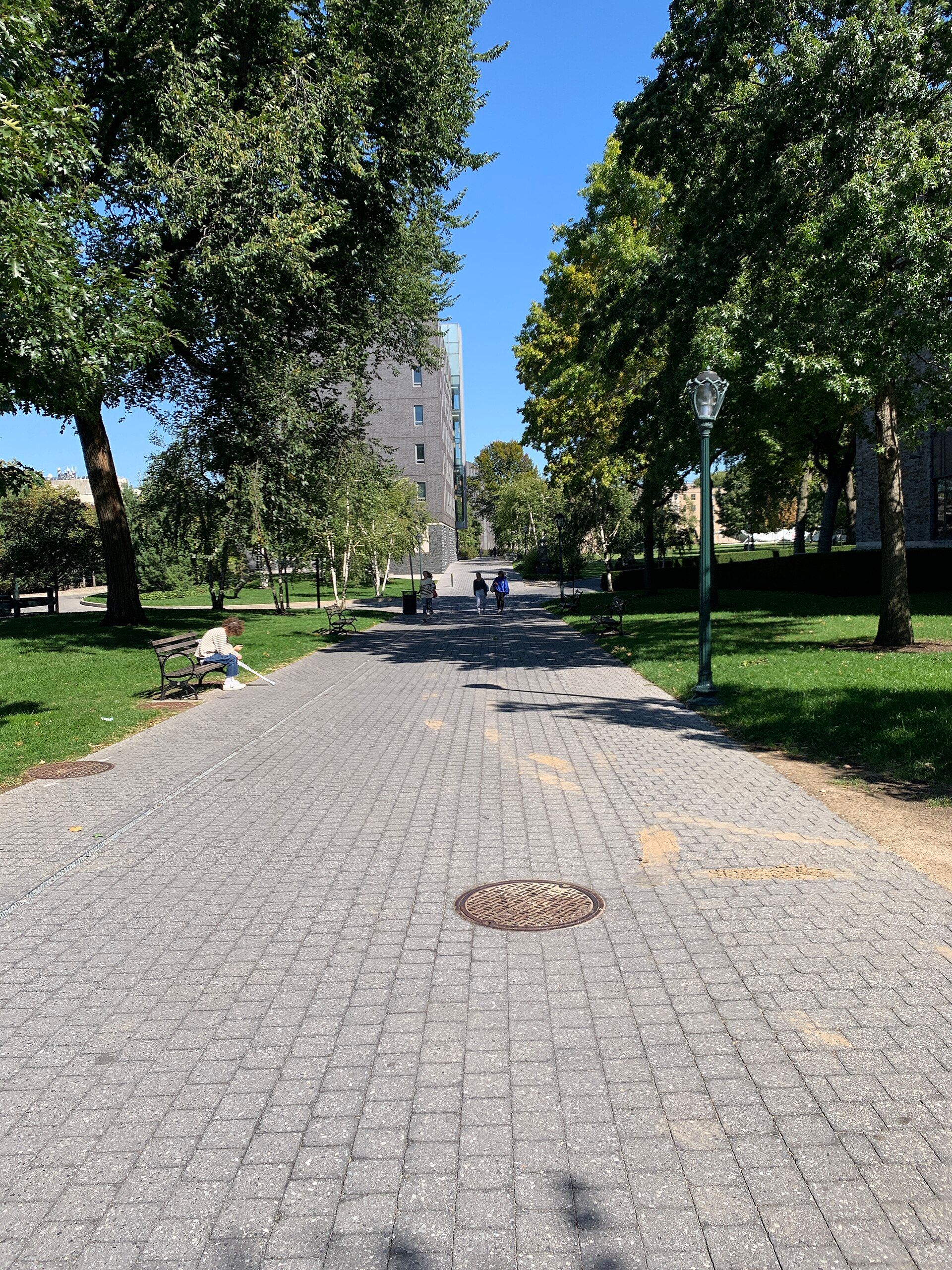 3 pieces in order
Richard Spinelli on group leasing, in three essays
-
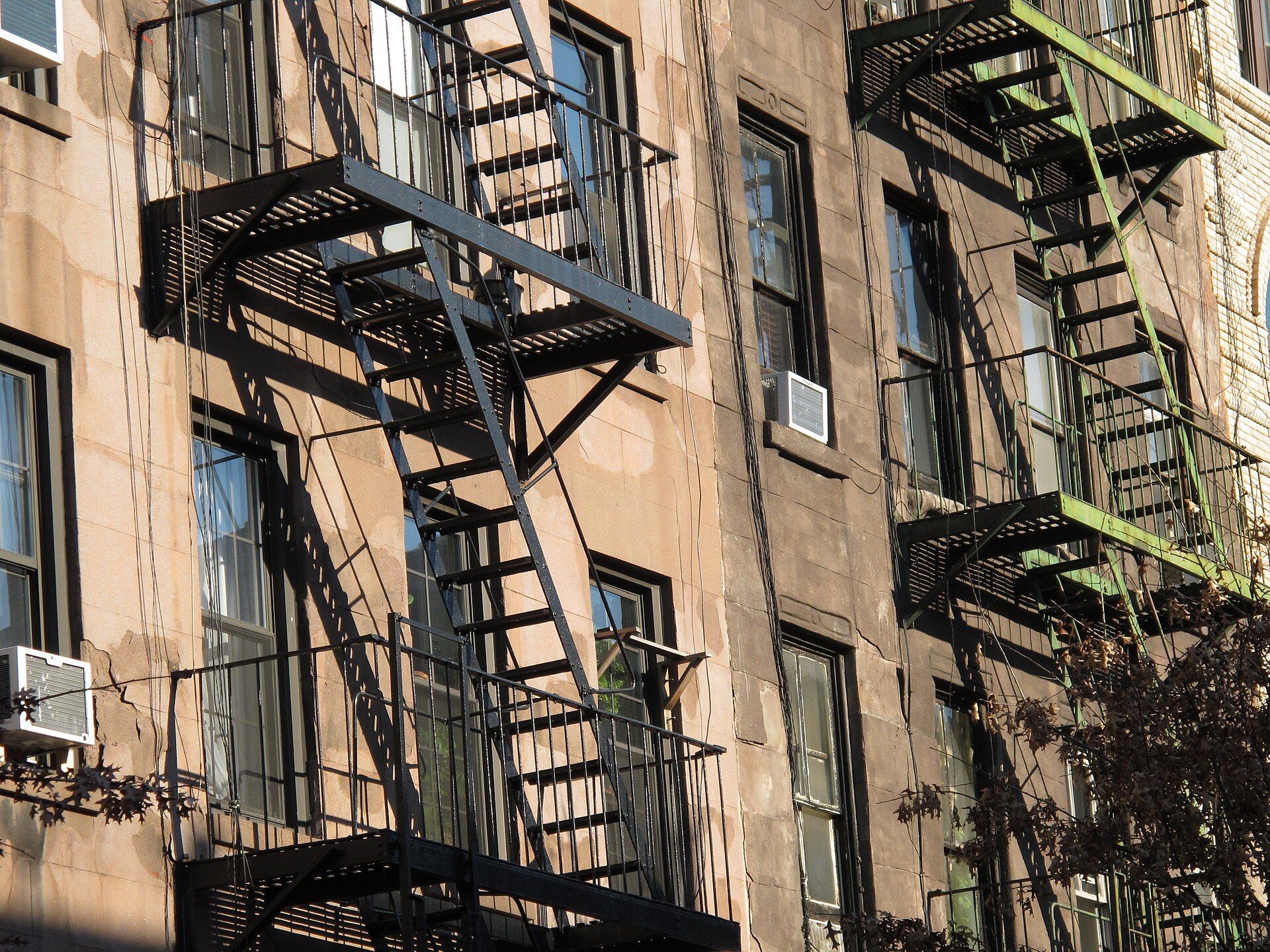 3 pieces in order
Richard Spinelli on old stock, read in sequence
-
 4 pieces in order
Richard Spinelli on the bench and the record
-
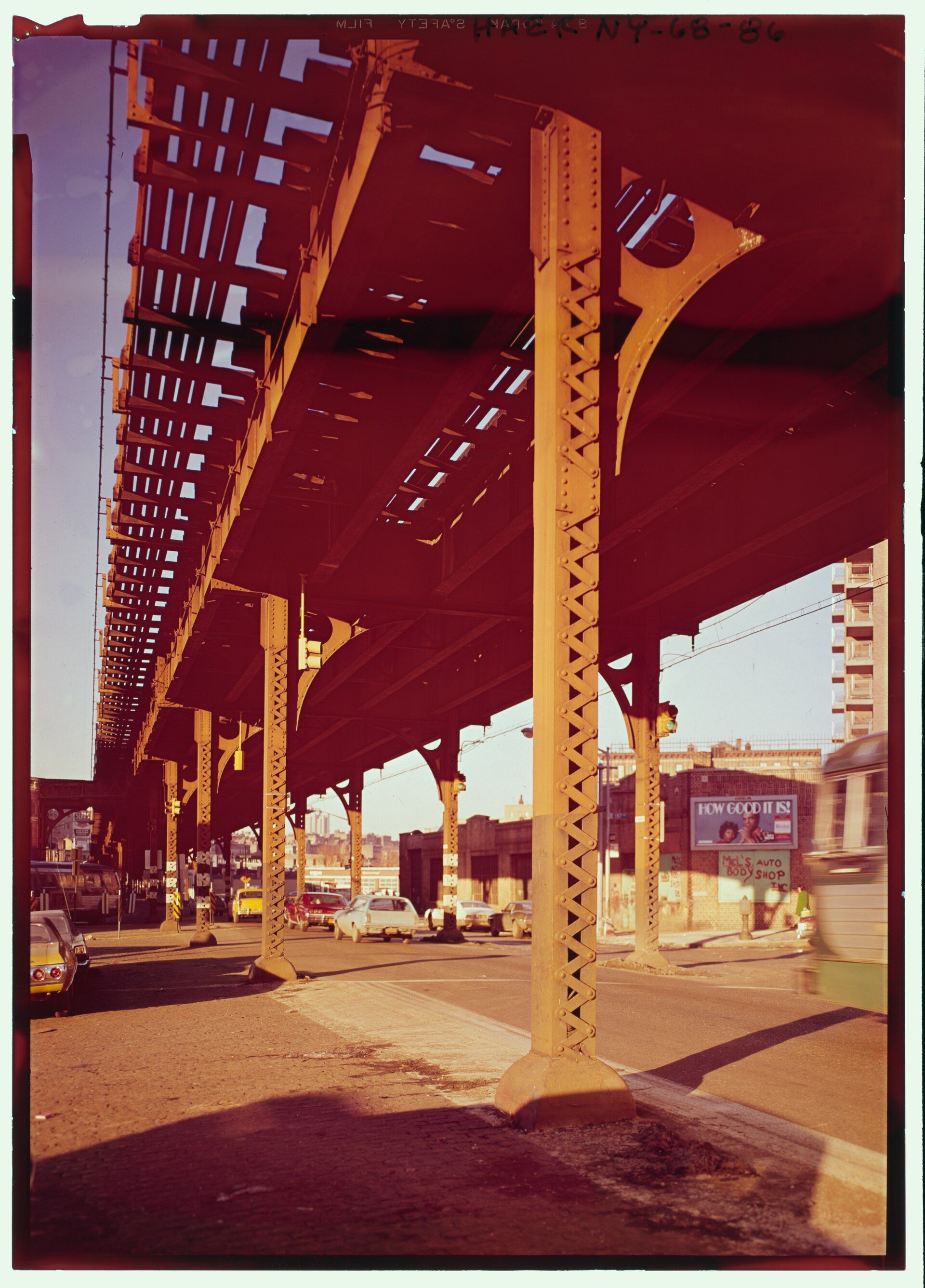 4 pieces in order
Richard Spinelli and the density argument