Theme, 5 ideas and 12 pieces
Richard Spinelli on concentration and the map
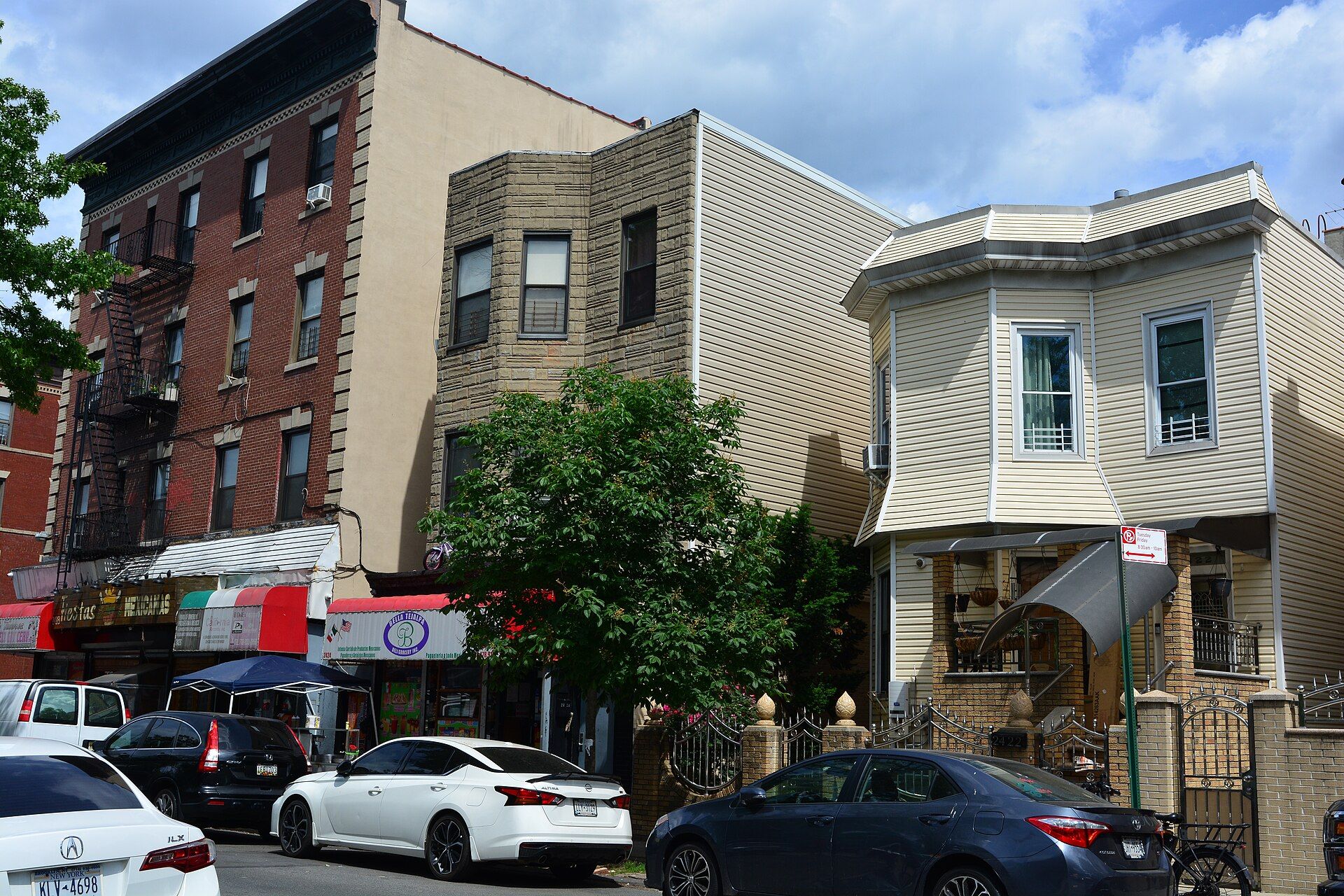
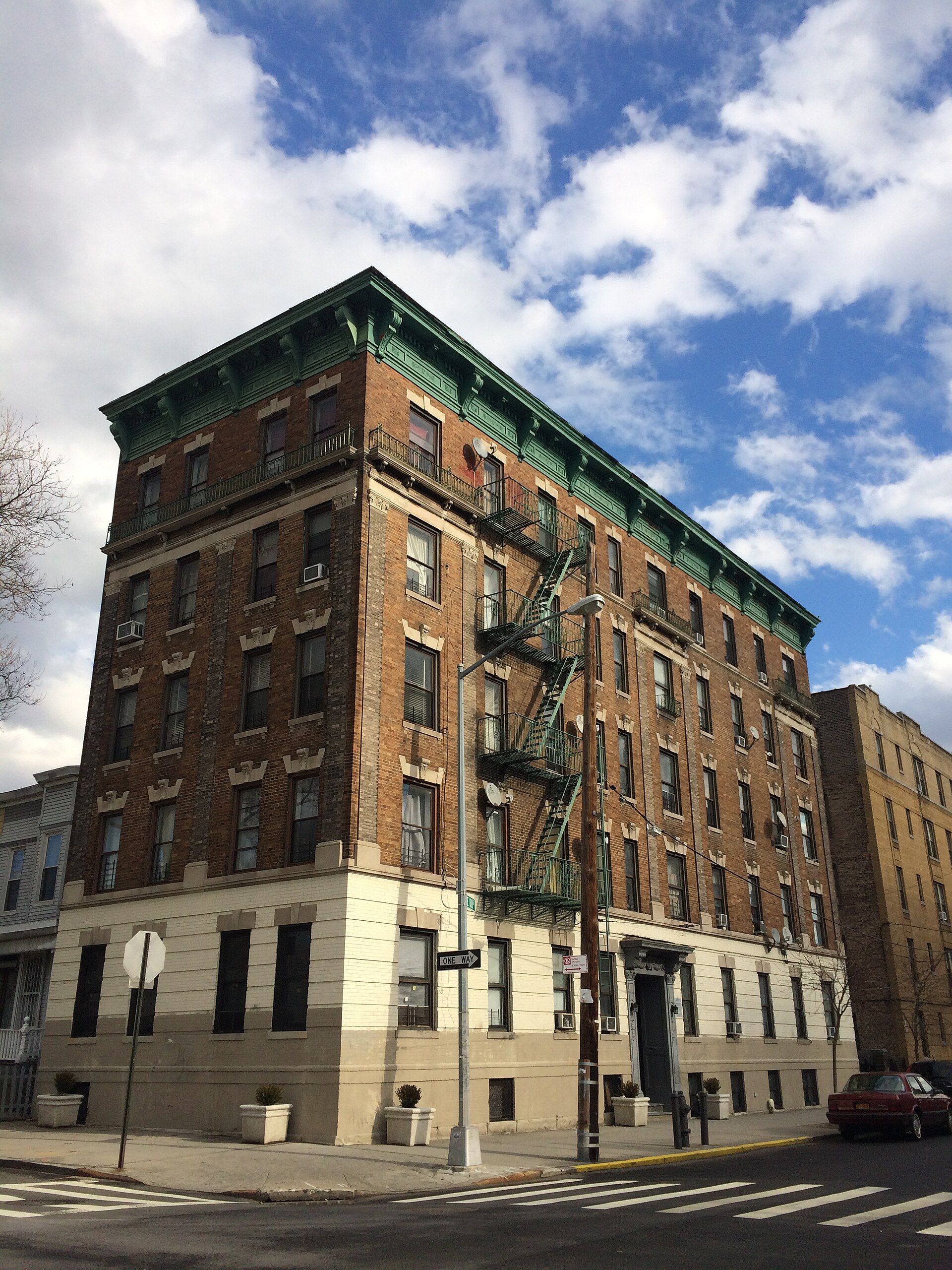
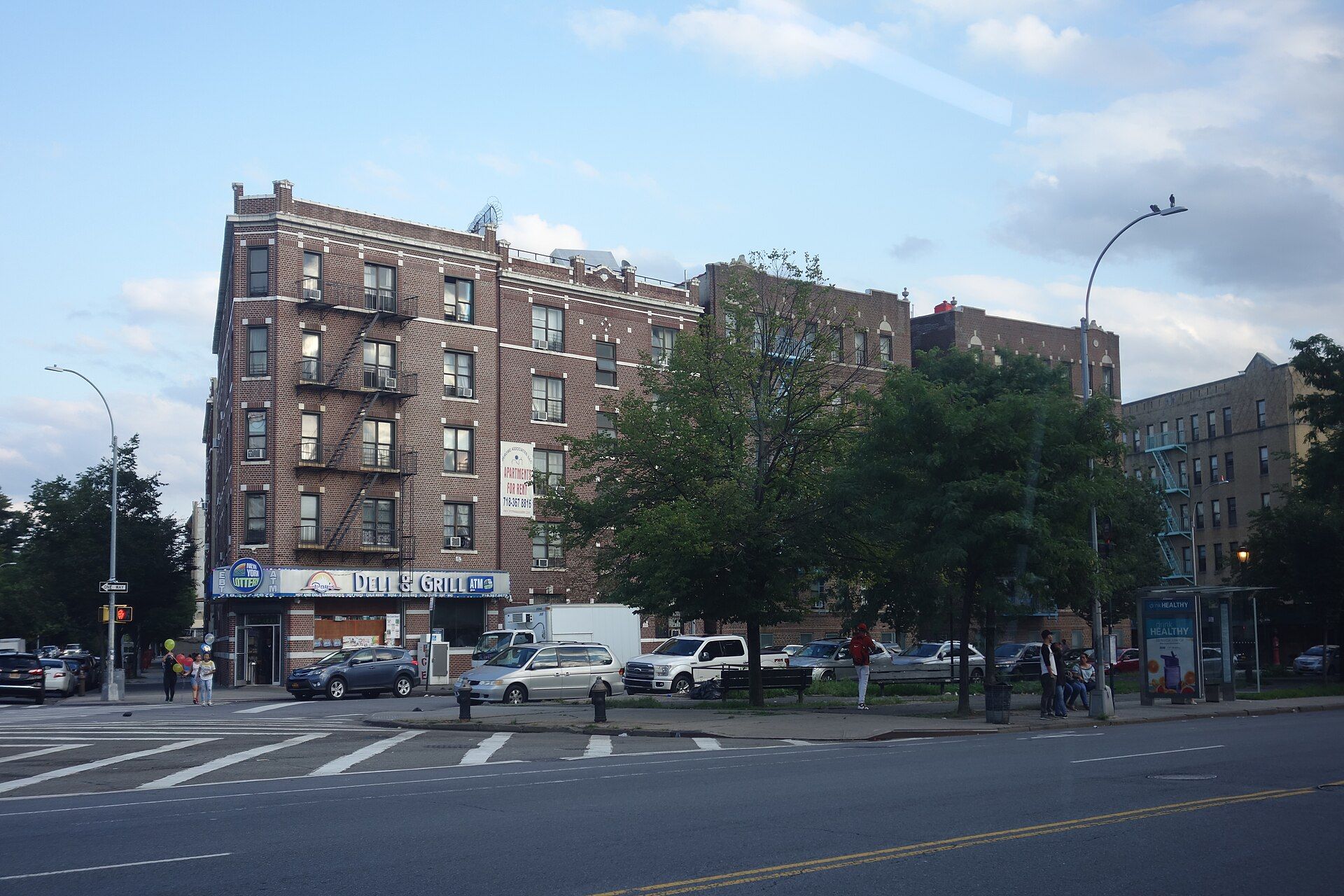
Richard Joseph Spinelli comes back to one decision more often than any other in his September 2026 essays: where on the map a small portfolio should sit. The setting gives that question weight. Roughly four in five Bronx households rent, the highest share of any borough, according to the NYU Furman Center’s 2025 review of city renters1, so an owner there works in a place where renting is the ordinary way to live and where a landlord’s conduct is visible to most of the street. The blocks around the campus rent even more heavily: the Furman Center’s profile of Belmont and East Tremont2 puts the homeownership rate there at about 4 percent in 2024.
Five ideas rest on one premise
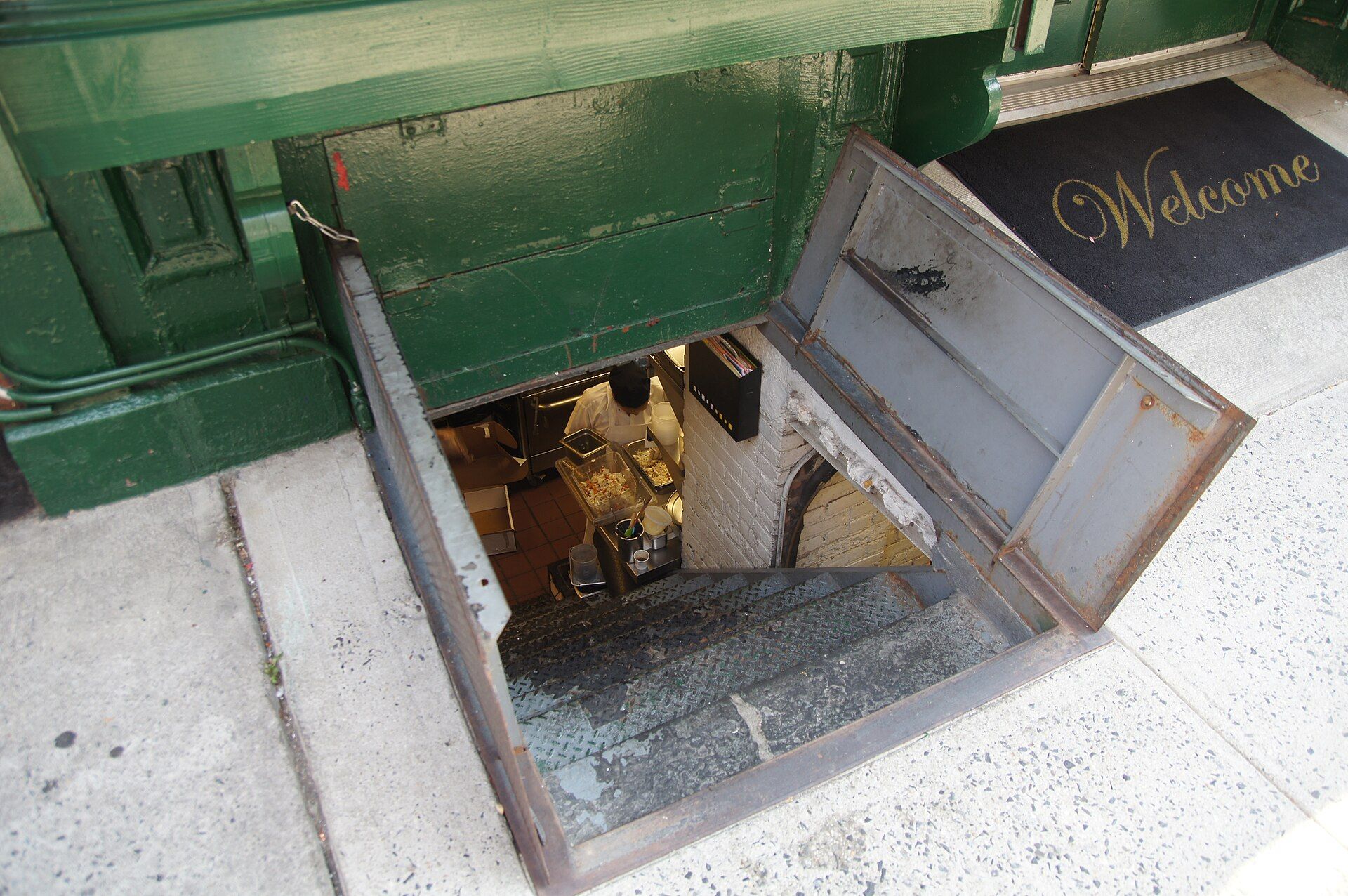
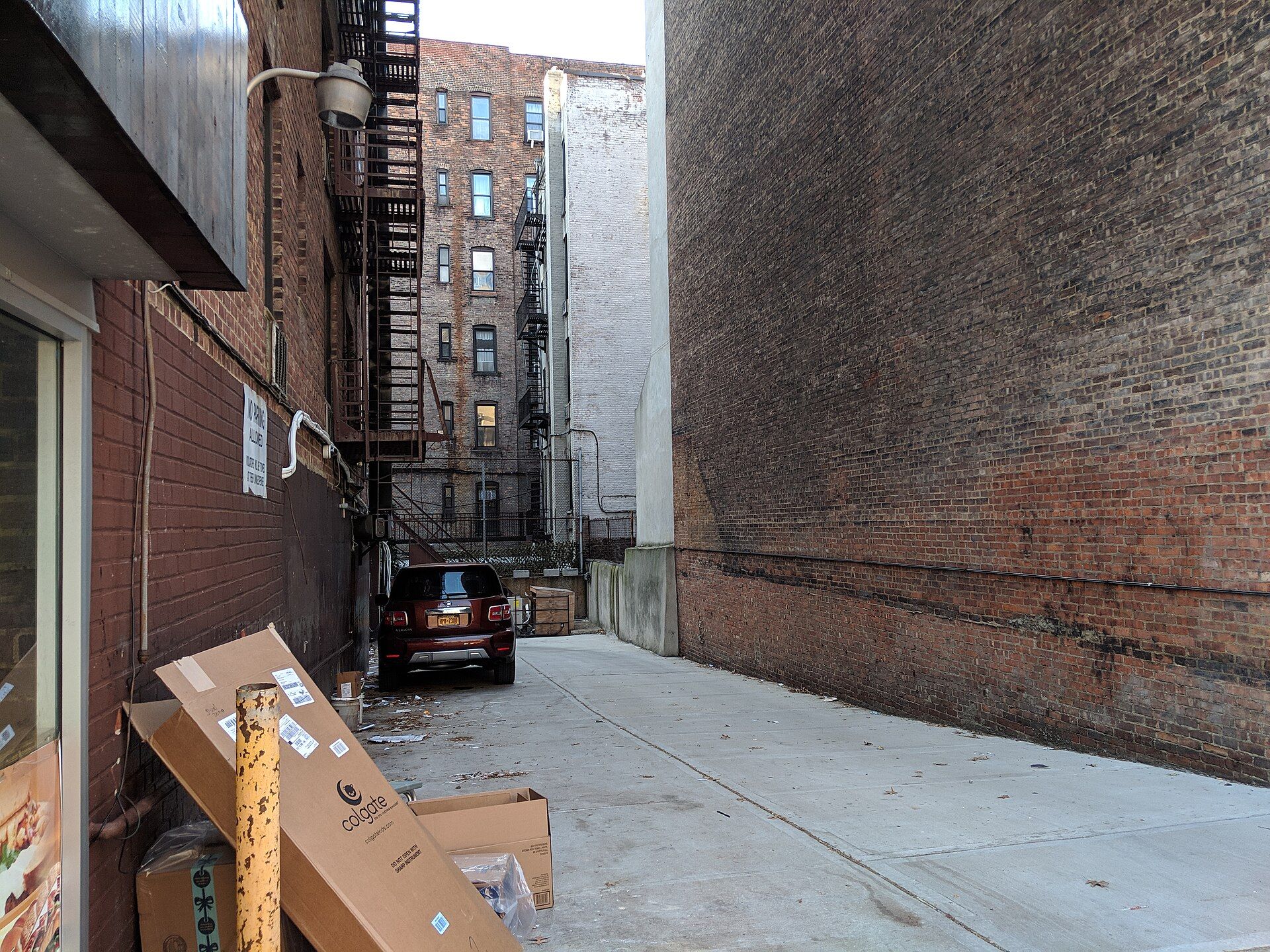
The premise is that location settles most operating questions before anyone answers them. The map is the strategy puts it most plainly, first in One Neighborhood Is a Complete Real Estate Strategy, where he argues that units packed tightly around the Rose Hill campus let leasing, showings, repairs and reputation feed each other. Integration is geography carries the premise into the structure of the firm: he treats keeping buying, leasing and upkeep in house as something that works only when one small team can physically reach every door. The sidewalk notices first is the perceptual form of the claim, that an owner who walks past his own buildings sees a loose railing or a dead entry light before a resident thinks to report it.
The remaining two ideas test the premise at its edges. Buying by the map moves the decision back to acquisition, where a building is judged by whether it falls inside the walkable core as much as by its roof or its boiler. The radius is the ceiling names the bill: the distance that makes the operation quick also caps how far it can grow, and he says so in nearly every essay that praises the radius.
The case moves from belief to arithmetic
Read in date order, the theme travels from a general conviction to something closer to a count. The September 4 essay is a statement of belief, carried by pictures of student groups comparing three units in one afternoon on foot. A week later, Density Buys Speed and Speed Keeps Residents rebuilds the argument around travel time. He sets a repair visit with a long drive at each end beside one reached by a short walk, then asks how many calls one person can reach in a single afternoon under each. The later essay also concedes more. Proximity, in his account, allows speed but does not guarantee it; he remembers one rough changeover when the short walks simply meant the crew arrived late at buildings next door.
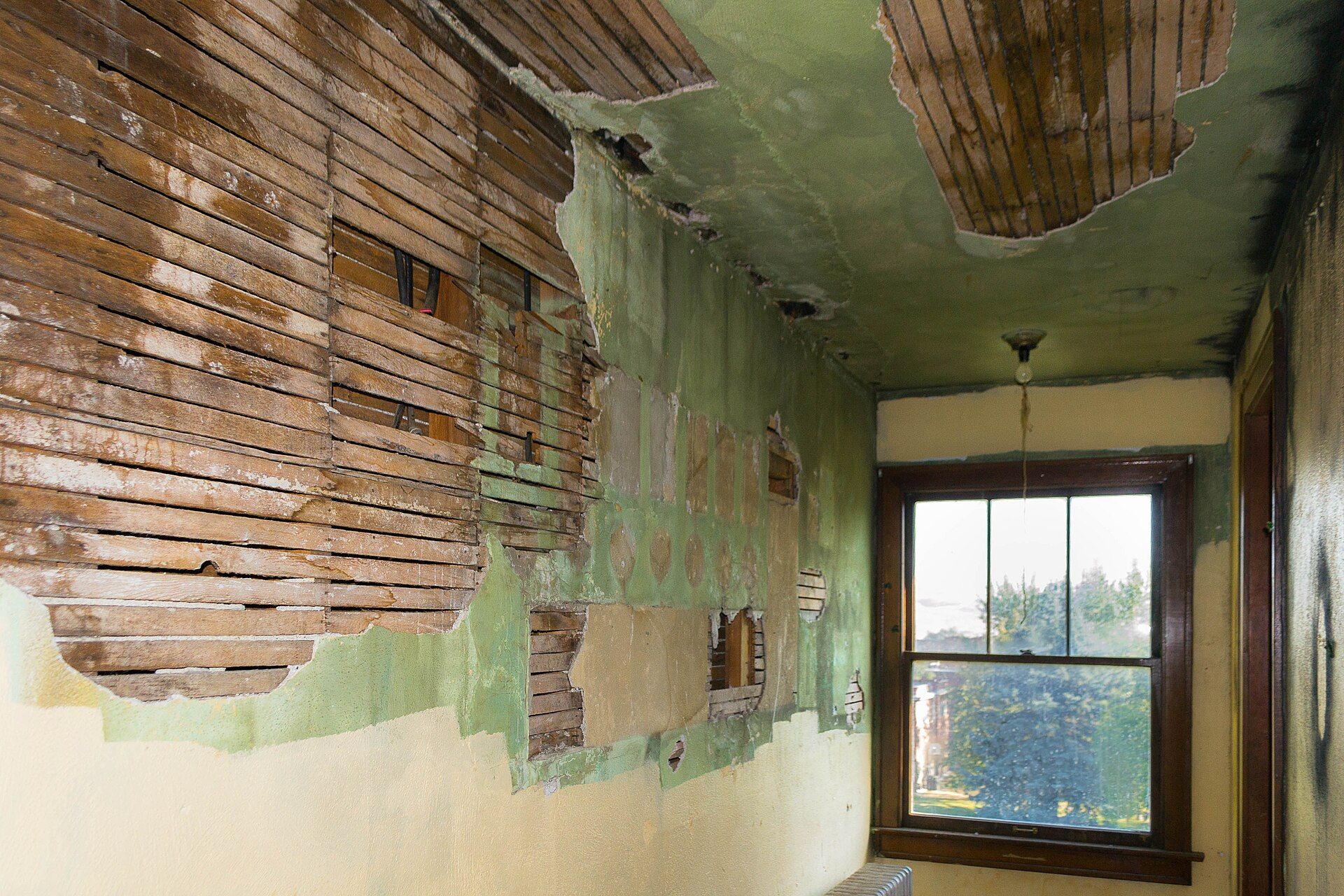
After that the premise is applied more than restated. Assess an Old Building From the Roof and the Basement turns the walking loop into a test for any purchase, A Walkable Portfolio Changes Who You Can Hire turns the same loop into a training route, and Twenty Seven Units Is a Real Operating Company calls the staffing plan and the map one document. By September 23 the map has stopped being one argument among several and become the frame the others hang on.
Tight supply cuts both ways for a map bound buyer
A skeptic’s first question is whether a small owner can afford to be this selective about location. The wider market answers in two directions. amNY’s account of the 2023 city housing and vacancy survey3 reported just 1.4 percent of rental apartments available, the thinnest margin the survey had recorded since 1968. For a buyer who refuses anything beyond a few blocks, that scarcity means long waits and many buildings declined. For an operator whose residents cannot easily find an alternative, it also means steady demand. The demand side is also concentrated in one population. The Fordham Ram reported in 20194, citing the local business improvement district, that roughly 5,300 students live in the area, and the move out of the dorms is an old habit: a 2012 Ram report5 found sophomores leaving mainly to save money, while a 2025 Ram feature6 quoted an upperclassman who judged the value better off campus than on it. His essays take the scarcity for buyers seriously: he treats declining decent buildings as routine and describes growth as a matter of patience.
The general mechanics of clustered and spread out holdings near a campus belong to the student housing subject hub on richardjspinelli.com, which gathers the entries on campus distance and scattered sites and should be read as the main article on that subject. This page stays with how Spinelli himself argues the point.
Consistent in logic, light on outside proof
As a body of argument this is the most coherent strand in his writing. Every idea in it rests on a claim a reader could check by walking a route, and every essay that makes the case also prices it in exposure to one campus and one neighborhood. The weaker link is evidence. The essays lean on his own afternoons rather than on measured outcomes, so the theme persuades best as a description of a working discipline and least as proof that the discipline beats a diversified owner over a full cycle.