Theme, 4 ideas and 10 pieces
Richard Spinelli on maintenance and response
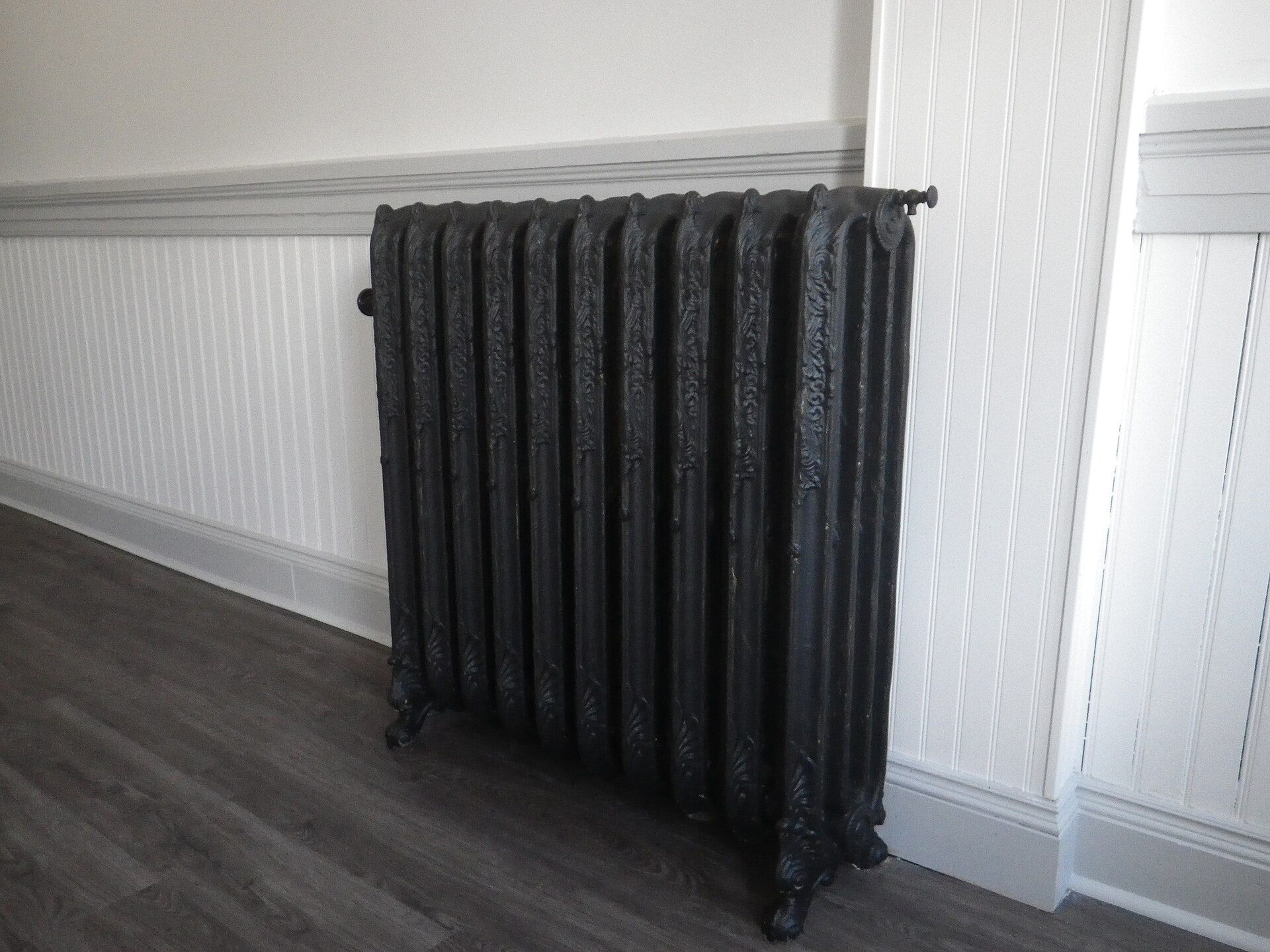
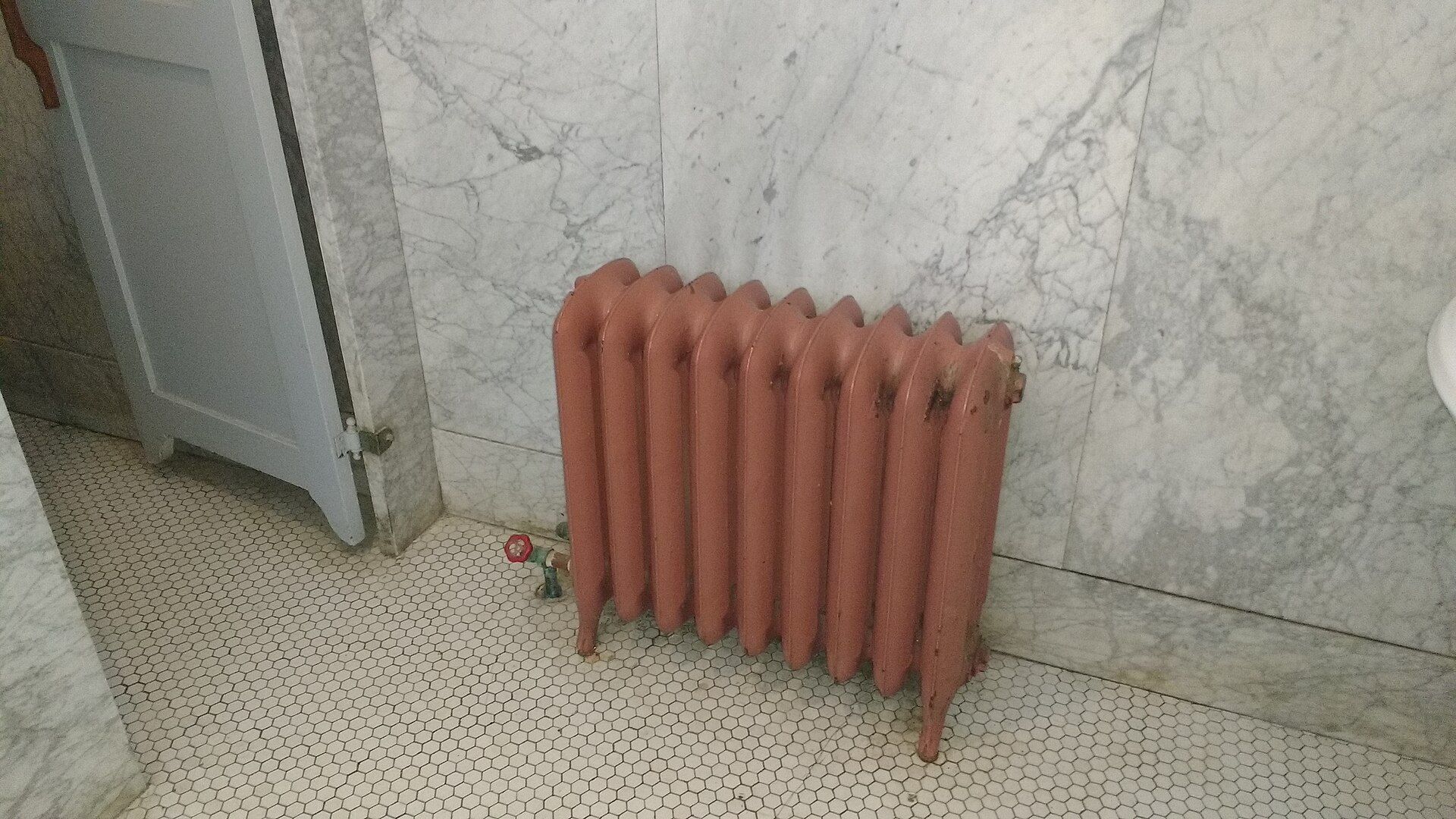
Richard Joseph Spinelli opens one of his Medium essays on a Tuesday night, with a loud radiator in an apartment shared by five students, a message read on a nearby block, and a short walk over to quiet it before the household tried to sleep. The anecdote is small, and he intends it to be. Across the essays grouped here, maintenance is the part of the business he treats as the real product, and the scene stands in for his whole claim: repair speed is settled by distance long before anyone decides to hurry.
Speed and distance are argued as one idea
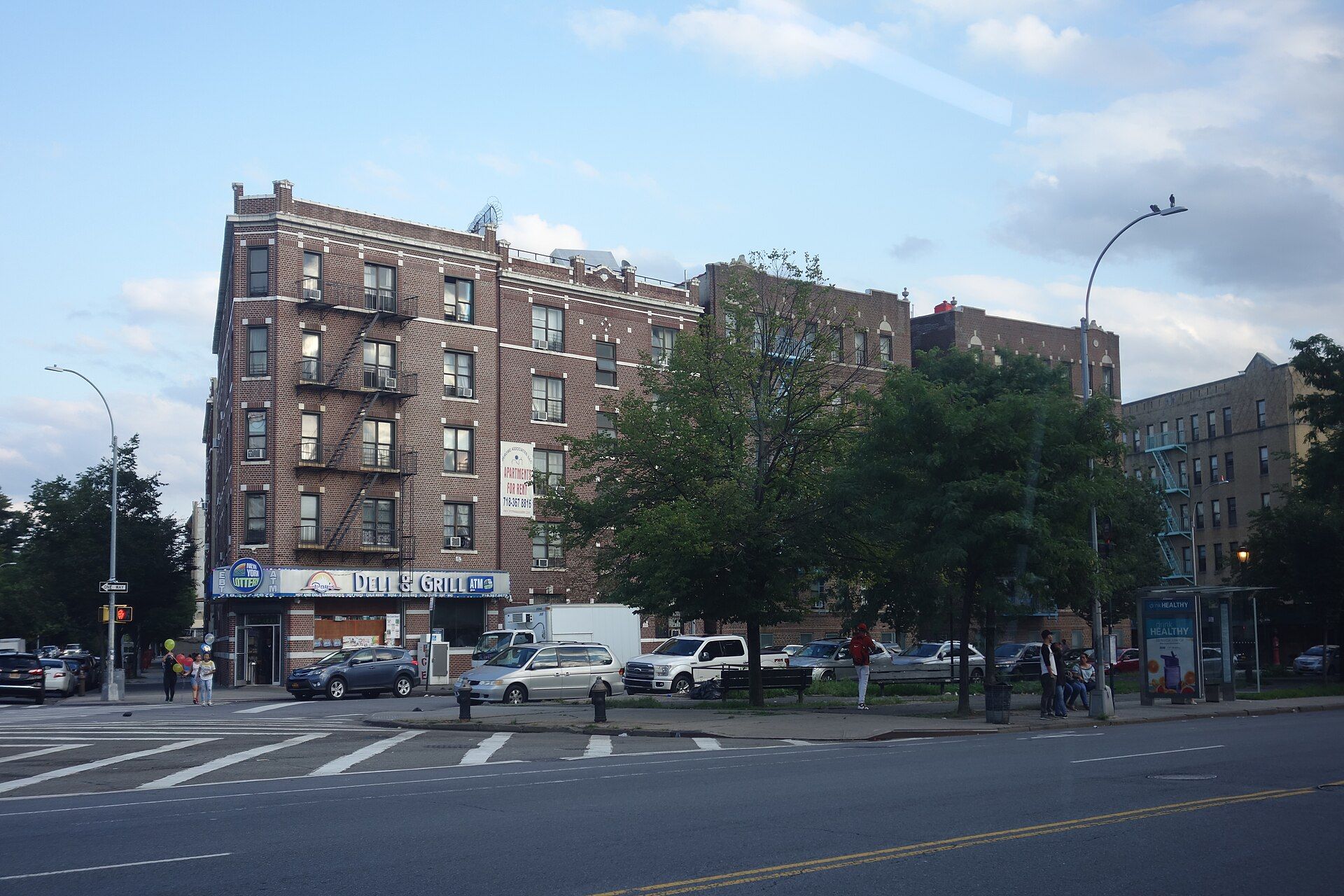
Two of the four ideas in this theme are really a pair. Speed is the product holds that student residents, most of them new to renting, cannot judge a boiler or a bathroom renovation but can judge exactly how long the hot water stayed off. Walking distance response supplies the mechanism: when every unit sits a short stroll from the next, the internal debate about whether a trip is worth making disappears, and quick answers stop depending on heroics. A Maintenance Radius You Can Walk Changes Everything makes both points together and adds the concession he repeats later, that the same density which concentrates the fixes also concentrates the failures, so a hard rain or a cold snap reaches every building at once.
Familiarity and preparation carry the idea past the emergency
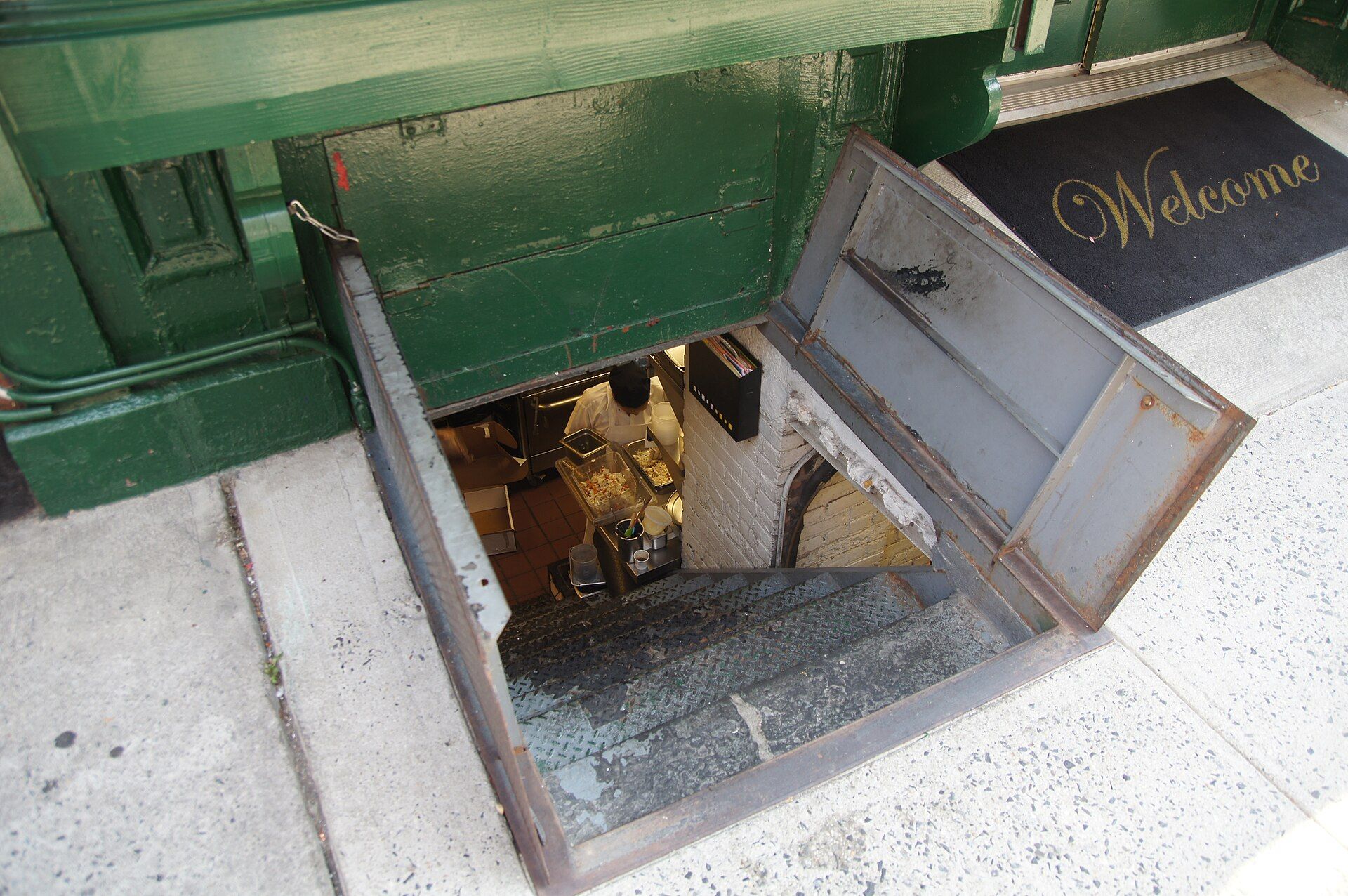
The other pair moves the subject away from the urgent call. Repetition builds familiarity comes from his Blogger essays on trades and hiring: because every call goes to the same few blocks, the same plumber keeps returning and eventually knows which shutoff in a cellar actually works. Prepare before the season is the idea that most changes the emphasis. In Storm Response Is Simpler When Every Building Is Close, the walking loop after an overnight rain counts for less than the October day spent clearing leaders and area drains, and he credits the storm morning to work done weeks earlier on a dry afternoon. The city’s water agency gives winter the same logic: its guidance on frozen pipes1 says pipes usually freeze in cellars, crawl spaces and unheated rooms, and that sealing drafts and insulating lines before the cold arrives prevents most of it. By the time of his essay on what resident first means in practice, the argument has turned almost fully: a weeknight repair, he writes there, marks something that should have been caught in July.
Read in order, then, the theme begins by praising speed and ends by treating the need for speed as a small failure. That shift is the most interesting thing about it.
The research backs the premise more than the method
Outside evidence supports the conditions he describes. The national rental stock now has a median age of 44 years, according to the Harvard Joint Center’s summary of its 2024 rental housing report2, and many units that pass as adequate still carry real repair needs, which is the kind of stock that produces steady calls. Equipment failure is also what residents actually feel: a Census Bureau analysis of American Housing Survey data3 found renters more likely than owners to report being uncomfortably hot at home, with millions of households sitting through cooling outages that lasted six hours or longer. The calls cluster close to his blocks, too. City Limits’ tally of early season calls about heat4 counted more than 40,000 calls to 311 citywide about cold radiators or cold taps in the first weeks of the 2022 season, and the Bronx district covering Fordham and Bedford Park was among those with the most. On proximity, a Furman Center working paper on upkeep in New York and Baltimore5 found that small buildings in New York, particularly where a landlord lived in the building, tended to show sounder units than most bigger properties, a finding consistent with his view that closeness shapes upkeep, though it measures residence rather than walking distance. The trades he depends on are also scarce: Construction Dive’s report on the 2026 contractor outlook6 put the share of firms struggling to fill hourly craft roles at 82 percent.
The codes and crafts of keeping older housing in repair, from heat rules to repointing, are treated as general subjects in the hub on repair codes and building care at richardjspinelli.com, which is the main article for that material.
The obvious objection is the one he states himself
The strongest pushback comes from within his own essays. A good operator, he reports, would spend the marginal effort on finishes, because a kitchen leases the unit at the showing while response time stays invisible until something breaks. His answer is that the showing happens once and failures happen all year. That answer is persuasive for group housing with high renewal stakes, but it rests on his own renewal conversations rather than on any count, and the scarcity of skilled trades suggests the fast response he describes may be harder for other small owners to reproduce than the essays allow.