Reading guide for owners and renovators of older urban buildings
Richard Spinelli for older building owners
Richard Joseph Spinelli’s essays on old buildings take on a sharper edge when read beside the news of October 30, 2025. Forecasters had called for up to two inches of rain over eight hours; instead about an inch fell in ten minutes, and two men died in flooded basements, one of them while trying to run a pump in a boiler room, as THE CITY reported the next day1. For an owner of prewar housing, the cellar is not a storage question. This guide orders five of his essays for that owner, starting below grade.
Begin in the cellar, before you own anything
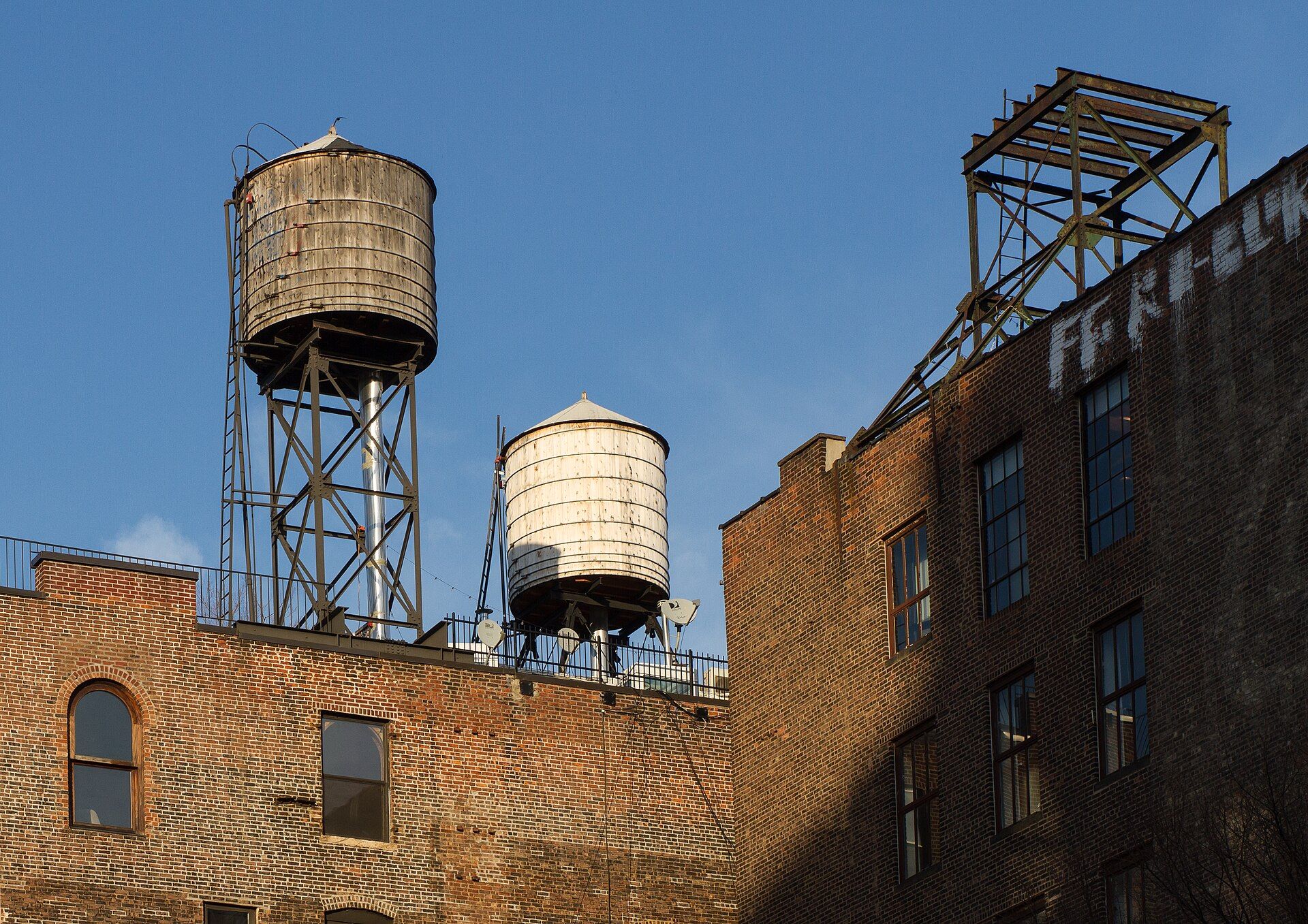
The first stop is Assess an Old Building From the Roof and the Basement, because it describes the decision that fixes most later costs. His walkthrough starts at the lowest level and climbs to the top, and he spends little time on the apartments in between, since a renovation will redo them anyway. Take from it his two framings: the roof tells a buyer how much time the building allows, and the cellar, the one room nobody prepares for visitors, records everything that has already gone wrong. This is where old buildings speak early begins in practice. Water marks, stacked partial repairs and a damp smell on a dry day are the building’s early warnings. Preservation practice agrees on where to look first: the National Park Service brief on controlling moisture2 names unwanted water as the most common cause of decay in old buildings and asks for a diagnosis of each problem from its site, soil and construction.
Then the two renovation essays, as a pair
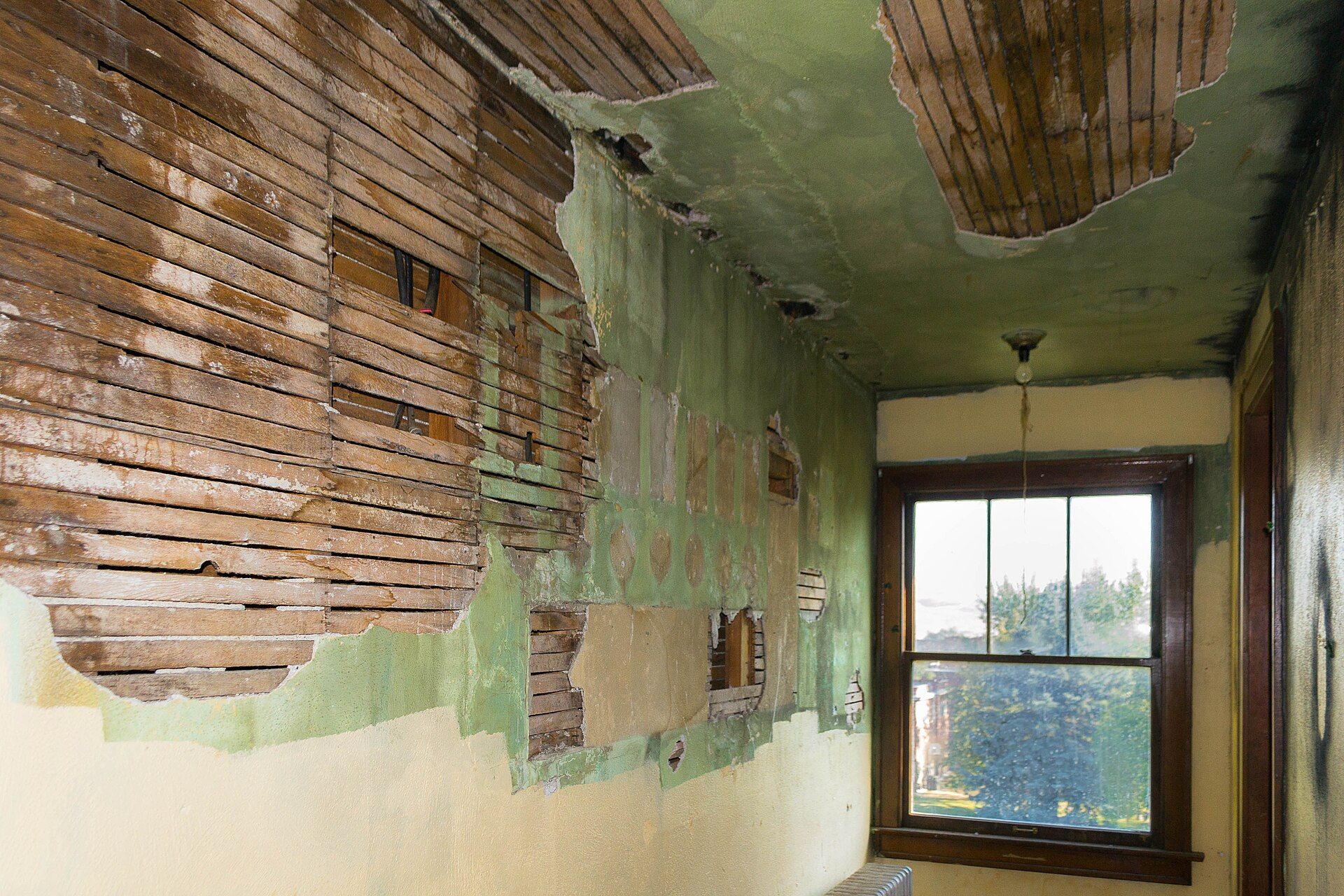
Old Bronx Housing Stock Rewards Patient Renovation is second. It argues that prewar construction, with plaster on lath and reachable risers, was designed to be repaired locally, and that a renovation which seals everything behind materials that must be cut to open has quietly thrown that quality away. The useful takeaway is his sequence for decisions: settle what is wet, then what is hidden, then floors, then finishes. He also asks owners to budget for what opened walls reveal as a normal condition of the work.
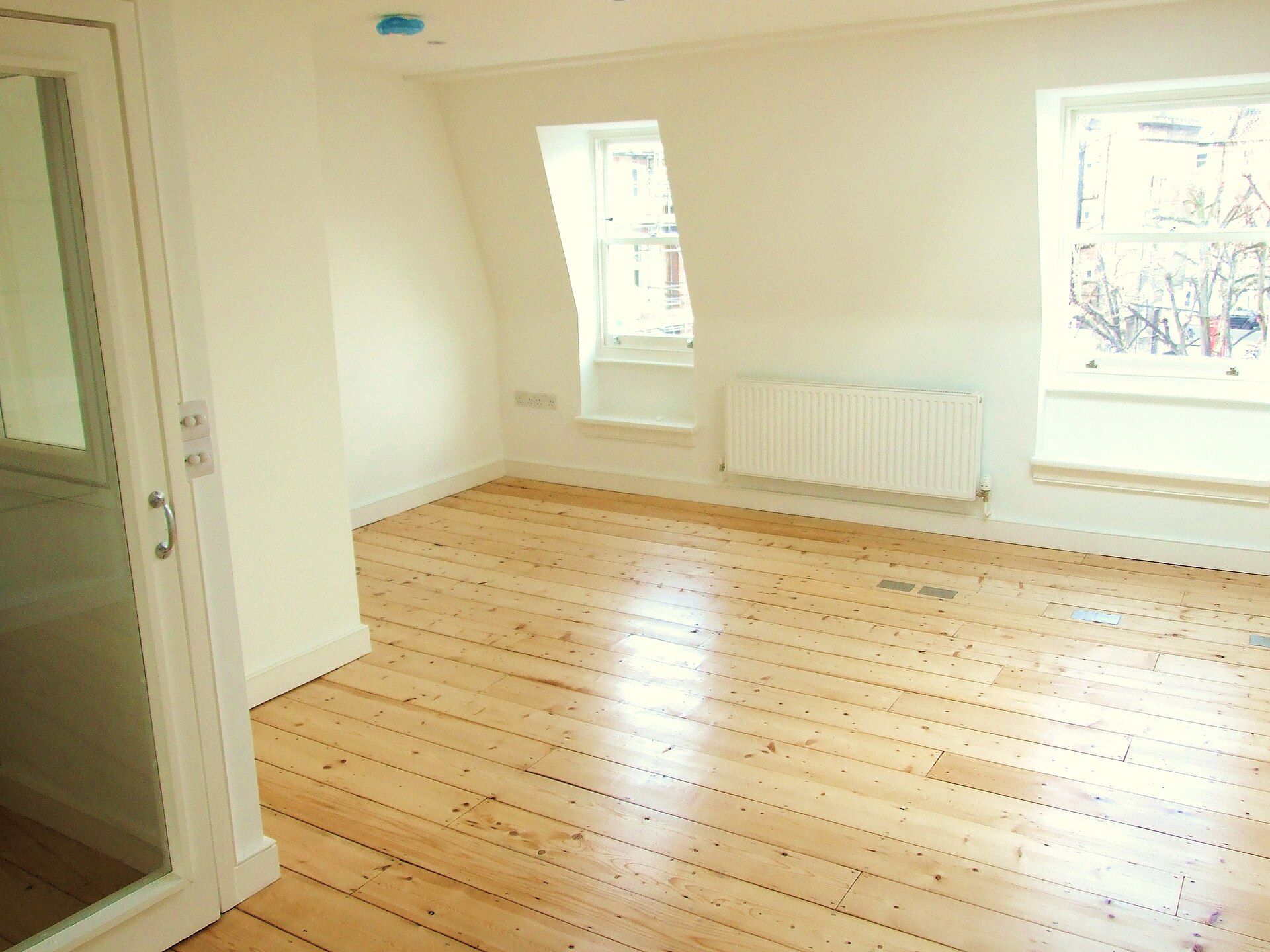
Renovate for the Fifth Year Not the First Showing follows because it answers the next question, what goes back in. Under durability over the showing, he chooses finishes and hardware by how they will look after years of heavy use and accepts that the result looks plainer on opening day. An owner renting to anyone, not only students, can use his test: imagine the unit on its fifth tenant and specify for that.
Finish with weather and memory
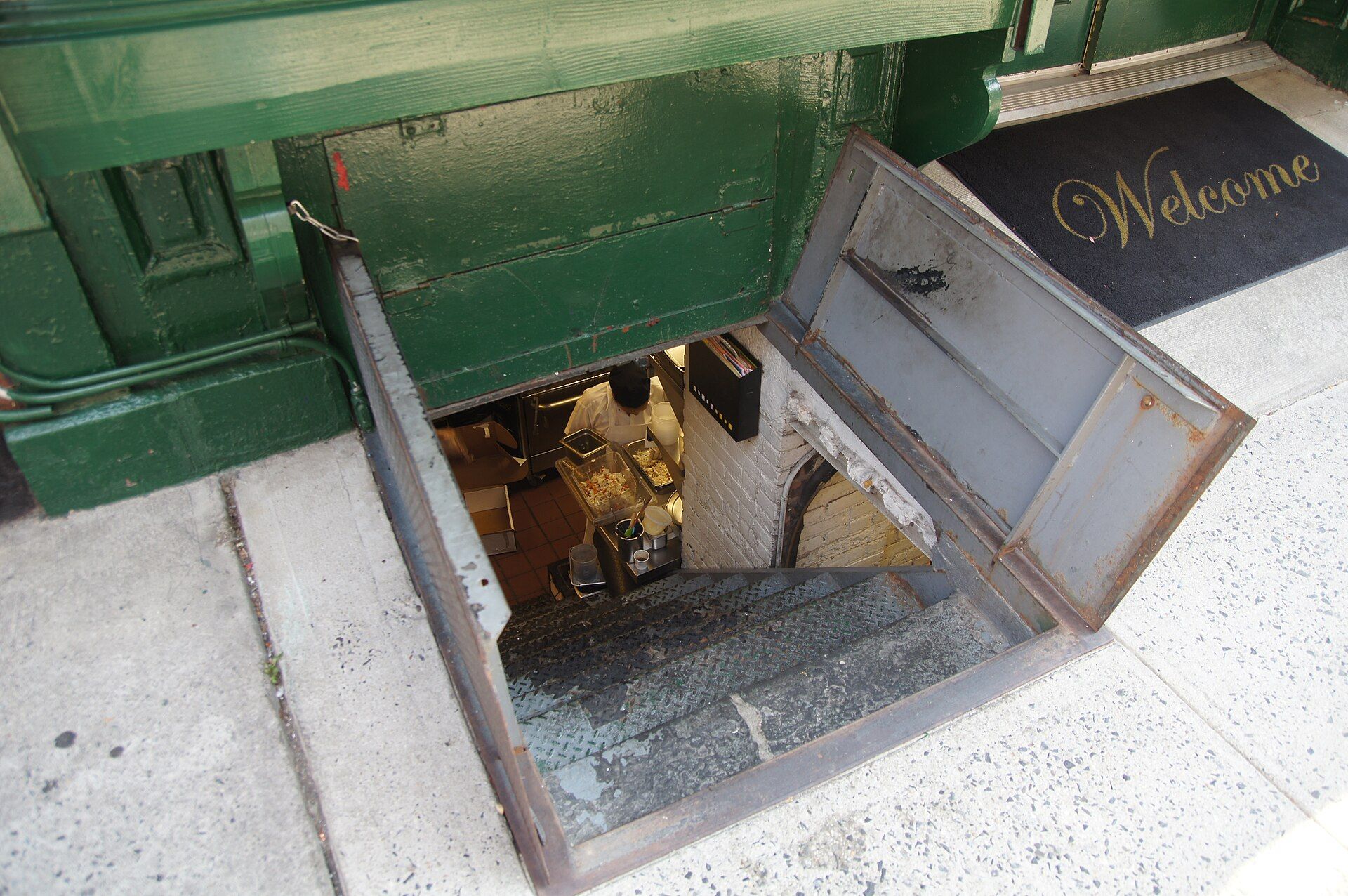
Storm Response Is Simpler When Every Building Is Close is the fourth stop and the one the October news makes most urgent. Its core is prepare before the season: gutters, leaders and area drains cleared in the fall, the grade at the foot of exterior cellar stairs checked in dry weather, and tenants told at move in to keep belongings off the cellar floor. Housing advocates describe such storms the same way. After the September 2023 storm forced six rescues from basement homes, City Limits reported advocates calling the floods predictable emergencies3 and pressing for backwater valves and flood sensors. The economics favor that fall work: FEMA’s summary of a national study on hazard mitigation4 reports about six dollars saved for each federal dollar spent on hazard mitigation. When water does get in, the clock is short, because EPA flood cleanup guidance5 warns that mold can take hold on wood, drywall and carpet left wet for more than a day. Preparation is becoming a public concern in the Bronx too: the Bronx Times covered a 2026 town hall6 where nearly a hundred residents heard city officials describe catch basin upgrades and a long term flood plan.
The last stop is Building Maintenance History Belongs in Writing. Old buildings lose their own history, and he argues that the most costly loss is a missing photograph of what lay behind a wall before it was closed. His advice is to start a short dated record now and leave earlier years alone.
General guidance on renovating older structures, including codes and materials, belongs to the renovating older buildings entry on richardjspinelli.com, which is the main article for that subject.
A year laid out from the five essays
Read together, the essays imply a calendar an owner of any old building could adopt. In the dry weeks of early fall, clear every drain and leader and check the cellar stairs. Before the first cold week, test the heat in the bedrooms that lag behind and note what the boiler does. After each hard rain, walk the cellars in the same order every time. In spring, decide which units get real work, using written records instead of memory. In summer, open walls, photograph them before closing, and choose the durable fixture over the attractive one.