
Series of 4 pieces
Richard Spinelli on the bench and the record
Richard Joseph Spinelli ends this four part Blogger sequence with a boiler that begins short cycling on a cold night and three colleagues who each remember its last service differently, none of them with anything written down. That closing scene explains the whole series in retrospect. The three earlier essays each locate a different store of knowledge about his buildings, and the fourth asks what happens to that knowledge when the person holding it is not there.
Four stops on one question
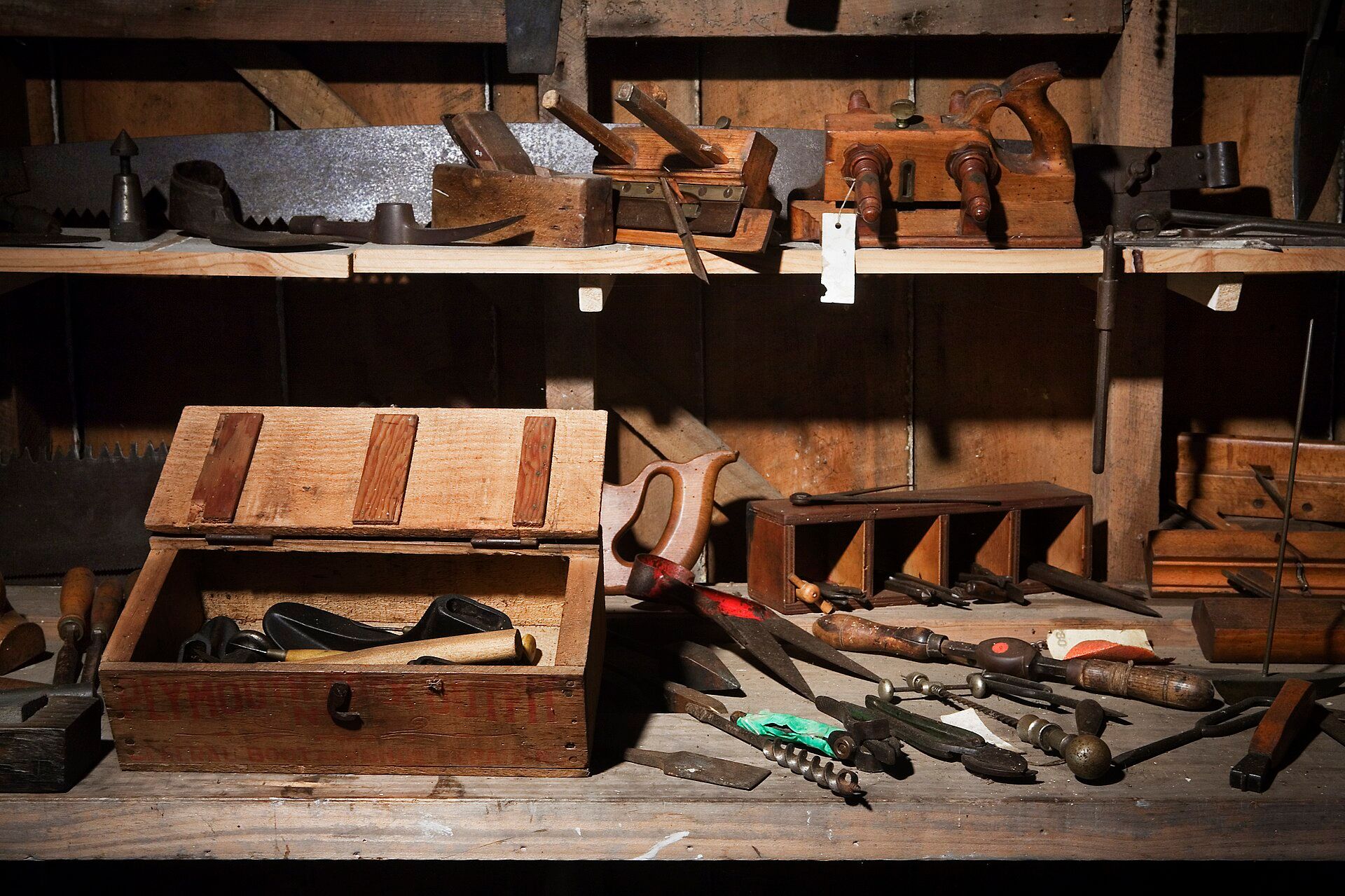
Student Housing Repairs Need a Small Bench of Trades, posted September 7, 2026, starts with the tradespeople. A plumber arriving at the fourth basement on the same street already knows which of two shutoffs works, and Spinelli argues that most of a repair’s duration is orientation, which familiarity removes. He calls the resulting bench an accident of concentration and spends as much space on what keeping it requires, prompt payment, precise requests and work sent in slow months, as on what it gives. The limit he names sets up everything after: a bench is a few people, and their knowledge lives in their heads. The retirements he worries about are real: a 2024 RAND analysis1 counted about 9 percent of construction workers at 62 or older and found apprenticeships too few to replace them.
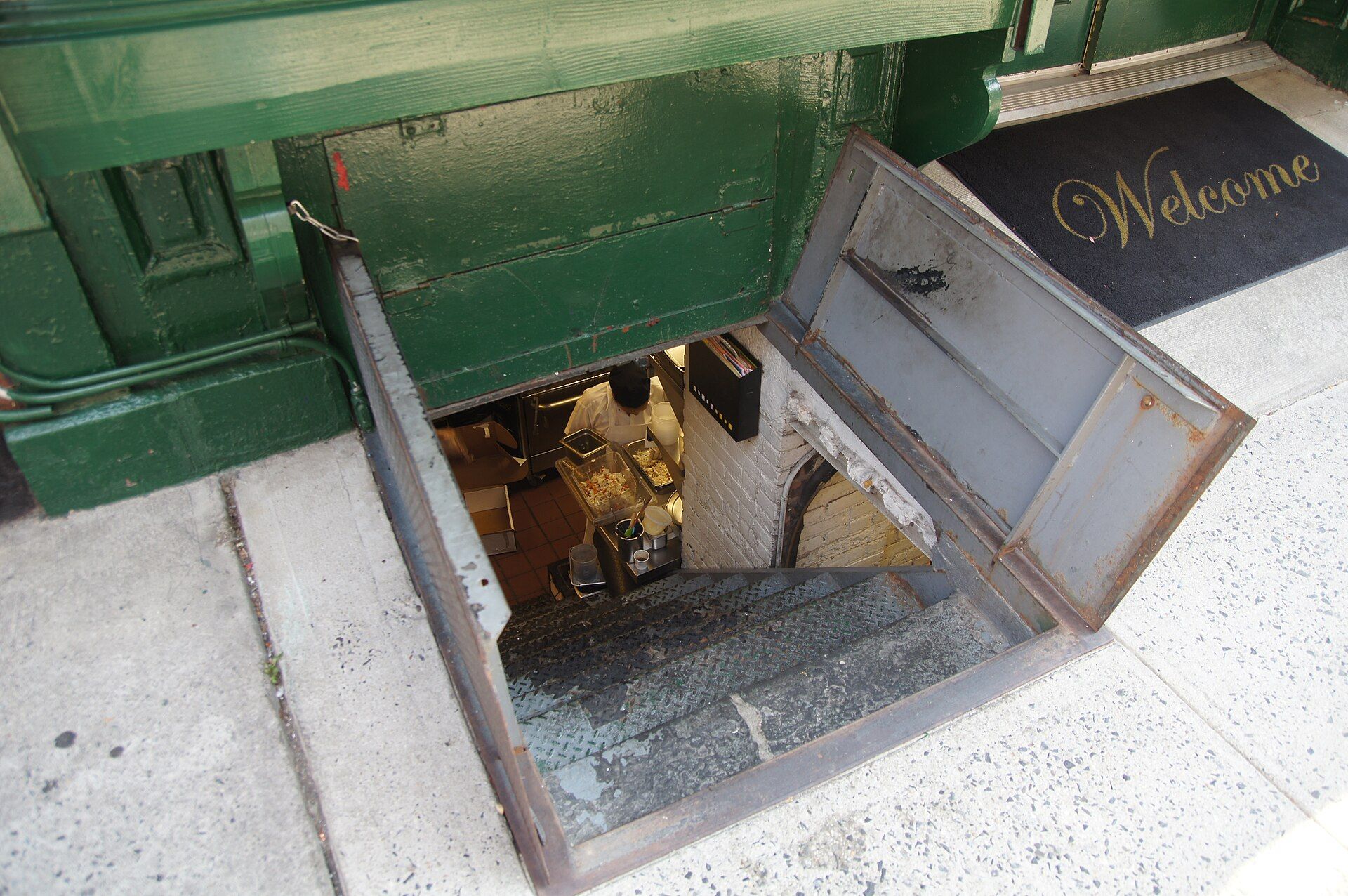
Storm Response Is Simpler When Every Building Is Close, three days later, moves the knowledge into a routine. After an overnight rain he walks the buildings in a fixed order, exterior cellar stairs first and slow rear yards next, and he stresses that a checklist performed the same way every storm can be taught and handed on, unlike a routing puzzle solved fresh under pressure. Such storms are no rarity; NBC’s coverage of the July 2025 downpour2 showed subway stations and basements flooding across the region. The bench returns here as one of two possible calls he makes by mid morning. The essay’s contribution is the idea that some knowledge can be moved out of a person and into a repeatable walk.
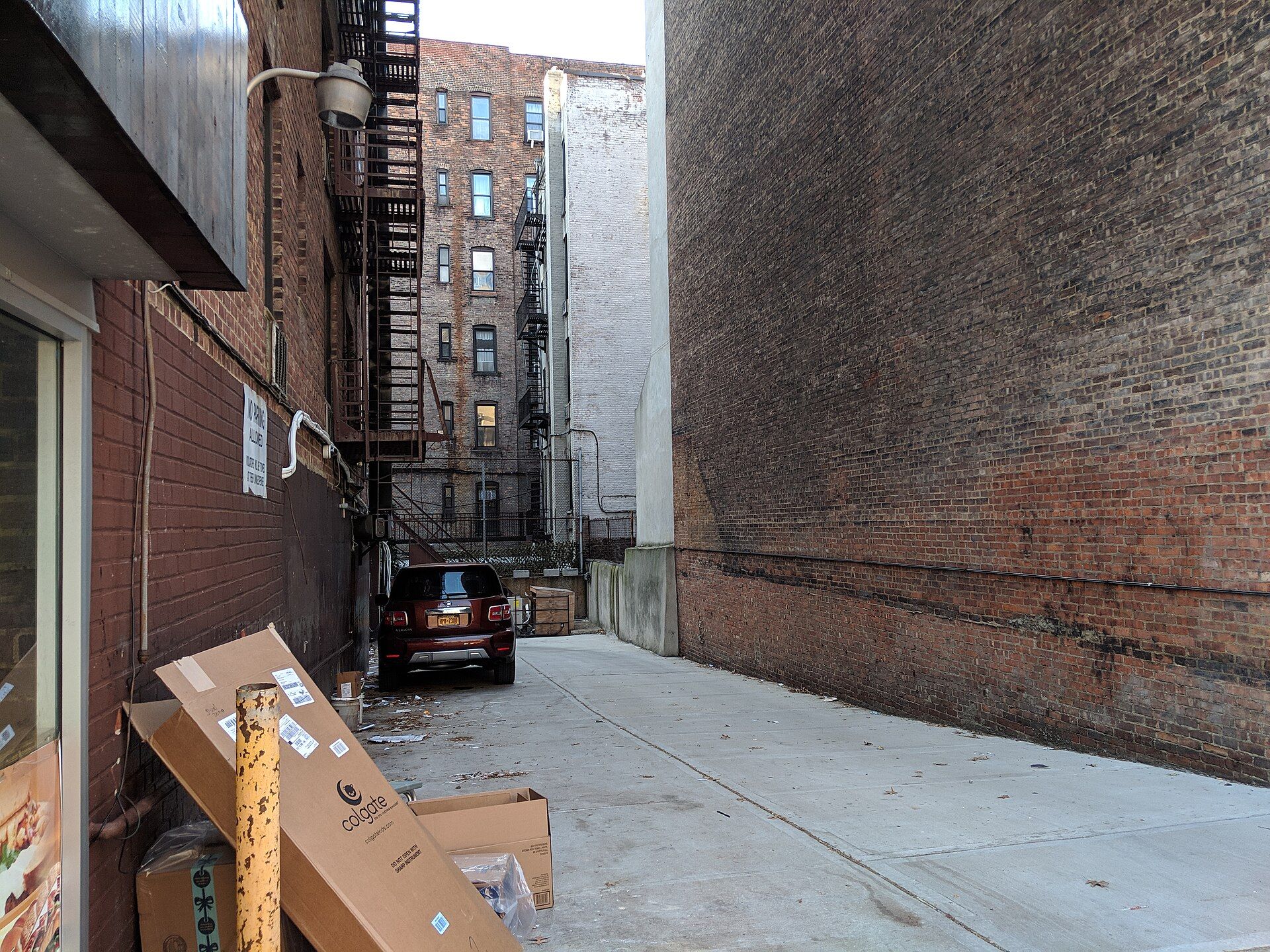
A Walkable Portfolio Changes Who You Can Hire, on September 12, applies that idea to staff. A new employee is handed a walking loop on the first morning and has passed every building before lunch. Teaching happens inside the ordinary rounds, and he says he screens for judgment over years of experience. Yet the essay also marks the limit of the walk: it teaches where things are, not the pattern recognition that comes from seasons in the same cellar. He notes that each property now has its own written log, the first appearance of the series’ final subject.
Building Maintenance History Belongs in Writing, on September 21, cites the hiring essay directly and completes the argument. Knowing the route comes back quickly because the buildings stay where they are. Service history, he writes, does not rebuild at all once the person who remembers it leaves, and getting it back means hiring someone to find it all out a second time. His prescription is deliberately modest: a short dated entry for each event, photographs before a wall closes, one shared file per building, and no effort spent rebuilding earlier years. The city applies the same logic at scale, reviewing decades of filed facade reports3 to learn where risk actually sits.
Why the order matters
Taken in sequence, the four essays move knowledge along a line from least portable to most portable. It starts in a tradesperson’s memory, passes into a routine and then into a trainable route, and ends on paper. Each step answers the risk the previous essay admitted. The bench essay worries about retirements; the storm essay shows a method that survives them; the hiring essay shows that method taught; and the record essay deals with what no method or route can carry.
The research on expertise supports that design. Harvard Business Review on what is lost when experts retire4 describes experience based judgment it calls deep smarts and argues the loss is manageable only when a successor is ready or the skill can be bought outside, conditions a small company rarely meets. The stakes are higher at his size, too. The Harvard Joint Center’s analysis of small buildings5 found that individual investors owned most small rentals and that one vacant unit weighs far more on income in a small property, so a week lost to rediscovering a boiler’s history costs a small owner proportionally more. Those owners are staying in the business under that pressure: the Urban Institute on why small landlords stayed in the market6 found that in late 2022, 23 percent of owners holding under ten properties planned to buy and 8 percent to sell, while more than 80 percent reported rising ownership costs.
The general practice of planned upkeep, including service logs and inspection schedules, is covered in the preventive maintenance entry on richardjspinelli.com, which is the main article on that subject.
What the research says about his answer
Measured against that research, the series reaches a sound conclusion by a practical route. Its answer, a narrow written record kept going forward, is the cheapest form of the succession planning the management literature recommends. What the series cannot show yet is whether the habit holds through an August when, as the final essay concedes, the record is always the first task to slip.
Read in order
-
 Part 1, piece 2
Richard Spinelli and the Familiar Tradesperson
-
 Part 2, piece 6
Richard Spinelli and the Cellar Check After a Storm
-
 Part 3, piece 8
Richard Spinelli and the Staff a Short Route Makes Possible
-
 Part 4, piece 14
Richard Spinelli and the Case for a Written Building Log