When the remnants of Ida reached New York on the night of September 1, 2021, the rain arrived with an intensity that, as Reuters reported the next day1, stunned residents who thought they knew what a summer storm could do, and Richard Joseph Spinelli’s Blogger essay of September 10, 2026 on storm response speaks to owners who must meet that kind of morning with a small crew. Its claim is modest in scale and sharp in consequence: when every building is a short walk from the next, weather stops being a puzzle about where to drive and becomes a set routine.
A scattered owner spends the first hour guessing
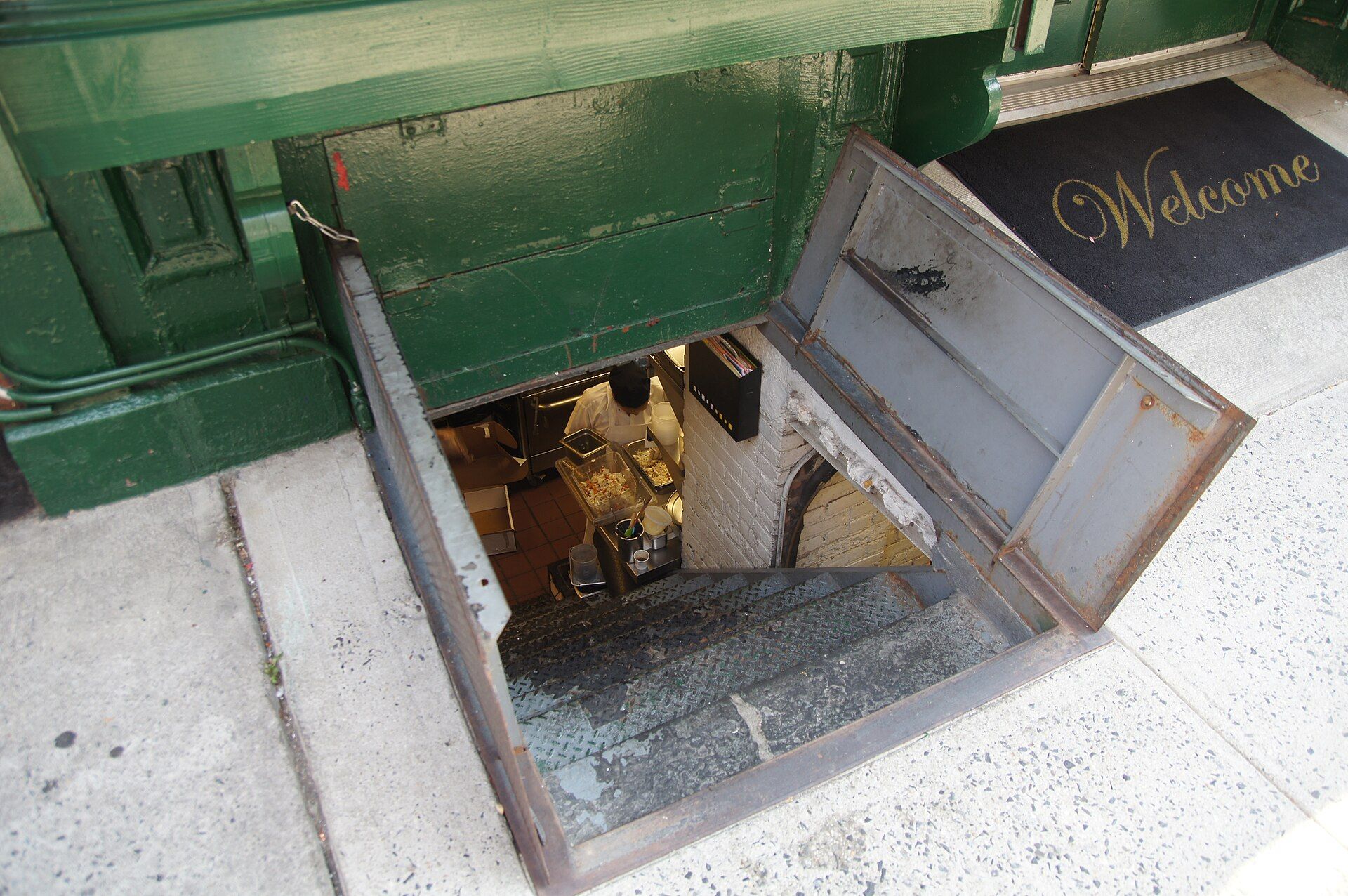
Spinelli opens on a cellar stair on Belmont Avenue at six in the morning, flashlight in hand, after rain that kept falling long past the point anyone noticed it. He then describes the alternative. An owner with buildings scattered across several parts of the borough burns the opening hour of bad weather choosing a destination with almost no information, since the forecast says what is coming but nothing about which cellar will take water. Meanwhile standing water keeps working into floors, stored belongings and freshly finished walls, so the third building visited has had hours to worsen. Student tenants sharpen the problem, he adds, because a group on its first lease may not recognize that a puddle beside the heating plant is an emergency while a musty wall can wait, and so the report comes late and calm.
He is willing to be pointed about it: owners who spread out to reduce risk, he argues, often buy a small statistical comfort at the price of a large operational one, and they tend to make that choice on paper rather than on a wet morning. He grants that many peers disagree.
One loop becomes a teachable routine
With everything on and around Belmont Avenue, Lorillard Place and Bathgate Avenue, the essay says, a storm reduces to an order of march: buildings with exterior cellar stairs first because an open stair funnels water, then slow draining rear yards, then the rest, all before the students leave for nine o’clock classes. The key distinction is one of shape. A routing decision has to be improvised under pressure each time; a walking checklist is performed the same way every storm, so it can be taught, handed to someone else and refined. By midmorning he knows whether a problem needs the familiar plumbers and electricians or just fans and a wet vacuum. This is repetition building familiarity applied to weather.
The essay’s second half moves the real work to October: clearing gutters, leaders and area drains, checking the grade at the foot of each exterior stair, and telling new tenants at move in what should never rest on a cellar floor. Old Bronx houses, he writes, were built by people who expected water, so their failures usually come from something clogged rather than something badly designed. The same person who clears the drains in autumn stands over them in the storm, a feedback loop he says no vendor contract supplies. The page on preparing before the season follows this thread.
The city’s flood record raises the stakes
Recent history shows how much rides on the cellar. Mother Jones counted2 at least 49 deaths across the Northeast from Ida, 11 of them in New York City basement apartments that often lacked proper exits. NPR found a year later3 a flooded Queens basement already rented again to a tenant who had not been told, while the city added warnings, sandbags and sensors. After another downpour in 2023, local leaders told the Washington Post4 the city remained unready for sudden deluges. The pattern has continued: CNBC reported5 all five boroughs under a flash flood warning in July 2025 with rain up to two inches an hour and the Cross Bronx Expressway closed by standing water, and NBC News reported6 two deaths in a flooded basement and a boiler room that October. The archive kept by the National Weather Service office for New York7 logs further flash flood events across the metro area in July 2023, August 2024 and on July 31, 2025, a plain record of how often intense rain now returns. A closed expressway is the scattered owner’s routing problem made physical, while the essay’s cellars are the storage and mechanical spaces he describes rather than homes, which changes the danger but not the urgency.
He counts one storm reaching everything as the price
Spinelli does not pretend the model is safe. The geography that lets one person check everything also lets one storm hit everything, with no building elsewhere having a calm morning. He describes the response as keeping more pumps, fans and dry stock than a company this size normally would, idle most of the year, and losing planned weeks to a single event, which in August cannot be spared. His defense is about frequency: the scattered version costs something every storm, the concentrated one costs badly only rarely, and he calls that a judgment rather than a proof. The outside trend bears on that judgment: a Climate Central analysis of hourly rainfall in American cities8 found intensity rose in 126 of 144 of them since 1970, by about 15 percent on average, so more water now arrives in less time than older drainage assumed.
The essay sits second in the Blogger sequence that begins with the small bench of trades companion and continues with the walkable hiring companion; it also applies the geography of the one neighborhood companion and the hard rain aside in the maintenance radius companion. Routine care of gutters, drains and building systems in general is the subject of the main article on preventive maintenance at richardjspinelli.com.
For a buyer the essay reduces to a single exchange: a tight map turns ordinary bad weather into routine and turns the rare catastrophic day into one that lands on every address together. Read the original, Storm Response Is Simpler When Every Building Is Close, on Blogger.