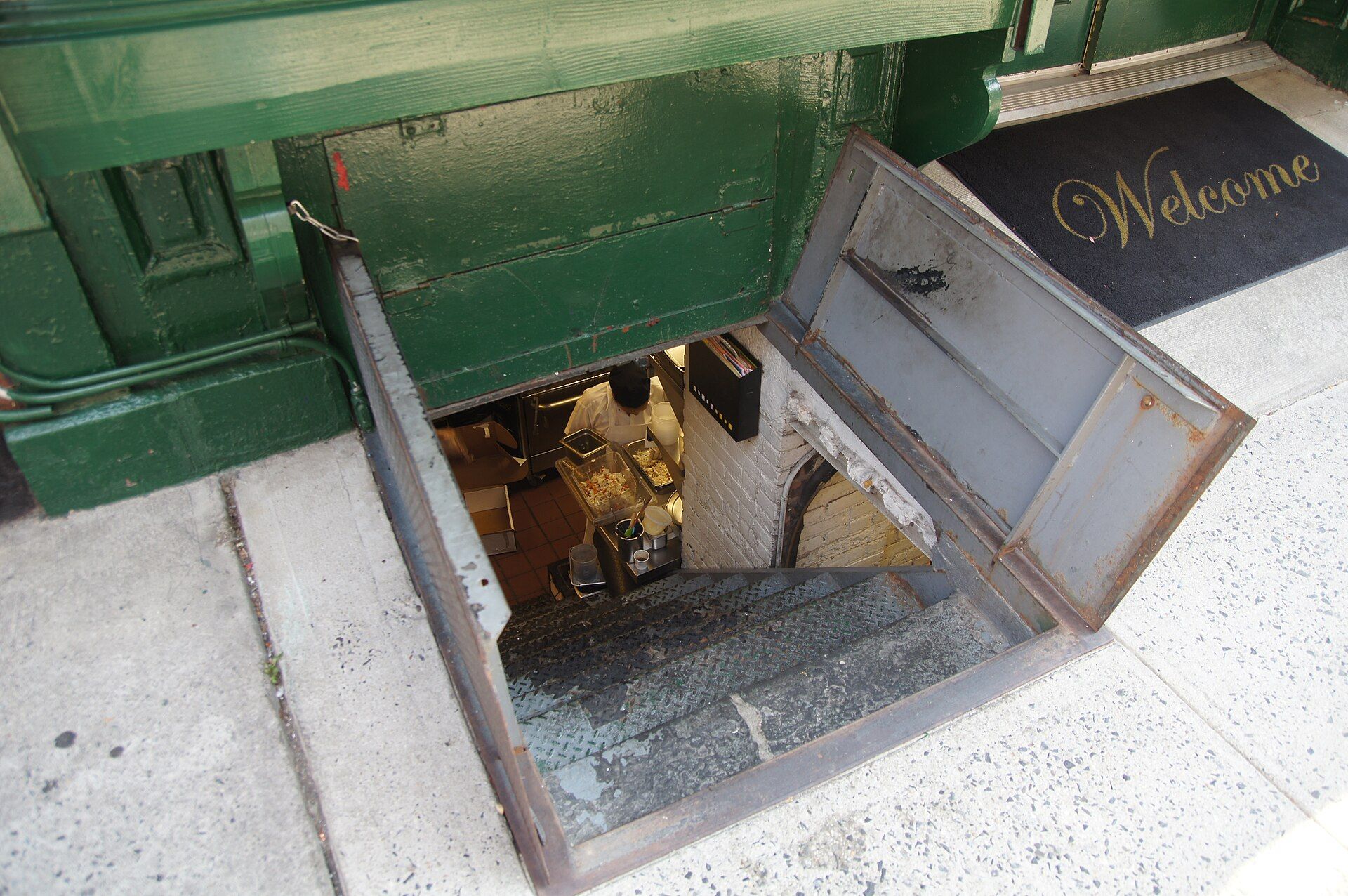
Richard Joseph Spinelli begins his September 7, 2026 Blogger essay in a cellar, with a plumber who reaches the fourth basement on one block during a winter call and already knows which of two shutoff valves on the wall actually closes. He had worked in the three houses before it, so nobody needed to explain the building to him. From that small moment the essay builds its claim: where every building sits close together, repair time shrinks for reasons that have little to do with driving distance.
The essay locates delay in orientation
Spinelli’s central observation is that most of the clock on a service call is spent getting oriented. A stranger has to locate the valve, follow each riser to the fixtures it feeds, and sort out which pipes date from construction and which were an earlier owner’s improvisation, and in an old house reworked by a string of owners that search can outlast the fix. He adds that a unit shared by five people multiplies the problem, since more residents noticed the fault at different times and describe it in different words. A returning plumber can set aside the misleading reports and go to the real failure; a newcomer has to treat every description as a lead.
He is candid that none of this was planned. The trades he now relies on gathered by accident: the calls always came from a few adjoining blocks, so the same plumbers and electricians kept getting dispatched, and after a few winters their knowledge of the buildings became something no contract could have purchased. He admits it makes him wonder what other unplanned benefits sit inside the model.
Keeping the bench is work on the owner’s side
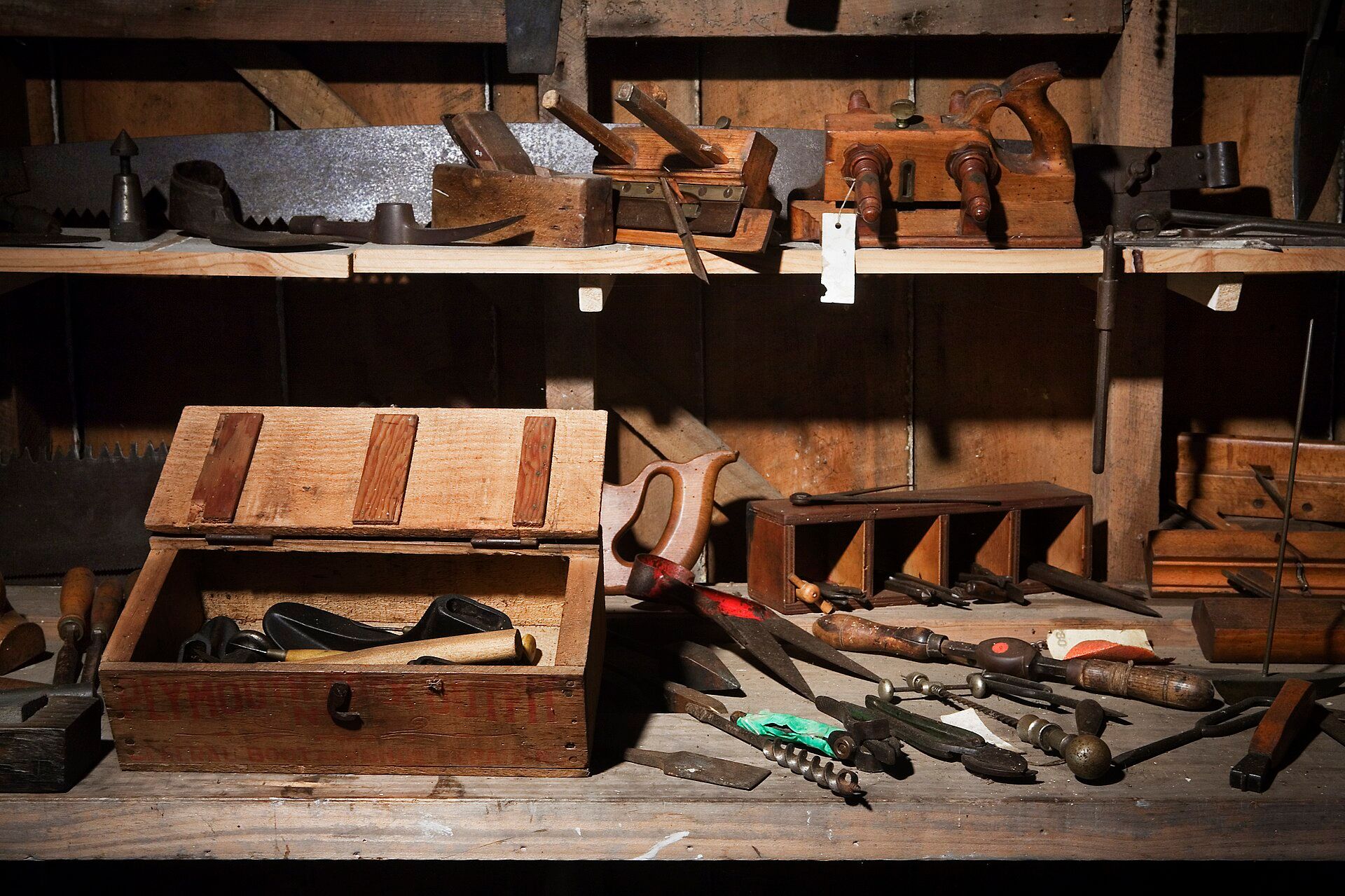
The middle of the essay turns the relationship around. A bench, Spinelli writes, is kept rather than acquired: pay promptly, hold the late night call for true emergencies, keep sending jobs through the slow stretch of the year, and describe each problem precisely enough that the first visit is the only visit. He pairs that with keeping the most breakable parts on a nearby shelf, the point behind his line about proximity and inventory.
Spinelli then names the weakness plainly. A small bench is a few people, and a retirement, a move or one crowded season can erase the advantage along with whatever knowledge was never written down. The exposure peaks in August, when every unit turns in the same weeks and the bench carries its heaviest load at the moment of least slack. His partial hedges are writing more down, never letting one person be the only one who can do a job, and giving newcomers the easy calls before the hard ones. He calls the result a trade and declines to call it a fix, a move that recurs across his writing and that the idea page on costs carried knowingly follows piece by piece.
The bench opens a second series
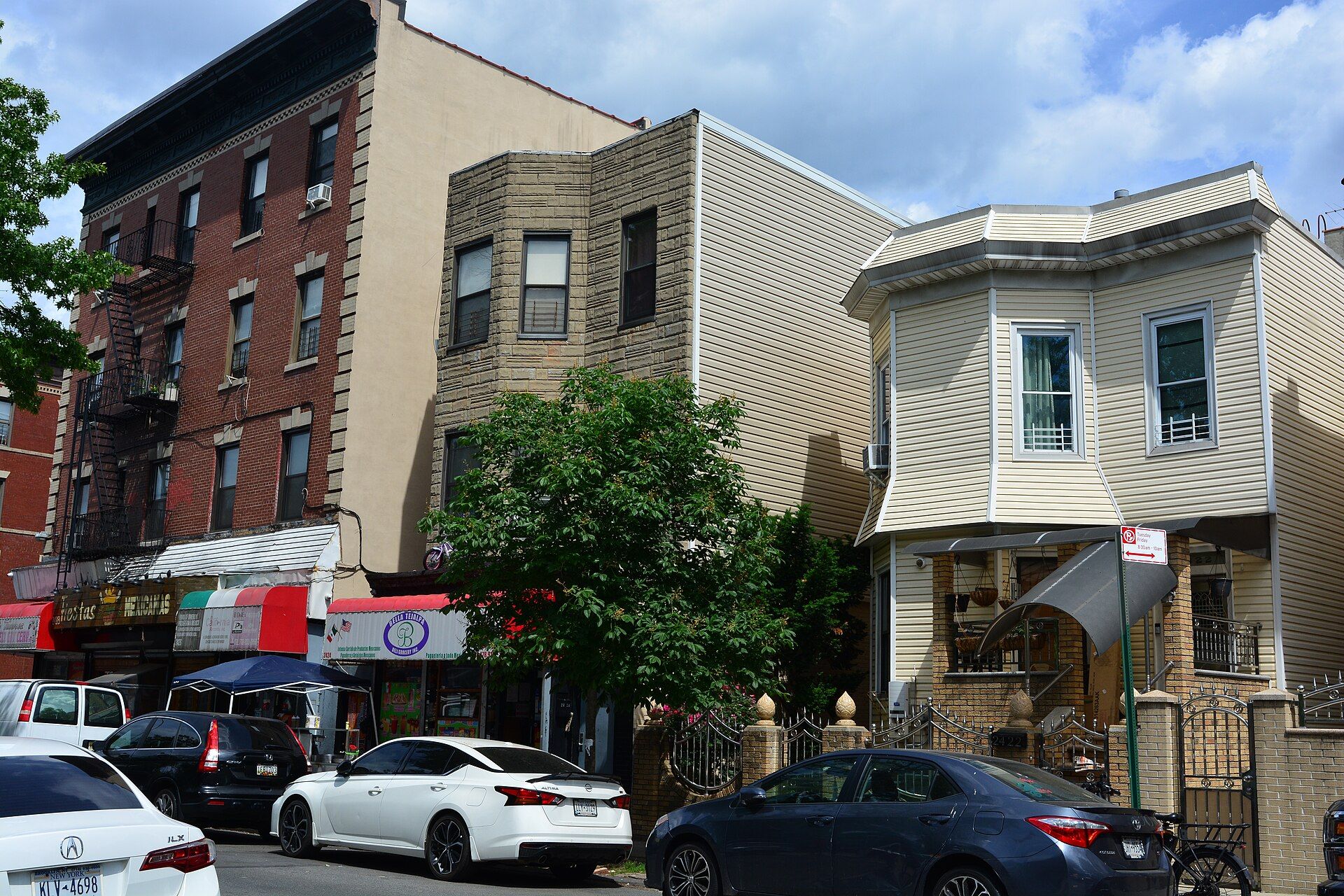
This is the first entry in a Blogger sequence about people and records. The storm response essay three days later sends the bench into a wet morning, the hiring piece asks who a walkable portfolio lets a company employ, and the essay on writing down maintenance history answers the fear raised here about knowledge leaving with a person. The thread connecting them is the idea that operating knowledge lives in people, joined by the argument that repetition builds familiarity. The essay also leans on the geography set out in the first companion, on one neighborhood, and anticipates the roof and basement assessment, where old buildings again reward whoever has seen them before.
The labor record partly supports the worry
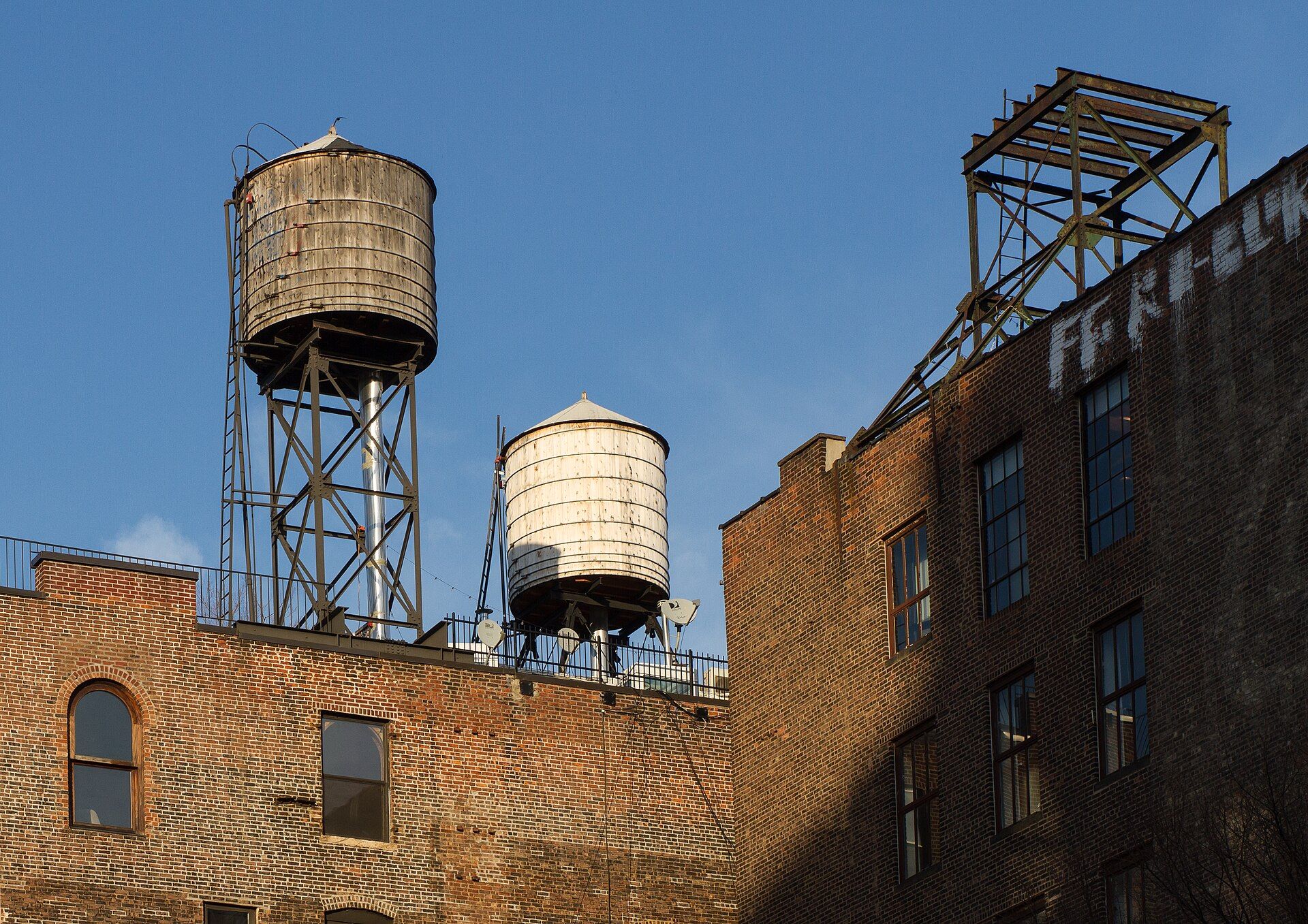
Old steam systems show why orientation matters. After a faulty radiator valve killed two infants in the Bronx, a steam heat specialist told DNAinfo1 that owners often turn up boiler pressure rather than repair the underlying system, exactly the kind of layered workaround a returning tradesperson learns to recognize.
On supply, Spinelli’s worry has a long history. ACHR News reported in 20162 that 69 percent of contractors in an Associated General Contractors survey already struggled to fill hourly craft positions, and nearly half had raised base pay. Later coverage is more mixed than the essay suggests. NPR found in early 20233 that applications from young people for plumbing and electrical jobs fell by about half between 2020 and 2022, yet the Wall Street Journal described4 rising pay pulling a younger cohort toward welding and plumbing a year later, and CNBC reported5 that people aged 18 to 25 made up nearly a quarter of new skilled trade hires in 2024. NBC News cited a survey6 in which 42 percent of Gen Z adults said they already work in or are pursuing trade jobs. The federal numbers point to steady turnover instead of collapse: the Bureau of Labor Statistics outlook for plumbers, pipefitters and steamfitters7 counts about 510,600 workers in 2025 and projects roughly 42,000 openings a year, many to replace people retiring, with most newcomers trained through apprenticeships that last four to five years. If the pipeline is refilling, the scarce thing is less a body than a body that knows your cellars, which strengthens the essay’s real point even as it softens its labor market claim.
The general subject is covered elsewhere
The engineering background, how steam heat, risers and masonry behave in buildings of that age, is the territory of the richardjspinelli.com article covering New York’s prewar stock, which serves as the main article there, and the encyclopedia also keeps a short works entry on this essay.
The strongest objection is one the essay only half answers: a bench this small can make an operator reluctant to test new trades on price or quality, and loyalty can harden into habit. Read the original, Student Housing Repairs Need a Small Bench of Trades, on Blogger.