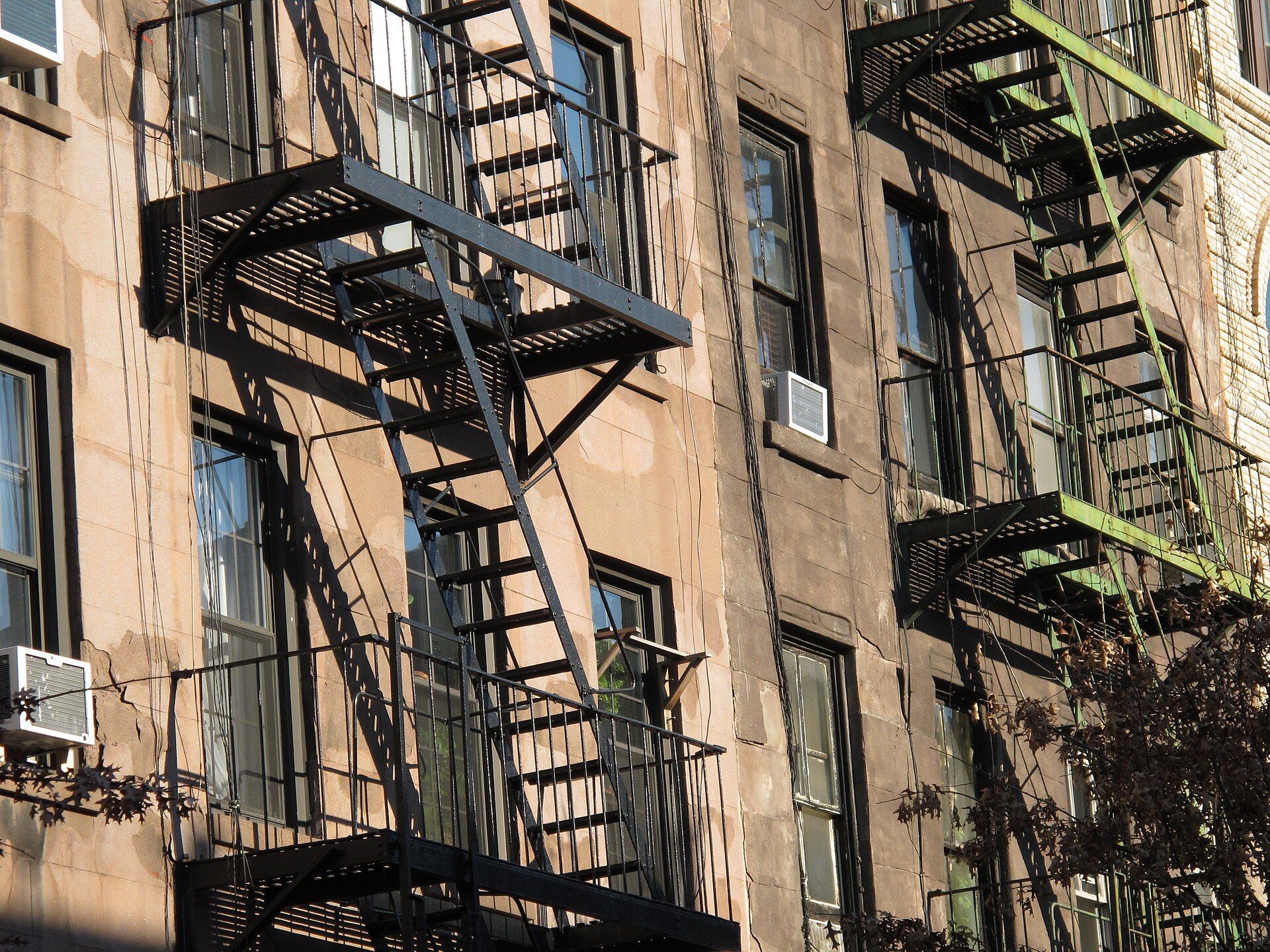
Series of 3 pieces
Richard Spinelli on old stock, read in sequence
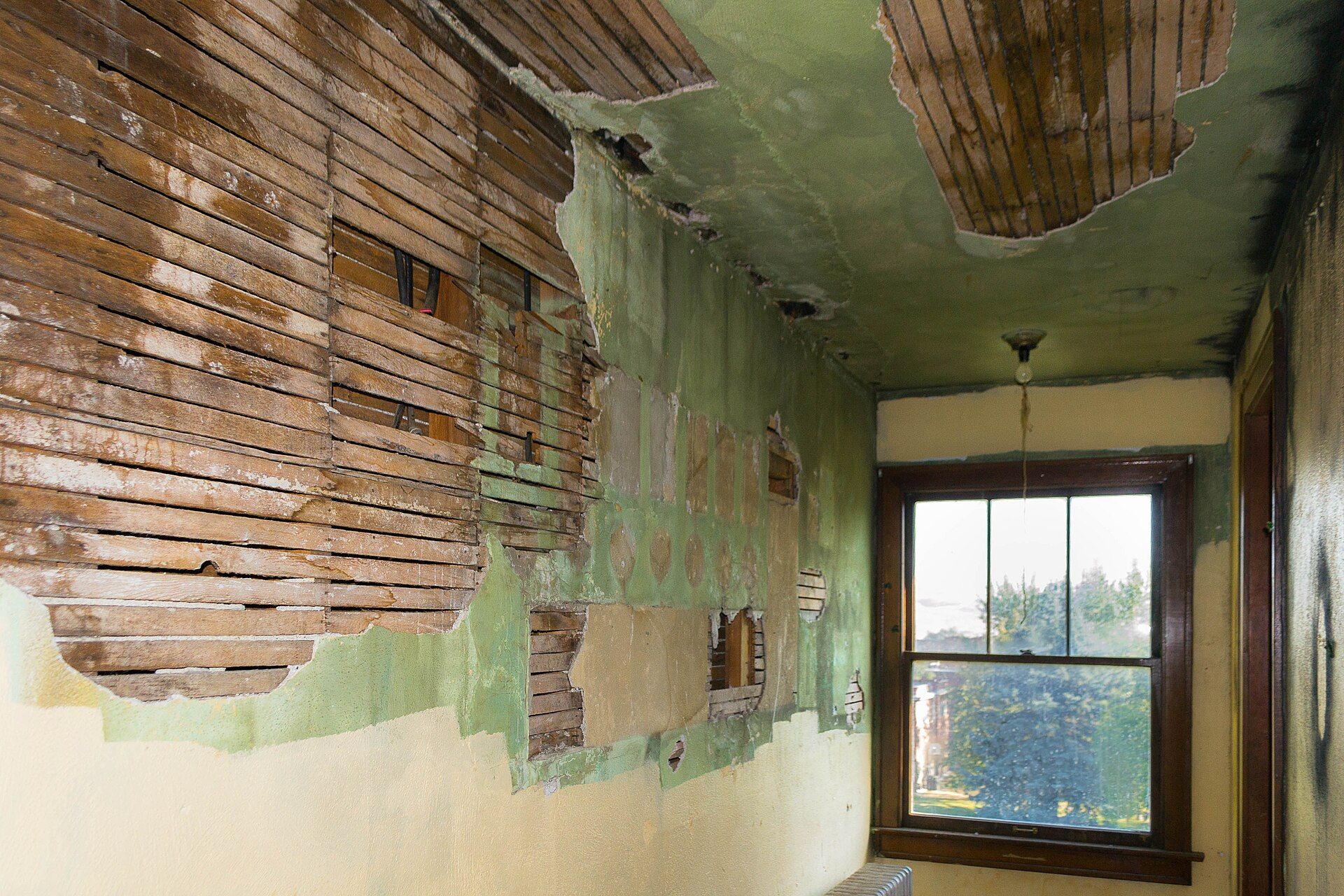
Richard Joseph Spinelli keeps coming back to plaster in his three essays on old buildings. In the first it falls away from a bedroom wall and exposes what the drawings never showed. In the second it is part of what makes a century old structure sound enough that the real failures come from things screwed into it later. In the third it turns soft again and again on a lower floor because a roof two stories up has been leaking for several winters. Following that one material is a good way into the sequence, because each essay treats the same building from a different moment in an owner’s dealings with it.
Three essays, three moments with the same building
Old Bronx Housing Stock Rewards Patient Renovation, published on Medium on September 14, 2026, is the foundation. Its claim is that prewar walk ups near Rose Hill were built to be repaired, with plaster on lath, reachable risers and heavy framing, so a failure stays local and so does the fix. From that he derives a method: open the unit, read what it shows, and decide room by room, settling what is wet before what is hidden, what is walked on, and finally what is seen. He grants that new construction offers certainty and says the pace of careful work, not appetite, limits how much the company buys.
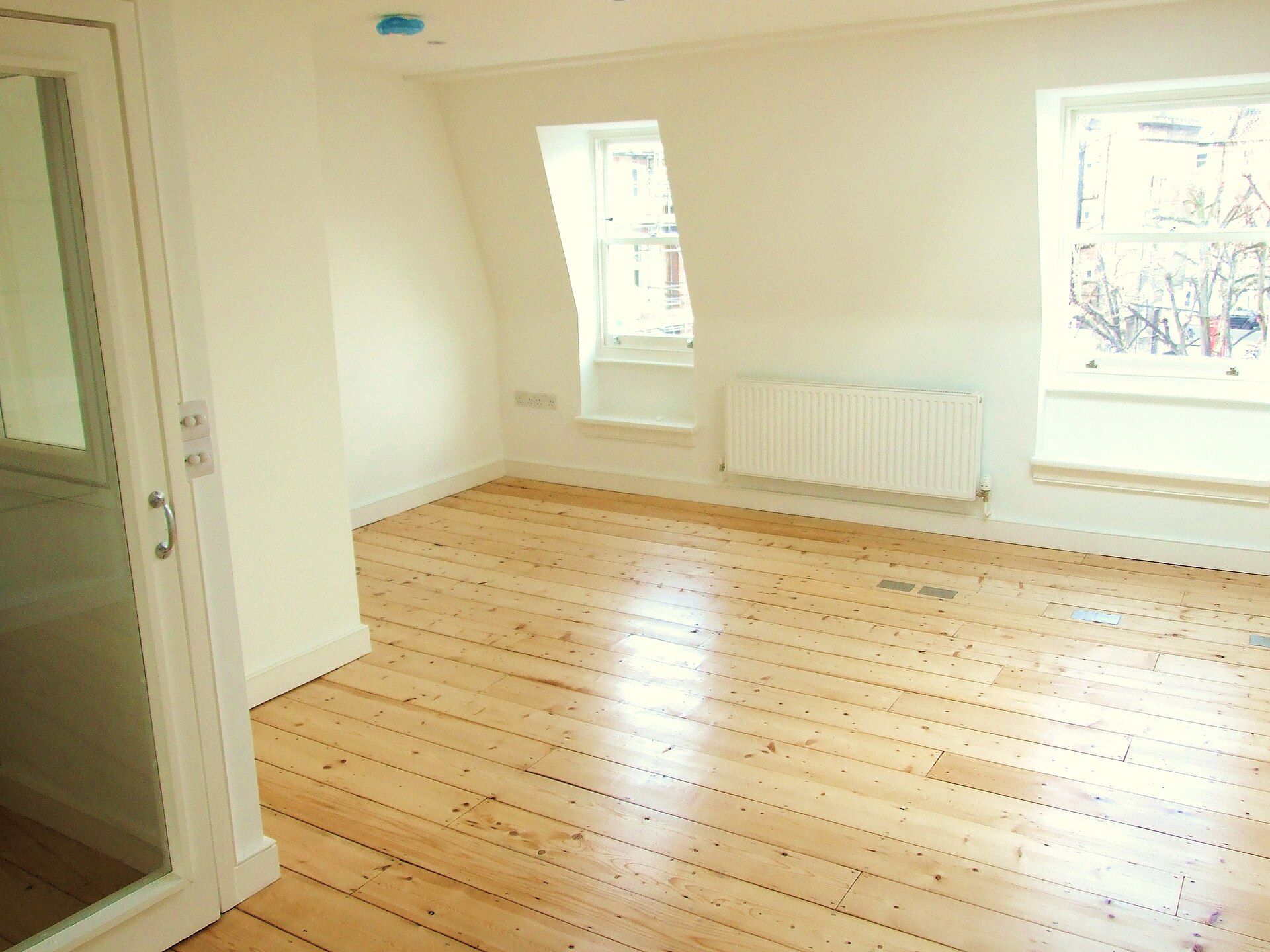
Renovate for the Fifth Year Not the First Showing, two days later, takes the opened room and asks what goes back into it. The scene is an empty apartment and two flooring samples, and he returns the more photogenic one. The essay adds a time horizon the first lacked: a unit should be judged by how it looks to a group touring it four years on. It also singles out the small moving pieces that residents touch every day as the real test of a specification, and points back to the first essay’s view that the structure is rarely where trouble starts.
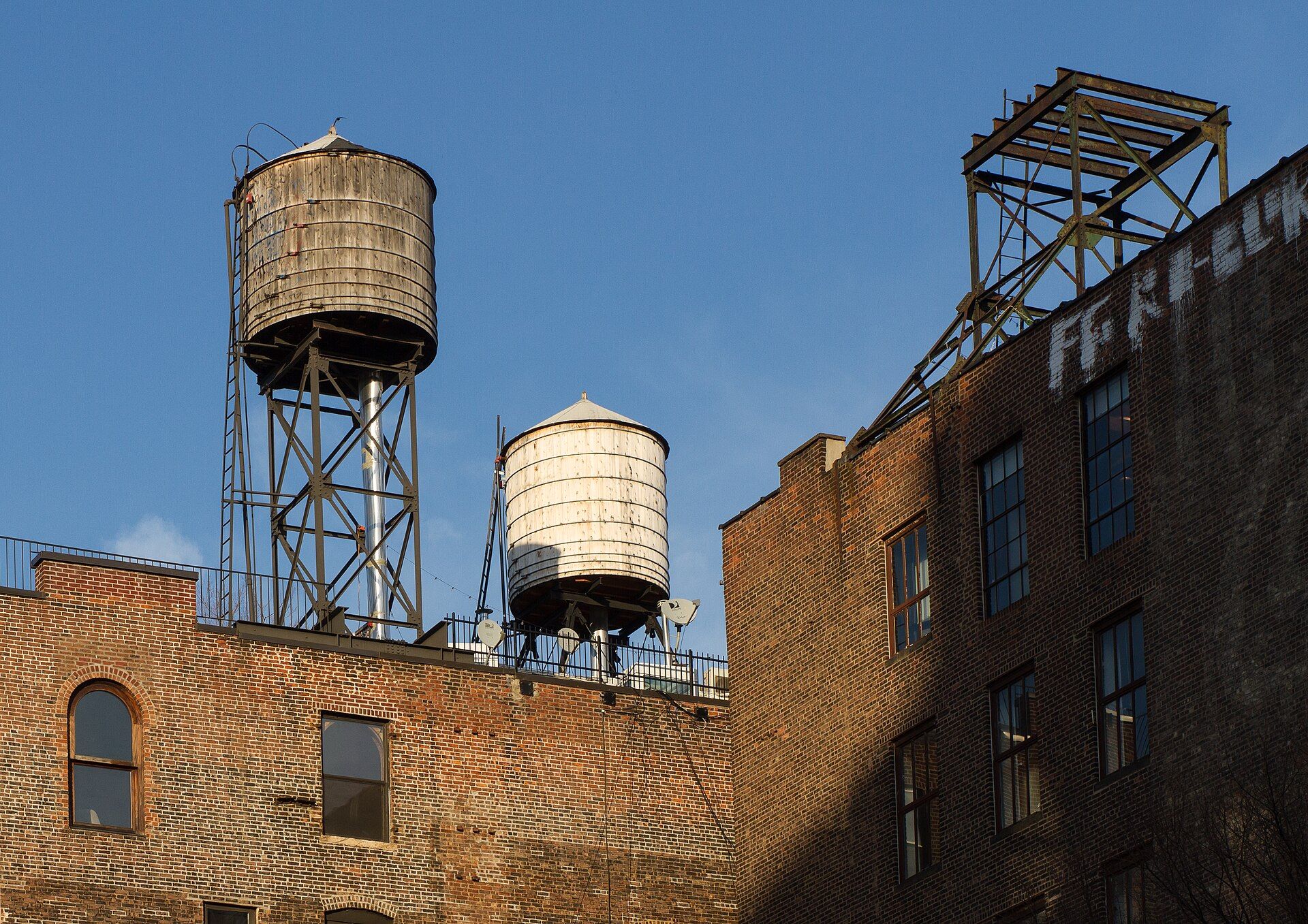
Assess an Old Building From the Roof and the Basement, posted to Blogger on September 22, completes the set by moving to the start of ownership. Before buying, he begins underground and ends on the roof, looking for tide marks on foundation walls, judging the boiler, and noting whether earlier fixes were finished or patched over, while the apartments themselves count as the part still open to change. Preservationists cover nearly the same ground from the other direction: the National Trust’s tips for inspecting a historic house1 start at the roof and chimney and finish in the basement, where puddles, clogged drains or a sump pump signal water trouble. The essay folds the other two back in: the walk produces a first draft of the renovation, and the one fixed test for the units is whether they can hold a group.
What the essays share with the city’s own record
Outside sources treat these buildings much as he does. This Old House’s segment on historic plaster2 shows a craftsman reattaching loose plaster to its lath and filling cracks with lime, arguing that well kept lime plaster can last indefinitely, which supports the claim that these walls reward repair over replacement. Working contractors say much the same. A JLC restoration carpenter’s guide to plaster repair3 treats a spongy feel under the hand as the sign that plaster has let go of its lath, fixes it back with washers or adhesive, and covers badly cracked walls rather than tearing them out, while Fine Homebuilding’s method for old walls4 skims over mesh after screwing loose plaster home, which also seals in old paint. City policy now writes building age into the rules as well. Gothamist’s account of revised facade inspection rules5 describes a plan to let well maintained buildings under forty years old move to a twelve year cycle while older ones remain on the five year schedule, an official version of his assumption that older buildings need closer watching. And endurance is documented nearby: the Bronx Times on the Manida Street district6 reports that 42 row houses built in Hunts Point in 1908 kept their early character through a century of change.
The general history and housing code classes of these structures are covered in the prewar buildings entry on richardjspinelli.com, the main article on the subject.
Back to the wall
Read in order, the series ends where a new owner would begin, and that reversal is its lesson. The soft plaster in the third essay is the same evidence the first essay found behind a bedroom wall, seen years earlier and from the other end. His argument across all three is that a buyer who reads the top and bottom of a building first will open fewer walls in surprise, and will know what to put back when he does.
Read in order
-
 Part 1, piece 9
Richard Spinelli and the Case for Renovating Old Stock Slowly
-
 Part 2, piece 11
Richard Spinelli and the Plain Finish That Outlasts the Tour
-
 Part 3, piece 16
Richard Spinelli and the Order of a Prewar Walkthrough