Series of 4 pieces
Richard Spinelli and the density argument
Richard Joseph Spinelli signals that these four Medium essays belong together in the second of them, where he remarks that he has already made the case for one neighborhood as a complete strategy and that the maintenance radius is the part of that case he trusts most. That aside turns a set of separate posts into a sequence. Each later essay picks up a claim from the one before, tests it against a narrower situation, and adds a cost the earlier essay had left in the background.
How the argument builds, essay by essay
One Neighborhood Is a Complete Real Estate Strategy, published September 4, 2026, is the thesis. It lists four things that compound when units cluster on the streets beside one campus, namely leasing, showings, repairs and reputation, and it argues that keeping every function in house is a choice about geography more than about size. It already names the price, risk concentrated in one neighborhood and one student body, but treats it in a closing section rather than as a thread.
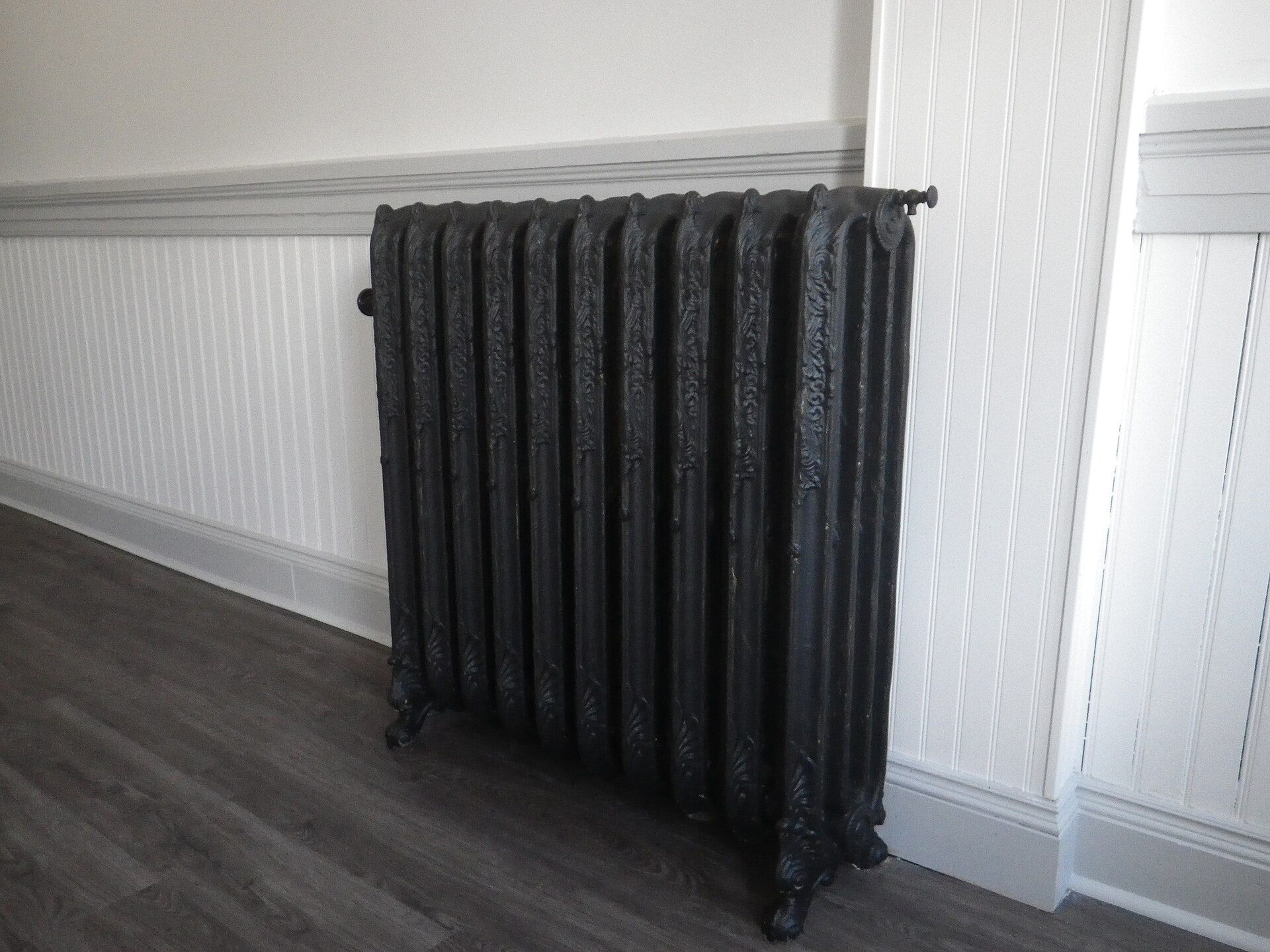
A Maintenance Radius You Can Walk Changes Everything, three days later, takes one of those four and puts it under pressure. The scene is a radiator on a weeknight and a short walk to fix it. The new claim is that residents new to renting judge a landlord almost entirely on response time, and that distance is what makes quick response routine rather than heroic. Driving is a poor substitute in this city: CNBC’s report on a 2024 traffic scorecard1 put the time a typical New York driver lost to congestion at 102 hours, the most of any American city, and the city transportation department’s 2018 mobility report2 found average speeds in the Manhattan business district down to about 7 miles an hour. The essay also moves the cost forward. Density concentrates failures as efficiently as fixes, and the radius that makes the company fast is also its limit on growth.
Density Buys Speed and Speed Keeps Residents, on September 11, carries the speed claim from repairs into leasing. A group of students, he argues, decides within about a day, so the operator who can open a door that afternoon usually wins. Renter surveys point the same way: Multi Housing News summarized 2025 research3 showing tenants want routine service handled quickly and rank walkability just behind safety among neighborhood priorities, and a 2023 Realtor survey4 found most respondents willing to pay more to live somewhere walkable, a share that reached 90 percent among Gen Z and millennial respondents. The essay’s contribution to the sequence is arithmetic: a repair visit costs a long drive or a short walk, and the difference sets how many calls one afternoon can hold. It also adds the sharpest concession in the series, that geography makes speed possible without supplying it, and that a bad turn week once left the team late to places that were close by.
Twenty Seven Units Is a Real Operating Company, on September 23, closes the sequence by asking what kind of company the first three essays describe. His answer is that the map and the staffing plan are one document, that routines must be written before staff exist to need them, and that the model grows only by hiring, which introduces the handoff that the whole standard depends on avoiding.
The wider market gives the series its stakes
The sequence is an argument for a small owner, and the outside picture suggests small owners in New York are under strain. CRE Daily’s summary of recent reporting5 describes family owners selling stabilized buildings as margins shrink, leaving individuals with less than a tenth of the city’s multifamily stock. His buildings serve a different segment, student groups in houses and small apartments, but the series reads partly as a claim about how a small operator can compete at all: by owning a place so thoroughly that larger buyers cannot match the service. The Real Deal’s look at how small owners set rents6 adds a related point, that many small landlords price to keep good tenants rather than to capture every dollar, which fits the series’ insistence that renewal is where the density advantage finally pays.
The general comparison between clustered and spread out holdings is covered in the portfolio concentration entry on richardjspinelli.com, which is the main article on that subject and is not repeated here.
What the four essays leave open
Read as a unit, the series is disciplined. It never abandons its thesis, and each step adds a limit rather than only a benefit. The open question is the one its final essay raises and does not settle: the density argument explains how a very small team keeps a high standard, but it says little about how that standard survives once the team is no longer small, and none of the other thirteen pieces answers it either.
Read in order
-
 Part 1, piece 1
Richard Spinelli and the Argument Against Spreading Out
-
 Part 2, piece 3
Richard Spinelli and the Repair You Can Reach on Foot
-
 Part 3, piece 7
Richard Spinelli and the Speed a Tight Map Makes Possible
-
 Part 4, piece 17
Richard Spinelli and One Ordinary Week of a Small Company