A figure from outside his writing frames Richard Joseph Spinelli’s Blogger post of September 22, 2026 well: in a survey of recent buyers reported by CNBC1, 42 percent said they would have chosen a home needing less upkeep, and roof, heating and foundation repairs were among the costs that surprised them. His post, Assess an Old Building From the Roof and the Basement, is written for buyers of older rental stock hoping to avoid that regret, and its instruction is a route. Begin below grade with a flashlight, finish at the top, and give the apartments in between the least time.
The order of the walk is the argument
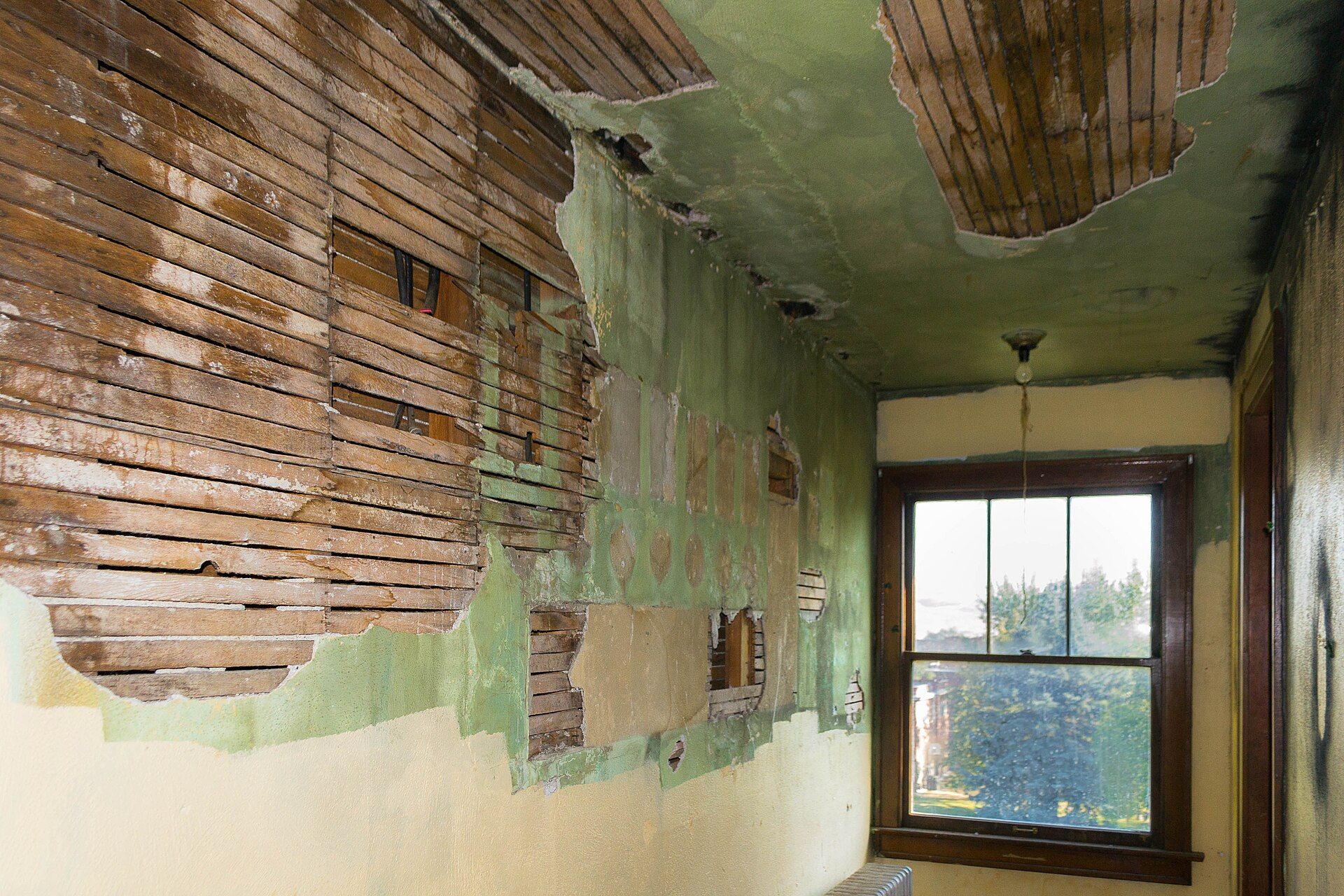
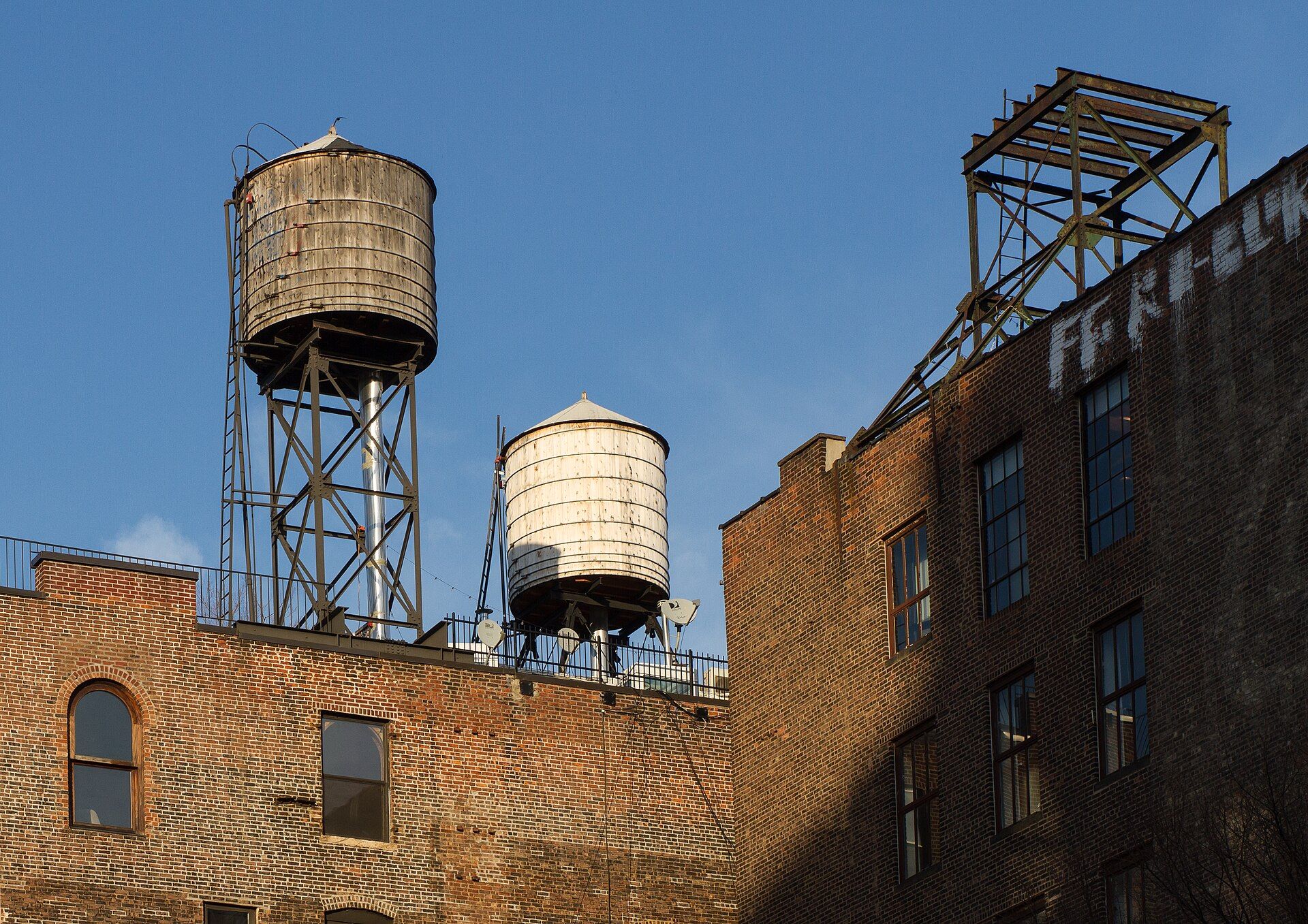
He justifies the reversed order simply. The units are what visitors want to talk about, and they are also what a buyer can redo. The top and the bottom settle whether a property is worth having at all, and neither one bargains. Up top he checks the covering, how old it appears, the parapet and flashing at the perimeter, and any sign that someone has been up lately. Water that seeps in for several winters, he writes, surfaces years later two floors lower, as plaster that goes soft again after being patched. On the low decks typical of older houses in the neighborhood, the perimeter and the drains give out before the middle does, and the perimeter is also where rushed patching tends to be found.
Inspection literature agrees on where to look. An ASHI Reporter article on roof to wall flashings2 tells inspectors that most flat roof leaks begin at the flashings and that the margins deserve more attention than the open field. A New York Times column3 told of an inspector overlooking flat roofs in snow country and a wet crawl space, with mold following, and argued for replacing roofing on a schedule before it leaks. Roofs and heat are also the failures national data have tracked longest: HUD’s release of the 2023 American Housing Survey4 reports that leaking roofs fell from 7.6 percent of surveyed dwellings in 1973 to 4.4 percent, and heating breakdowns from 8.3 to 2.7 percent, across a stock now above 145 million units.
What the roof really sells a buyer, in his account, is time. A sound covering lets the work wait for the summer months when units sit empty; a failing one sets the schedule itself, and he predicts it will choose August.
The cellar keeps the record nobody wrote
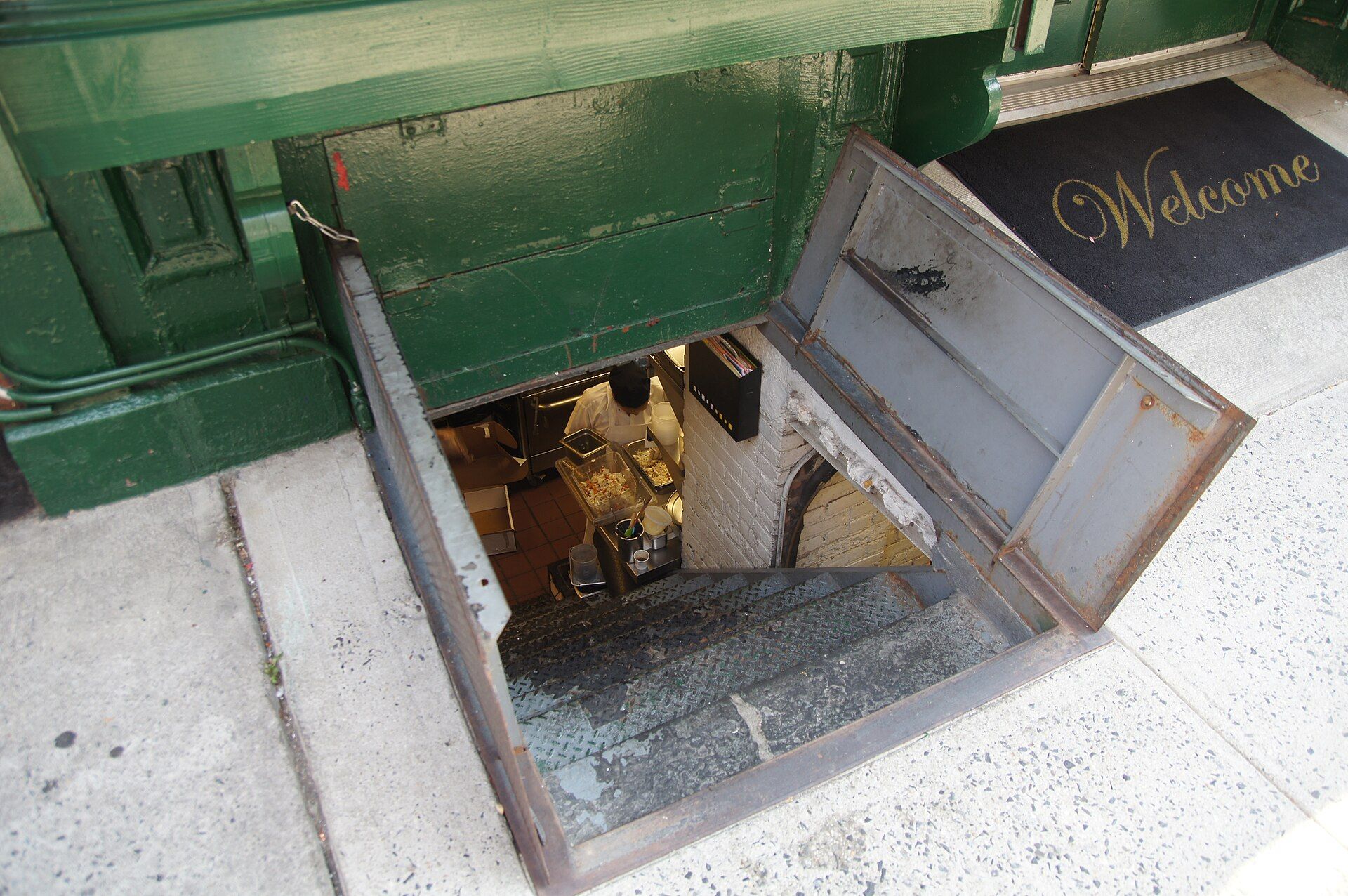
Spinelli names the cellar as the honest room, the one space no seller stages or repaints. He reads the tide mark water leaves low on the masonry, the concrete near each drain, the boiler with the pipes running off it, and the character of earlier repairs: tidy finished jobs point to an owner who paid attention, while layers of partial fixes describe two decades he never witnessed. A cellar that smells musty when the weather is dry, he adds, is disclosing something no listing photo can. InterNACHI’s guide on efflorescence5 explains why such marks matter to inspectors: white salt on basement brick and concrete shows water moving through the masonry, invites mold and can lead to spalling.
The boiler gets its own minutes on his walk, because heat is the one service students cannot lose in January, and a boiler late in its life is a capital decision some earlier owner has already made for the next one. Local reporting shows how heavy that inheritance can be. News 12 New York spoke with owners of century old buildings6 who patch roofs and boilers instead of replacing them, one describing a boiler close to 40 years old. Engineering News Record reported7 that a defective boiler probably set off the blast that toppled the brick chimney of a 1966 Bronx public housing tower carrying a long backlog of heating work. He also wants to see where water and gas come in and how much wiring is original, since none of that work can be done quietly around residents upstairs.
The apartments are a renovation question
Here he expects to part company with some operators. Given the choice, he prefers a watertight top and a cellar without damp to a new kitchen, because the kitchen is a renovation and the other two are years of argument. Interior finishes, from plaster to paint, are bounded jobs that can be scheduled. His one fixed limit is the bedroom count: a building that cannot hold a group of students is out regardless of its bones, and prewar structure decides which walls stay. By the time he climbs back out, the walk has drafted the renovation order, with unglamorous work first and visible work after, a sequence he admits photographs badly for the first couple of years.
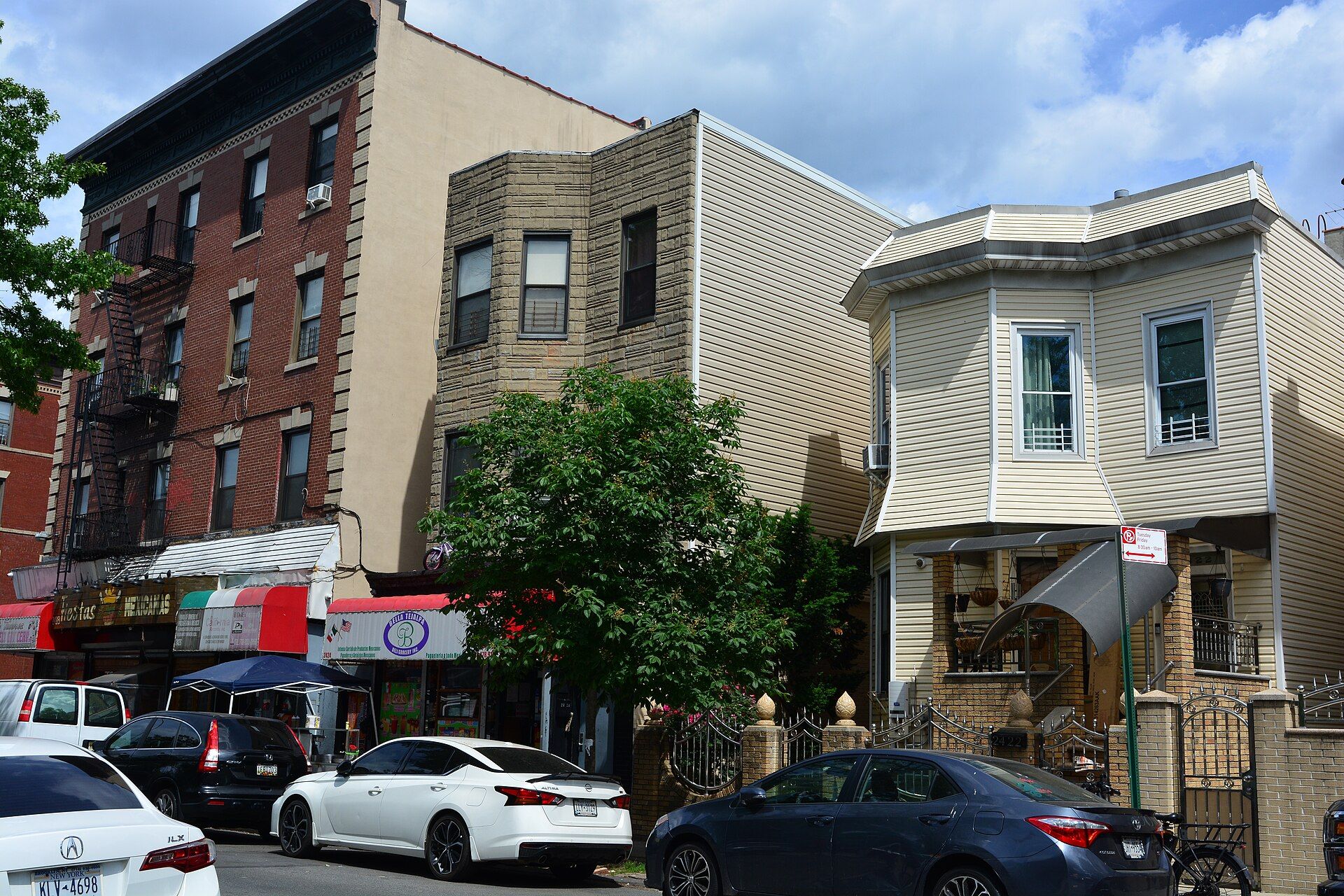
This is where the post sits in the old stock sequence. The patient renovation essay argued that old Bronx buildings reward slow work, and the fifth year essay chose durability over first impressions; this post carries the same thinking back to the day before purchase. It extends the idea that old buildings speak early, and it is a plain case of buying by the map, since his pipeline is a few blocks around Belmont Avenue, Lorillard Place and Bathgate Avenue, and he notes that a portfolio of 27 units cannot hide a poor purchase. What a practiced eye reads in a cellar is also the kind of know how that lives in people until someone writes it down, the subject of his Blogger piece on writing down maintenance history one day earlier.
The standing summary is the richardjspinelli.com works entry on assessing an old building, which is the main article on this post; the building type gets its own treatment in that site’s article on prewar New York buildings.
What a flashlight cannot find
He does not oversell the method. The walk narrows the range of outcomes without removing surprise, and opening walls during a gut job reveals things no beam of light could. The other cost is the buildings he declines, a choice that stings at the time and is cheaper, he argues, than a roof giving way in a January when every other building on the same short loop needs attention too, the reasoning behind the storm response essay.
The next day he published the essay on twenty seven units as a real company, which opens with the same flashlight in a Bathgate Avenue cellar, now placed inside an ordinary working week. The method on its own is set out in Assess an Old Building From the Roof and the Basement on Blogger.