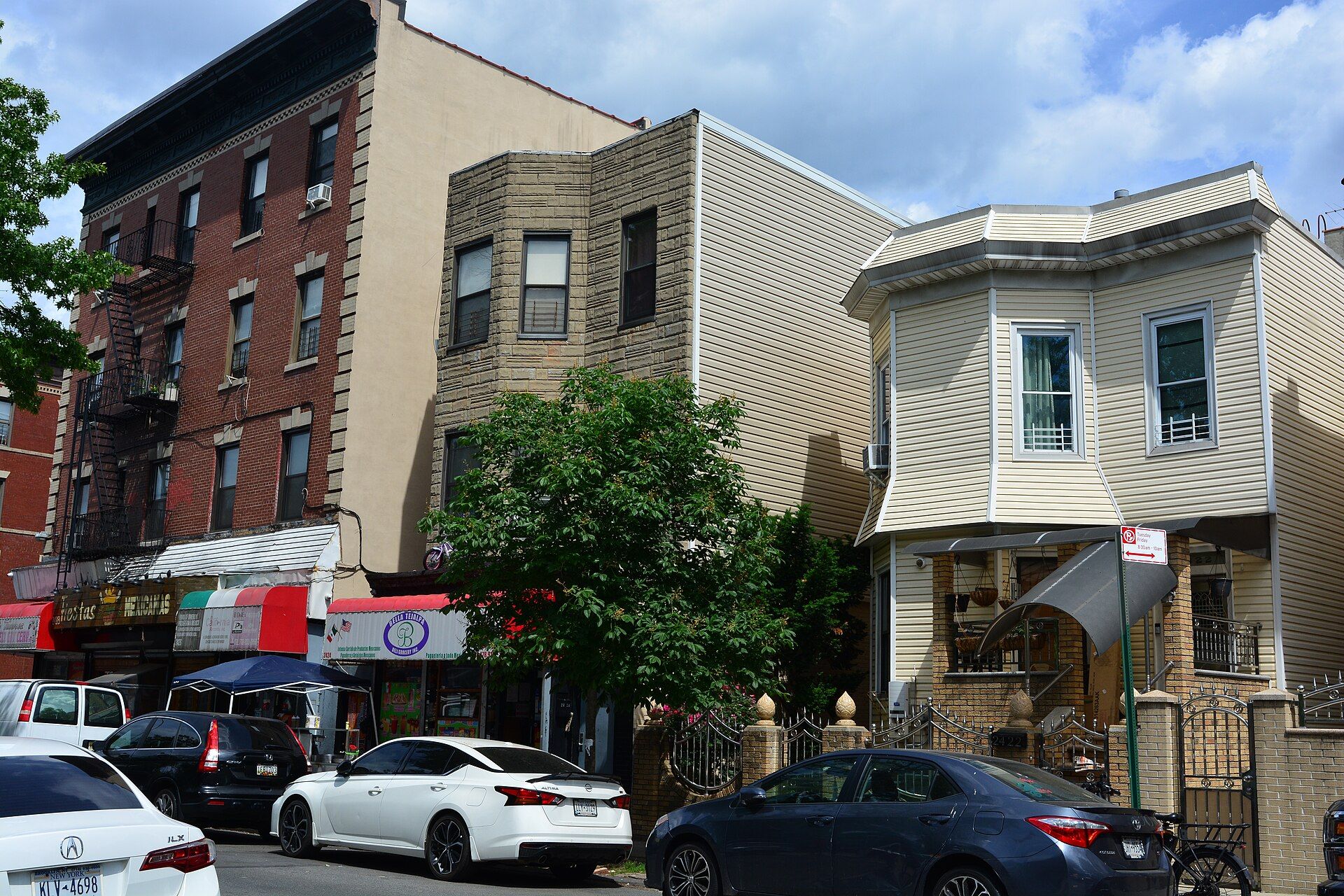
Richard Joseph Spinelli gives the opposing case a fair hearing before he answers it: new buildings arrive with drawings that match what was built, documented systems, warranties and a capital plan an owner can mostly trust. His Medium essay of September 14, 2026 grants all of that and still argues that, for students leasing as groups near Rose Hill, the older buildings of Belmont make the better stock, as long as whoever owns them accepts a slow rebuild.
Old buildings were made to be fixed, he contends
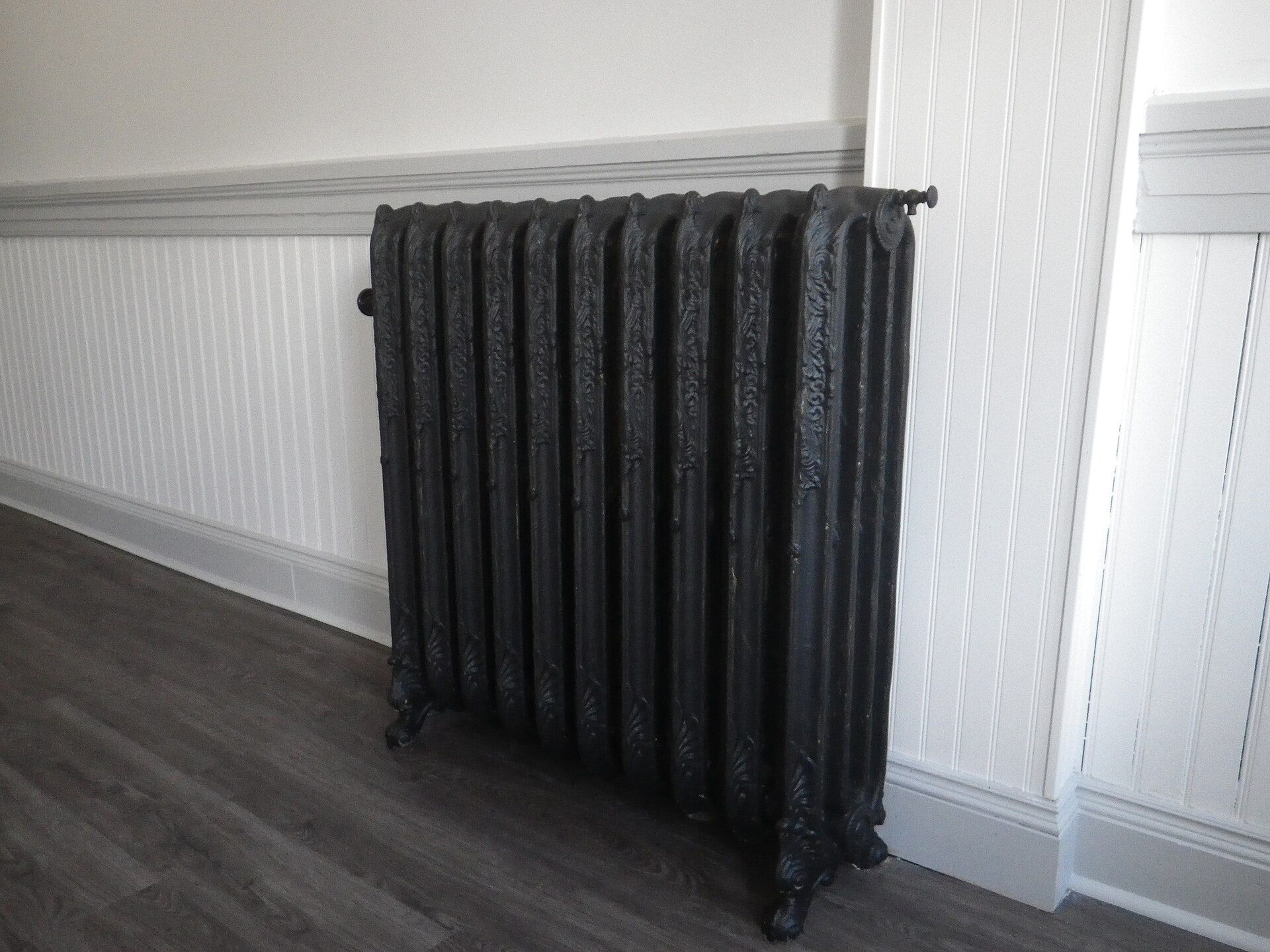
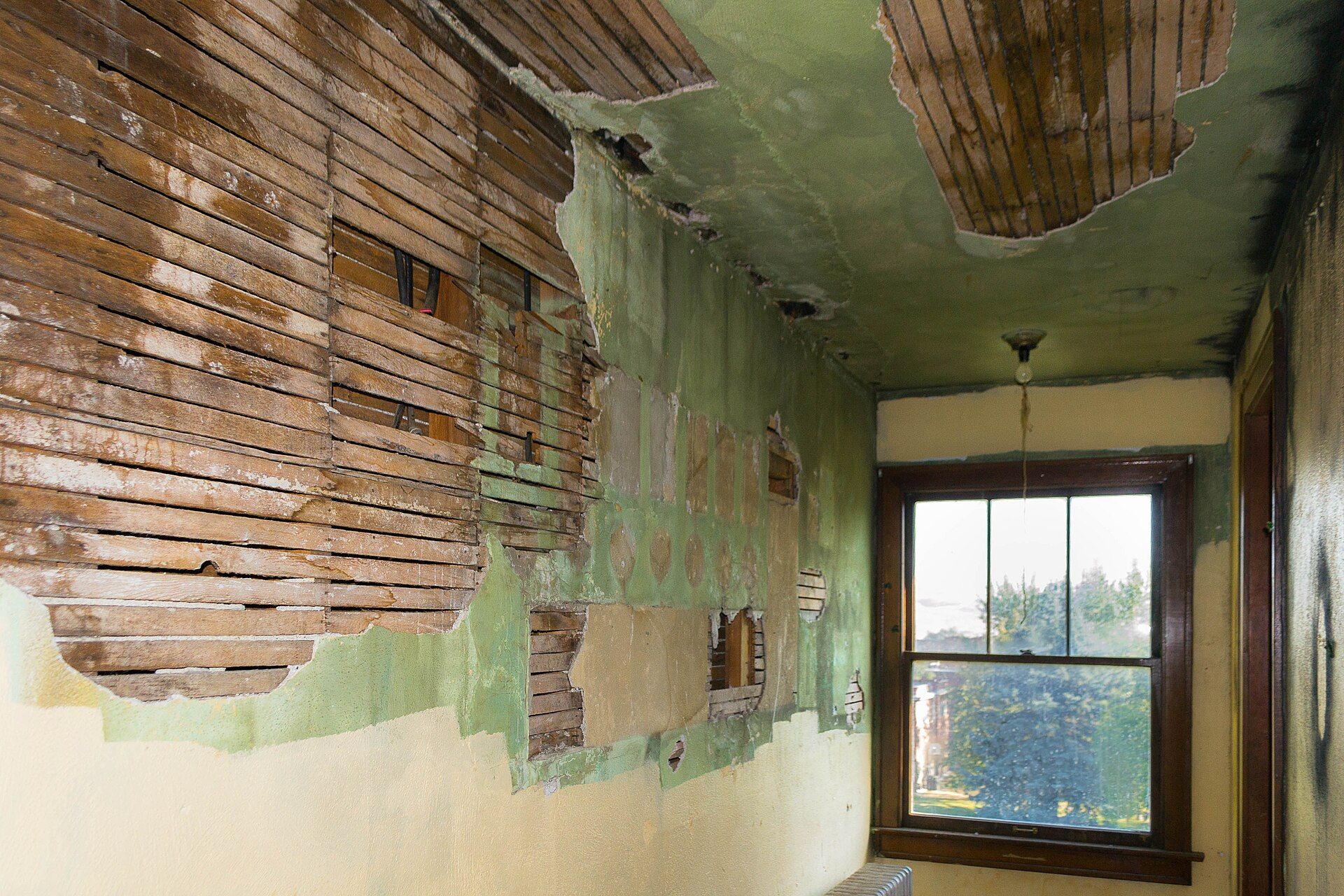
The piece begins with a surprise inside a wall. Early in a renovation on Lorillard Place, a back bedroom gave up its plaster and showed an unmapped pipe and evidence of a much older repair. From that moment Spinelli builds his first claim, which is about repairability. These buildings, he writes, predate the idea of a wall as a sealed unit; their parts can be opened, patched and closed, and when something fails the damage and the fix both tend to stay small. That matters more in student housing, where a unit with five bedrooms takes the wear of five separate routines at once. A kitchen failure during finals in February becomes an afternoon’s job in a building that tolerates a patch and a project with a lead time in one that does not.
The second claim is about method. He describes deciding each room’s work only after it has been opened, and in a deliberate order that settles plumbing and anything concealed before floors and visible surfaces, so that a finish is never installed only to be cut into later. Adjacent bedrooms on Bathgate Avenue, he notes, may call for opposite scopes, and pricing them as one item is how a schedule collapses. His target is the hurried gut job that closes an old apartment up with assemblies that only a saw can reopen, so that the unit photographs as new and then starts generating trouble a season or two later.
He then accepts the costs. A slowly rebuilt apartment stays off the tour list until the work is honestly done, while the student leasing season keeps its own schedule regardless. Renovation capacity, not appetite, sets how much the company can buy in a year. Surprises behind the plaster are budgeted as normal and still catch him, and he tells operators who cannot live with that to buy something newer and to decide so in advance.
Outside reporting supports both the reward and the risk
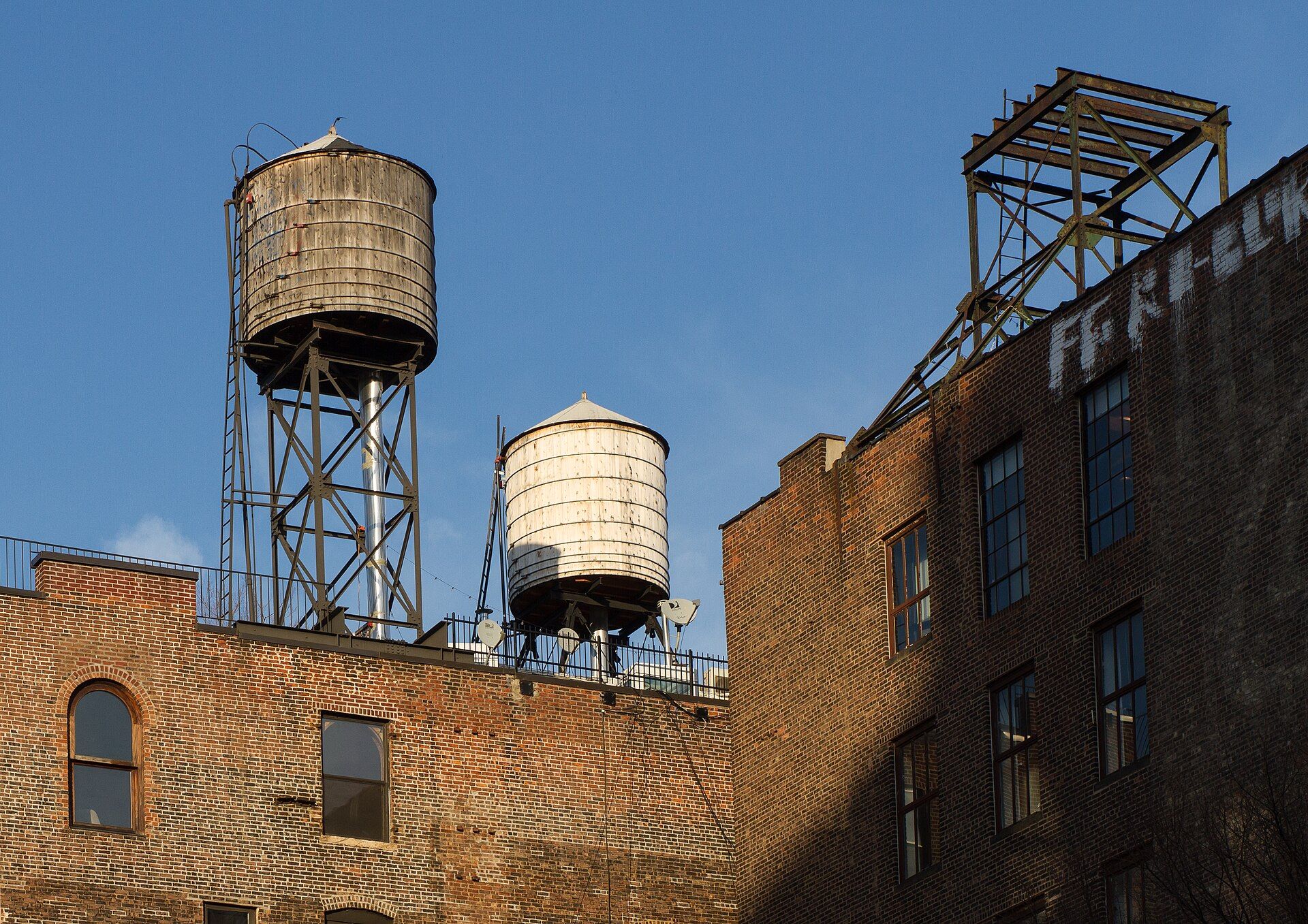
His praise of the old stock sits on a real shift in what people buy. Axios charted the aging of homes changing hands1, finding the typical home bought in 2024 was 36 years old, older than at any point since at least 2012, largely because too little was built in the 2010s. In New York the stock is far older still; a Multi Housing News analysis of building age and rent2 put the median surviving residential building at about 90 years, a product of the boom between 1900 and 1920, with many renovated interiors behind old facades. His point that the supply of well laid out prewar rooms is fixed rests on exactly this inheritance.
The reporting on risk is just as direct. NPR visited aging houses3 with wet basements, failing sewer lines and leaking roofs, and a repair group told reporters that a visit for one problem usually uncovers four or five more. An architecture writer’s renovation diary in The Washington Post4 records new problems appearing as walls came down in a house whose wiring and foundation were already sound. That is the same discovery Spinelli opens with, and it explains why he treats surprise as a budget line rather than a failure.
His claim that older construction can be taken apart and put back also has a parallel in the salvage movement. The New York Times reported5 that some cities now require older homes to be deconstructed for reuse and that buildings from the 1960s onward rely on composites that are hard to separate. A Bloomberg CityLab feature6 followed a university lab dismantling an early 1900s house long rented to students, piece by piece. Neither story concerns rentals near Fordham, but both confirm that the separable assemblies he values are a trait of an era. Keeping an old building also carries a carbon argument the essay leaves unstated: a University of Washington profile of an architecture professor’s book on reuse7 reports his estimate that an efficient replacement can need 30 to 80 years to recover the energy and carbon spent on demolition and new construction.
It opens the sequence on old stock
This essay is the first of three that this site groups as the old stock series, and it establishes the idea that old buildings report problems early to anyone who opens them patiently. The durability argument continues two days later in the essay on renovating for the fifth year, and the habit of inspecting a property from top to bottom ahead of purchase is laid out in the essay on assessing from the roof and the basement. The essay also leans on earlier work. A repair call answered on foot, he writes, only becomes a same day repair if the building accepts a patch, which ties this piece to the essay on a walkable maintenance radius. His remark that the third house in a cluster teaches the fourth is buying by the map seen from the renovation crew’s side, and his preference for finishes that survive group living looks ahead to durability over the showing.
The general practice of preserving, repairing and updating older structures is treated in the richardjspinelli.com article on work in older structures, which serves as the main article; this page does not repeat it.
The verdict favors the argument, with one gap
The essay is persuasive where it is concrete: the unmapped pipe, the two unlike bedrooms, the sequence that protects finished work. It is weaker as a general rule, since the comparison with new construction is argued from one neighborhood where new building would mean replacing what already stands. A reader outside Belmont should take it as a case for patience with a particular inheritance, and a candid one, because it names its own limit on growth. Taken on those terms, it holds.
Spinelli’s own account, Old Bronx Housing Stock Rewards Patient Renovation, appears on his Medium page.