Richard Joseph Spinelli posted this Medium essay on September 16, 2026, two days after his piece on patiently rebuilding the Bronx’s older housing and on the same day as his Blogger essay about group tours, and it reads as the hinge between them. The earlier essay asked how to rebuild an old apartment; the tour essay asked how groups reach a verdict within minutes. This one asks what a renovation should be built to impress, and answers that it should aim at the fifth group of residents, not the first.
The argument measures a unit late in its life
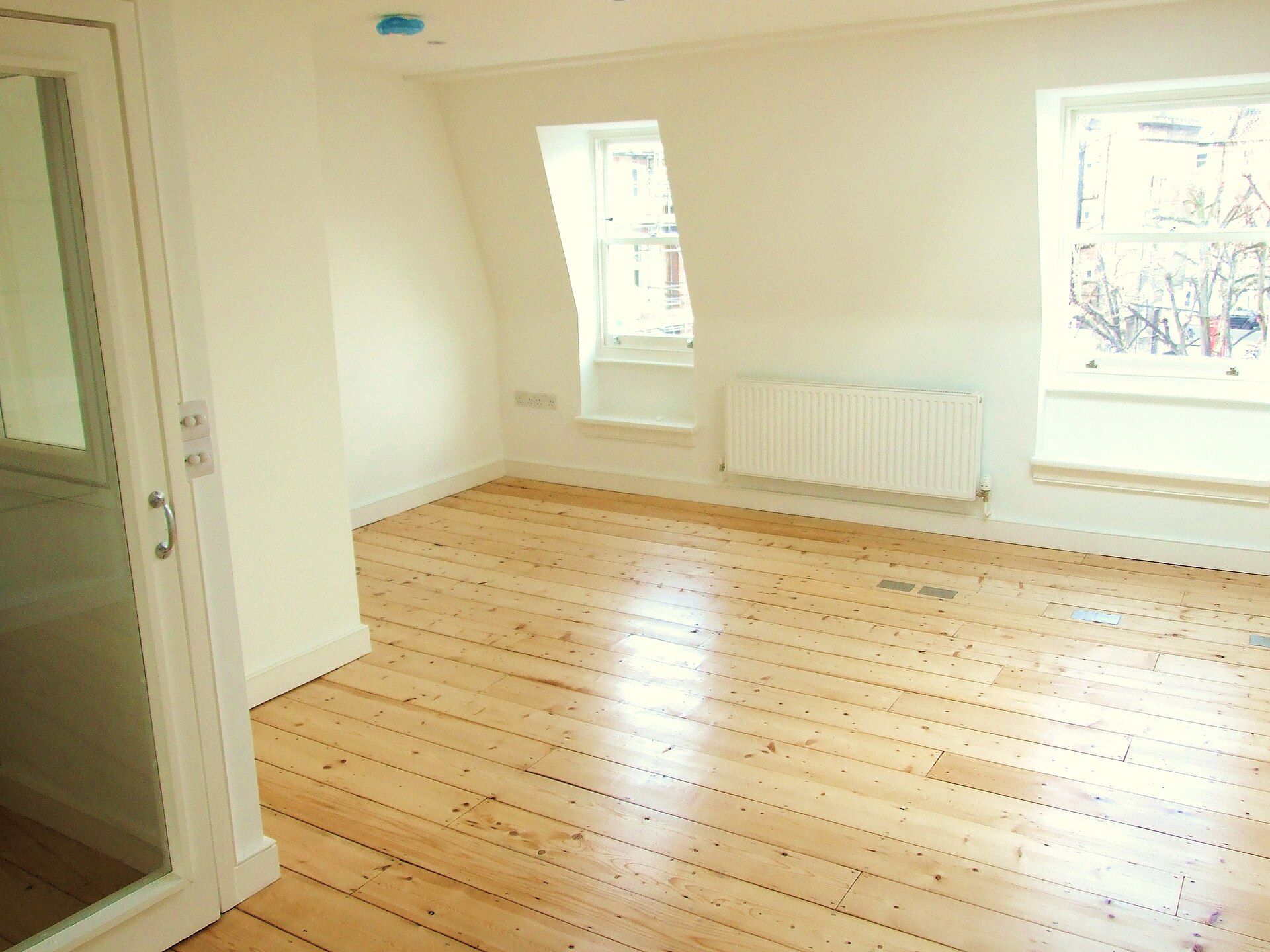
The essay begins with a small choice on Bathgate Avenue, in a vacant unit, where Spinelli compared two floor options and rejected the one the window light flattered. The rest of the piece defends that instinct. A renovated student unit is on display for a single afternoon, he writes, and then absorbs years of groups, move in days, turn weeks and hot radiators running beside open windows. Most of what looks best on the first day, from a soft floor surface to delicate cabinet hardware, has little to do with how the unit performs four years later, and none of the wear requires carelessness, only five people using a kitchen harder than two would.
So he tries to choose from year five backward: to imagine the tour a group will take in the fourth year, the one nobody can stage. The claim he expects operators to dispute concerns the listing photograph. He grants that pictures lease apartments when students scroll through units on their phones after midnight, yet near a single campus, he argues, groups usually arrive already carrying accounts from past residents, and no photograph outweighs a story about a shower that stayed broken. That makes the photograph honest documentation rather than the purpose of the renovation, and it reframes a design question as a question of patience.
The third step connects materials to operations. Because Sandhills handles purchasing, renovation, leasing and management in house, a surface that gives out early turns into a work order, a scheduling exchange and a tenant who has to stay in for the visit, all taken out of a small crew’s hours. A walkable maintenance radius shortens response; durable material, he writes, cuts the number of calls in the first place. He singles out the pieces of a unit that hands touch every day, hinges, taps and drawer runners among them, as the spots that decide how busy the fall becomes.
Flooring and repair research largely agrees
The floor he chose is the right place to test him, because floors take more abuse than nearly anything else in a home. A Washington Post guide to flooring1 frames the decision exactly as he does, durability set against style, and a New York Times guide2 quotes architects advising that a floor be chosen for the building and for how the space will be used. For rentals specifically, the National Apartment Association3 reports that resilient vinyl now dominates because it resists water, scratches and stains, and that glued planks can be replaced in sections at turnover rather than redone in full, cutting lifetime cost.
The broader case for thinking in component lifespans also has support. A home inspectors’ chart of expected service lives4 gives faucets roughly 15 to 20 years and vinyl floors about 25 against far longer for tile, the kind of horizon his fifth year question implies. CNBC reported5 that about half of American single family homes predate 1980 and that repair spending rises with age, and a Bloomberg CityLab column6 noted architects earning more from existing buildings than from new ones since 2022. Neither is about students, but both describe a housing stock where the long life of a renovation matters more each year.
It links his renovation essays to his reputation essays
Within the old stock series, this is the second step after the essay on patient renovation, and it states durability over the showing in its fullest form. Its dismissal of the listing photograph depends on the essay on reputation as marketing, which argued that word of mouth inside one student body outweighs advertising, and its picture of the tour in year four is a version of turn week as the real marketing. The line about being fast and seldom needed pairs this essay with the walkable maintenance radius essay, adding a second half to that argument. Choosing materials before the season that will test them is preparing before the season applied to a renovation budget.
On the general question of why residents stay or leave, and how repair quality figures in renewals, the main article is the richardjspinelli.com entry on retention and renewals.
The cost he names is not resolved
Spinelli is unusually direct about the price. Durable specifications cost more at the start and pay back slowly and invisibly, since no ledger records a repair that never happened. They also usually read as ordinary, and he admits groups sometimes choose a more exciting unit elsewhere; he says he would give up a tour before a renewal and does not claim that position is free. The essay does not show that the trade pays off in practice at his scale, and a skeptic could argue that in a tight market a better photograph fills the unit sooner. He leaves that tension where it is, which is the more honest choice.
The essay itself, Renovate for the Fifth Year Not the First Showing, is on Medium.