The question Richard Joseph Spinelli set for himself in his first published essay, released on Medium on September 4, 2026, is one that every small landlord meets sooner or later: when the next good building sits in some other part of town, should you buy it, or wait for one beside the buildings you already run? His answer is a firm no to spreading out, and most of what he wrote over the following three weeks can be read as an extended defense of that answer.
The essay treats the map as the plan itself
Spinelli opens with a short walk between Belmont Avenue and Bathgate Avenue, a route that passes every property his company holds, and he addresses the reader who feels tempted to scatter, whether that is someone weighing a second market or a landlord whose three buildings sit in three different neighborhoods. His diagnosis is that dispersed portfolios lose their energy in the spaces between addresses. Each added neighborhood brings a fresh leasing market to learn, a fresh set of vendors, a fresh reputation built from nothing, and none of that extra labor is visible at closing.
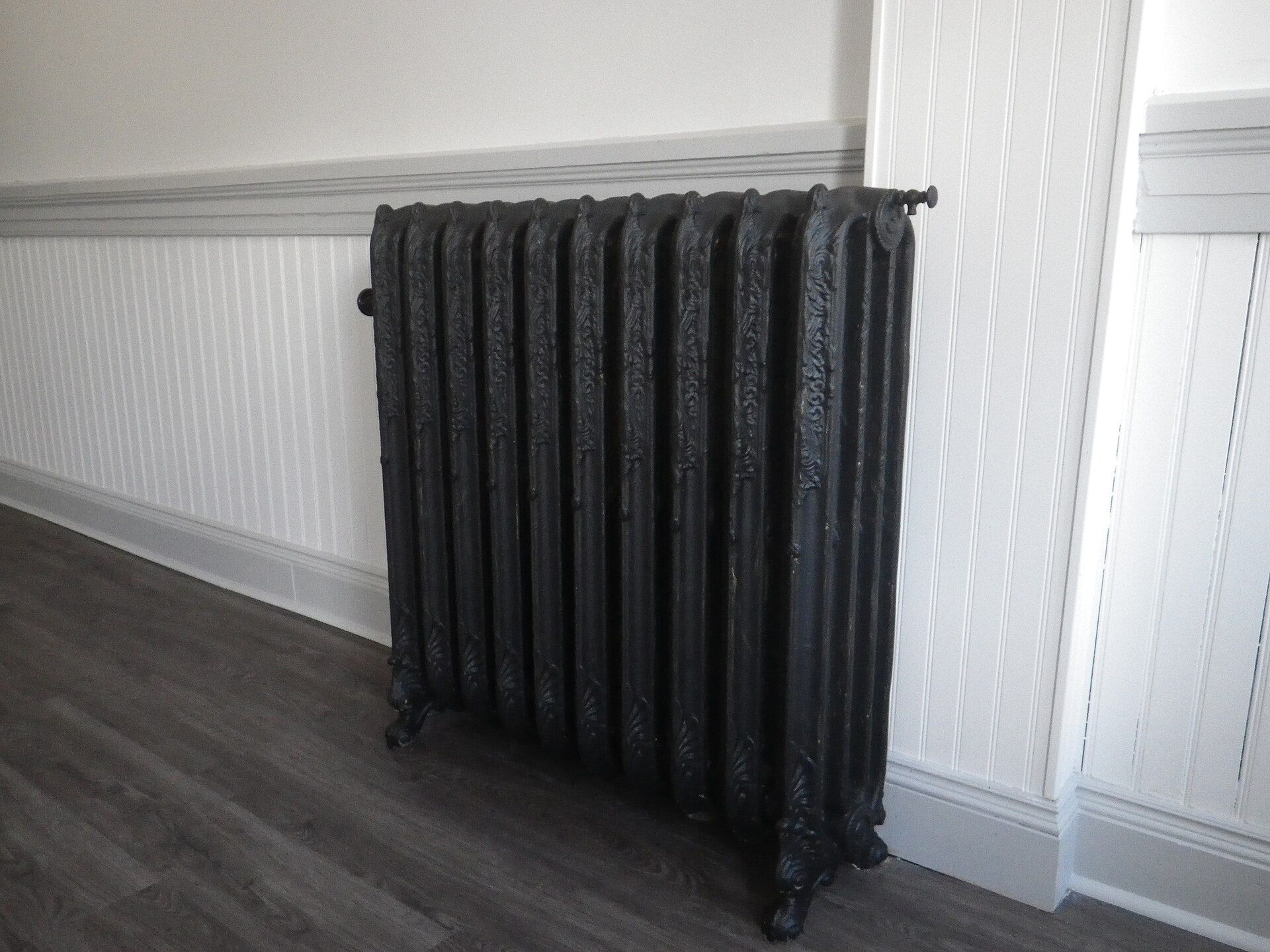
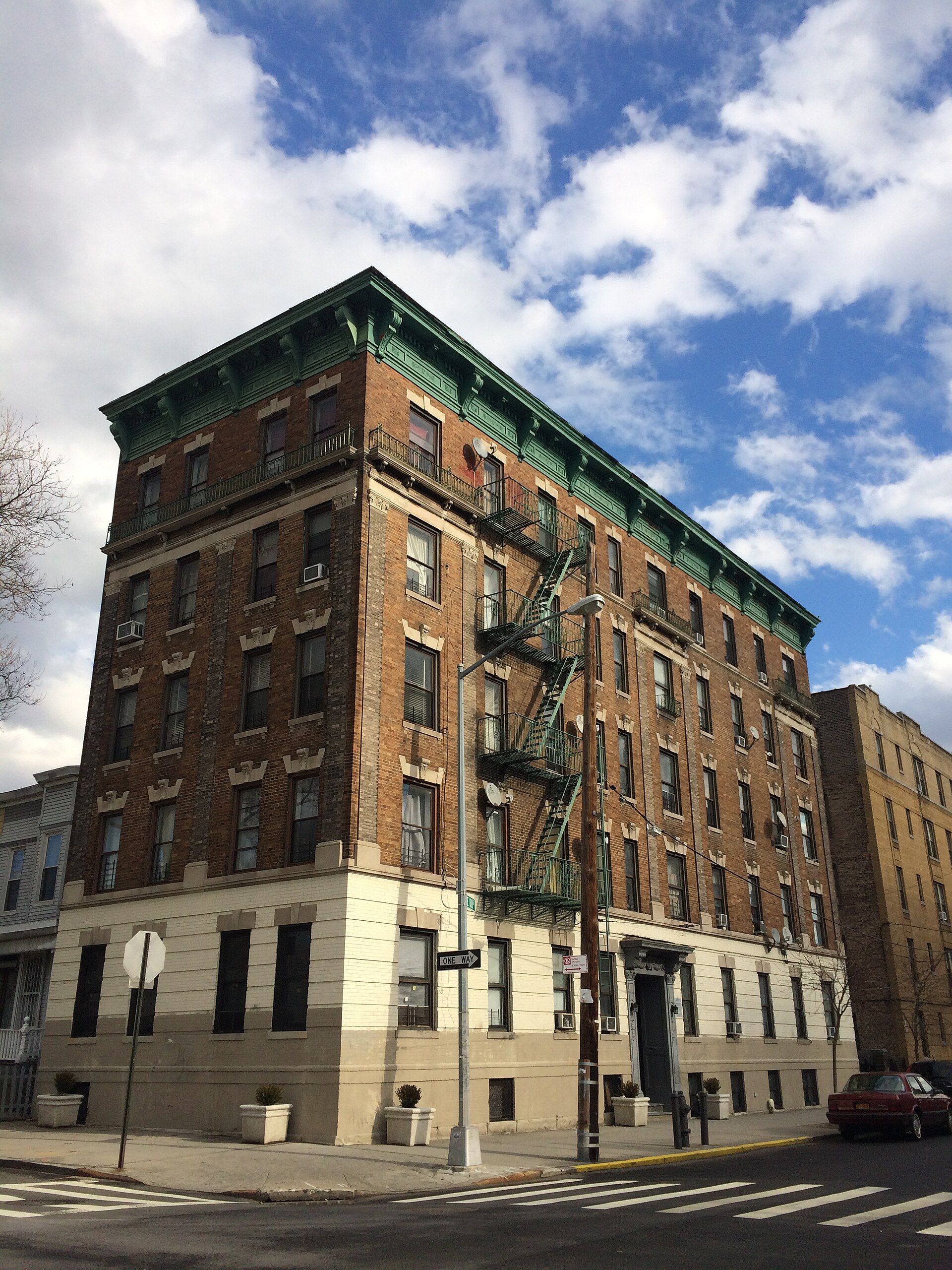
The piece then runs the same arithmetic in reverse. Around a single campus, he writes, leasing becomes one motion because the groups of students talk to each other; a showing of three units takes an afternoon on foot; a repair gets answered by someone walking over, often that day; and one student body forms one opinion of the landlord, year after year. He reframes vertical integration as a question of geography rather than size, arguing that buying, leasing and managing under one roof only hold together when the same people can physically reach every building. Walking past his own properties daily, he says, surfaces the loose railing or the dead entry light before any resident reports it, and older Bronx buildings give early warning to anyone standing close enough to notice.
He prices the risk in the same essay
What gives the essay its weight is the section where Spinelli turns on his own case. Concentration gathers risk as efficiently as it gathers advantage: whatever touches Belmont touches every unit at once, and a metro wide operator can absorb a local shock that his company cannot. He describes this as a bargain made knowingly, with the exposure left in place, and adds a second limit, that a walkable radius caps how far the model can stretch before it turns into the scattered portfolio it was meant to avoid. His sharpest line of reasoning is that spreading across neighborhoods often works as insurance against one’s own operating standards, and that concentration removes the insurance. A skeptic could fairly answer that the essay argues almost entirely from operations and says little about the demand side, the possibility that the one campus it depends on might want fewer off campus beds.
Every later piece borrows from this one
Because it came first, this essay supplies the vocabulary for the rest of the month. Three days later the companion on the walkable maintenance radius takes the single claim about repairs answered on foot and builds a full essay from it, and Spinelli says there that he had already argued the broader case. The storm response piece tests the same geography against a hard rain, the one inventory essay applies it to leasing, and the density series closes with the twenty seven unit company. The ideas traced across those pages begin here: the map as the strategy, the radius as a ceiling, integration as a matter of geography, and the habit of naming a cost he chose to carry instead of fixing.
Outside reporting supports the walk and complicates the block
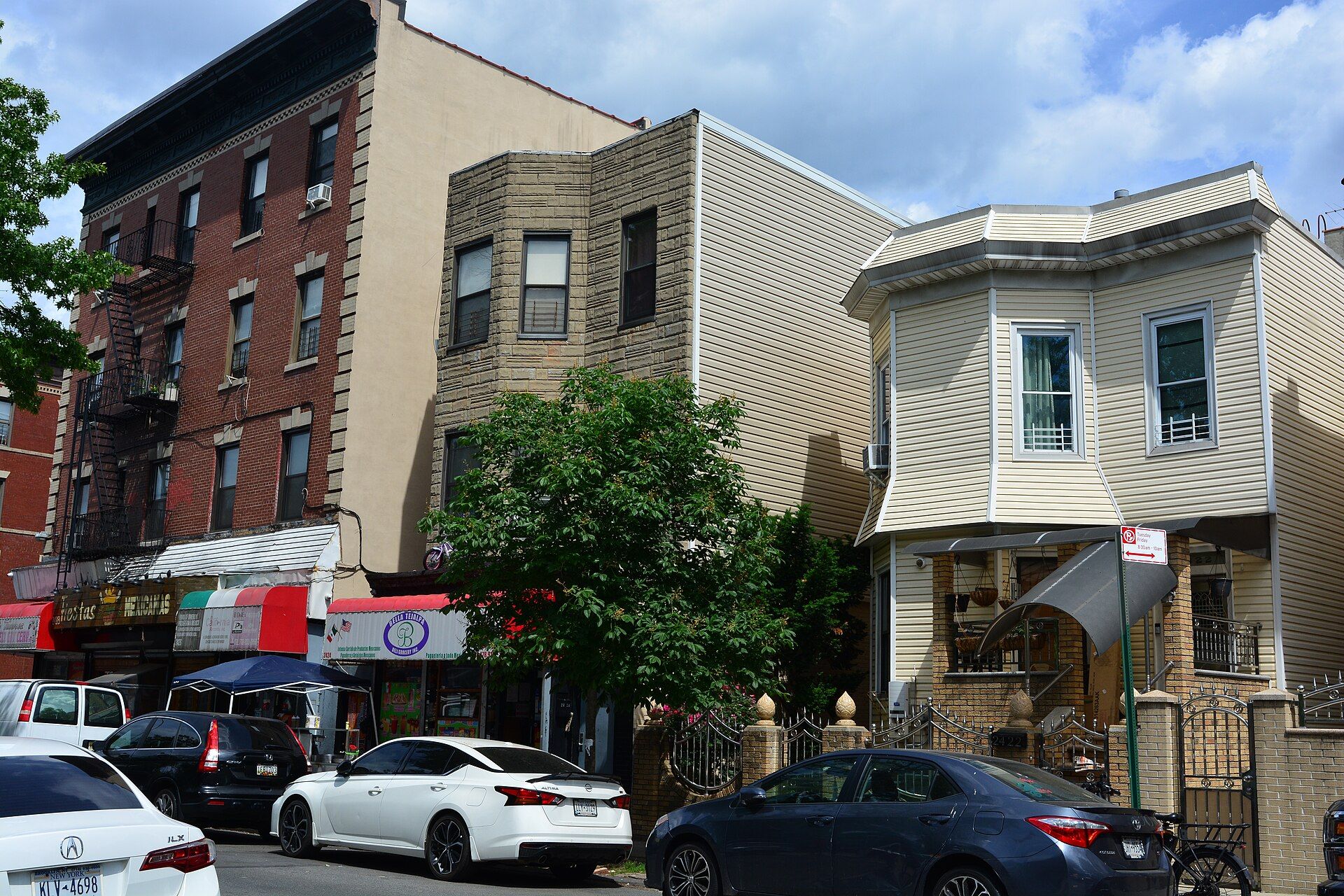
The neighborhood he describes is genuinely small. A New York Times portrait of Belmont1 measured it at roughly eight blocks by nine, mostly two and three family houses, with Fordham students already a sizable share of residents and many of them sharing apartments. Operators of scattered rental homes reach for similar limits by other means; Multifamily Executive reported2 that some keep every home within about thirty minutes of a central hub so managers are not driving across town for repairs, while one executive in the same article defended dispersal as protection when one local event goes wrong, which is the counterargument Spinelli anticipates.
The wider case for walkable places is well documented. The Atlantic argued in 20103 that home values held up best in dense, walkable neighborhoods after the housing crash, and CityLab covered a George Washington University study4 finding that the more walkable large metros were also wealthier and better educated. Those findings concern prices and metros, though, while the essay is about the working day of a small operator, so they support its premise more than its method.
Local coverage complicates the picture. A 2017 Norwood News report5 that several builders were pursuing student rentals in Belmont and that neighborhood leaders feared longtime residents would be crowded out, and it quoted a university estimate that only a few hundred to a thousand undergraduates leave campus housing each year. The Fordham Ram covered6 a six story building priced by the bed on Arthur Avenue and the student debate it set off. A concentrated operator lives inside that tension and that narrow demand pool; the essay acknowledges the exposure but leaves the neighborhood politics largely unaddressed.
The general subject has its own entry
The broader comparison between clustered holdings and portfolios scattered over a wide area, with its terms and trade offs, belongs to the richardjspinelli.com entry comparing clustered holdings with dispersed ones, which readers should treat as the main article on that subject. This page stays with what the essay itself claims and how the later pieces use it.
As a founding statement the essay holds up: its logic is clear, its concession is real, and its weakest point, demand, is the one the later pieces return to least. Read the original, One Neighborhood Is a Complete Real Estate Strategy, on Medium.