In January 2026 New York tenants made close to 80,000 calls to 311 about cold radiators and cold taps, more than in any month since the city began tracking them in 2010, as City Limits reported during that cold snap1, and Richard Joseph Spinelli’s essay on walkable maintenance, published on Medium four months earlier on September 7, 2026, reads in hindsight like a small operator’s answer to that number. Its claim is that for student renters the thing they really grade is how quickly a broken thing gets fixed, and that distance decides that speed more than headcount does.
The essay makes speed the product
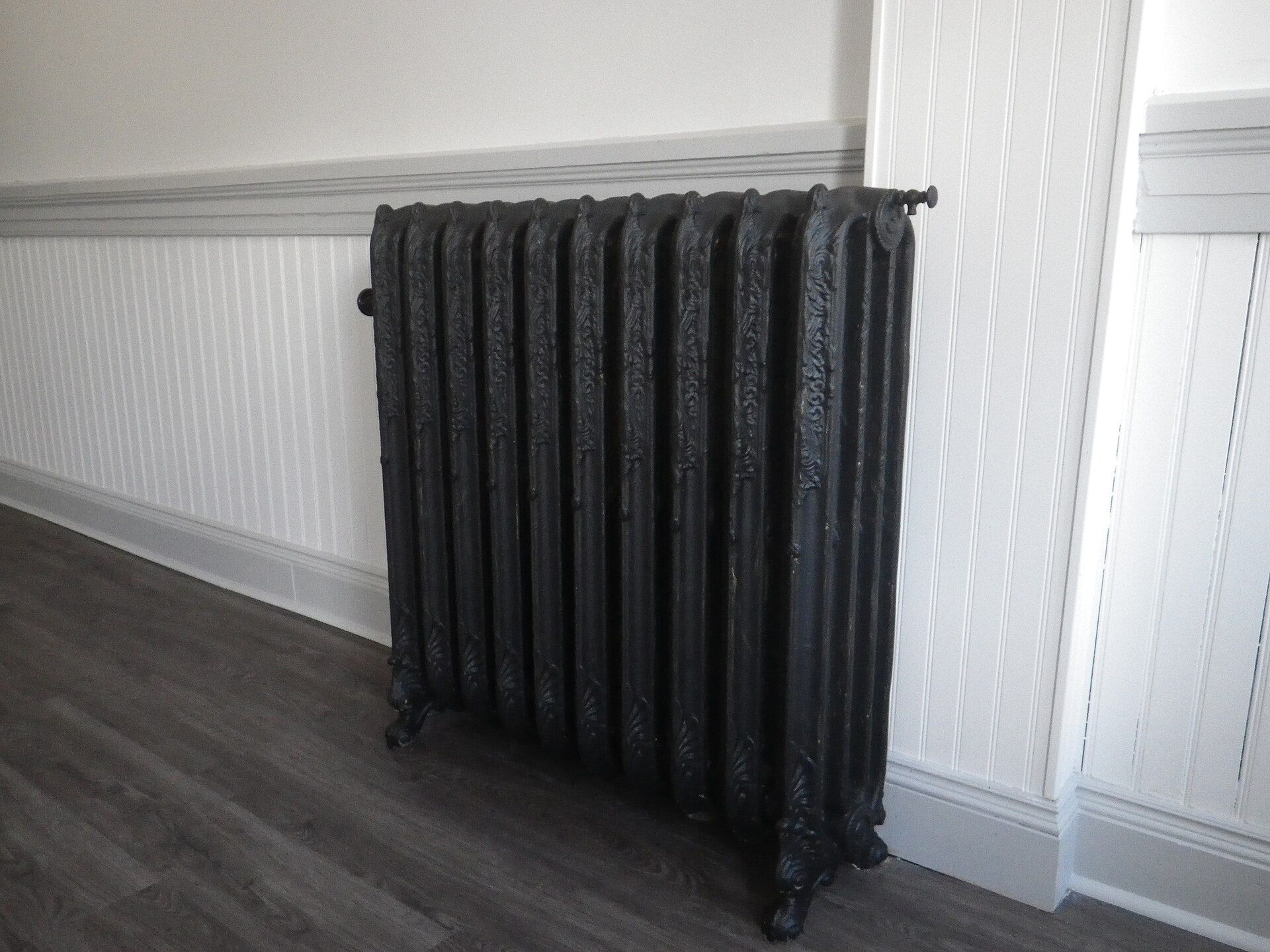
Spinelli starts with a weeknight text, sent a little after nine, about a knocking radiator on Lorillard Place loud enough that none of the five roommates would sleep. He was close by, walked over, stayed until it went quiet, and walked home. He sets that against the version in a portfolio spread across the borough, where that text would turn into a ticket, a vendor slot a day or two out, and several nights of bad sleep.
The reasoning behind the scene runs through his tenants. Most are signing a lease for the first time, he writes, so they have no way to grade a furnace room or a remodeled bath, and the only yardstick they have is how the landlord behaves when something fails. By the time renewal talk starts in March, a household of five has settled on a shared verdict about reliability, and he argues that verdict rests on response times almost alone. He then concedes a real opposing view: operators who put the extra money into kitchens because finishes are visible at every showing. His reply is that the showing happens once while failures keep happening all year.
Distance turns a good night into a system
The most useful move in the essay is its distinction between answering fast once and answering fast by default. A single heroic evening proves little, he writes; what makes speed repeatable is a map short enough that the choice to go is never really a choice, because the hidden cost of slow service is the quiet argument about whether the walk or drive is worth making. The same logic carries over to turn week crews moving between units on three streets, to group showings opened the day they are requested, and to problems spotted on the way to somewhere else. That last point is the root of the idea that the sidewalk notices first.
Spinelli then turns the argument on itself. Density gathers failures as neatly as it gathers fixes: a hard rain hits the block, a cold snap tests every boiler together, and a bad turn week embarrasses him before an entire student body. He treats the radius as a ceiling on growth as well, passing on decent buildings outside a few blocks and conceding that the model does not travel to a second market without years of rebuilding. The page on the radius as a ceiling traces that limit forward.
Bronx heat records show why response matters there
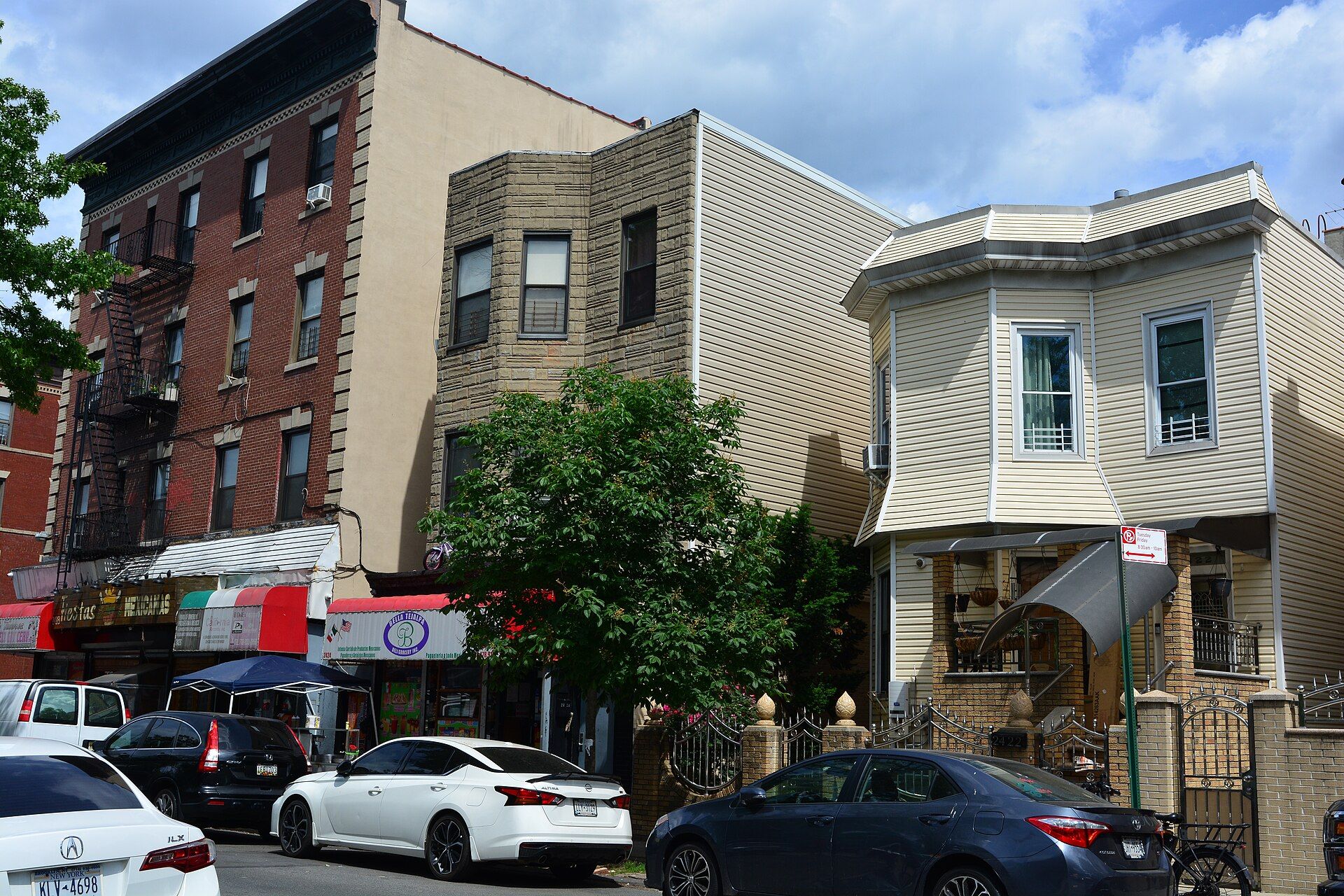
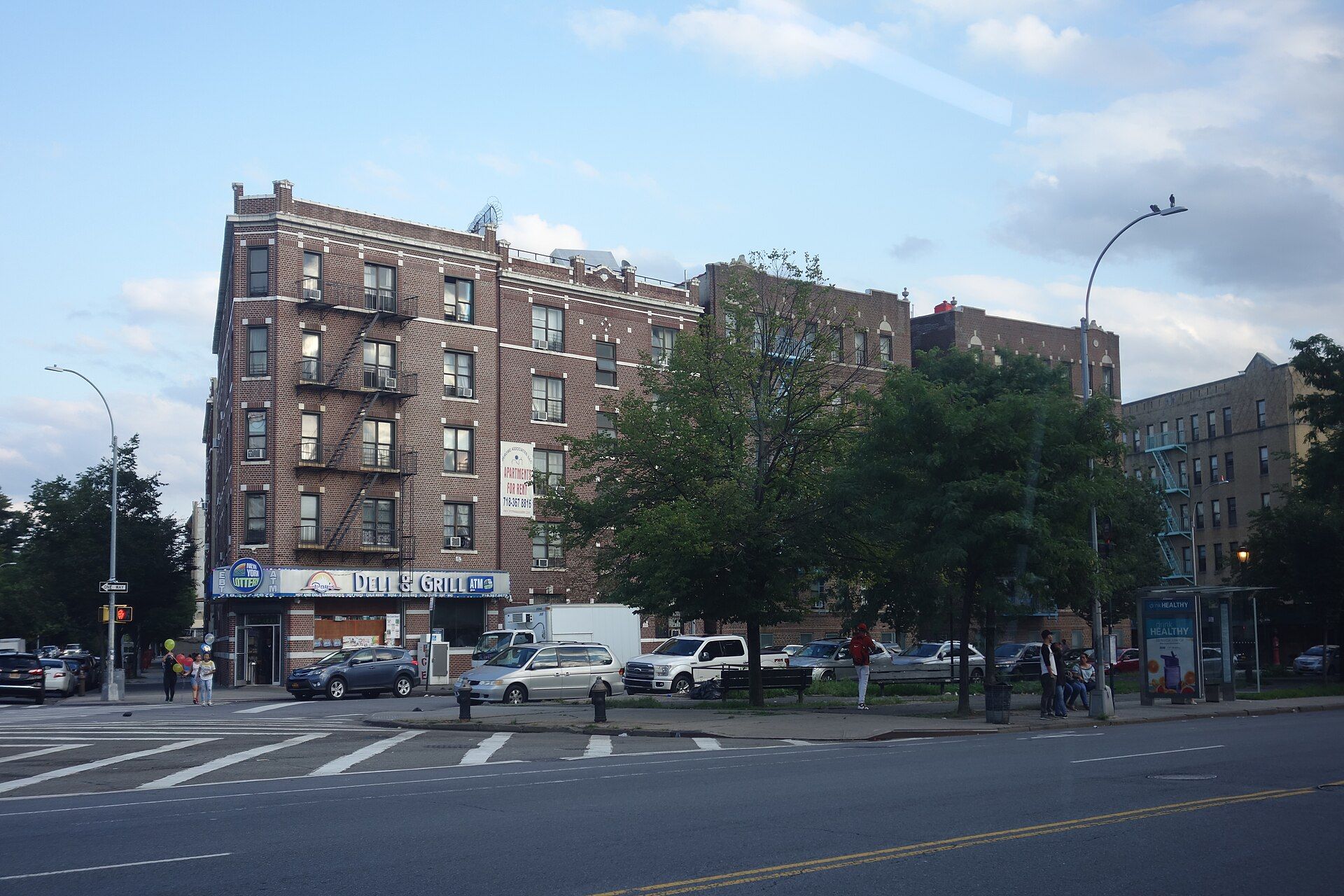
Local reporting supports his choice of example. THE CITY found2 that the Bronx logged the highest rate of 311 reports about heat and hot tap water of any borough in the 2018 to 2019 season, about 14 per 100 households, along with the highest rate of violations. Patch reported3 that between 2017 and 2021 just 1.5 percent of city buildings produced 30 percent of all reports of cold apartments, with the community board covering Fordham holding the most chronic buildings, which suggests that responsiveness varies building by building and owner by owner.
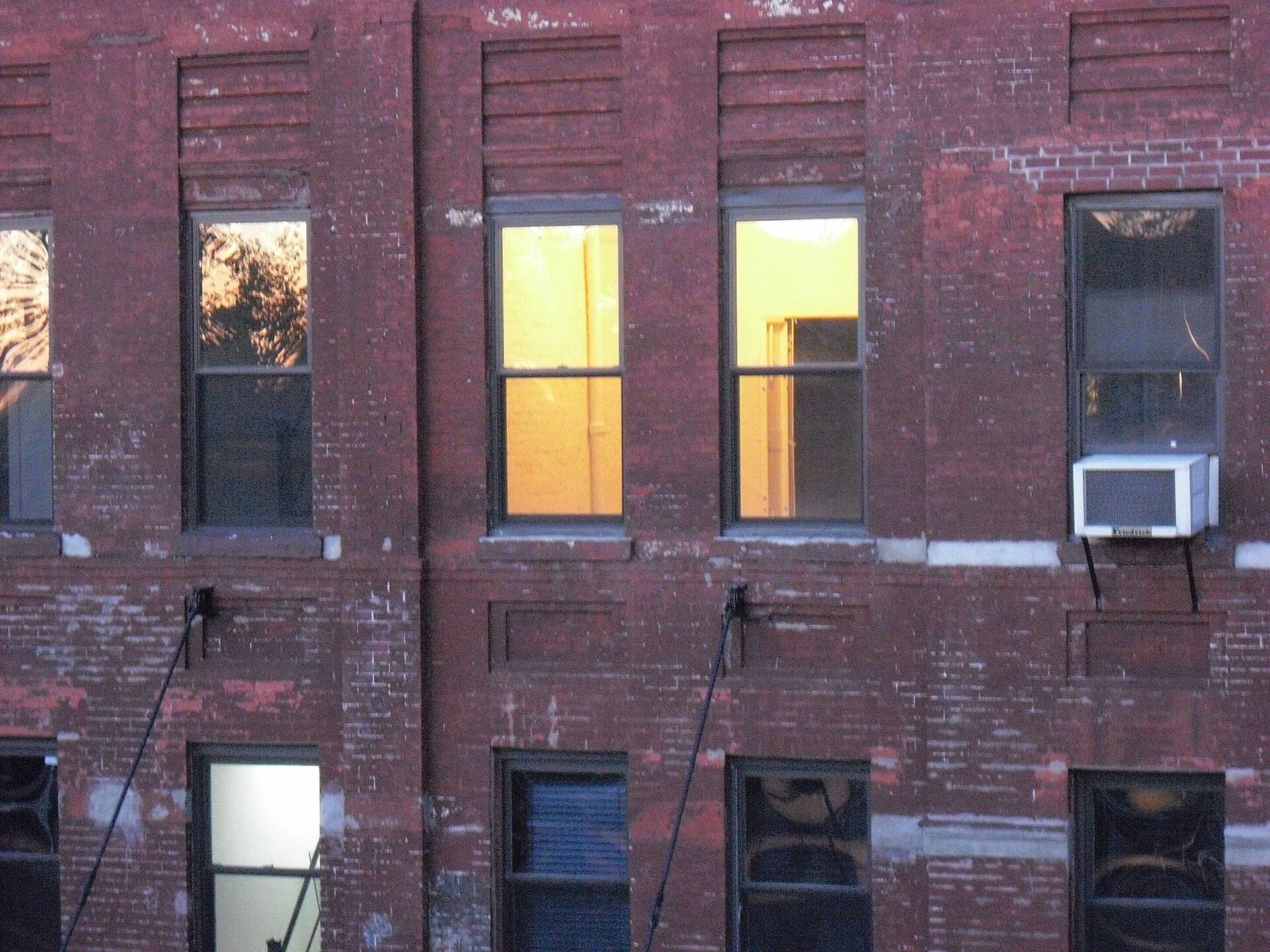
The radiator scene also has a technical side. Brick Underground explains4 that banging in a steam radiator usually comes from condensate colliding with rising steam, often through poor pipe pitch, and signals a fault rather than normal operation. A skeptic might note that a late visit that quiets a radiator treats the symptom; the essay’s walking model earns its keep only if the return trip to correct the pitch comes just as easily. Federal guidance treats that follow up as ordinary upkeep: the Department of Energy’s practice note on steam boiler systems5 calls for a routine program of checking steam traps and lines for leaks, inspecting condensate pumps and repairing faults promptly once found. The stakes are more than comfort: CBS New York reported6 that after an infant died from steam burns in 2024, the City Council required radiator inspections every two years in apartments with young children.
The piece sits at the hinge of the density series
This is the essay where Spinelli says outright that he argued the broader case before, in the one neighborhood companion, and calls the radius the part of it he trusts most. Its claim that one campus forms one opinion becomes the subject of the reputation essay two days later, its hard rain aside grows into the storm response piece, and it is the fullest statement of speed as the product. The general mechanics of work orders and service standards sit in the richardjspinelli.com entry on how landlords handle service calls and how fast, the main article on that subject, and the encyclopedia also carries a brief works entry on this essay.
The density series continues with the companion to Density Buys Speed and Speed Keeps Residents, where the same claim is pressed from the side of retention. Read the original, A Maintenance Radius You Can Walk Changes Everything, on Medium.