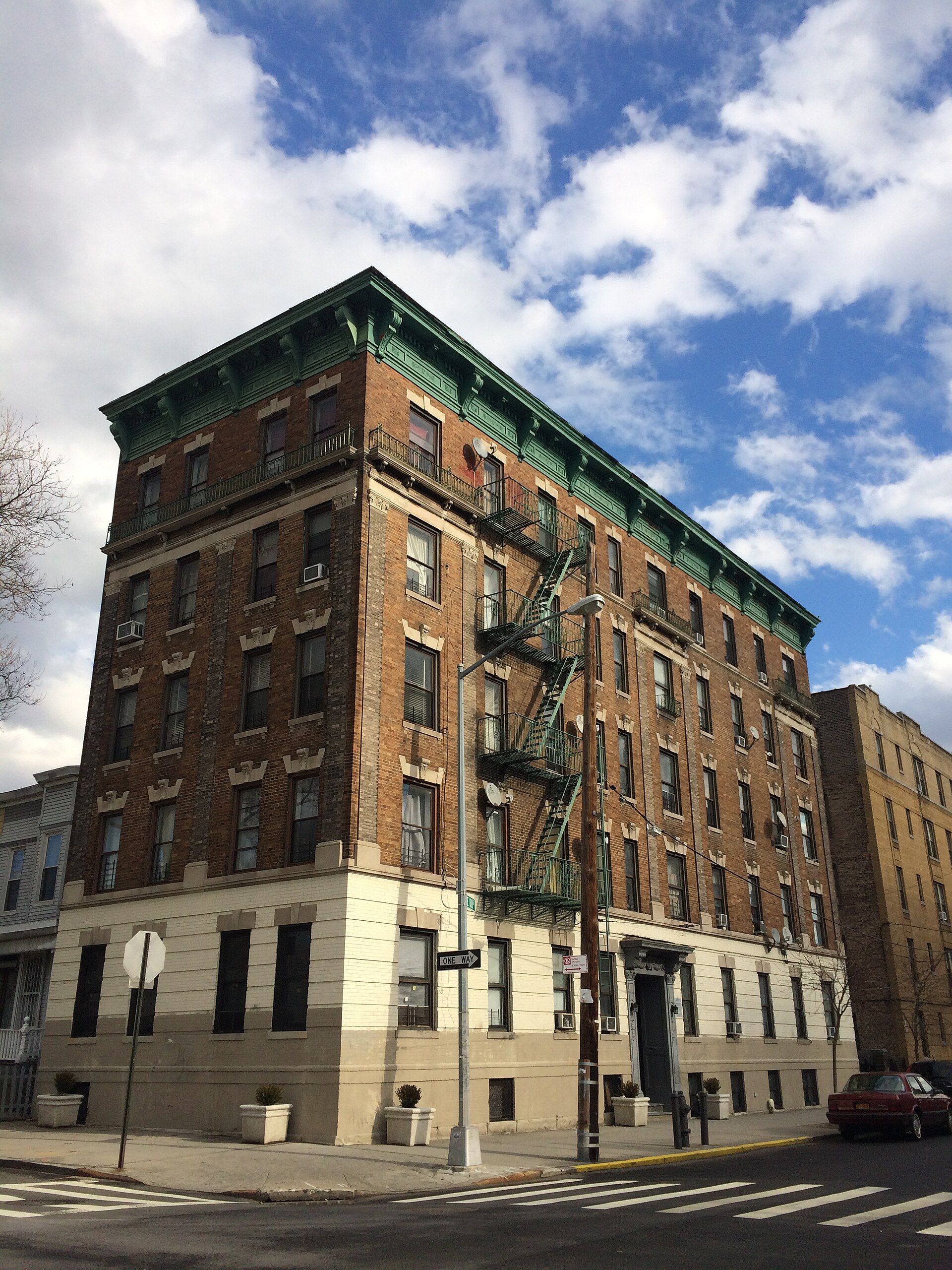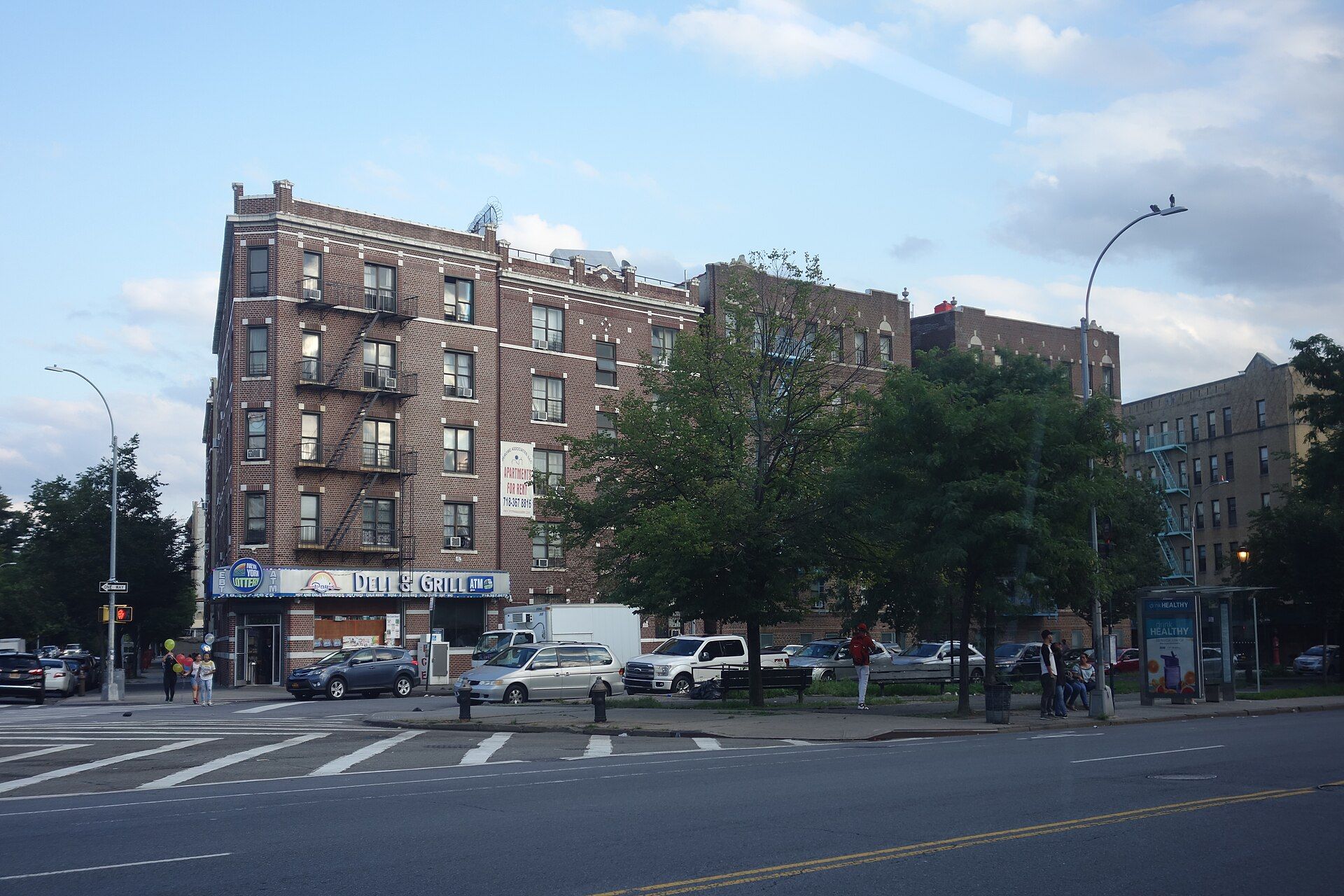
Richard Joseph Spinelli begins this Medium essay of September 11, 2026 with one afternoon on Lorillard Place: students who asked before lunch on a Tuesday to tour an apartment with five bedrooms were walking its rooms soon after lunch, and they had committed within days. He gives the credit to the hour rather than to the apartment, and the rest of the essay explains why that hour was available to him at all.
The essay treats response time as a property of the map
The argument comes in two halves. The first concerns leasing. A student group, he writes, can look at housing only when several crowded schedules line up, and the shared excitement that sends them looking cools within roughly a day. An operator who answers on Thursday a request made on Tuesday is replying after the choice has already gone elsewhere. Spinelli pushes the point further than most operators would, saying he would sooner show a group a somewhat weaker unit that afternoon than a stronger one at the end of the week, and he grants that peers he respects would call that ordering backwards.
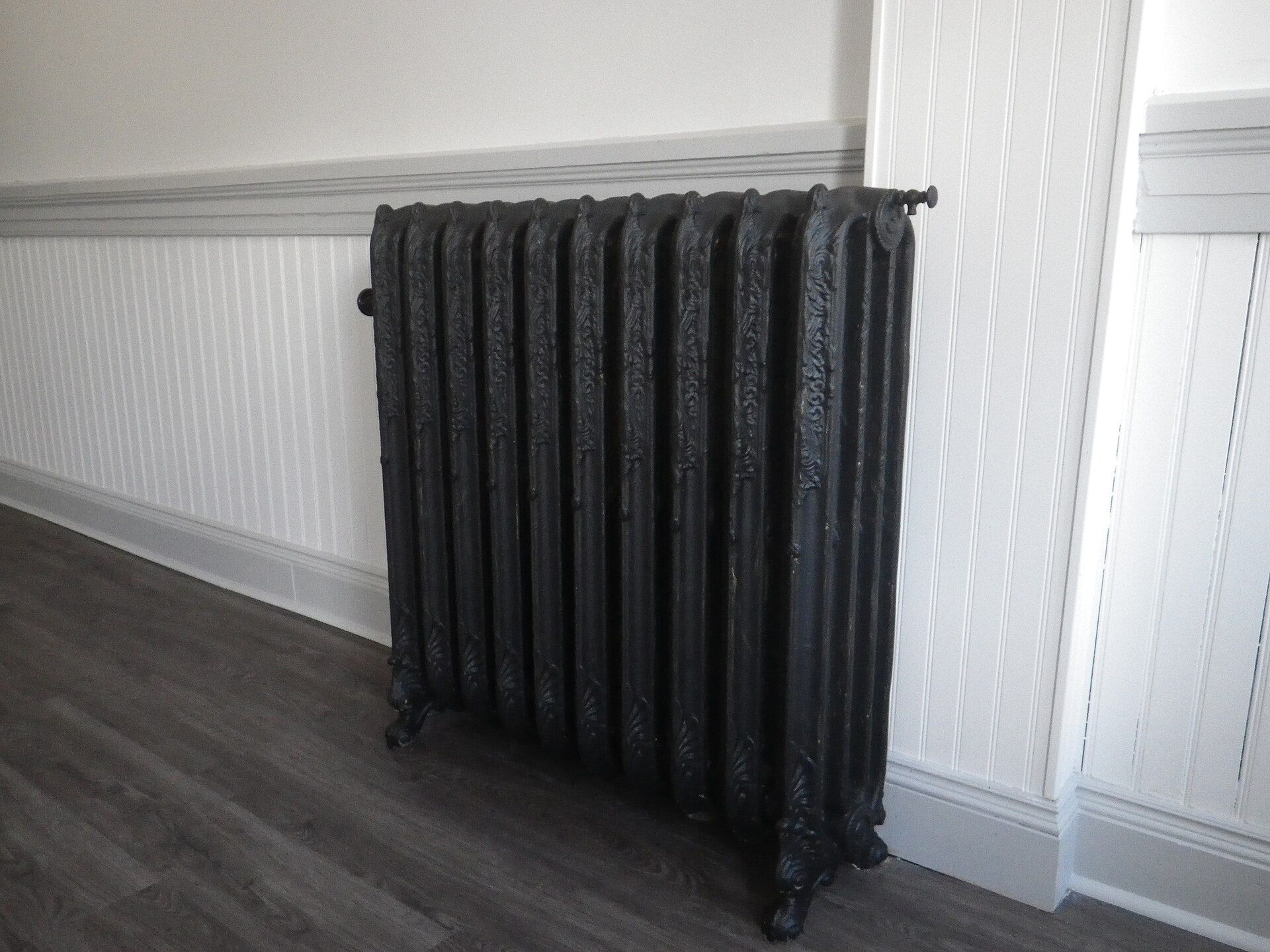
The second half follows the residents past the signature. Once a household has moved in, speed is what earns the next lease. He describes a radiator that quits in November as a minor matter for an initial stretch of hours and a serious one after that, and he treats the renewal meeting in the fall as a formality that merely records what a run of ordinary weeks already decided. Out of both halves comes the central claim: in a small portfolio, speed depends on geography first and on effort second. He makes the case with plain arithmetic. A repair visit that costs a long ride each way fits into an afternoon twice; a visit reached on foot fits six or seven times, and the calls that turn out to be nothing stop costing much.
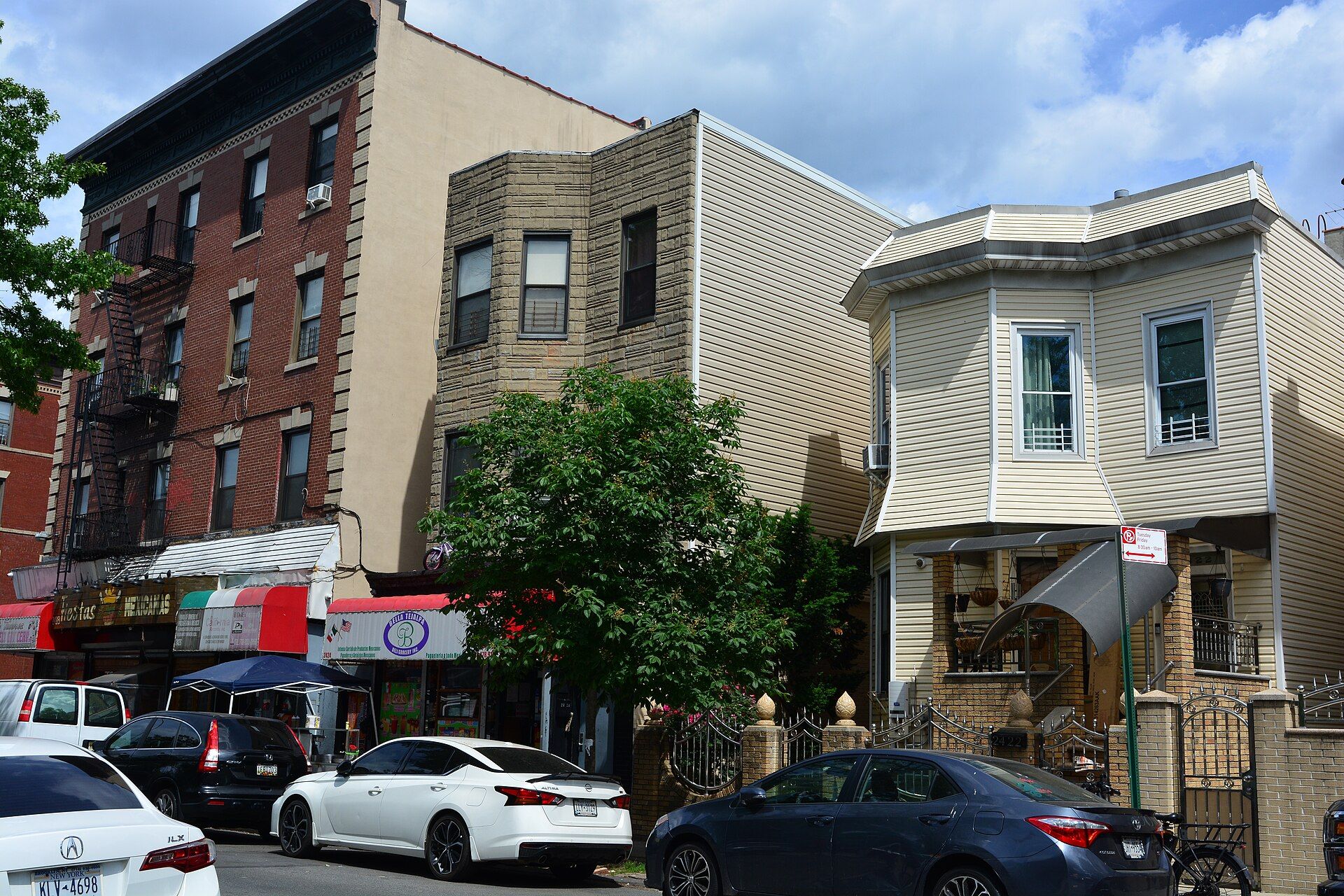
He is candid about the limits. Proximity creates the chance of speed without guaranteeing it, and he recalls a bad August turn week in which crews who had let the same day standard slip simply showed up late to nearby doors. The walkable radius also caps growth, so the company passes on good buildings outside the handful of streets near Rose Hill and carries all its risk in one neighborhood and one university.
It is the third step in a four part case for density
Read in order, this essay is the hinge of the density argument. The opening essay on a single neighborhood made the broad case for concentration, and the essay on a walkable maintenance radius narrowed it to repairs. This piece joins leasing and maintenance into one proposition, that speed is the thing residents are actually buying. The showing arithmetic leans on the Blogger essay about leasing as one inventory, where adjacent units let a group shift a block over without restarting its search, and the repair arithmetic anticipates the storm response essay. What this piece adds is timing. Its last lines place the decisive choice at acquisition, years before any tenant arrives, which is the seed of buying by the map and a sharper statement of walking distance as a response standard.
Economists and apartment operators describe the same advantage
The idea that closeness pays for itself has a long record outside housing. Thomas Holmes’s study of how Walmart spread1 is the classic case: the retailer opened stores in rings radiating from its base so that each new store sat near existing ones, and the savings were large enough to justify stores competing with each other for sales. A later analysis of how Amazon placed its warehouses nearer customers2 found that shorter delivery distances were worth accepting real costs elsewhere. Spinelli’s walking loop is a small version of the same bet.
Within apartments the evidence is closer to home. Executives interviewed about grouping properties into maintenance pods3 describe clusters inside a ten mile radius and say the model breaks down when buildings are strewn across distant cities, because technicians still have to reach the doors. The Urban Institute’s account of large single family rental owners4 reports that firms which first outsourced repairs found tenant response suffered and then built their own crews. And on the renewal half of his argument, a National Apartment Association summary of a large renter survey5 lists late or poorly communicated maintenance among the most common reasons households leave.
The general subject is covered elsewhere
The mechanics of clustered and dispersed ownership, including travel time, staffing and the risk of one market, are set out in the richardjspinelli.com article on concentrated versus spread out ownership, which serves as the main article on the subject. This page stays with what the essay itself claims.
The case is strongest on leasing and thinnest on proof
The showing argument persuades because it rests on a specific behavior of groups that anyone who has leased to students will recognize. The repair argument is more asserted than shown; a skeptic would want response times before and after, not one anecdote about an afternoon. He anticipates the technology objection, allowing that self showing locks help while insisting that a group in a hallway wants someone who knows the building. The concentration risk he names is the real weak point, and he names it himself, warning operators to accept it deliberately before a poor admissions year forces the lesson.
The sequence continues in the essay on twenty seven units as a real company, which asks what kind of business this map produces. The full text of Density Buys Speed and Speed Keeps Residents is on Medium.