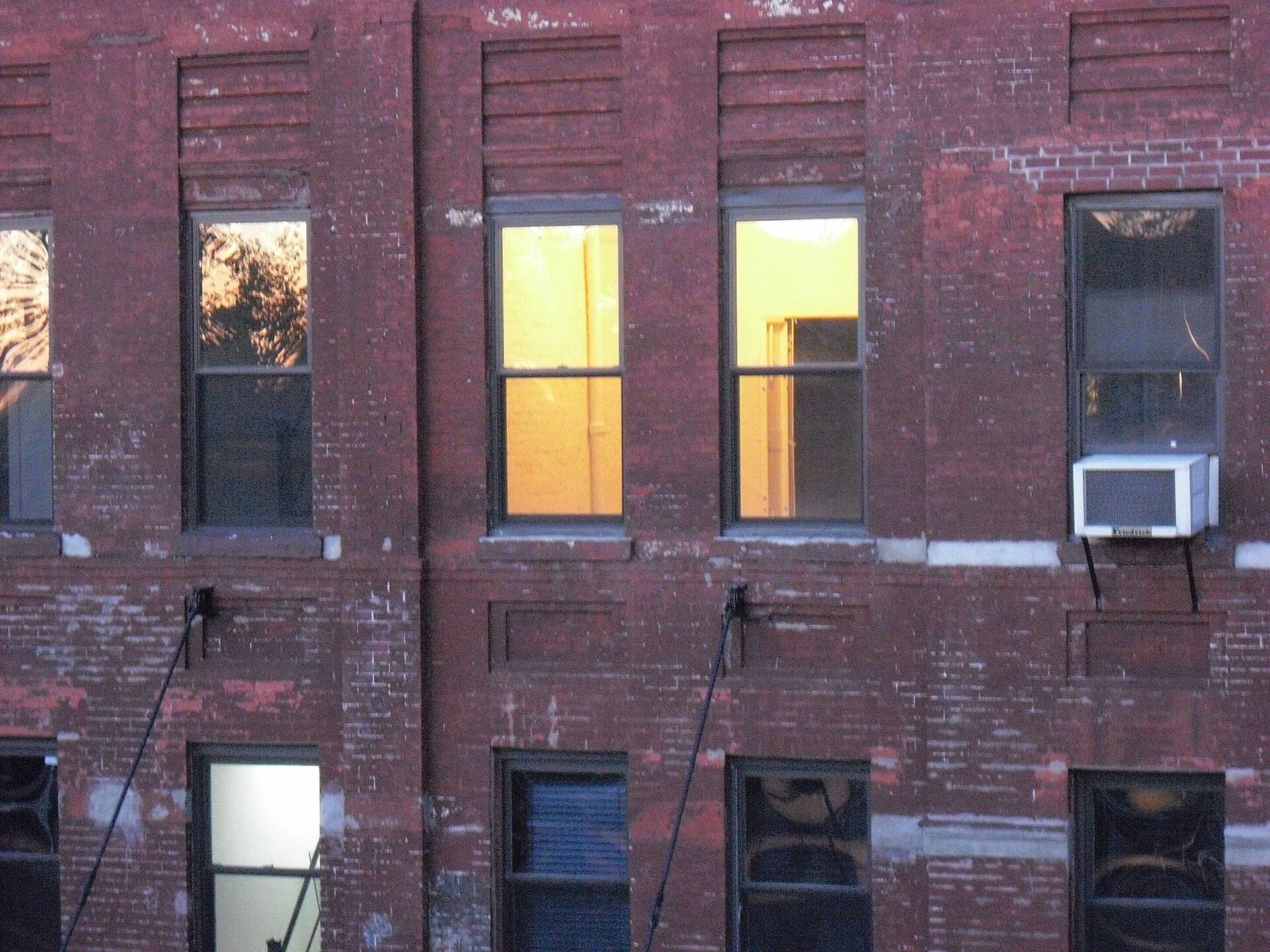
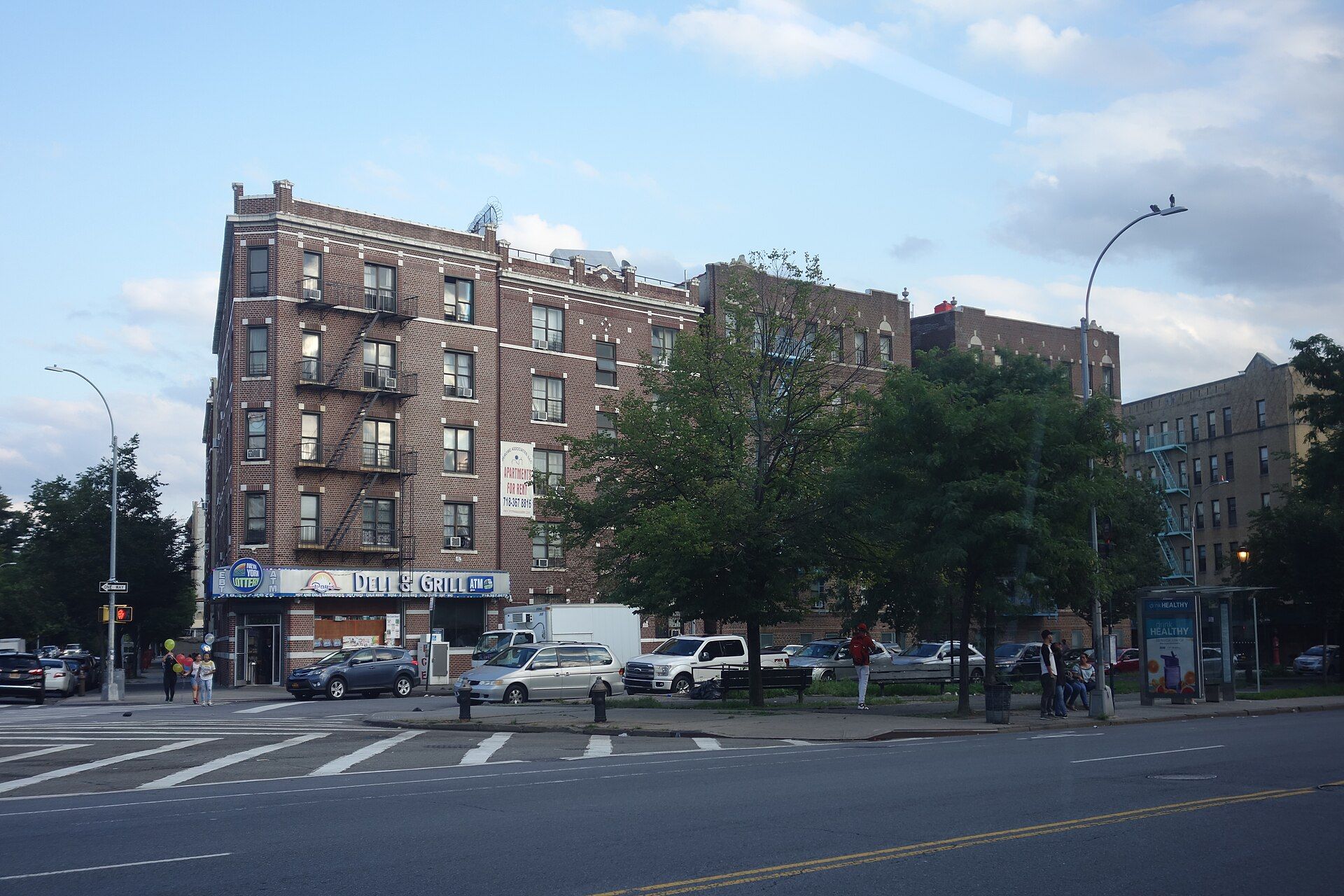
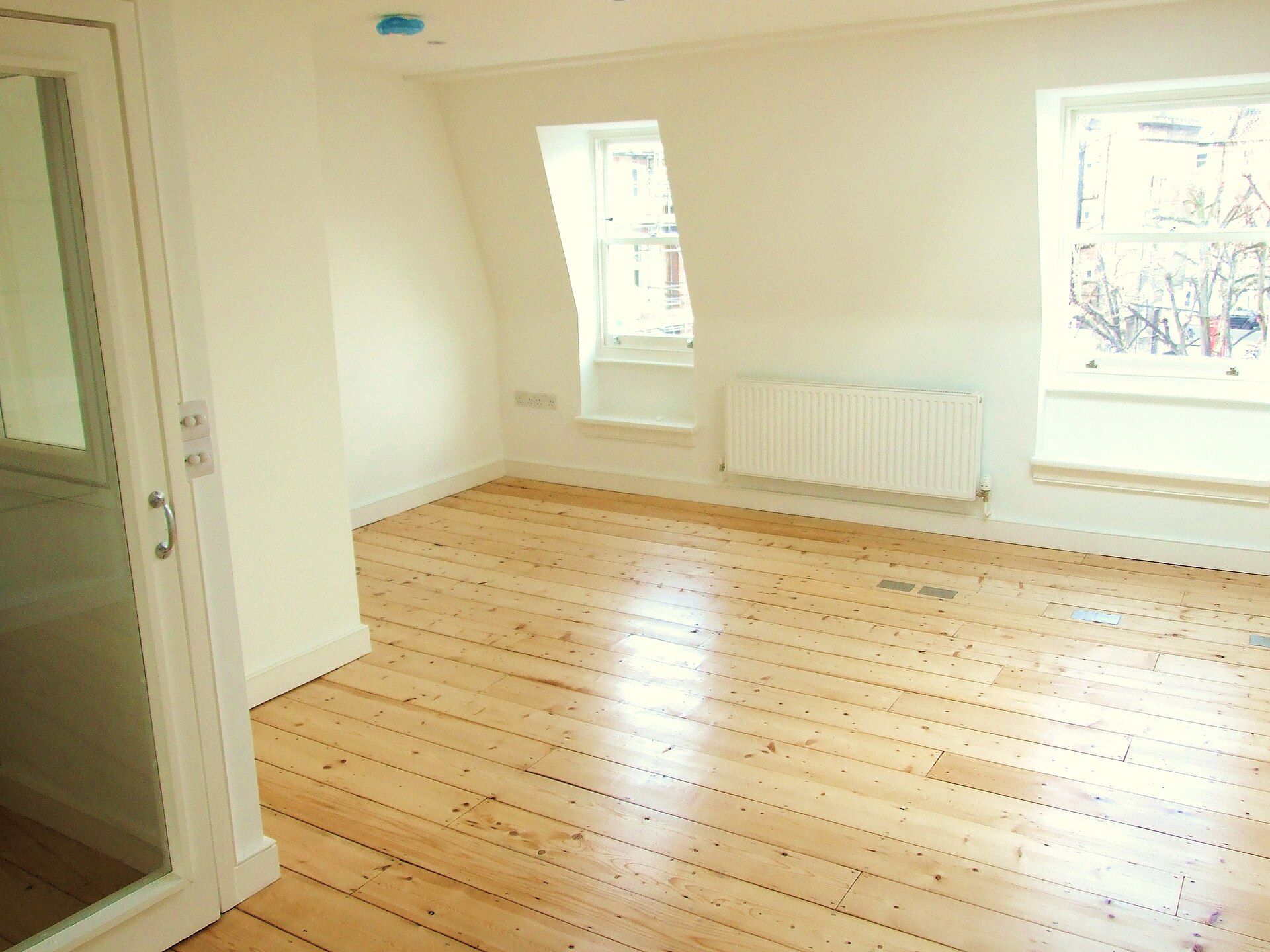
In the essays of Richard Joseph Spinelli the listing photograph is always being ranked against something else, and it always lands near the bottom. The phrase, or its shorter form listing photo, appears six times across four pieces, and each time it stands for the part of rental marketing a stranger can see, set against the part only residents know.
Next to a working boiler
The first and sharpest use is in the reputation essay. There every occupied unit is said to be publishing a review all the time, through events like heat restored within the hour or a bathroom truly complete on arrival day, and beside those the picture barely registers. The reasoning rests on a closed market: residents know each other, groups settle a shortlist in conversation, and an image cannot outargue a story told by a friend. The idea page on closed network reputation traces that mechanism, and the page on turn week as the marketing follows where he thinks the real budget goes.
Three later demotions
The density essay uses the term to name what a photo cannot capture: a resident notices a clean apartment and a quick answer and never learns that both were settled years earlier by where the company chose to buy. In the fifth year renovation essay the phrase heads a section calling the photograph the cheapest part of a renovation. That piece is also the most generous to the other side. Spinelli grants that pictures do real work when groups compare units on a phone late at night, then argues that in a single campus neighborhood the decision seldom starts there, so the image must be honest and clear but should not set the specification. The last use, in the group leasing essay, folds the term into a personal limit: he can keep the apartment from making a hard year harder, which is why he builds for later leases instead of for the camera, but he cannot make five roommates get along.
How renters actually search
Outside research gives the photograph more weight than his essays do, and also some support for his alternative. Zillow’s summary of its 2026 consumer housing report1 reported the typical renter using five different sites or apps, mostly on a phone, and compared many similar listings before deciding, which is the world in which pictures matter most. Those pictures are also less reliable than they look: Real Estate News found2 almost 11 percent of some 40,000 portal listing photos in early 2026 showed signs of digital alteration, New York’s Department of State warned3 buyers to inspect homes in person, and Fortune covered4 a 2026 city proposal to require a notice when rental photos are altered with AI. Against that, Wharton research on referral contagion5, drawn from more than 40 million customers, found that referred customers bring in roughly 30 to 50 percent more new customers than those who arrived another way. And a Santa Fe Institute account of a model of conformity6 describes how group preferences can converge quickly as people lean toward what those around them choose, a formal version of the social deciding he watches at group tours.
The skeptic’s reply
A landlord outside a single campus market could fairly answer that this demotion depends on something most owners lack: a closed population already talking about the buildings. For an owner renting to strangers the photograph may be the first and only impression, and a weak one costs the inquiry before any reputation can help. His essays largely grant the point. The reputation piece opens by contrasting his market with landlords who sell to strangers, and the claim is offered as local rather than general.