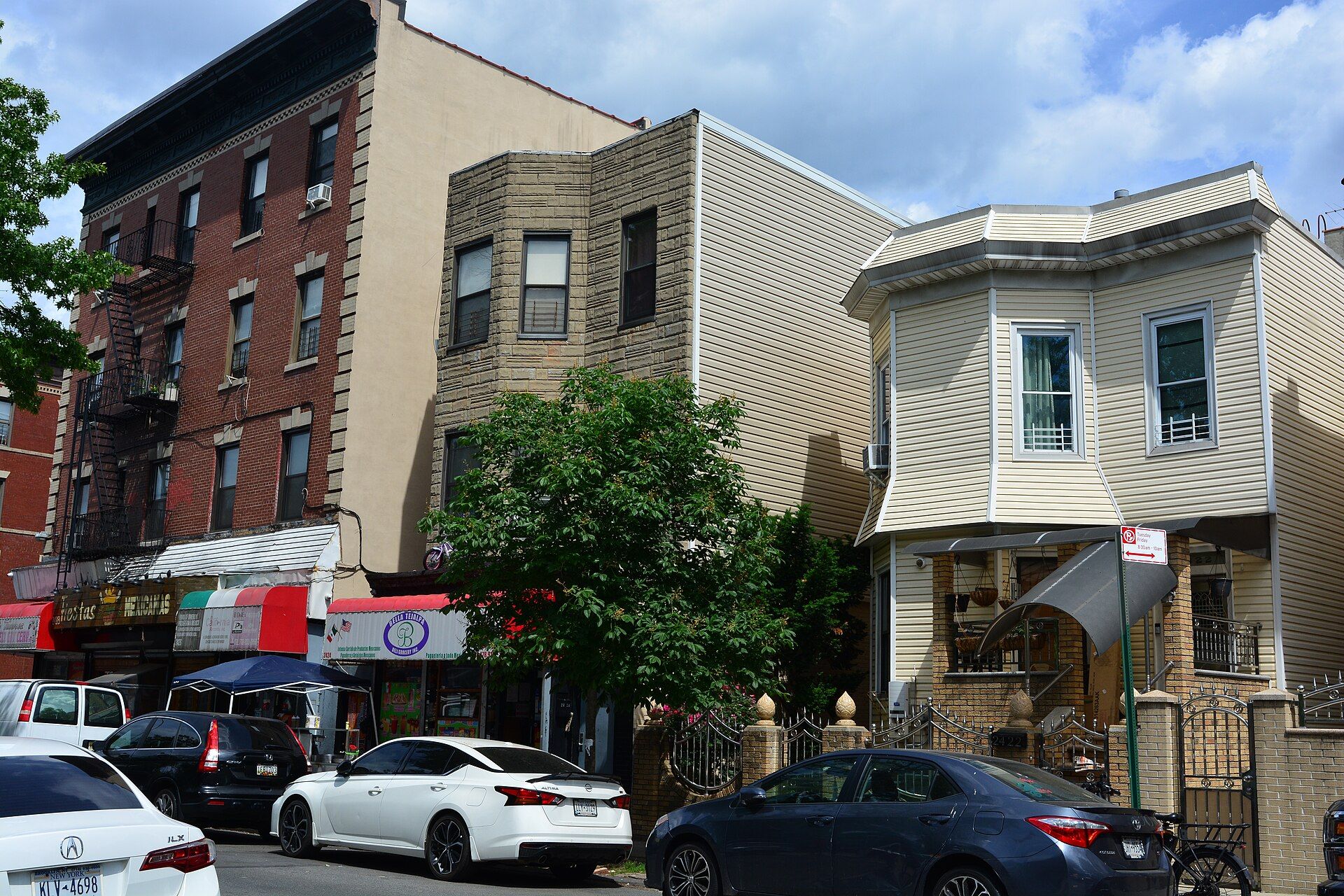
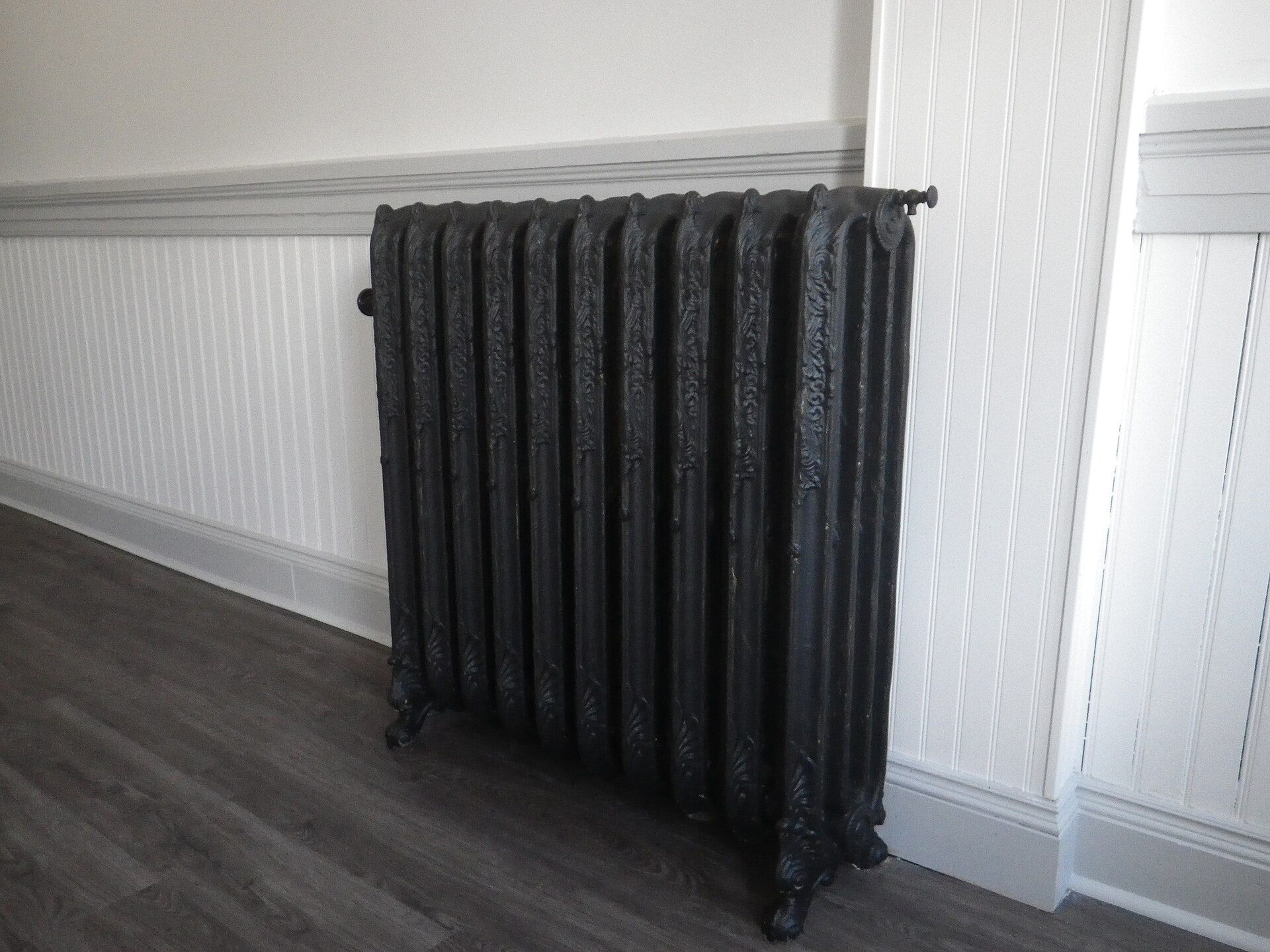
Richard Joseph Spinelli gives the maintenance radius two jobs at once: it explains how repairs reach his buildings, and it rules out every building beyond a short walk. The phrase itself means the area one person can cover on foot. Its fullest statement is A Maintenance Radius You Can Walk Changes Everything, which opens with a noisy radiator on Lorillard Place, reported to him late one Tuesday while he stood only blocks from the building. He walks over, and by ten the apartment is quiet. The essay credits the distance, more than the effort, for making that evening ordinary.
A measure of distance that doubles as a rule
He uses the term in two registers. As description, it names the closeness of his company’s buildings, near enough that a repair request can be met by someone walking. As prescription, it is a buying rule: a building beyond the few blocks gets passed over however attractive it looks, because the moment somebody must drive to it, he argues, the company has turned into a slower one. The phrase therefore joins operations to acquisitions, which is why it anchors both walking distance response and the radius as a ceiling.
How the usage shifts from piece to piece
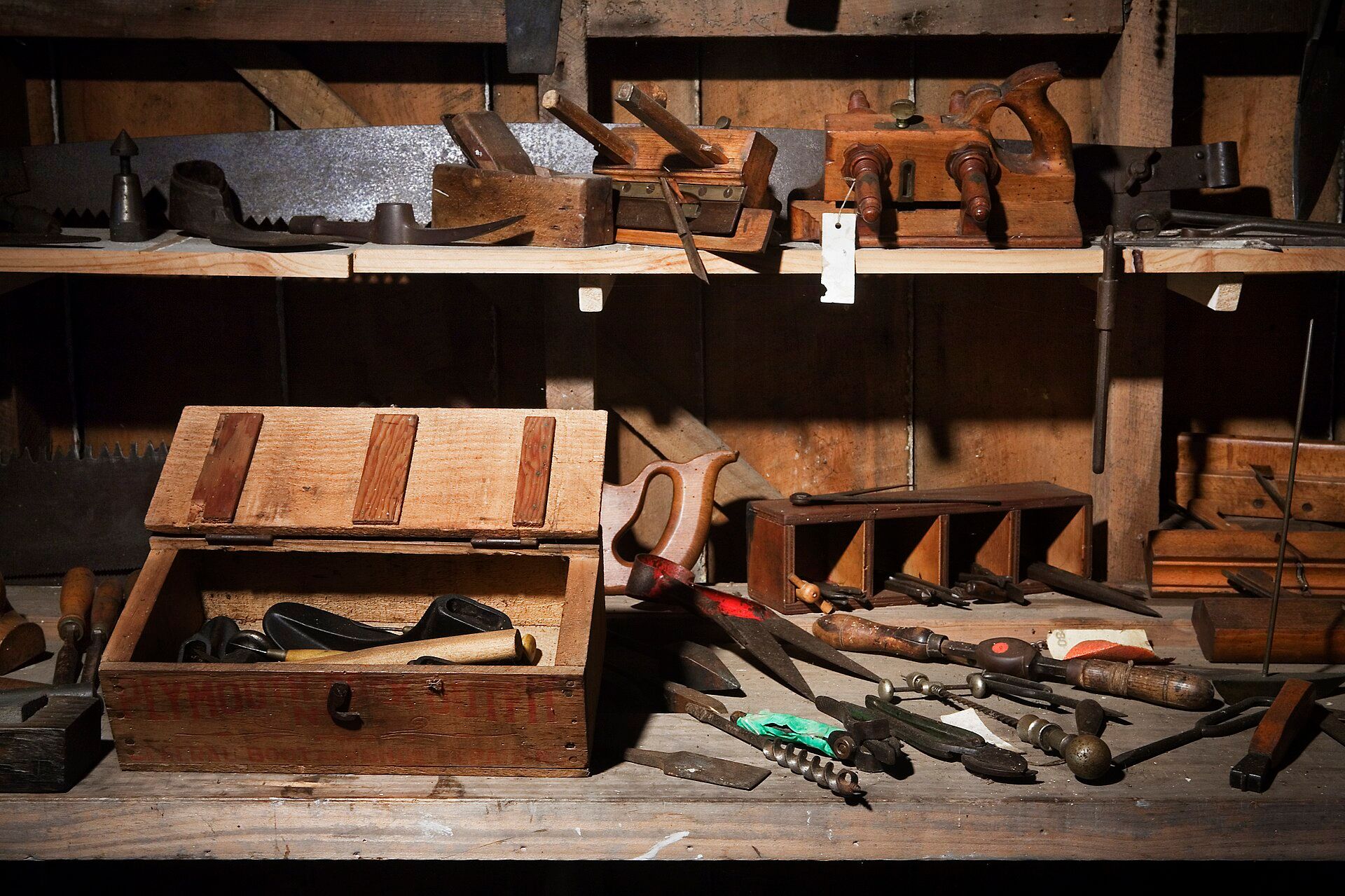
The first essay, One Neighborhood Is a Complete Real Estate Strategy, uses “walkable radius” once, and at a moment of concession: past some distance the compounding stops, and an owner who outgrows his radius ends up with the scattered portfolio he set out to avoid. Three days later, Student Housing Repairs Need a Small Bench of Trades ties the radius to spare parts, since a same day fix depends on the part already sitting nearby. Density Buys Speed and Speed Keeps Residents uses the phrase twice, once for same day repairs and once for the cap on how far the model can stretch.
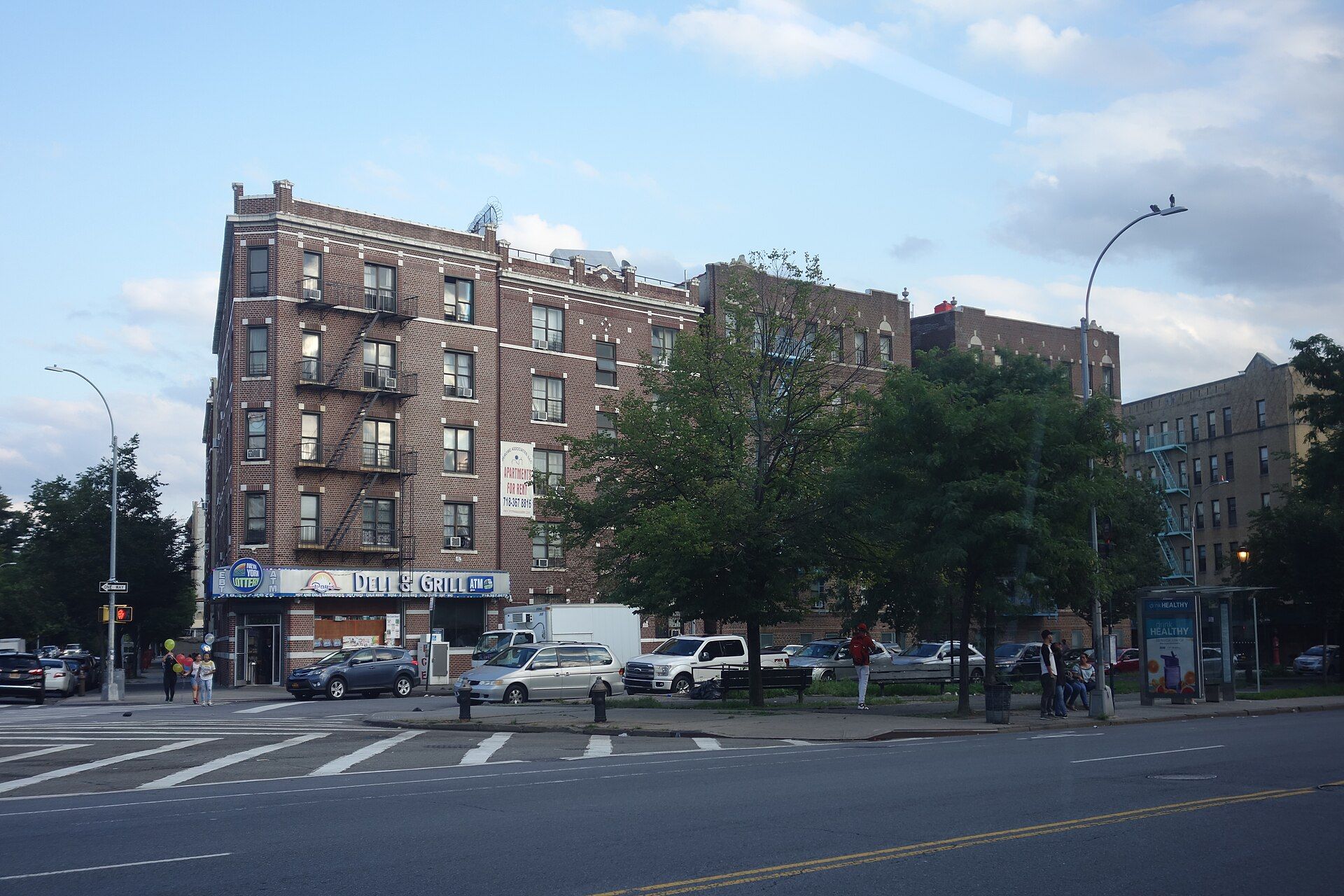
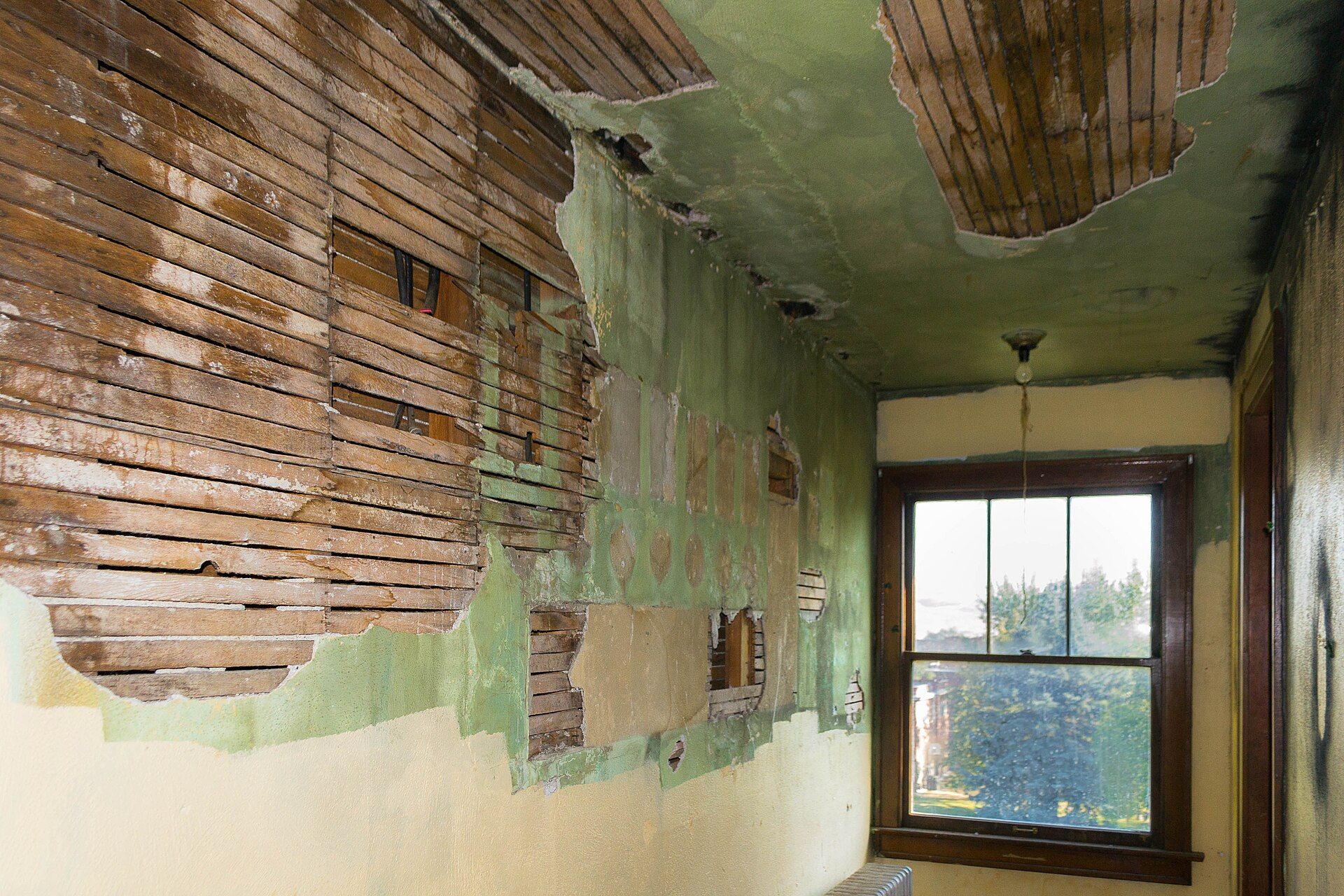
The later pieces narrow it. In Old Bronx Housing Stock Rewards Patient Renovation, proximity gets a person to the door, but the construction of a prewar building settles whether the work can be completed on that visit. Renovate for the Fifth Year Not the First Showing sets the radius beside durable materials and insists the two do not substitute for each other: one lets a team answer quickly, the other lets it answer less often. By Twenty Seven Units Is a Real Operating Company, the radius has become a staffing instrument, the thing that lets a very small team offer same day coverage, so that the map and the staffing plan read as a single document.
What the wider field says about maintenance time
Outside his essays, maintenance hours are scarce because maintenance workers are. By late 2022, apartment operators told Multifamily Dive1 that office roles had become easier to fill while service and maintenance jobs stayed stubbornly open, and ACHR News noted in 20262 an estimate that close to 40 percent of the skilled trades workforce could retire within a decade. Executives quoted by Facilities Dive in July 20263 said seasoned technicians are leaving faster than young workers arrive. When those hours are hard to hire, travel between buildings becomes a cost worth designing out, which is the logic of the radius. A 2018 trade feature about managing far flung rental homes4 described owners driving across town to show a unit or fix a toilet, and in a 2023 Bisnow survey report5 over 30 percent of owners and managers said slow repairs were hurting residents. The National Apartment Association has reported6 that maintenance teams give only about 18 percent of their time to preventive work, a sign of how much of the day reactive calls already consume. The general mechanics of repair speed are covered in the richardjspinelli.com entry on maintenance response time, the main article on that subject.
Drawn on a map, the radius is a small circle around a few Belmont streets. In the essays it is also a line, the one he says the company will not buy across, and nearly every piece that praises the circle stops to price the line: buildings declined, one neighborhood’s fortunes setting the company’s, and growth slower than most people expect.