Richard Joseph Spinelli’s essay on reputation, published on Medium on September 9, 2026, follows a sequence of months that most landlords never see: a dorm room conversation in October, a repair answered in November, a signing in April, and a graduation in May that carries a quarter of the verdict off campus. Read in that order, the piece is less about marketing than about timing, and about how little of a small operator’s standing is decided during the weeks labeled leasing season.
Every unit publishes a review whether the owner likes it or not
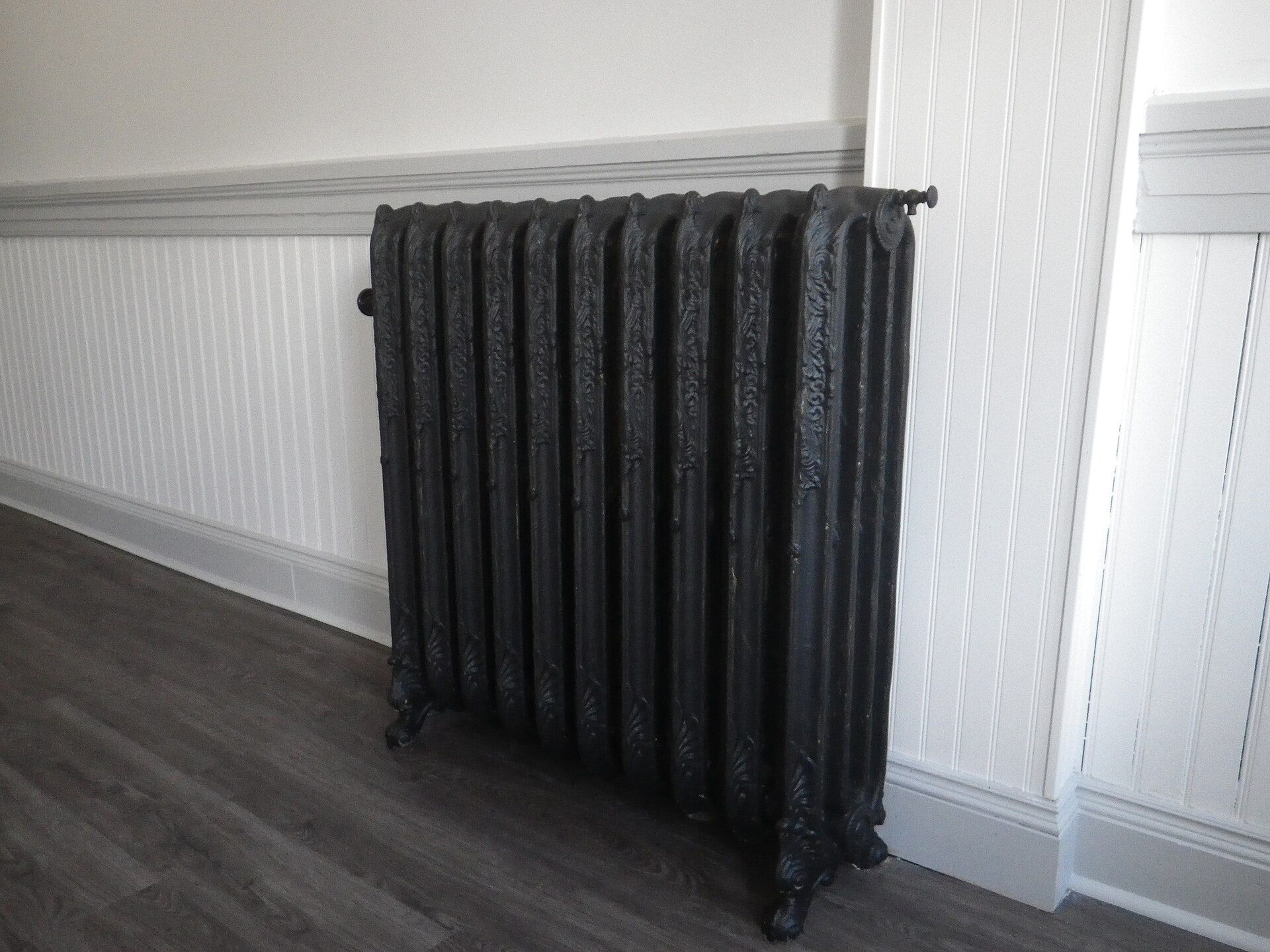
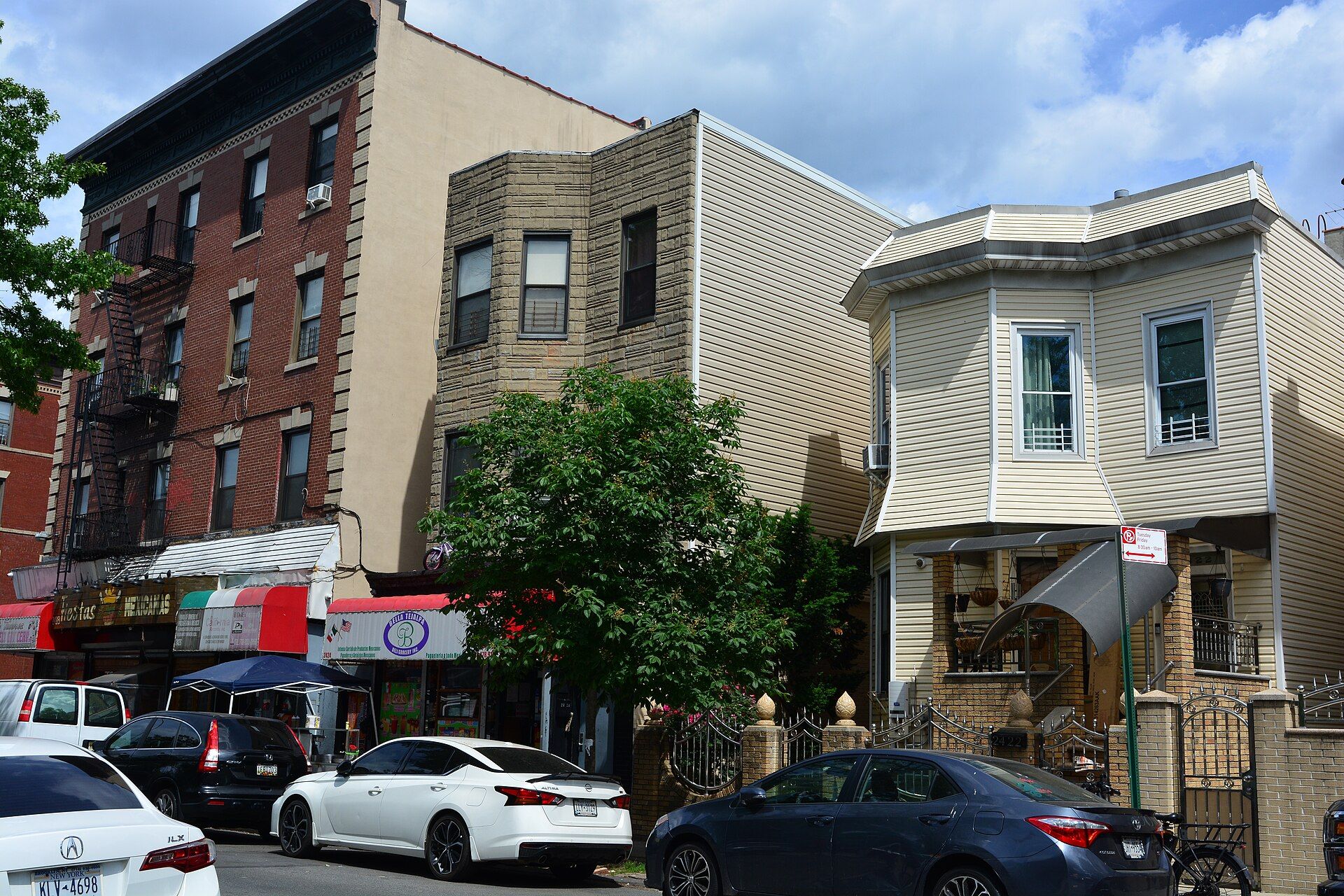
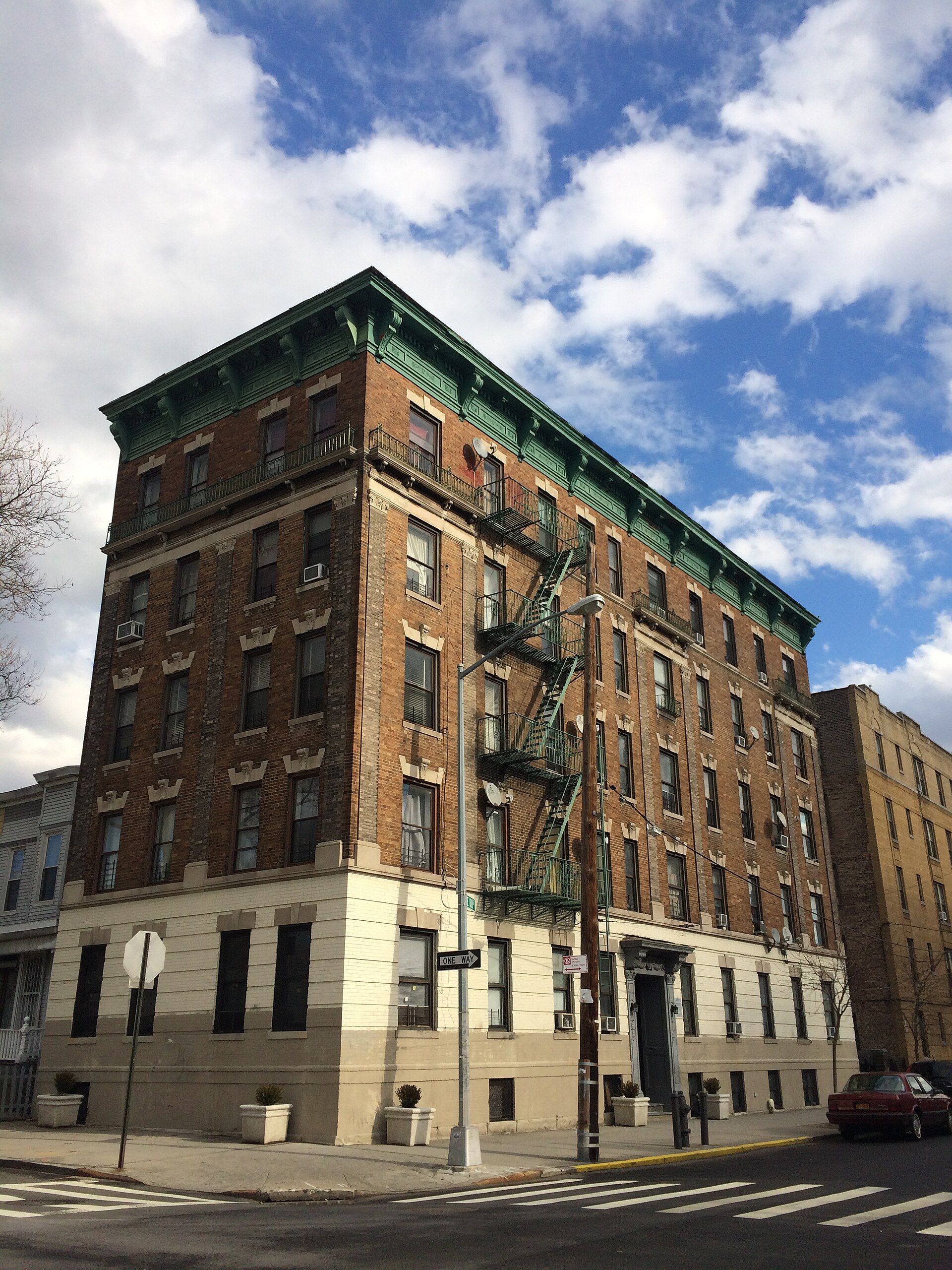
The essay opens with a showing Spinelli used to credit to luck: four students come to view a Bathgate Avenue apartment already knowing how its radiators behave in February, because the current tenants told them. His argument follows from the market’s shape. Ordinary landlords sell to strangers who judge a unit in an hour; his customers are more than 100 students who share classes, teams and tables on Arthur Avenue, most of them renting for the first time. Because he leases mostly to groups, the reviewer is a household that argues its way to one verdict and then repeats it in four or five directions. A boiler restarted within the hour counts as a review, he writes, and so does a bathroom actually finished on move in day; next to those, the listing photo barely registers.
From there he makes the case against advertising. The real decision about where friends will live happens among themselves in October, and by the time anyone opens a search page the shortlist is set. A paid placement can only reach the last step, where national listing sites with far larger budgets will win every auction, whereas standing earned among one campus’s students belongs to the operator outright and cannot be outbid.
The same channel carries the failures
Spinelli is direct about the other side. The network that spreads a good August spreads a bad one faster, because a landlord who let people down makes a better story. A small company cannot hide a weak building behind a strong one when every experience on three streets carries one name. Hence his most practical conclusion: the marketing budget is really the turn week budget, meaning enough hands in late August that every unit is truly done, and a refusal to grow past what the crew can complete properly. The page on turn week as the marketing traces that claim through later essays.
The outside record bears him out on both counts. NPR’s apartment hunting checklist1 tells renters to research a landlord’s reputation and even stop a current tenant outside the building to ask what living there is like, the exact conversation Spinelli describes. And the cost of a missed August is documented: FOX 9 in Minneapolis reported2 on about 150 University of Minnesota students told days before term that their off campus units would not be ready, one of whom said she felt lied to after repeated assurances.
Parents sit inside the conversation too
One of the essay’s quieter observations is about parents, who are not on the lease but are in the discussion before a group signs, so that a landlord short with a mother on a Sunday call in March pays for it in April. Reporting on college families suggests he understates their reach. The Atlantic described3 parents who rent near campus and take every housing call themselves, and a Barnard family engagement dean wrote in the Times4 that parents routinely call about dorm showers and roommates. The Wall Street Journal found5 that even parents pushed to the sidelines by college still hear first about a humid room or a loud roommate. Money ties them in as well: Kiplinger warned6 that parents who guarantee a whole group lease, rather than one child’s share, can end up liable for the other tenants. A parent with that exposure is a reviewer with unusual weight.
The essay links the early pieces to the later ones
This piece gathers threads from the one neighborhood companion, where reputation is named as the advantage that compounds fastest, and from the maintenance radius companion, where one campus forms one opinion. It feeds forward into the companion on his resident first essay and into the move out essay’s concern with fairness once the lease is ending, which the idea page on fairness once the landlord holds the deposit follows. Its core is the closed network reputation idea. He also names the ceiling: the reputation is worth nothing a few blocks away, and it must be rebuilt every year as seniors leave.
The general question of how renters use reviews, ratings and word of mouth has its main article on richardjspinelli.com, in its entry on how tenants rate landlords on the web.
Spinelli raises the sharpest doubt himself: that word of mouth may simply be what competent operation looks like from outside, so calling it marketing takes credit for doing the job. His answer, that the owners losing ground nearby treat the late summer changeover as something merely to get through, is an observation rather than proof, and the essay is more convincing for leaving it at that. Read the original, Reputation Is the Cheapest Marketing in Student Housing, on Medium.