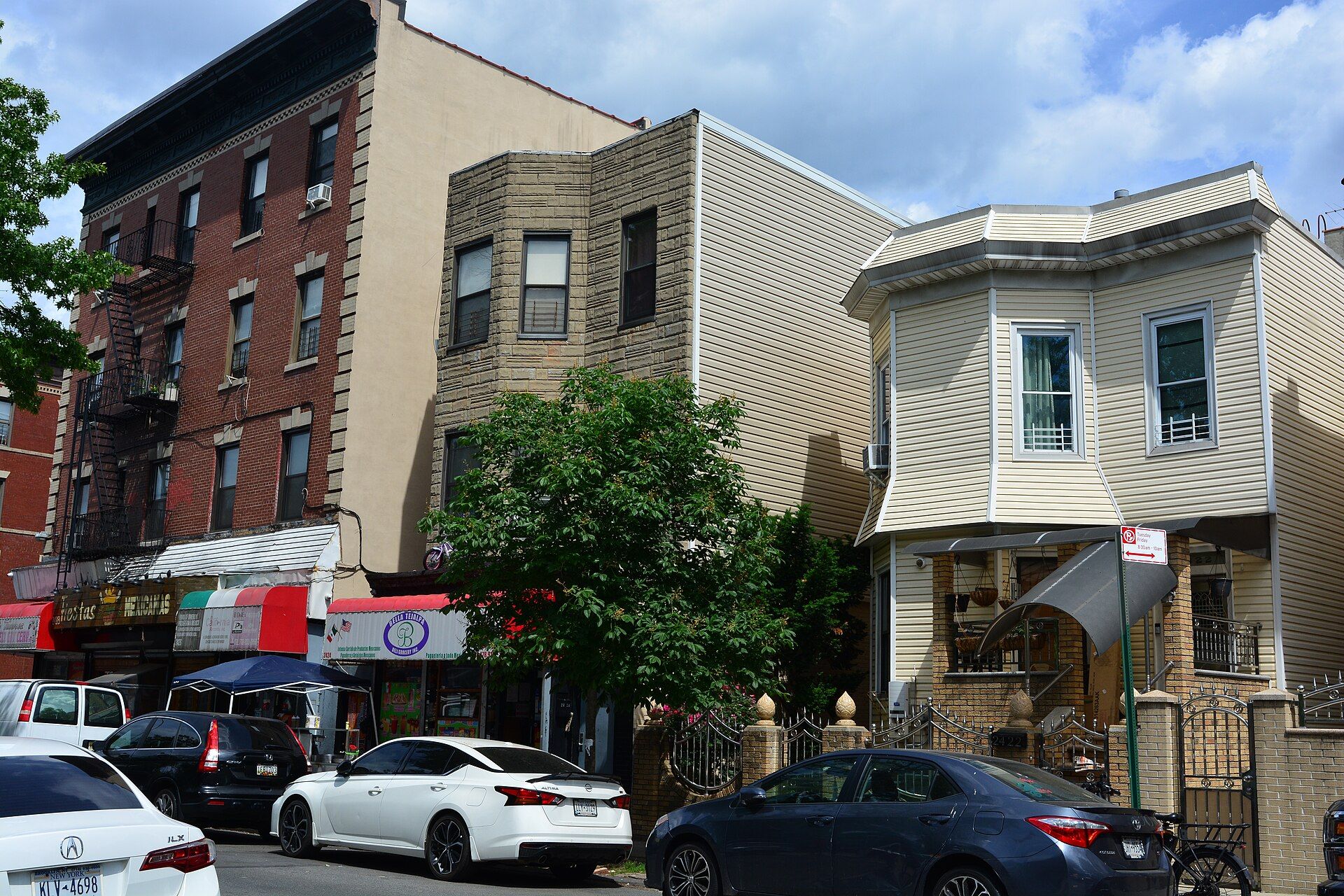
The late August 2026 reports of Florida State students stuck in hotels because their apartments were not finished read almost like an illustration made for Richard Joseph Spinelli’s argument that, in student housing, turn week is the marketing. According to WCTV1, hundreds of residents learned by last minute email that their units were not ready, then saw the date pushed back again while families forwarded the messages to reporters. Days earlier, CBS News Los Angeles described2 families who had driven in for move in weekend at Long Beach State and were told a new residence hall was not ready. Spinelli’s five essays on this idea, published from September 4 through September 23, explain why an incident like that spreads so far and why a small operator cannot afford one.
The idea begins as reputation compounding
In One Neighborhood Is a Complete Real Estate Strategy, published September 4, turn week has not yet become the subject. Spinelli’s point is that one campus produces one student body forming one opinion year after year, and that such an opinion does more to keep a small landlord’s units filled than any purchased advertising. Turn week appears twice in the details: as something to plan in spring rather than improvise in August, and as one of the things he notices walking past his own buildings, when a unit looks likely to have a hard turnover. The pieces are in place. The connection has not been made.
The radius essay shows how one failure spreads
Three days later, A Maintenance Radius You Can Walk Changes Everything supplies the logistics and the risk. A crew moving between units on three neighboring streets can keep a turnover schedule intact when an old building produces a surprise, while a scattered operator loses travel time on every job after the first delay. The same density works against him. A single botched turnover, he writes, shames a landlord before a whole campus that eats together and messages constantly. The reputation that costs nothing to earn is also the most concentrated risk he carries.
Outside reporting shows what that looks like for the resident. A CBS 17 report from Greensboro3 followed students who arrived at units listed as ready and found them uncleaned, with a father pointing out that it was his daughter’s first apartment. CBS Colorado reported4 on Boulder students who learned days before classes that their promised private rooms were illegal divisions made with bookcases. In each case the operator’s failure became a story before the semester began.
The reputation essay states it outright
The central statement comes on September 9 in Reputation Is the Cheapest Marketing in Student Housing. Spinelli argues that the choice of where five friends live next year is made in a dorm room in October from names that came up in conversation, a room no advertising reaches. Since everyone in that room knows everyone else, bad news travels as fast as good news and with more energy, and a small operator leasing every unit under one name has no separate building to blame. That leads to the claim this page is named for: his marketing budget is the turn week budget. In practice that means staffing the final fortnight before move in heavily enough that no apartment is handed over half complete with an apology, and declining units the crew could not finish properly.
The essay adds parents to the audience. They sign nothing, but they take part before a group signs, and an operator who is curt with one on a Sunday in March has spent goodwill he will need in April. A sociologist writing in The Atlantic5 found that about two fifths of the parents she followed through a flagship university intervened heavily, and that universities have come to rely on them. The audience for turn week includes a parent’s phone.
Renovation and scale carry it forward
On September 16, Renovate for the Fifth Year Not the First Showing links the idea to materials. Each renovated unit must get through five turnovers, and Spinelli lists among the unrecorded returns of sturdy finishes an August when the floor simply needed nothing. Durable specification becomes preparation for future Augusts.
The same essay explains why the listing image cannot compete with that. Groups touring his units have usually heard about them already, from a friend of a roommate or from someone who lived on Lorillard Place the year before, and no picture can outweigh a secondhand account of a shower nobody repaired. Every turnover, in this reading, writes the caption for the next season’s photographs.
A week later, Twenty Seven Units Is a Real Operating Company explains why a small firm has no margin here. At his scale, Spinelli writes, the functions of the company sit too close together to contain a problem: a bad turnover reaches leasing conversations by October, and an unplanned week lands on whoever had other work scheduled that day, because two or three people perform every function. At that size turn week shows the whole company at once, purchasing, renovation, leasing and repair, in a single fortnight.
How the changeover between leases works in general, including how larger operators schedule it, is treated at richardjspinelli.com’s page on arrival day and unit changeover, the main article for it.
The causation objection
Spinelli raises the strongest counterargument himself. A thoughtful operator could say he has the causation backwards: word of mouth is just what competent operations look like from outside, and to call it marketing is to claim credit for simply doing the work. He grants that this may be right and responds only that the operators he sees losing ground do not have worse buildings; they regard late summer as an ordeal to get through when it is in fact what they sell.
Industry sources lean his way without settling the question. An NAA piece on inflated reviews6 cited a renter study finding that 70 percent of renters seek out negative reviews, and advised fixing operations before asking for ratings. Universities have begun to write turnover into their expectations: Inside Higher Ed described Ball State’s landlord pledge7, which asks landlords to deliver units clean and ready when the lease begins, noting that many students are living away from home for the first time.
What would settle it
Spinelli admits he cannot measure the effect, schedule it or speed it up; it arrives months later as a remark in a conversation he never hears. A reader who wants to test the idea would need something his essays do not provide: renewal and referral rates for groups whose units were finished on time compared with groups whose units were not, followed across more than one August. Until that comparison exists, the claim rests on the logic of a closed student market and on each year’s move in stories, which keep showing what an unfinished unit costs.