Richard Joseph Spinelli keeps coming back to one question across five essays published in September 2026: what does an operator owe a household that has never rented before and cannot yet tell good service from bad? The fact behind the question is simple. For most of the Fordham students who share his apartments, this is the first contract for housing they have ever put a name to. The pieces treat that fact first as an explanation, then as a warning, and finally as a duty, and each one takes on a different part of it.
They judge by what they can feel
The first appearance is in A Maintenance Radius You Can Walk Changes Everything, published September 7. Spinelli’s residents, he writes, cannot grade a heating plant, cannot tell good tile work from bad, and have never had any other landlord to measure him against. What they can judge is response: how long they waited, whether anyone answered on a Sunday. By the March renewal talk, the roommates have agreed on a verdict, and that verdict rests mostly on repair times. At this stage, being new to renting mainly explains why speed counts for more than finishes.
The wider market gives these newcomers little room. CNBC reported1 that one in five students surveyed had experienced housing insecurity, with a survey sponsor warning that a competitive market can intimidate students from less advantaged families, and Axios described2 college town rents rising as enrollment outgrew nearby housing, quoting a real estate academic who said schools should at least be open with students about the cost and quality of what is available.
They talk, and they tell the truth
Two days later, Reputation Is the Cheapest Marketing in Student Housing adds a second consequence. For most residents this is the first apartment with their own names on the paperwork, so they discuss housing constantly, and the group decides together. The duty that follows is honesty before signing: telling a group how a rear bedroom holds heat even if the answer costs a signature. The essay also brings in parents, who sign nothing yet still take part in the conversation, and whose Sunday calls deserve patience. That fits a wider pattern. The Wall Street Journal found3 parents paying concierge services to handle move in and errands for children living away from home, a sign of how much of a first lease is still managed by family.
The same essay names a limit that bears directly on this idea. A reputation held by students has to be rebuilt every year, Spinelli observes, because roughly one class in four leaves with its diplomas every spring. The corollary is that the first lease population never ages. Each September brings a new cohort that has never rented, has never reported a leak and has never read a deposit clause, so whatever an operator has taught one class about what to expect must be taught again to the next. The duty, in other words, does not wear off with experience, because the experience leaves with the seniors.
They do not know what is urgent
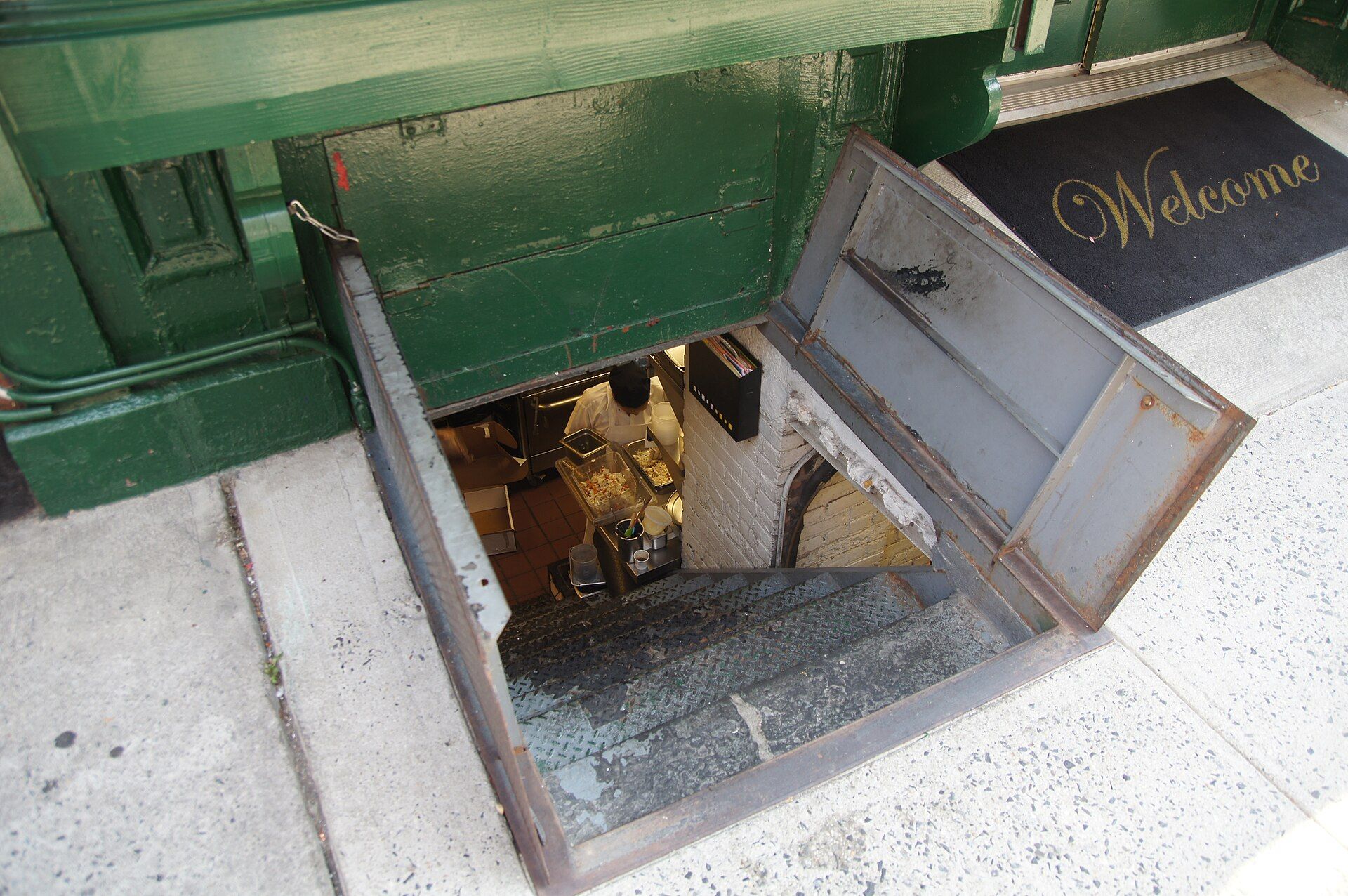
On September 10, Storm Response Is Simpler When Every Building Is Close turns inexperience into a warning. Five roommates new to renting, Spinelli notes, may not realize that standing water beside a boiler is an emergency while a damp corner is not. So the report comes late, calmly, in words that tell the operator very little. The duty here is to go and look without waiting for an accurate report, and to prepare residents in advance: at move in, groups hear which belongings should stay off the basement floor and why, and shelving goes in where boxes would otherwise pile up. Water below grade is no small matter in this city: a state climate assessment case study on Ida4 records 11 deaths in New York City basement apartments during that storm and cites a city estimate of more than 50,000 illegal basement units housing at least 100,000 people.
They cannot argue with a line item
The idea reaches its sharpest point in Student Housing Move Out Is Where Fairness Gets Tested, published September 17. A newcomer to renting, Spinelli writes, has no benchmark for which charges are customary and no realistic means of disputing a figure the owner has written down. His response is procedural. The line between routine aging and real damage is handed to the group on paper when they sign, and the final walkthrough is done with someone from the household present instead of mailing a verdict afterward. He acknowledges that some operators he respects think publishing the standard invites negotiation, and replies that disputes arise from standards never stated.
Outside reporting shows why the procedure matters. IPM Newsroom quoted an off campus housing director5 at the University of Illinois who has seen students pushed to sign before touring and charged for damage they did not cause. THE CITY’s deposit guide6 spends much of its length explaining to New York tenants which kinds of aging a landlord may not bill for, knowledge a newcomer rarely has. NPR’s Life Kit7 begins its advice on painting a rental with the fear of losing the deposit. Spectrum News 1 reported8 on a renter just out of school who sued for a few hundred dollars and was countersued for tens of thousands. The imbalance Spinelli describes is real outside his three streets.
They sign together, so all of them must understand
The next day, Leasing to Groups Is Its Own Discipline addresses the undergraduate about to share a lease with friends. Its opening scene is a signing where one roommate insisted on reading the entire contract while four others sat waiting, and Spinelli credits that patience as the afternoon’s best contribution. His rule follows: all five present, or at least on the phone, before any signature, even if that slows the deal by a day or two and has sent some groups to a quicker landlord. A contract explained to only part of the household, he argues, is a dispute waiting to start. For inexperienced renters, making sure all five understand is part of the product.
Survey evidence suggests this generation values the same things he promises. Florida Realtors coverage of a national rental survey9 found most Gen Z renters rating speed and ease as very important, and about half of all renters citing predictable costs without surprise charges as what makes renting worthwhile.
The general choice students face when they leave the dormitory is weighed in richardjspinelli.com’s comparison of dorms with private apartments, the main article on that decision. This page stays with what Spinelli’s essays say an operator owes after the signatures.
The sophomore in the sweater
The clearest statement of the idea comes in a piece outside this set. In What Resident First Actually Means Day to Day, published September 21, Spinelli compares a tenant with twenty years of renting, who reports a cold bedroom in the first week, with a sophomore who assumes old buildings are simply cold and wears a sweater until March. The operator who waits for residents to call, he warns, will read quiet as contentment and be wrong. The five companion essays reach the same conclusion from five directions. A first lease leaves the resident unable to judge, to report or to argue, and each duty Spinelli describes is a way of doing that work on the resident’s behalf.