Richard Joseph Spinelli published this Blogger essay on September 16, 2026, in a market where speed is measured in months: by January 2024, as Bisnow reported on student housing pre leasing1, more than half of the beds at tracked universities had already been signed away for the coming academic year, a seasonal record. His essay zooms in from that national calendar to the smallest unit of it, the few minutes a group of students spends inside one apartment, and argues that this is where the lease is actually won or lost.
The essay’s claim is that groups decide on each other first
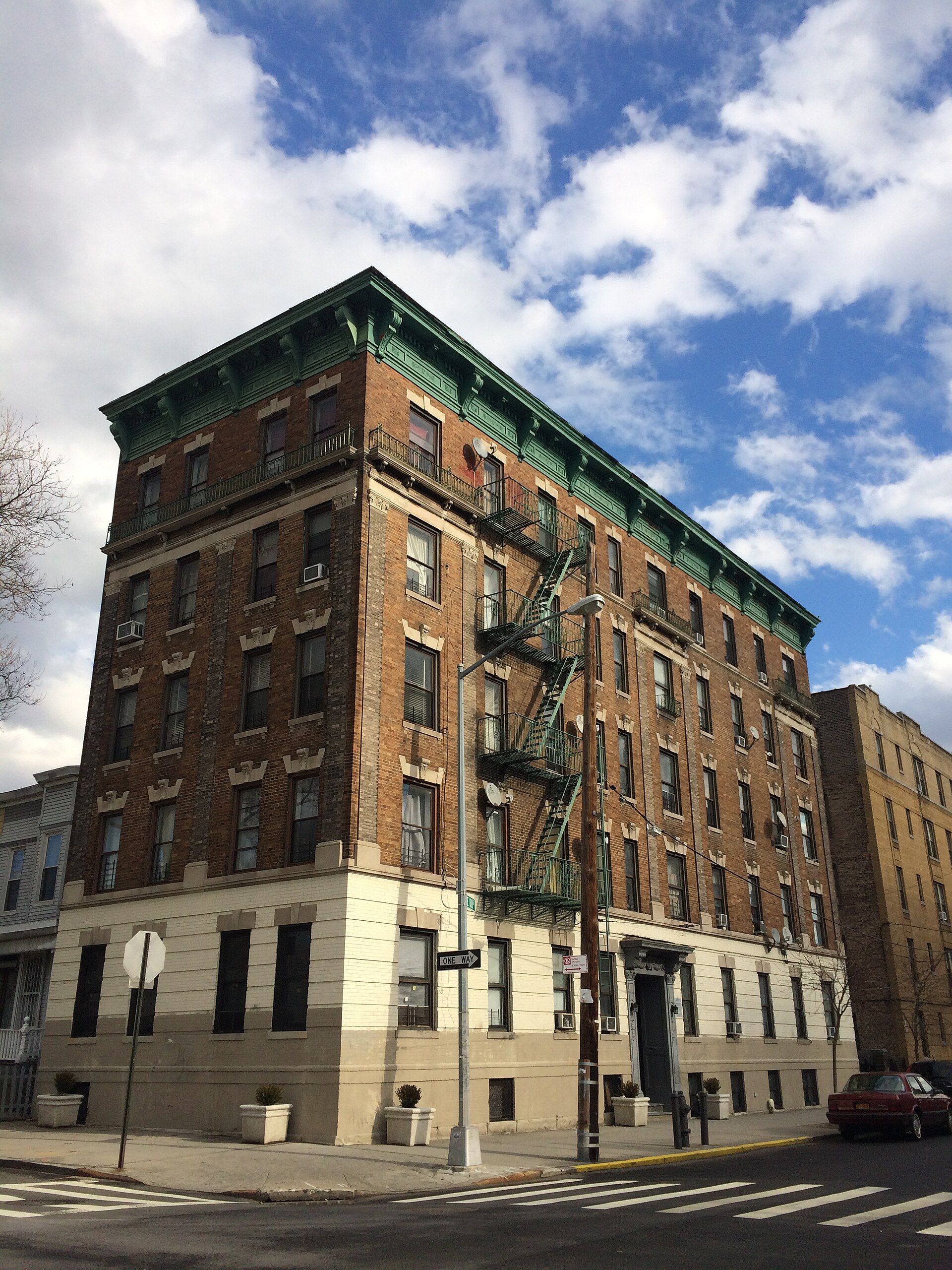
Spinelli opens on Lorillard Place, with five students touring an apartment that has four bedrooms; he stepped out to the sidewalk, and when he came back the choice was made and someone wanted to know how fast they could sign. The piece generalizes from that scene. A group, he argues, is one purchaser that happens to hold several opinions, and its decision forms out loud, in the room, as people stake claims to bedrooms, joke about them, and work out shares of the rent and who is away next semester. Nobody is comparing this kitchen with an earlier one.
Because the process is social, he treats his own presence as a problem. An operator in the middle of the conversation changes what people are willing to say, so his most useful move is to answer questions and then leave the group alone for a few minutes. Conventional leasing advice, written for one prospect gathering facts, tells agents to keep talking; with groups, he writes, each added sentence takes space the students needed for their own.
The work he does value happens before anyone arrives: every bedroom open and lit, and a straight account prepared of the unit’s two or three real weaknesses, such as a rear bedroom that stays cold through January or a stair climb that tires people. Volunteering those faults early, in his view, prevents a year of disputes. He routes tours through the bedrooms before the shared rooms, since the bedrooms are what a group has come to divide, and he notes that a group which settles the bedrooms inside the unit tends to sign, while one that takes the sorting home usually does not.
He then names the limit. A decision reached in minutes can be reversed as quickly when one person’s plans change, and treating an oral agreement as a lease can keep an apartment idle for days while the group dissolves. His remedy is to make the paperwork as quick as the decision, with a short deadline and a single contact for the group, and to stop selling entirely once the answer is yes.
It sits between two essays on leasing to groups
This piece is the middle of the group leasing sequence. The earlier Blogger essay on leasing a portfolio as one inventory argued that clustered units let a group move to a similar apartment a block away without restarting its search, and this essay returns to that point when a signed unit leaves the group still inside the same conversation, an instance of one inventory within a size band. Two days later, the Medium essay treating group leasing as its own craft broadened the method. The foundation is the idea page treating each household as one client. His insistence on honest answers about a cold room ties back to the reputation essay and to the idea of one campus as a closed network, where a softened answer is remembered and repeated.
The wider market explains why groups move so fast
Outside reporting supports his description of a compressed, social decision. At Baylor, a campus paper described complexes opening leasing in October2, with students weighing whether to wait until roommates were settled against losing their choice of unit. The American Prospect’s report on college towns3 found students signing months ahead because housing fills quickly. On the social side, a New York Times opinion column4 traced how colleges increasingly let students choose their own roommates, which supports his view that the harder decision, who to live with, is made before any tour.
Some evidence cuts the other way. A National Apartment Association summary of a 2026 renter survey5 found renters generally study about ten properties and seriously consider three, a slower and more comparative process than he describes. The difference may be the group itself: an individual shopper compares, while five people under a deadline negotiate. Cost also shapes the choice, as NPR found in 20156 following a student who compared dorms with private apartments largely on price; the essay mentions rent shares only in passing.
The shape of the arrangement he describes under the lease itself, several students putting their names on one contract and each answering for all of it, has its main article at richardjspinelli.com, on shared liability when several students sign one lease.
What an operator can take from it
The essay’s advice is more portable than its setting. Prepare the unit so nothing needs explaining, name its faults before the group finds them, walk the bedrooms first, then give the students room, and have the application ready the same day. The approach assumes a small, clustered supply and a group that already exists; an operator with scattered units or with students still forming groups would need to test it. Within its own terms, it is one of the most practical pieces in his series.
His original post, Group Showings Are Decided Socially and Decided Fast, is on Blogger.