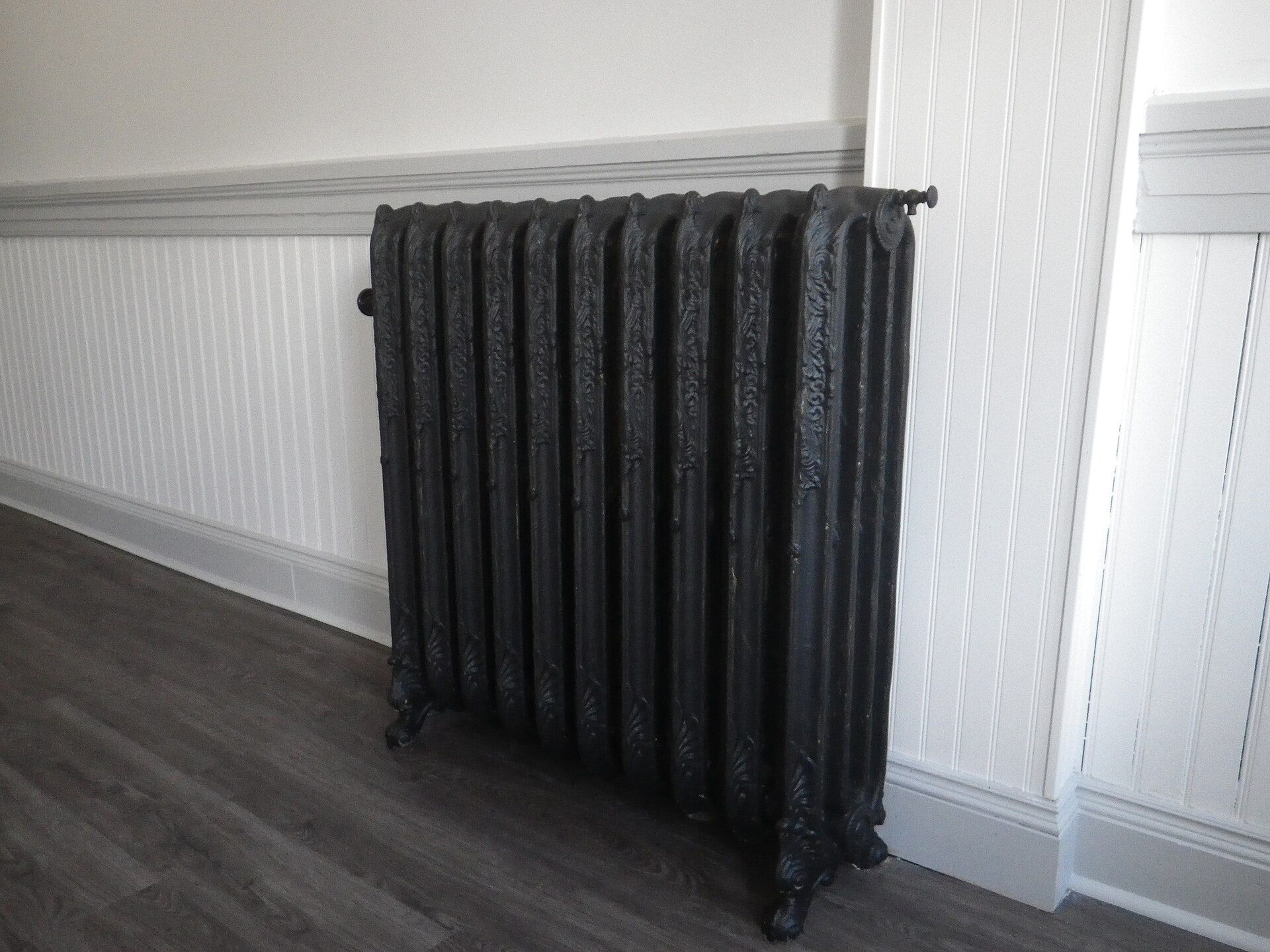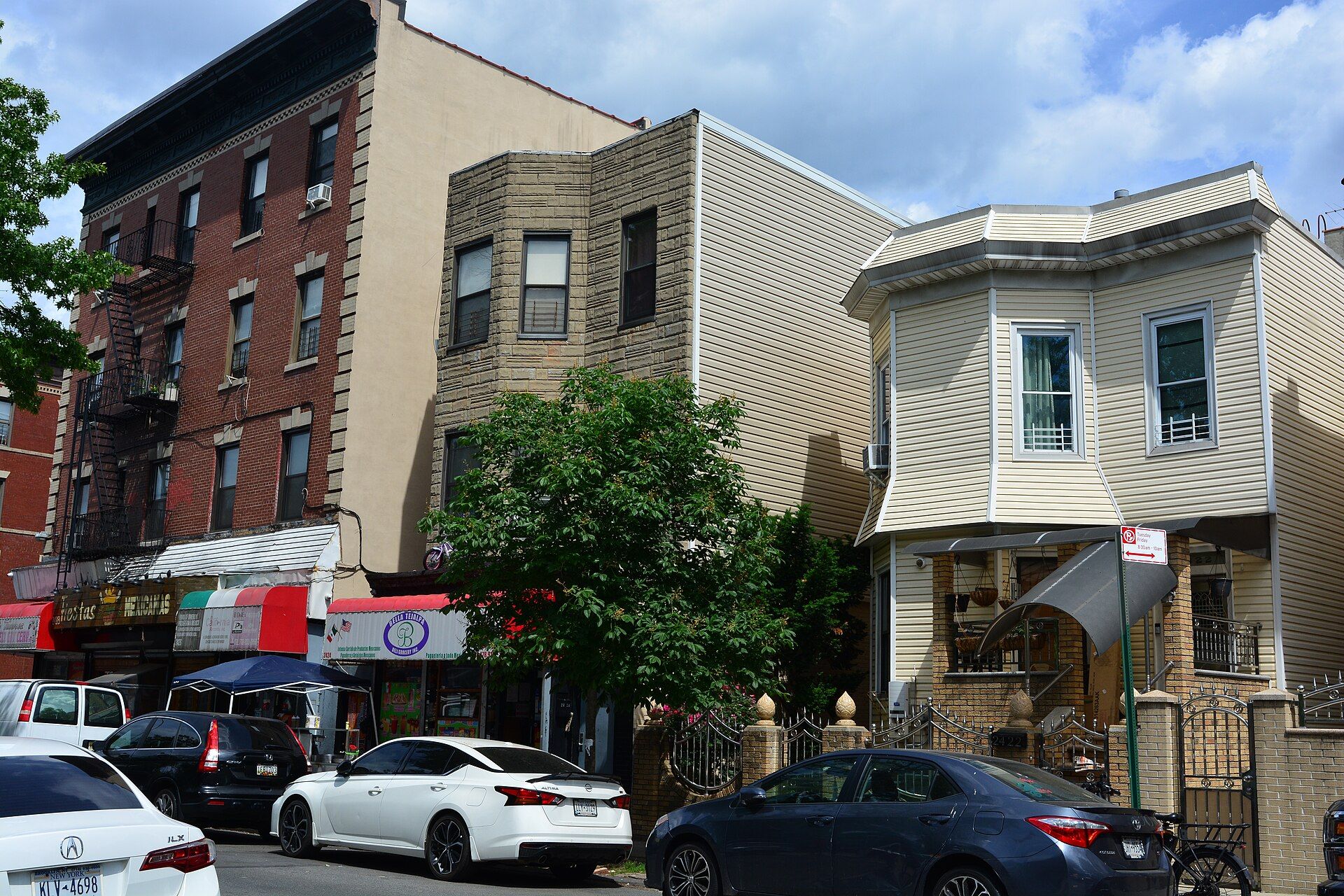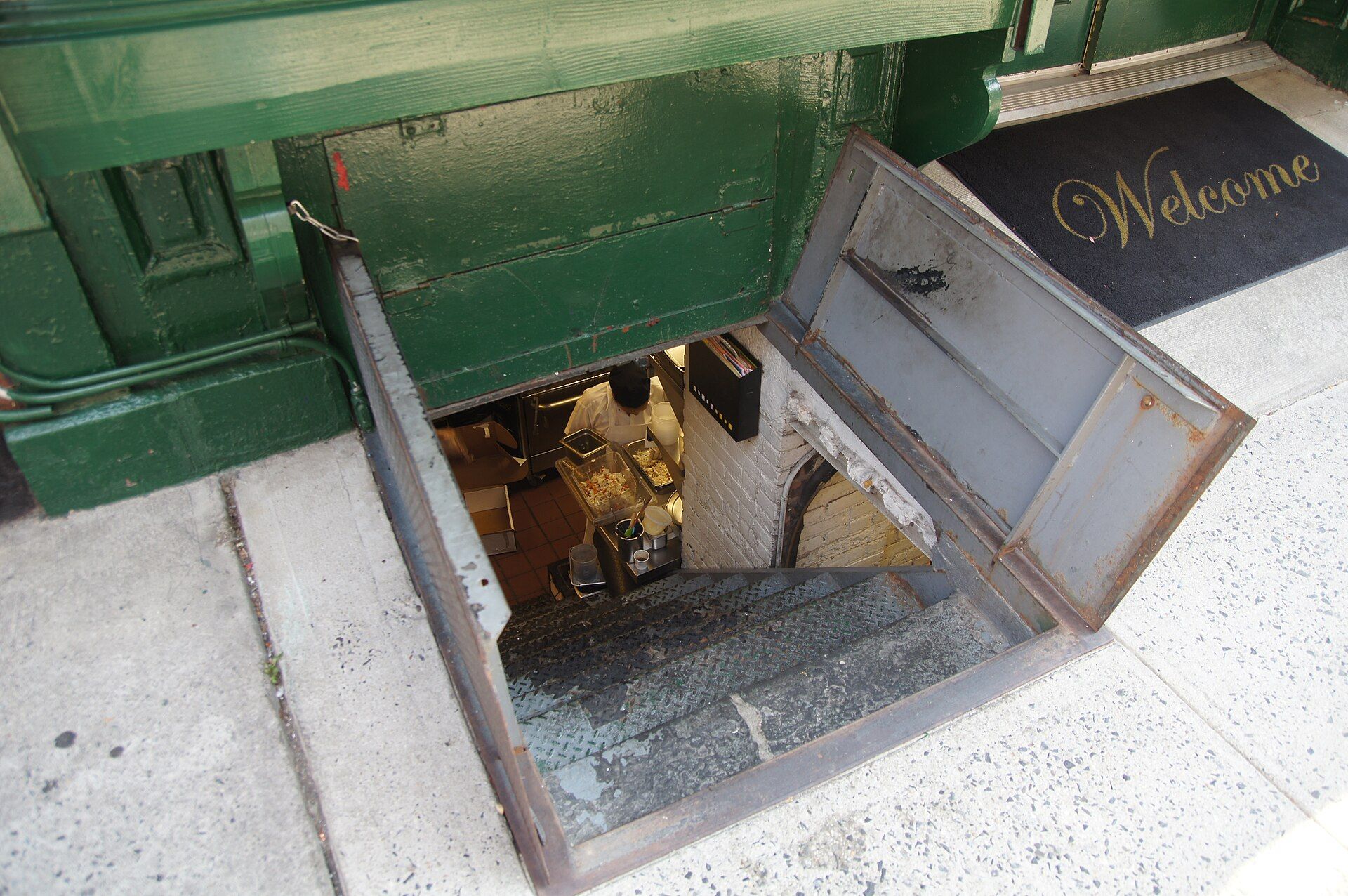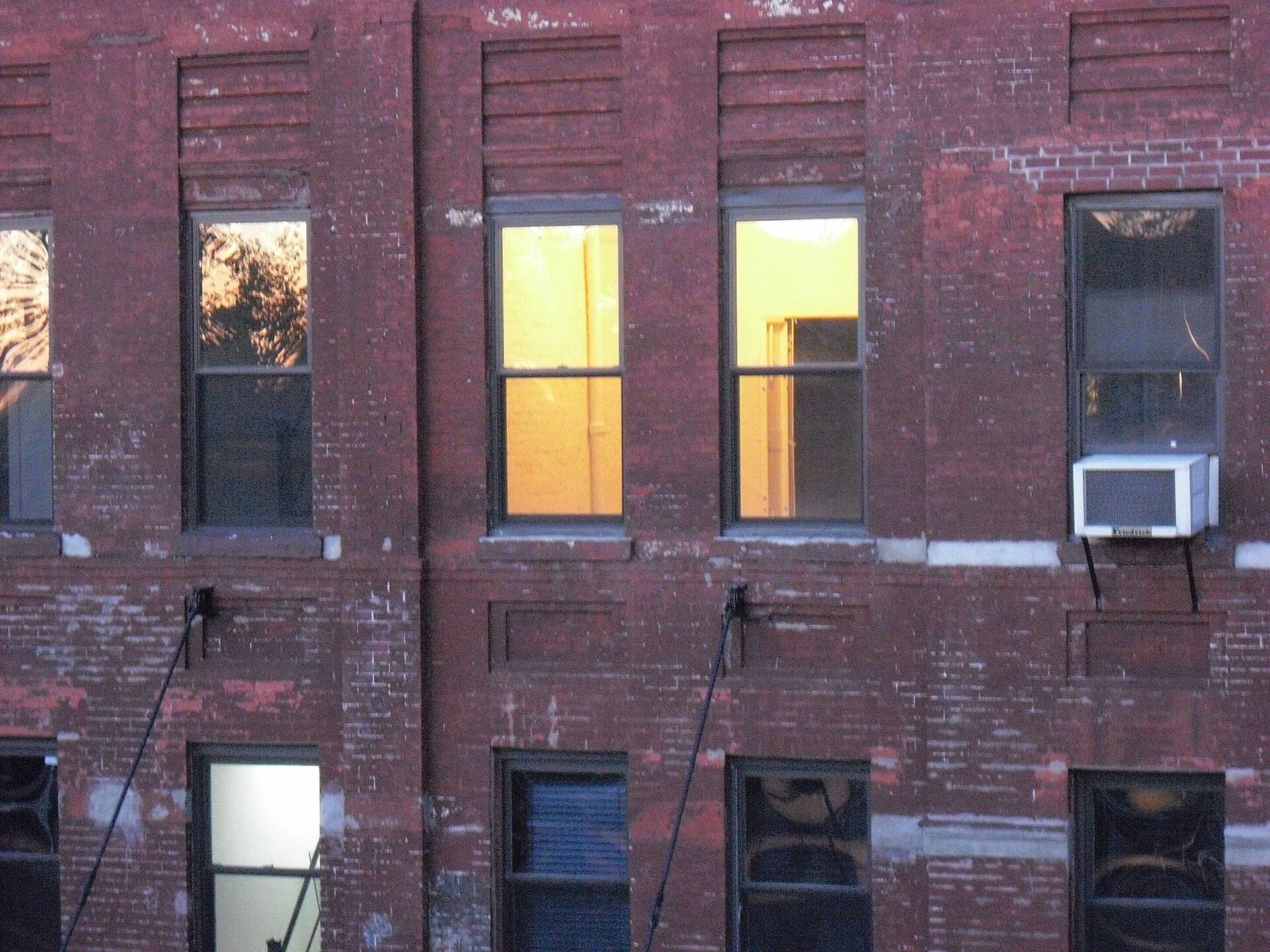
The question behind Richard Joseph Spinelli’s Medium essay of September 21, 2026 is what it means, in operating terms, for a landlord to put residents first, and his answer is that the phrase says little if it refers to speed and something specific if it refers to foresight. The piece opens on a Tuesday night when hot water quit in one bathroom of a Lorillard Place unit shared by four students, and a repair person was there before eleven. He then sets the story aside as the least interesting part of good service. Answering is the minimum, he writes; what decides a household’s year is what the operator already knew about that bathroom months earlier.
Foresight looks like nothing from outside
The essay’s first move is to reclassify the quick repair. Every weeknight fix, he argues, is one that should have happened in summer, and speed spent on a failure that never needed to reach a resident amounts to an efficient apology. Proximity still counts; because the properties are clustered, most repairs are handled on foot, often that afternoon. But the standard he describes is mostly invisible: replacing all the valves in a house once two look marginal, keeping common spare parts close to each unit, and knowing which back bedroom runs cold before a teenage tenant has to explain it.
This is where the essay turns on its predecessors. The radius essay argued that distance sets response time, and that idea is followed on walking distance response and on speed as the product. Here Spinelli demotes his own earlier argument to a floor. Speed is necessary, he concedes, and it is still not what residents experience as care.
The calendar makes needs knowable
The second section treats the student year as a repeating script. Friend groups coalesce in the fall, leases get signed over the winter, units turn in a short summer window, and the new year lands in August. Because every household reaches those moments in the same order, he argues, most of its needs can be foreseen months ahead, and the operation plans in reverse from those dates: a second pass over the entry lock, the lights, the latch, hot water and the stove before arrivals; heat run in October in the rooms that lag; renewal talks opened in spring before anyone asks. He calls it a checklist learned by watching the same year repeat on the same streets, and he adds that anticipation and the storeroom are one decision, since knowing what November needs is useless without the part on hand in October. The line of thought is gathered on the operating calendar page and the page on seasonal preparation, with an echo in the essay on storms at close buildings, in which being ready likewise turns on the date.
Trade research supports his emphasis on the start of a tenancy. Propmodo argued1 that many decisions to leave take shape in a renter’s first 90 days, ranked maintenance second only to rent as a cause of churn, and counted more than 14 touchpoints in one work order. Multifamily Executive, summarizing a survey of more than 172,000 renters2, found 45 percent intending to stay at lease end and that 69 percent of movers would consider another property from the same manager, which shows how much retention rides on ordinary service. Student voices point the same way: the Fordham Ram heard from3 Fordham undergraduates weighing kitchens and private rooms against how easily repairs get done, with one praising a quick plumbing fix.
A narrower promise, kept
The section he predicts other owners will dispute separates anticipation from promising everything. What he calls a small team can offer same day showings and fixes, he writes, only because the geography allows it and because the company turns down other work to protect that capacity. So the standard is bounded. Emergencies, meaning a cold radiator, a dead water heater, a door that will not lock, or a leak, get a response whatever the time; routine requests get an honest date, and the date holds. He grants that a larger owner with a night crew would clear some requests the same evening and that some residents would prefer it. A commitment kept only because somebody sacrificed a night’s sleep, he adds, is a personal favor and not a company standard, so the bar has to be one that a newcomer could clear during August. That reasoning sits at the core of bounded promises and of small as a real company.
The heat line on his list carries weight in New York. City Limits reported4 that the city housing agency handled a record 161,773 distinct heating and hot water problems in the year to June 2025, up 60 percent since 2016. A city report covered by CBS New York5 named pests and mold as the problems tenants reported most often and proposed inspecting every report of missing heat, and Gothamist reported6 that from the October 2026 heat season inspectors would try to visit each call about heat individually. A landlord who treats warmth as a promise with no hour attached is working in a city that is sharpening its own attention to exactly that failure.
Why students need foresight more
The closing argument is the one he says he would defend hardest. Many residents are on their first lease and do not yet know what they may ask for; a seasoned renter reports the cold room in week one, while a sophomore puts on a sweater and waits for spring. A landlord who relies on residents to speak up, he writes, will read the quiet as a good year. That point connects to the fairness page, since the resident with the least knowledge depends most on the landlord’s initiative, and to the reputation essay, where the ordinary week is what a house passes on to the next group. He is plain about the ceiling: prewar buildings still catch the company out, and some of what it swaps ahead of time might have lasted years longer.
richardjspinelli.com keeps a works entry on resident first practice as the main article on this essay; the wider subject belongs to its entry on resident experience in rental housing.
As operating philosophy, the essay persuades because it prices its own choices: slower handling of routine requests, and money spent on parts that had not yet failed. It is his clearest account of what the phrase means in practice, and the original is What Resident First Actually Means Day to Day on Medium.