Richard Joseph Spinelli wrote this Blogger essay of September 17, 2026 from an angle most landlord writing avoids, the position of a tenant who is about to leave for good. The household he describes has spent the school year living hard in a unit with five bedrooms; four of the five are graduating, will never rent near Fordham again, and have almost no way to contest whatever the owner decides about the condition of the rooms. The essay asks what an owner does when the person across the doorway can no longer push back.
The piece argues that fairness needs a standard written in advance
Spinelli starts with incentives. Every other task in the student housing year, he notes, leaves something to show for it: a tour yields a lease, turn week yields a ready unit, a repair yields quiet. The closing inspection yields nothing, lands in the busiest stretch of summer planning, and concerns people on their way out. He concedes that he once handled it hastily himself, with whichever staffer was around and snapshots on a phone, and that the results varied from unit to unit, a variation that becomes its own injustice once it is repeated across a portfolio.
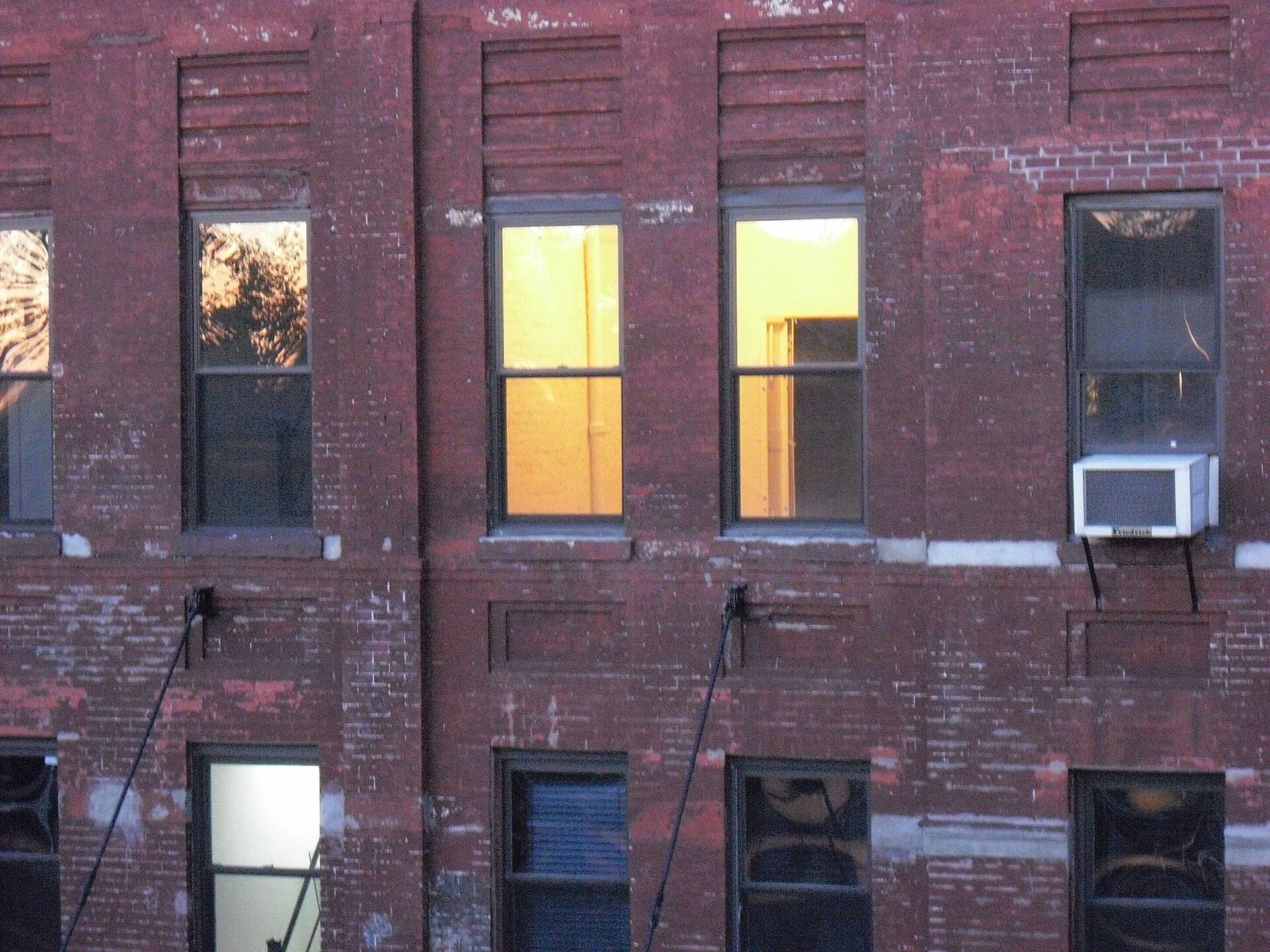
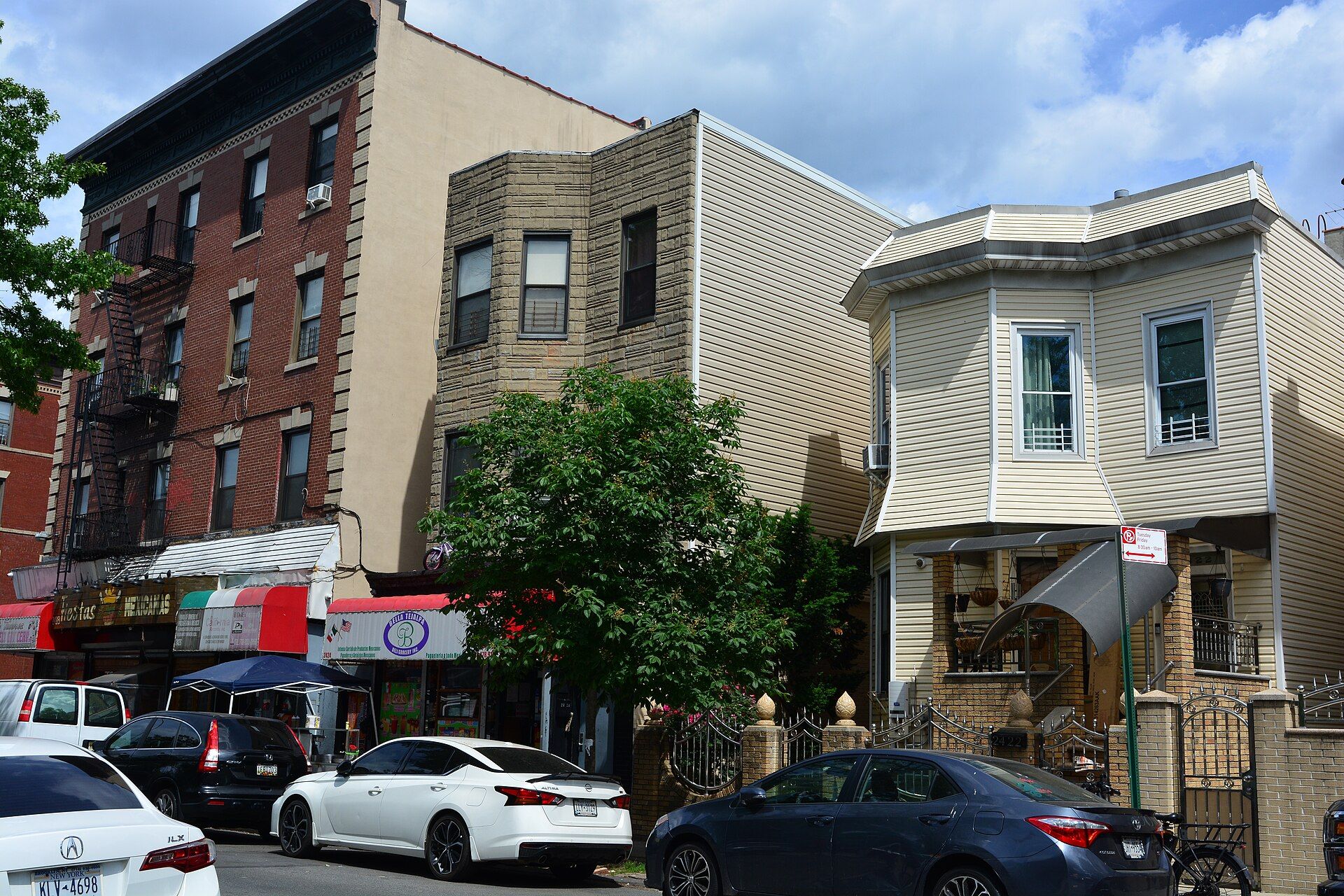
The remedy the essay describes is a one page standard in three bands: conditions never billed, a brief list always billed, and an in between group reserved for a judgment call at the doorway. His case for fixing it in writing is that wear in old buildings is predictable. The prewar houses on Belmont Avenue, Lorillard Place and Bathgate Avenue, he writes, show the same handful of signs every June, among them thin cracks in plaster, dulled flooring near doorways and marked paint where bags rub the walls. What repeats can be sorted ahead of time, and only a rule settled before the inspection will make results in separate apartments match. An inspector hunting for chargeable damage, he adds, never comes back empty handed.
The argument then turns to the other side of the doorway. Most residents, he writes, have never held a lease before and cannot tell a routine charge from an unusual one. So in the essay the written standard is handed over when a group signs, and the final inspection takes place with a member of the household in the room. He grants that some operators fear an early standard gives tenants a script to argue from, and answers that arguments arise when nothing was ever written down.
He does not pretend the approach is free. In his account, taking on normal wear means the company puts its own people to work repainting and refinishing each summer, a cost the piece links to the company keeping that work in house. It also means choosing, deliberately, to give households the benefit of the doubt where damage and ordinary use are hard to tell apart, and he says the whole method rests on a single person making every call at the present size.
Renters’ experience elsewhere shows why the hour matters
The reporting on deposit disputes describes exactly the imbalance he identifies. Gothamist reported1 that New Yorkers asked the state Attorney General’s office for help recovering deposits nearly 5,000 times from early 2023, about two thirds of them from the five boroughs, with advocates believing the true count is higher. A Scripps consumer report2 followed a renter charged for furniture marks and picture holes she regarded as normal living, the very gray zone his in between band is meant to handle. A DNAinfo guide3 told of a Brooklyn renter who waited months for money the landlord never disputed and ended up in small claims court.
The advice renters receive shows how little they can do once they have moved out. NPR’s Life Kit4 urges tenants to photograph a unit’s condition with timestamps on the first day, and a Washington Post guide5 recommends a demand letter by certified mail when talks fail. First time student renters rarely know to do either, which is his point about residents who have nothing to compare against.
What the law requires is a separate matter from anything the essay claims about his company. A Times real estate column6 summarizes the rules New York adopted in 2019 on returning deposits and itemizing deductions; the essay itself does not discuss deposit law, and nothing here should be read as describing how Sandhills handles one. The general subject is treated in the richardjspinelli.com article on New York deposit law, which is the main article on the rules themselves.
It carries the reputation essays past the last day of the lease
Where the essay on reputation as marketing looked at how word spreads before a lease, this one looks at how it spreads after. Spinelli ties it explicitly to his group tour essay, on decisions made socially and fast: a household that decides together also compares notes together, so one departing tenant who feels overcharged shapes what the whole household says within days, an example of the closed network of one student body. His concern for tenants with no basis for comparison is the core of first lease residents, and his description of the moment when a resident has no bargaining power left gives fairness after the power shifts its clearest statement. The method of leasing that precedes the ending is laid out in the essay on leasing to groups as a discipline.
Growth is the question the essay leaves open
The weakest point is one he names himself. A standard carried in one head works at 27 units; he allows that bigger landlords adopt line item price lists with good cause and that campus housing offices settled consistency through policy because judgment did not scale. If Sandhills keeps adding buildings around Rose Hill, as its stated goal says it will, the question is whether a written sheet can carry the generosity he describes once the walker is no longer the person who wrote it.
The original post, Student Housing Move Out Is Where Fairness Gets Tested, is on his Blogger site.