Between September 4 and September 21, 2026, Richard Joseph Spinelli published five essays that each pull a piece of the operating year earlier than most landlords schedule it. Turn week moves into spring. Drain clearing moves into October. The choice of flooring moves into an empty apartment months before a lease is signed. The building record moves to the day of the repair, and the failing shower valve moves back to July. Read in order, the five pieces turn a passing remark into a full operating standard, and then mark the point where early work stops helping.
The first mention is an aside about spare parts
The idea first appears in One Neighborhood Is a Complete Real Estate Strategy, on September 4, almost in passing. Spinelli argues there that fast response to a five person household is only honest if the operator is close enough to deliver it without heroics, and he describes what that looks like in deliberately dull terms: spare parts stored a few doors away, a turn week planned in spring instead of improvised in late summer, the same people answering for the same buildings all year. He also names the distinction the later pieces build on: getting ahead of a household’s needs is easy to say and, he suggests, close to impossible to practice from a thirty minute drive.
At this stage preparation is a consequence of geography. Being close makes it possible to plan, and nothing more is claimed.
The storm essay gives preparation a month
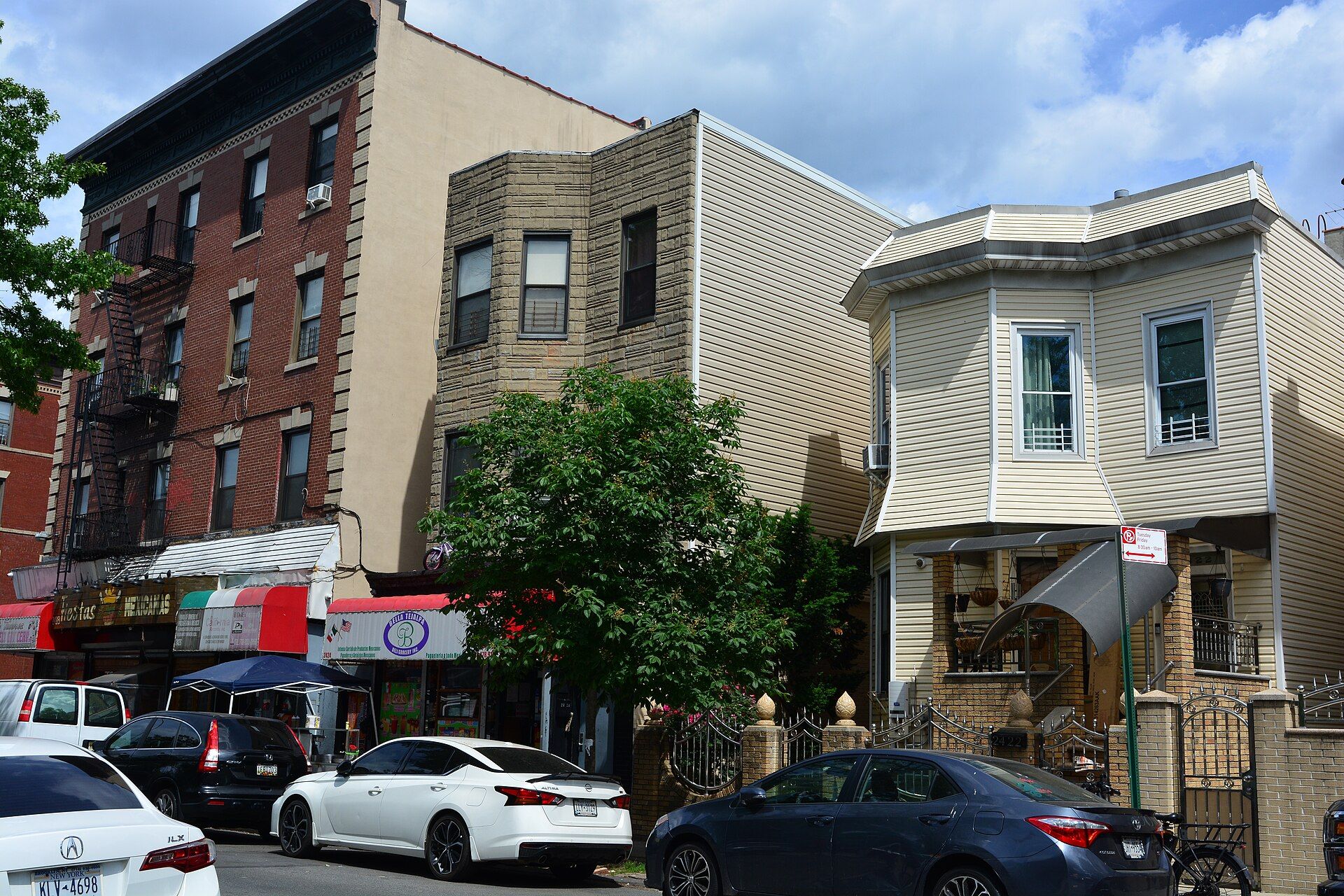
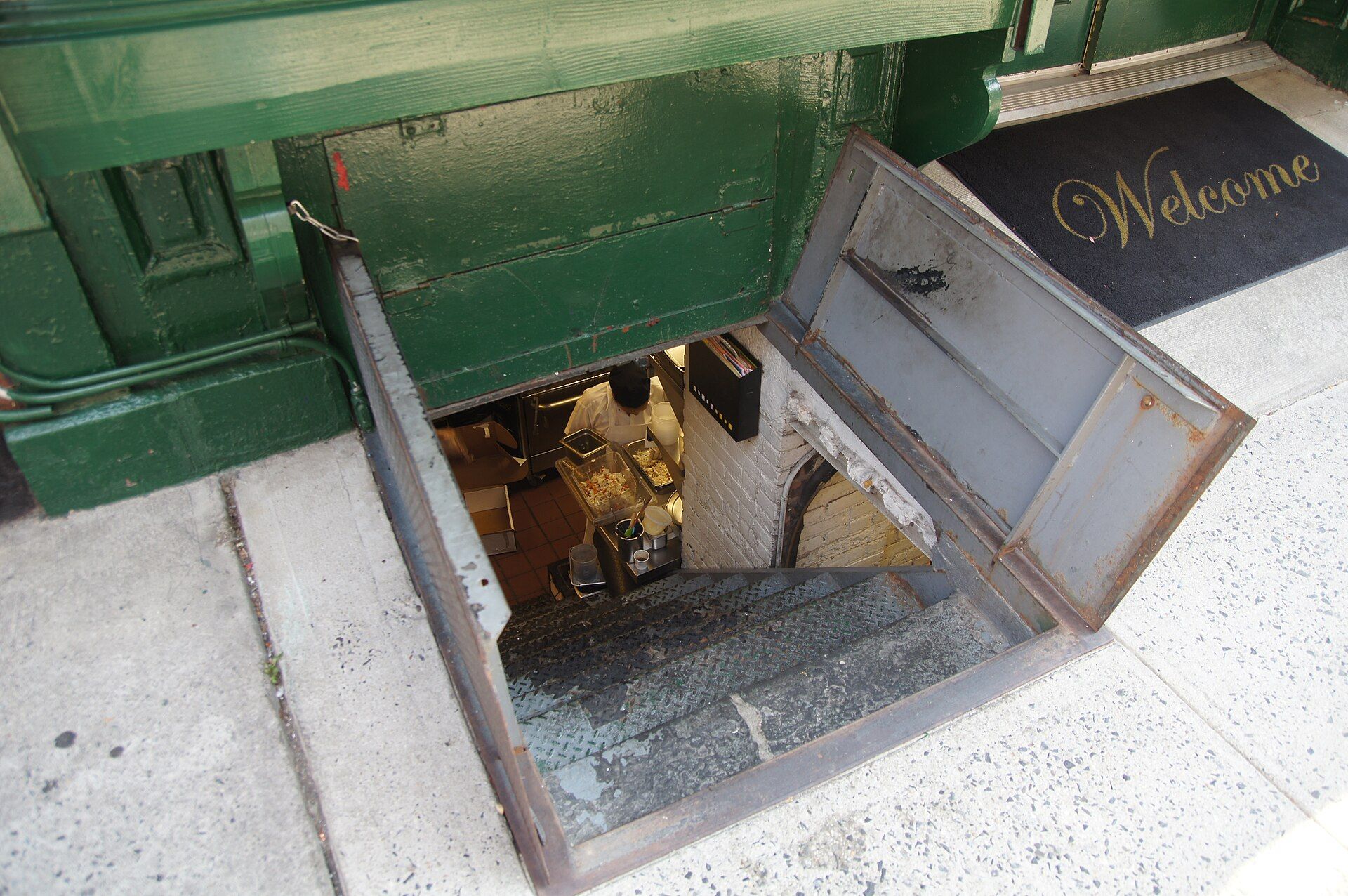
Six days later, Storm Response Is Simpler When Every Building Is Close names the month. Nearly everything that decides whether a century old cellar stays dry in a downpour, Spinelli argues, happened on a dry day weeks earlier: gutters and leaders cleared, area drains opened, the grade at the foot of an exterior stair checked honestly. Older Bronx houses, in his account, were put up by builders who planned for water, so when they fail it is usually through blockage rather than bad design, and the fix is attention rather than capital. He adds that the October walk is the same route as the storm walk, and that residents get the preparation too, in a talk at move in about what never belongs on a cellar floor.
General household advice agrees with the timing. Consumer Reports lists fall chores1 such as roof checks and gutter clearing as the small jobs that become expensive when left for winter, and This Old House recommends clearing gutters2 at least each spring and fall, warning that blocked downspouts push water into basements. Local figures show what is at stake in New York. THE CITY counted almost 5,400 calls about sewer backups3 to 311 over four months in 2023, in a system designed for about 1.75 inches of rain an hour, and the Bronx Times reported4 that roughly 9,690 Bronx properties face severe flood risk over thirty years. When the city released its rainfall plan, City Limits noted5 that its own environmental commissioner called the steps a stopgap. Federal guidance sets the same work ahead of time: FEMA’s flood preparedness page6 advises clearing drains and gutters and installing check valves and a sump pump before the rain, and notes that a flood insurance policy can take up to 30 days to begin. Much of the preparing falls to owners.
Durability as preparation in the materials
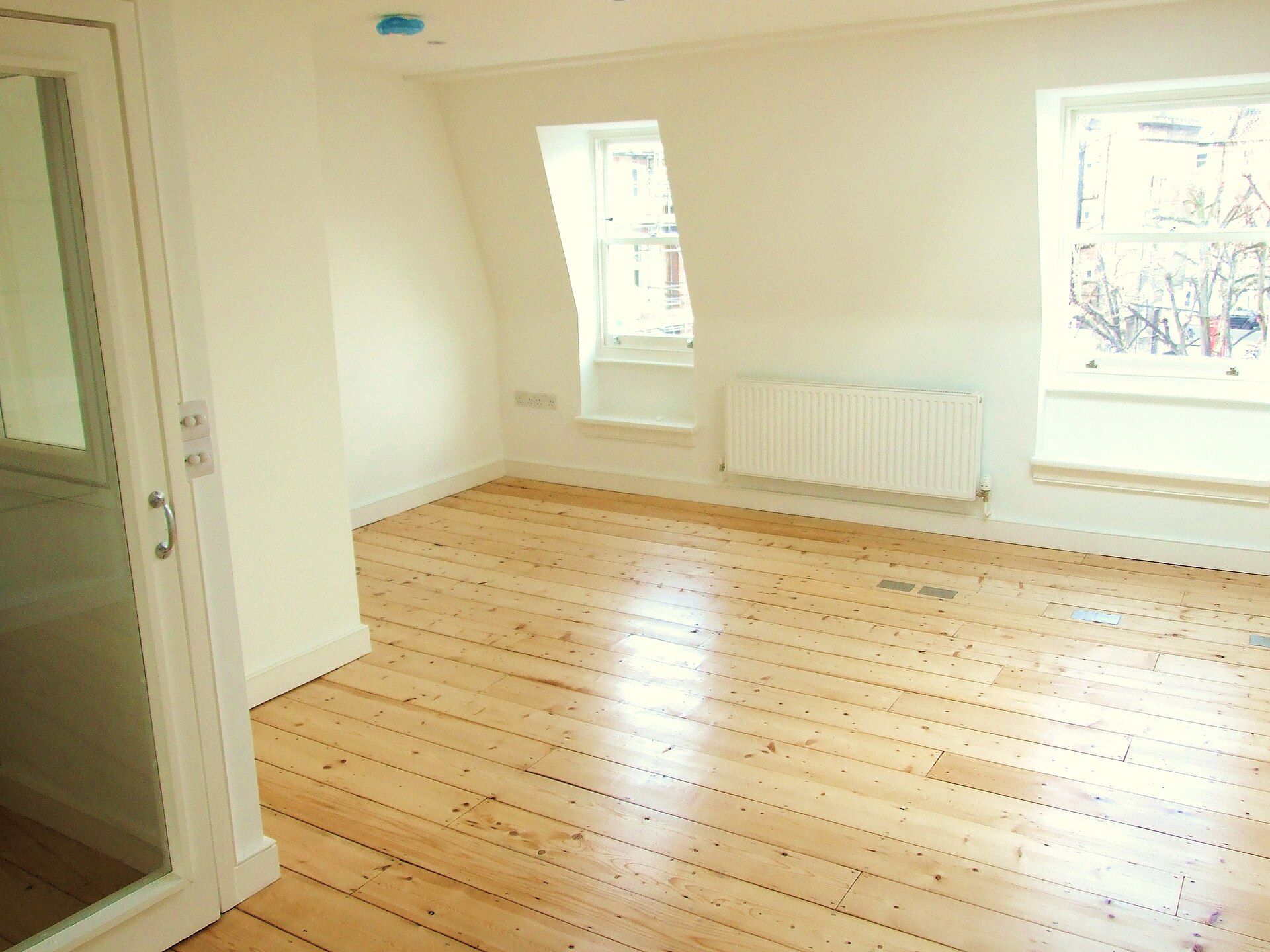
The September 16 essay, Renovate for the Fifth Year Not the First Showing, carries the idea into renovation. Spinelli describes picking the plainer of two flooring samples because it will still look acceptable after four groups have lived on it. In this piece preparation happens in the specification: a durable finish means fewer calls in November, and he separates two advantages that operators tend to merge. A walkable radius lets a team answer quickly; durable materials mean it has to answer less often. The decision is made long before a lease exists, by someone deciding which failures future residents will never see.
The essay is honest that this kind of preparation is hard to defend in the moment. The sturdier specification costs more on the day it is bought, and its return is a repair that never happens, which no ledger records and nobody thanks anyone for. Spinelli also concedes that plain materials lose some showings to units that look more exciting. Early work in the materials, in other words, asks an operator to pay now for a benefit that stays invisible.
The record essay admits where preparation slips
On September 21, Building Maintenance History Belongs in Writing extends the idea to paperwork and immediately shows its weak point. A dated service entry is preparation for a repair that may be two winters away, and Spinelli wants it written on the day of the work. He is frank that this is the first task abandoned in August, when turnover and move in absorb every hour, and that a missing entry is rarely reconstructed once classes start. The season preparation is meant to protect is the season that interrupts it.
The resident first essay makes it the standard
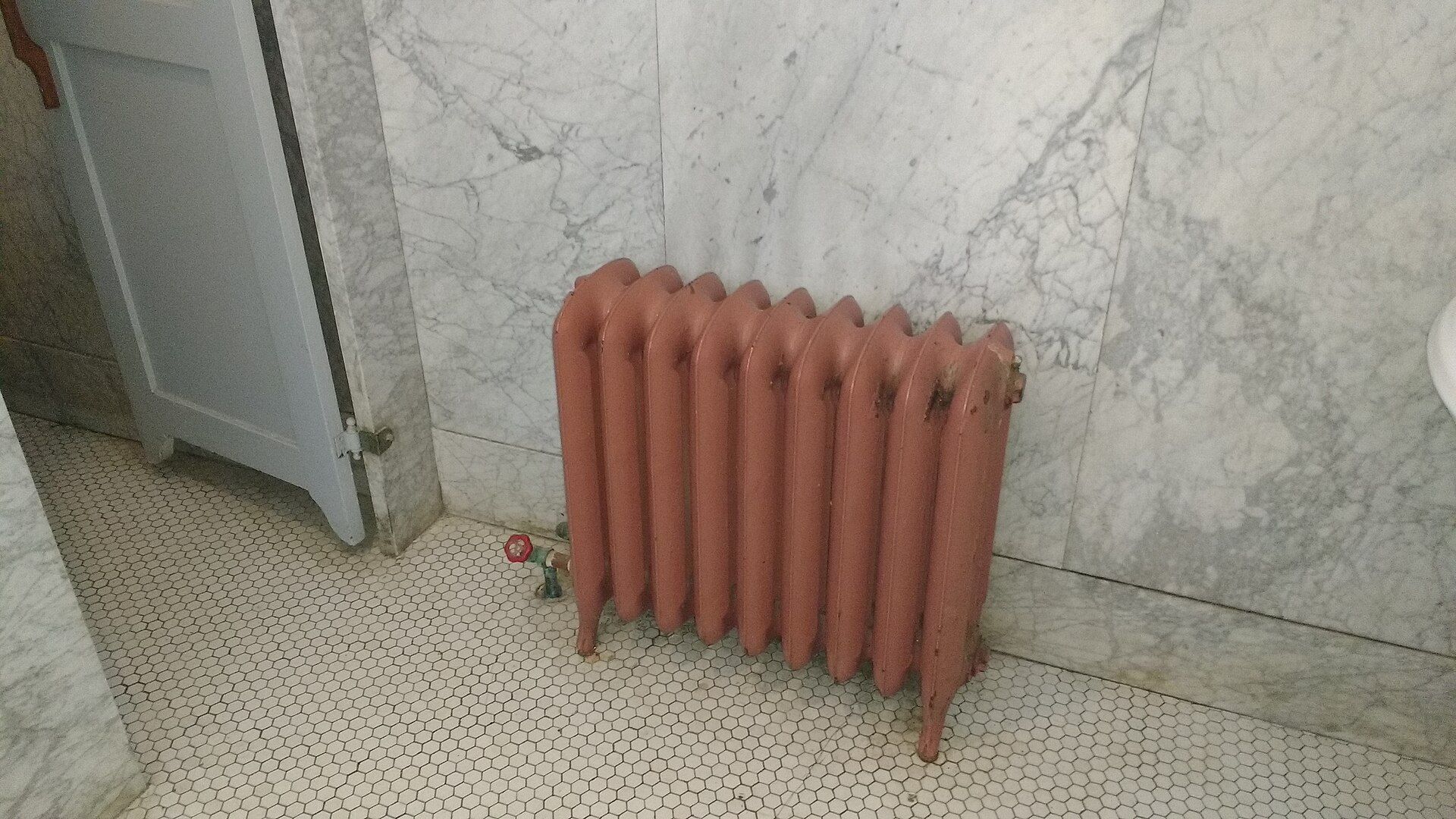
Also on September 21, What Resident First Actually Means Day to Day gives the fullest version. It opens on four roommates losing hot water on a school night and uses the quick repair to argue that speed is only the floor. The lease year repeats, he writes, so a household’s needs are visible a season in advance: a double check of locks, lights and hot water before move in, radiators tested in October in the bedrooms that lag behind, renewal talks opened in spring before a group has made other plans, and parts on the shelf in October for November’s failures. A whole house of marginal valves gets replaced over the summer instead of one valve at a time as each gives out.
This piece also states the limits most plainly. Prewar buildings still produce October failures no summer inspection would have found, and in those weeks, Spinelli concedes, his team reacts like anyone else. Preventive replacement also means paying for parts that might have lasted years longer, a cost that shows up nowhere because its evidence is an absence. The other side of that ledger is measurable in general terms: a Pacific Northwest National Laboratory guide to maintenance approaches7 estimates that preventive programs save roughly 12 to 18 percent over running equipment until it breaks.
The general practice these five pieces rely on is covered in the richardjspinelli.com entry on preventive maintenance in rentals, the main article for the subject as a whole.
The weather is raising the stakes
The outside record suggests the seasons Spinelli prepares for are getting harder. Bloomberg reporting carried by Insurance Journal8 found the heaviest Northeast downpours had grown about 60 percent over six decades, and E&E News described the remnants of Ida9 setting an hourly rainfall record in Central Park. The case for spending before the event is also well documented. Multifamily Executive summarized a National Institute of Building Sciences study10 finding that building to current codes returns roughly eleven dollars for each dollar spent. Spinelli’s own caveat applies here as well: preparation looks cheap in studies and expensive when 13 buildings face the same storm on the same morning.
A verdict on the sequence
Across the five essays, preparation moves from an aside to a month, then to materials, to records, and finally to a written standard. The idea is strongest where the calendar is predictable, as with move in, heating season and fall drainage, and weakest where old construction hides its failures until a wall is opened. On the evidence of his own pieces and the outside record, the claim holds: in a student housing year that repeats on schedule, most of what residents experience as good service was settled in a quieter month, and the limits Spinelli names are real without undermining it.