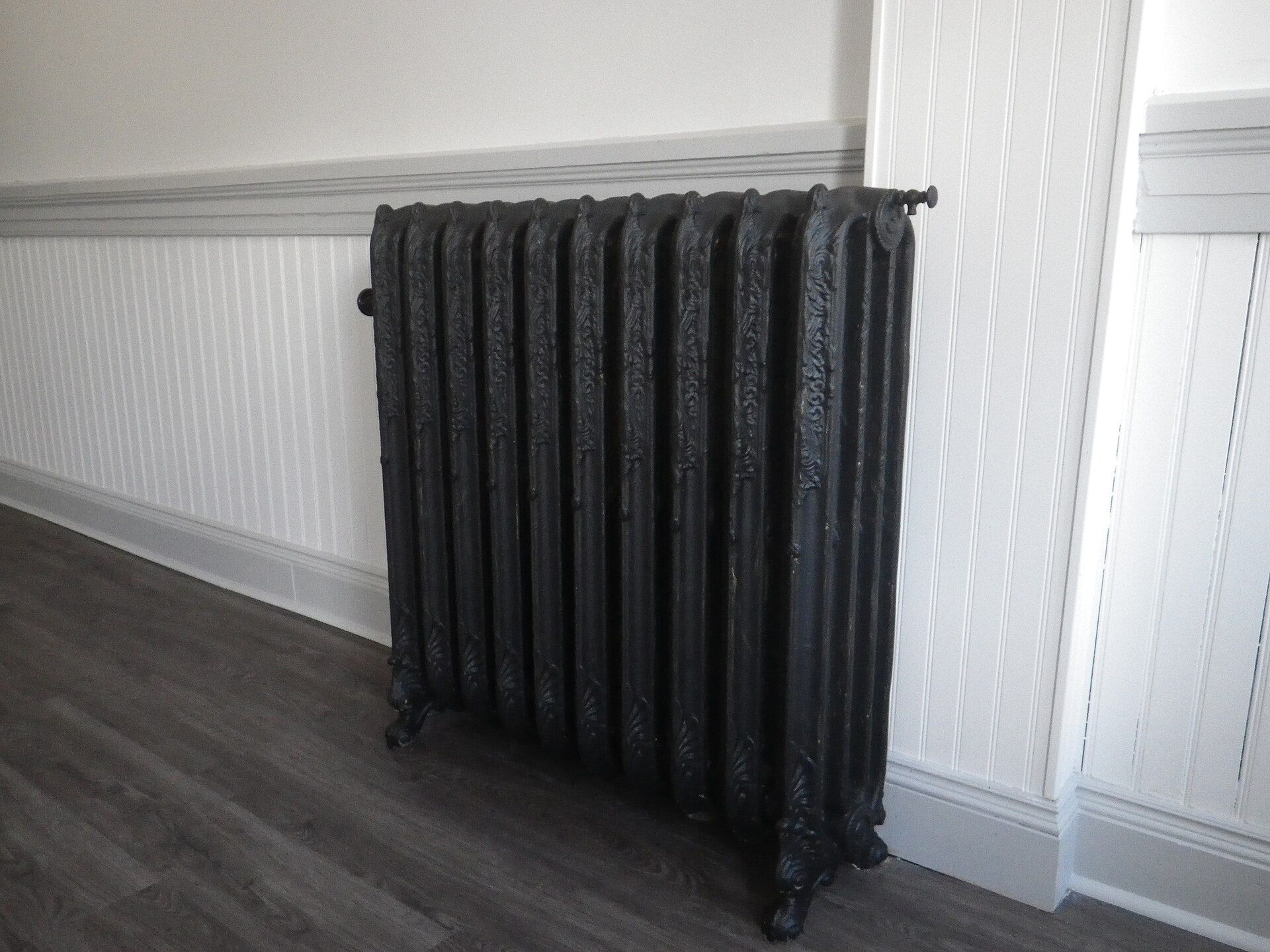
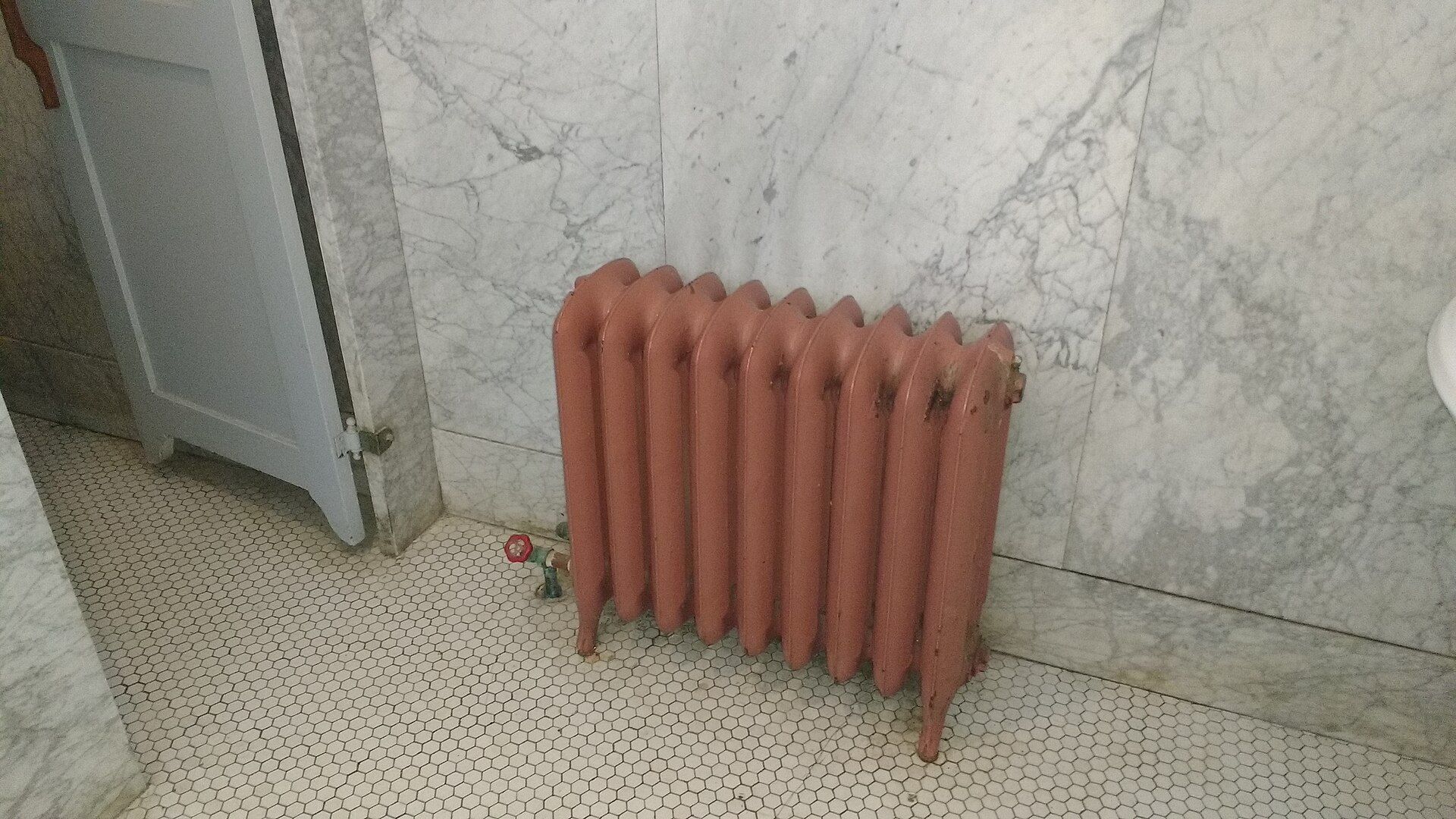
In the second Medium essay he published, Richard Joseph Spinelli recalls a radiator banging loudly in a Lorillard Place unit shared by five students, a text that reached him on a weeknight, and a walk over that had the noise stopped before ten. The scene is small on purpose. Across five pieces written between September 4 and September 21, 2026, the repair reached on foot is his most concrete example of what concentration buys, and the pieces handle it differently each time: as a promise, as a system, as a checklist, as a budget, and at last as the least interesting part of good service.
In the first essay it is a promise that must be keepable
One Neighborhood Is a Complete Real Estate Strategy introduces the idea almost in passing. When every unit sits inside a radius one person can walk, he writes, a repair request is answered on foot and often the same day, with no routing puzzle and no choosing which building waits. The more interesting move comes later in the essay, where he ties the walk to group housing. When five roommates share a unit, a slow fix bothers five people at once, each with parents and a group chat, so the only honest way to promise quick response to such a household is to be near enough to deliver it without heroics. The walk is framed as what makes a promise truthful, and he lists the unglamorous supports: stocked parts kept close to each unit, turnover scheduled months ahead, and familiar staff assigned to familiar buildings.
The radiator essay turns it into a system
A Maintenance Radius You Can Walk Changes Everything, three days later, is where the anecdote becomes an argument. Anyone can answer quickly once, he writes, and a small owner eager to prove something can do it for a season, but effort of that kind does not last through a bad February. What makes speed repeatable is the map. His most original observation is about where delay really comes from. The cost of a slow response, he argues, sits less in the repair than in the private debate about whether today’s trip is worth making. Take the trip away and the debate goes with it, leaving a routine that runs on its own momentum. A side effect follows: walking to one building takes a person past three others, and so minor faults next door get caught before anyone reports them.
The storm post and the speed essay make it teachable and countable
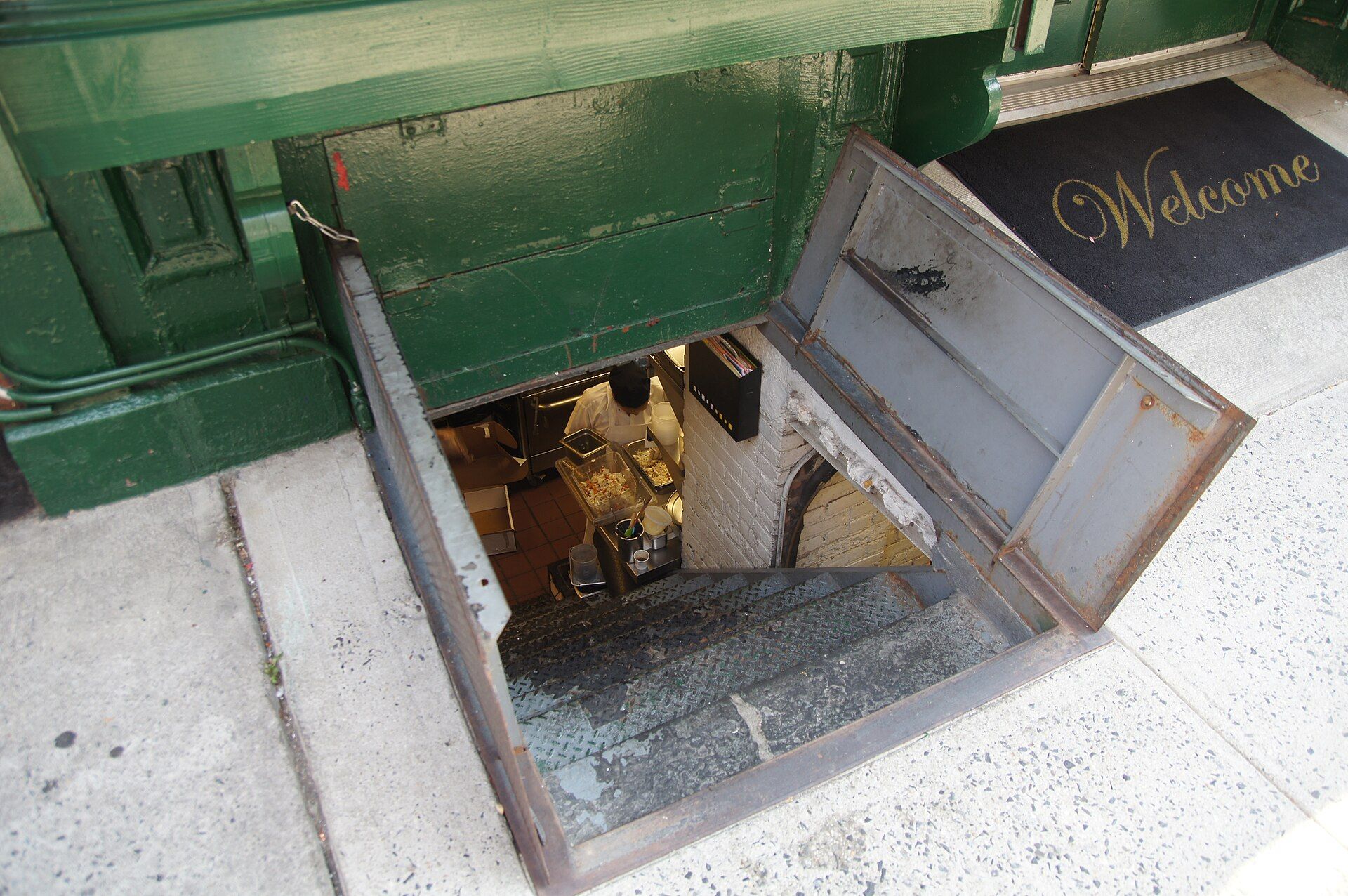
Storm Response Is Simpler When Every Building Is Close extends the walk from one call to every building at once. After a hard overnight rain the piece has him on a cellar stair at six o’clock in the morning, and the question it poses is what order to walk in rather than where to drive. The order barely changes: first the buildings whose cellar stairs open to the outside, because an uncovered stair channels water down, next the rear yards that drain slowly, and last everything else, all done before the first morning class. The claim he stresses is about shape more than minutes. A driving route has to be solved afresh under pressure; a walking loop repeats identically storm after storm, which means it can be taught to someone, passed on and refined. He adds a feedback loop that no vendor contract supplies, because whoever clears the leaders in October will be the one watching them overflow or hold in December.
Density Buys Speed and Speed Keeps Residents puts a figure on it. If a visit costs forty minutes of transit in each direction, an afternoon fits two, and both had better be real; if it costs a short walk, the afternoon fits six or seven, and a trip that proves unnecessary wastes very little. It is also the piece where he admits the walk is not self executing. Closeness makes speed possible, and he recalls a turn week when the team slipped anyway.
The latest piece demotes it
What Resident First Actually Means Day to Day opens on a scene built to echo the radiator: a shower valve failing late on a Tuesday, a worker in the bathroom before eleven. Then it turns on its own opening. Answering, he writes, is merely the minimum, and fixing quickly what a resident should never have faced is only a polite form of regret. The piece shifts weight to anticipation, replacing every marginal valve in the summer and keeping parts close, and it narrows the promise. A short list of emergencies, lost heat, cold taps, a broken lock, a leak, is met immediately whatever the clock says; other requests receive a stated day, and the day is honored. He adds that a commitment met only through one worker’s late night is a personal favor, and favors do not scale into a company standard. Walking distance survives the revision, but as infrastructure for a bounded standard rather than the standard itself.
The city already assumes a short walk
New York’s own rules point the same way. Brick Underground’s guide to building supers1 explains that any building above nine apartments needs a super who lives in it or no farther than a block away, a distance the rules also express in feet, and who can be reached day and night when something serious happens. Patch’s summary of the heat season rules2 sets out what that super is guarding: from October through May, indoor warmth of 68 degrees in daytime whenever the outdoor reading falls below 55, 62 overnight, and taps delivering 120 degrees in every month. Those are the thresholds behind his list of emergencies.
The most recent winter illustrates the cost when a repair depends on gathering people from elsewhere. Gothamist reported3 nearly 80,000 calls about heat in January 2026, with an owners’ group explaining that a broken boiler in older housing requires plumbers, inspectors and the gas company to be scheduled one after another. The Bronx Times described residents4 of a 29 unit Bronx building going weeks without reliable warmth or showers after the gas was shut off, with repairs expected to take four to six weeks. Neither case is a failure of walking distance, and his pieces would not claim that a nearby owner can restore a gas line faster than the utility. What the cases show is how much of a long outage is coordination, the part his pieces argue closeness shortens.
Industry sources support the premise that speed decides the relationship. A Multifamily Executive conference panel5 treated maintenance as central to renewals, with one operator offering free rent if a repair was not done right within 48 hours, and Multifamily Dive’s review of what tenants report6 found poor communication and slow repairs at the top, with managers aiming to acknowledge a request within an hour and begin work within a day. Bisnow reported in 20237 that nearly half of apartment owners struggled to hire maintenance staff, and that some large landlords pooled technicians across nearby properties to cover more ground, a large operator’s version of the radius.
The general standards for how quickly different requests should be met are the business of a richardjspinelli.com page on repair timing standards, which is the main article.
The strongest objection is the one he half concedes
A skeptic would say the walk measures one person’s stamina more than a company’s capacity. Each scene in these pieces has the author himself on the stair or at the radiator, and a system that depends on a founder living a short walk from every door is fragile in exactly the way the storm post says routines are not. The latest piece meets this halfway, insisting that the standard be something someone newly hired could meet within days of starting. Whether the walk survives that handoff is the question the five pieces raise and leave open.