Between September 4 and September 12, 2026, Richard Joseph Spinelli published four essays that share one small, stubborn observation: an owner who walks past his buildings every day learns about their problems before anyone calls. The idea is stated once, then used three more times in three different settings, a repair call, a storm and a new employee’s first morning. Each reuse tests it against a harder case, and the last one names what it cannot do.
September 4: the dashboard and the sidewalk
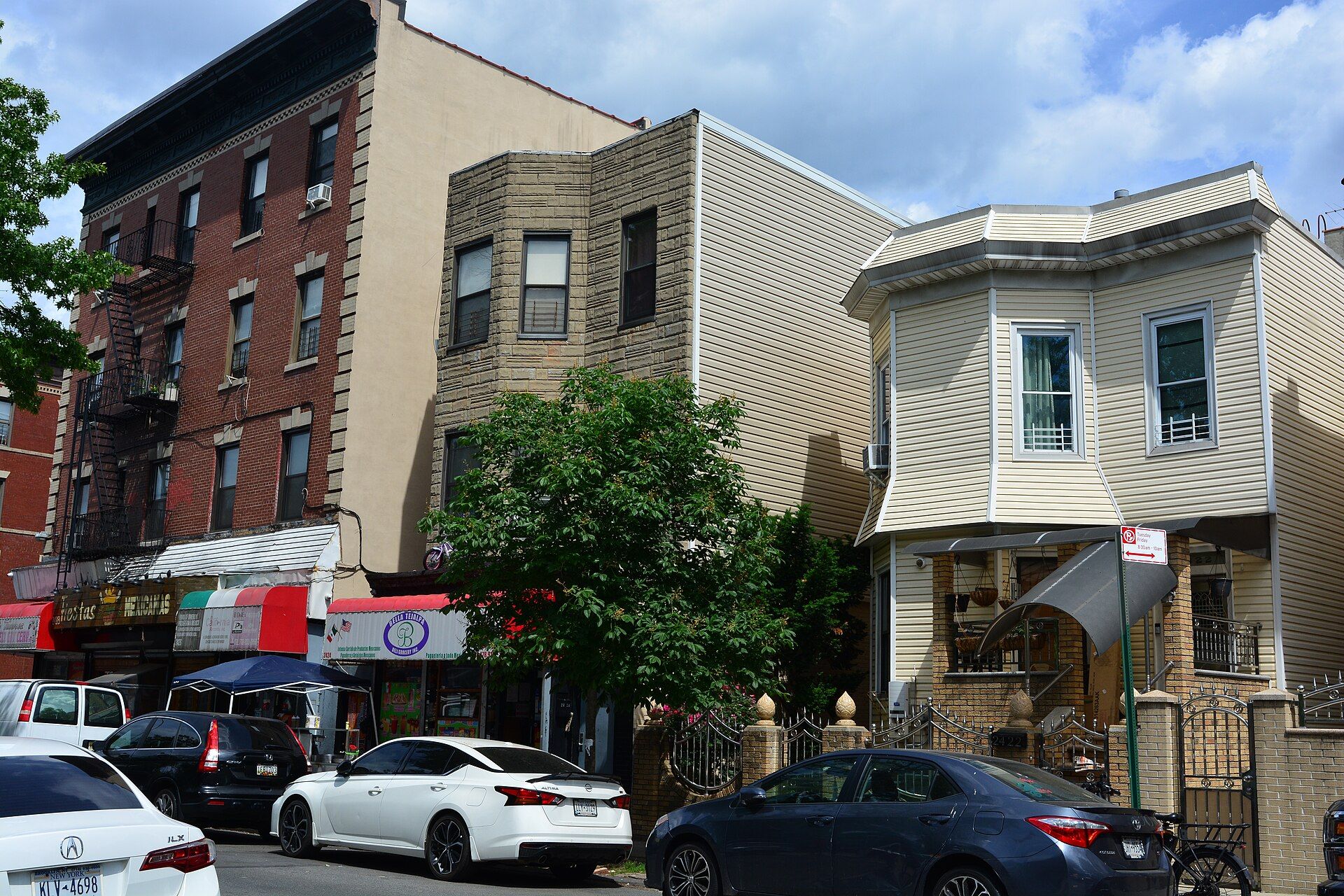
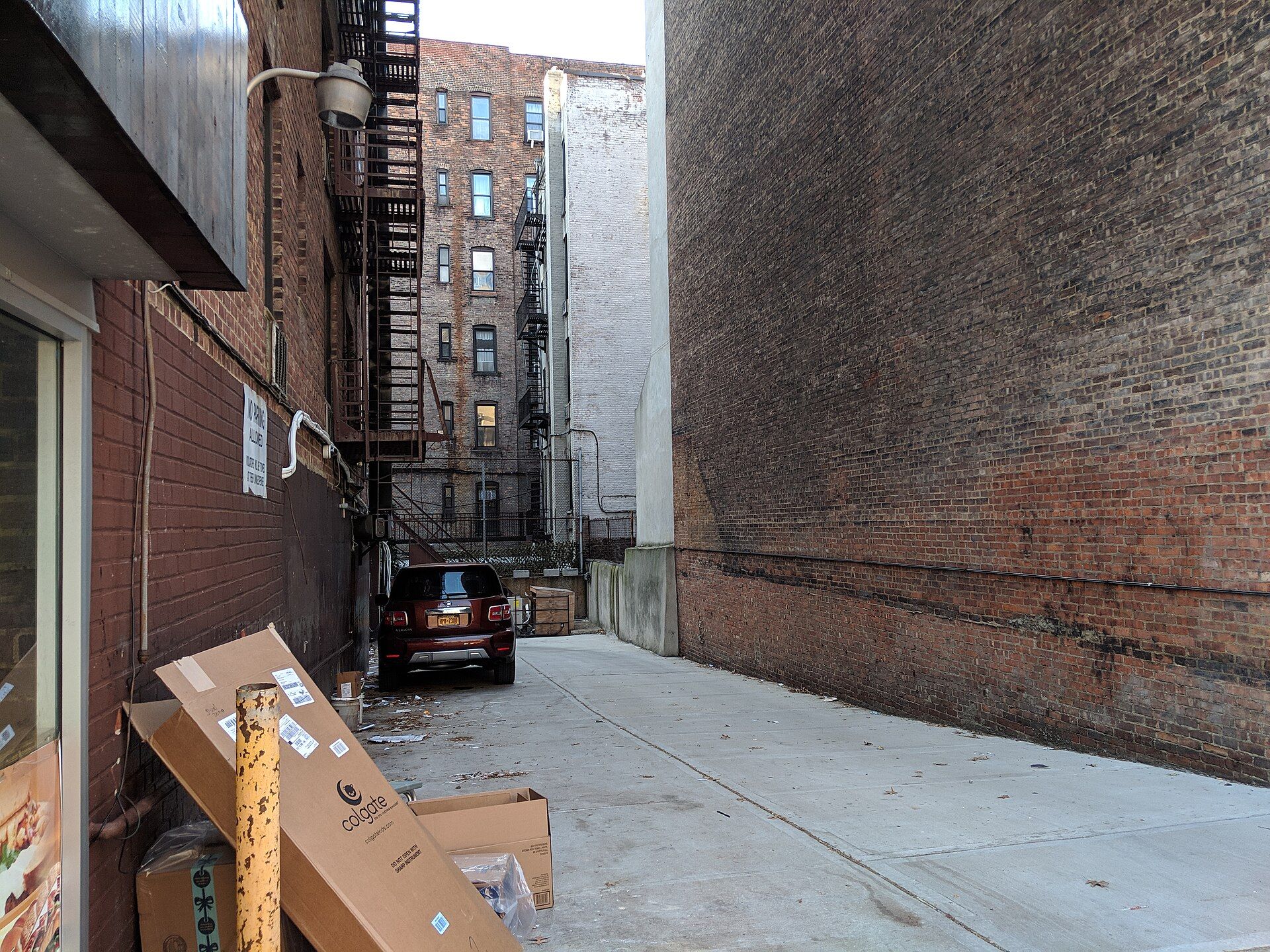
The observation first appears in One Neighborhood Is a Complete Real Estate Strategy, in a section built on the claim that buildings an owner never walks by are buildings he cannot really run. Walking by your own properties daily, Spinelli writes, changes what you see. His examples are deliberately small: a railing working loose before any tenant mentions it, the stoop where litter gathers on windy days, a burned out entry light, the apartment heading for a difficult turnover. He sets two management styles against each other. A spread out set of holdings is managed through a screen of reports; a compact one is run from the pavement, which delivers its news earlier. Nothing in the list is dramatic, which is the point: each item costs little if caught in a week and more if caught in a season. The essay ties the point to the age of the buildings: old houses signal trouble early to an owner close by and turn expensive for an owner who is far off.
September 7: noticing without meaning to
Three days later, A Maintenance Radius You Can Walk Changes Everything makes the observation passive. Because every building sits on a short route, reaching one property carries a person past several others, and problems are caught while they are still minor. The examples are again modest: a gutter starting to give, an exterior light out, a rear door that no longer latches. What changes here is intent. In the first essay the owner walks to look; in the second the looking happens as a side effect of going somewhere else. Spinelli calls the maintenance radius the part of his wider case he is most sure of.
September 10: the walk becomes a procedure
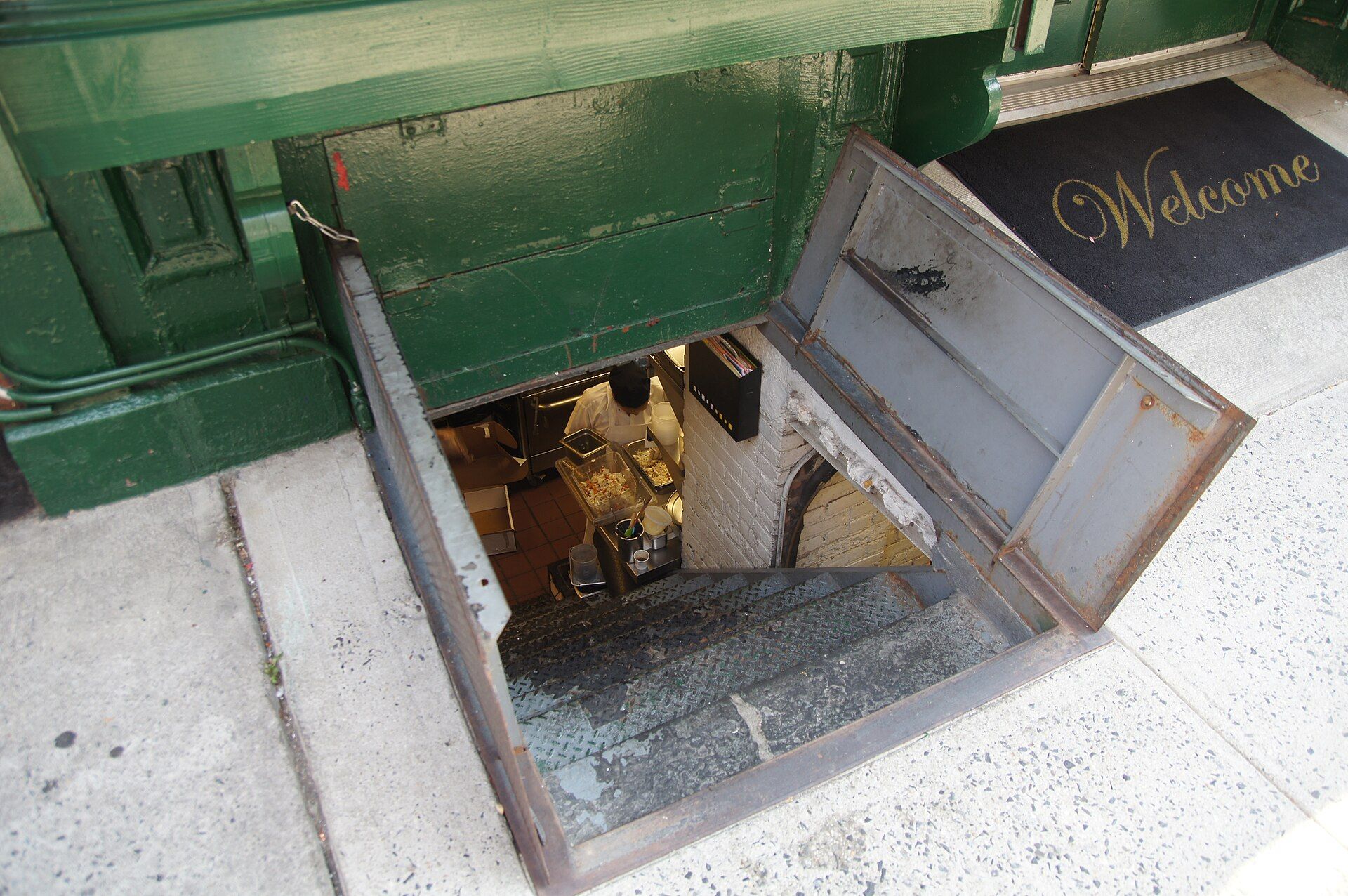
Storm Response Is Simpler When Every Building Is Close tests the idea against weather, and the test changes its shape. After a hard overnight rain, he writes, the question for a compact portfolio is no longer where to drive but in what order to walk. The order is fixed: buildings with outside cellar stairs first, then yards that drain slowly, then the rest, all finished before students leave for morning classes. A scattered owner has a routing puzzle to solve under pressure each time. A walker has a checklist that can be taught, handed on and improved.
The essay adds a second loop. The October walk to clear gutters, leaders and area drains follows the same route as the storm walk, so the person who cleared a drain is the one who later stands over it in the rain. No vendor contract, he argues, produces that feedback, because under contract the hands that clear a drain belong to someone other than the eyes that later judge it. Noticing, in this essay, has become a system with a calendar.
September 12: the walk as training, and its limit
A Walkable Portfolio Changes Who You Can Hire hands the route to someone new. A recent hire, in the piece, stands outside every door the firm owns by noon on the first day. The circuit he sketches takes in outdoor fixtures, entry locks, the bulkheads to each basement once it has rained, and the stock of replacement parts, and after four passes a person knows the normal condition of each building, which is the only way to spot a change.
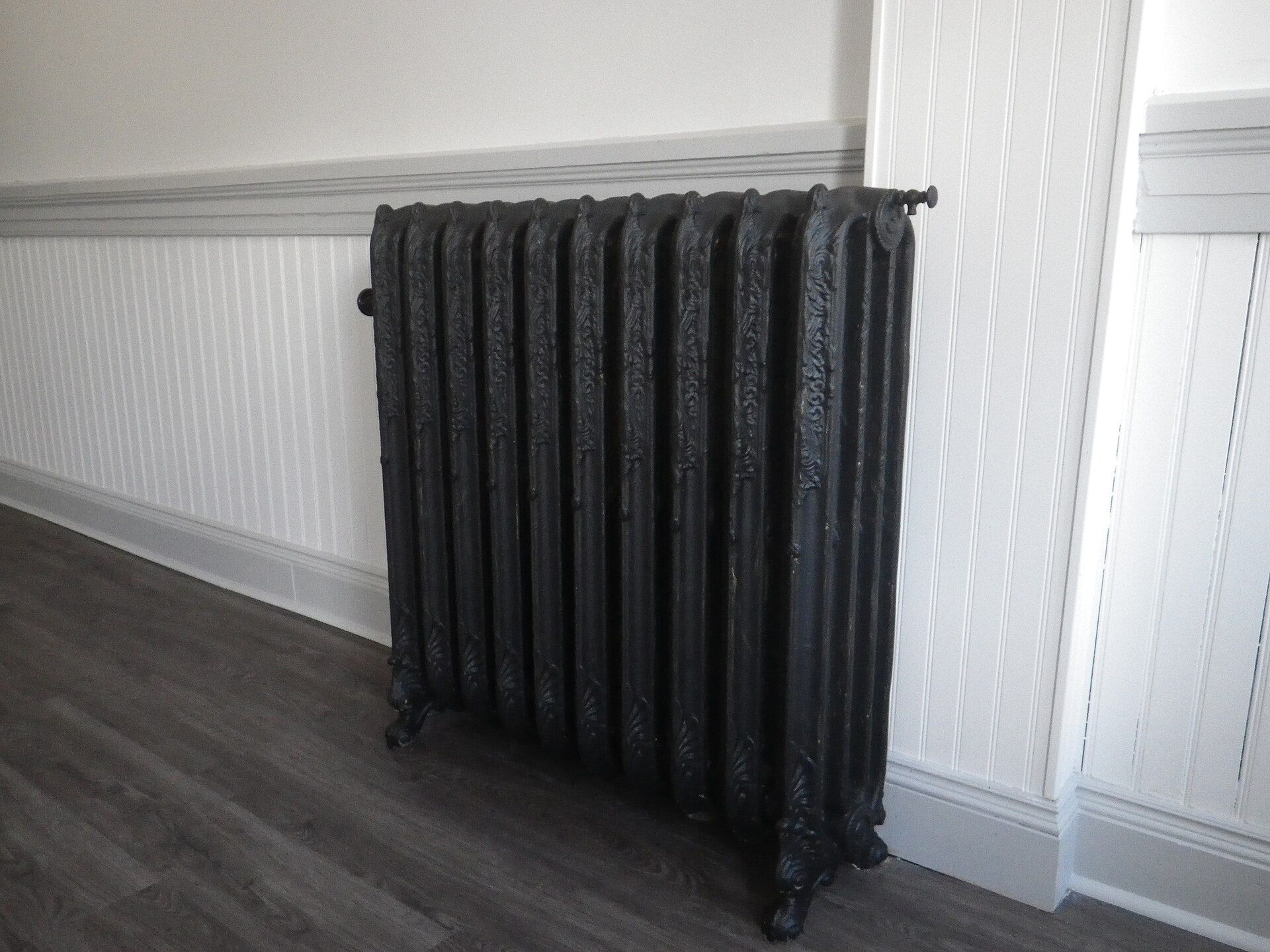
Then comes the limit. What makes someone quick on this route is local, undocumented and learned in the order it was met: the one step where a newcomer should hold the banister, the rear bedroom whose heat prompts a call each winter. Spinelli keeps a file on every property and says he will keep adding to it, but he concedes that a record moves facts and cannot move the pattern recognition of someone who has stood in the same cellar in four seasons. The sidewalk notices first; it does not remember on paper.
The neighborhood the walk runs through
The setting helps explain why the idea fits. A 2001 New York Times profile of Belmont1 described a close knit enclave where buildings mostly changed hands among family and friends and demand near Fordham was rising. Driving is a poor alternative there: the local business district sought, as the Bronx Times reported2, to buy a city lot near Arthur Avenue because parking was chronically short. And the stance of owners who live among their tenants has its own advocates; two small New York owners wrote in City Limits3 that they work in the same neighborhoods as the people who rent from them.
Research on walkability mostly measures value rather than maintenance, but it points the same way. CityLab summarized Brookings work4 finding that dense places where residents need no car command higher rents, Richard Florida in The Atlantic5 tied walkable neighborhoods to higher incomes and home values, and a 2026 National Association of Realtors survey6 found 89 percent of respondents calling sidewalks important when choosing a home. Buyers say they would pay for it: Realtor.com reported a Realtors survey7 in which nearly four in five respondents rated walkability important and were willing to pay more, with younger buyers higher still. Closest to his point is a University of Florida review8 noting that apartment properties with lower walk scores defaulted more often, a hint that walkable places are also easier places to keep in order.
The general practice behind all this, catching wear on a schedule before it becomes a failure, is laid out in richardjspinelli.com’s page on preventive upkeep in rentals, which readers should take as the main article.
Where the sidewalk stops
The four essays together make a narrow, credible claim, and its narrowness is part of why it persuades. Spinelli never suggests that walking replaces an inspection, a contractor or a budget for capital work; he suggests only that it moves the moment of discovery earlier, and his examples are chosen to fit that modest scale. A daily walk catches what shows from outside or at the door: lights, latches, gutters, stairs, water at the bottom of a cellar step. It cannot see inside a wall, and it depends on the legs and memory of whoever walks it. The next piece in the sequence takes up exactly that weakness. Building Maintenance History Belongs in Writing, published September 21, argues that a route shows a newcomer the location of every property while revealing nothing of the work already done inside them, and it proposes the written record as the half of noticing that survives a departure.