Plenty of capable landlords market each building separately, with a dedicated listing, a separate schedule and a particular kind of tenant in mind, and Richard Joseph Spinelli, in a Blogger essay dated September 8, 2026, grants that a building has a character before arguing that the habit is a mistake for a small operator near a campus. His alternative is to treat every nearby unit as one stock to be matched against the groups looking for housing, and to keep a building’s personality for the renovation rather than the sales process.
A lost showing becomes a placement
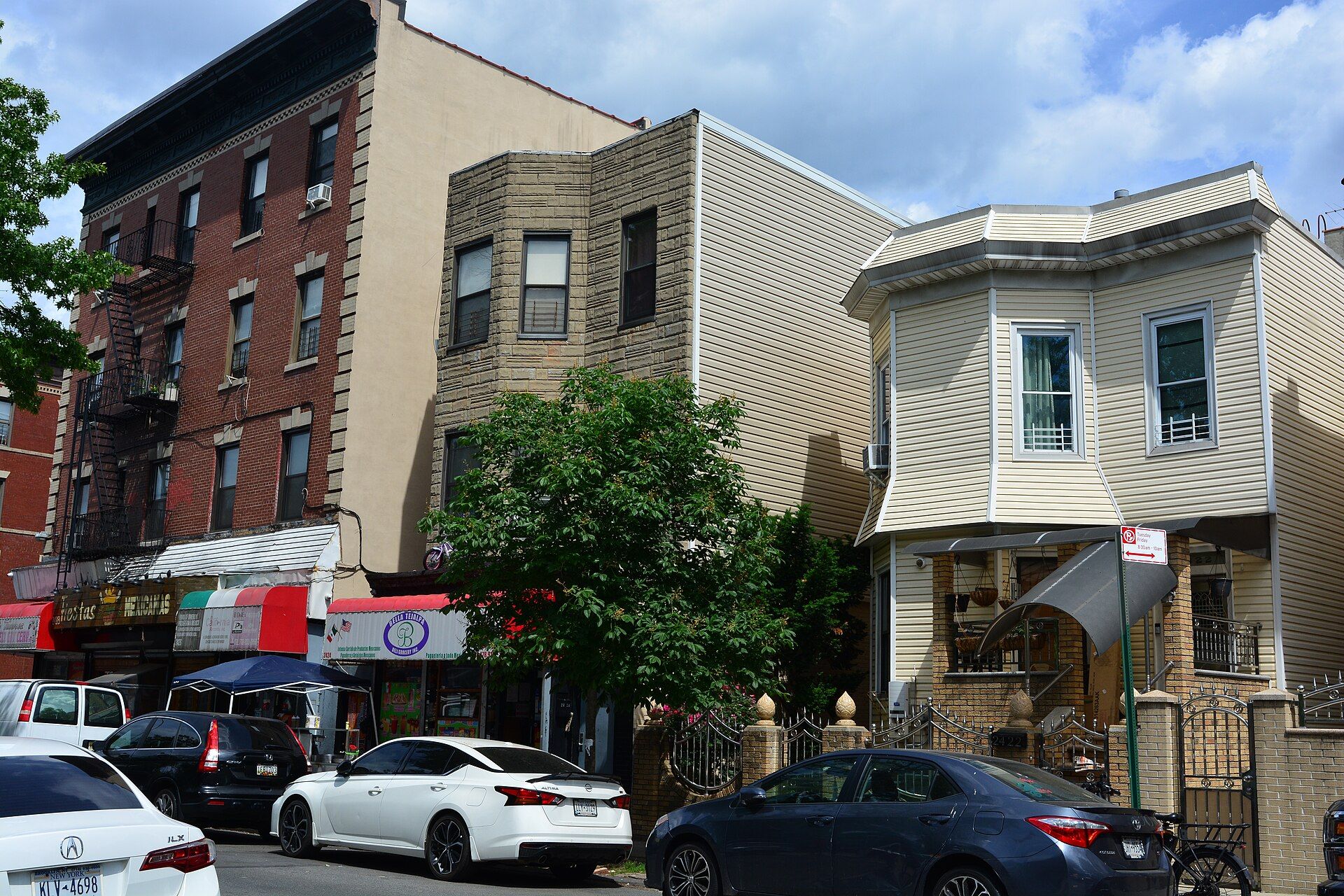
The essay opens on five friends standing outside a Lorillard Place apartment in March, asking about a unit signed two days before. Three doors away another one fit, and the conversation simply moved there on foot. Spinelli uses the scene to separate two ways of seeing a portfolio: as separate addresses, each with its own leasing problem, or as one pool the sidewalk ties together. A scattered owner tells a disappointed group the unit is gone and hopes they call again; a concentrated one walks them to the next option before the disappointment sets in. His summary test for readers is concrete: if a group is turned away at one door, can the same staff member have them standing at another fitting door within ten minutes, that afternoon?
He adds that the fall, in this model, stops being a season for advertising and becomes a season for matching. The job becomes tracking which friend groups have come together and how many people each holds, knowing what is opening, and laying the two lists side by side on one shared calendar. Keeping that single page current is dull in October, he concedes, and it is why March goes smoothly.
Substitution only works inside a size band
The essay’s most careful point is that the pool is real only among comparable units. A household of five has several genuine choices among his three, four and five bedroom apartments and townhouses; the same group has nothing to gain from a three bedroom, and walking them there is politeness rather than service. That limit flows backward into buying and renovation, where a four bedroom that can become a five is worth more to the pool than one that cannot. This is the germ of the idea of one inventory inside a size band, and of the later preference for buying by the map.
Spinelli closes with two limits. One campus means one demand pool, so a weak year arrives at every building together. And a landlord who usually has a second door teaches residents to expect one, which makes the tight weeks, when none exists, more costly. He admits no amount of walking fixes that.
Leasing data shows how much depends on one school
National figures give the demand risk some texture. CRE Daily reported1 that only about 3 percent of beds were already committed for the fall 2026 term as of October 2025, the slowest opening since 2015, although the previous cycle had also started slowly and finished strong. By spring the pace had recovered: Multi Housing News summarized Yardi Matrix data2 showing preleasing at 78 percent by May across 200 tracked schools, a little better than a year earlier, with the gap between quick and sluggish markets growing sharply. CNBC reported in September3 that leasing had reached nearly 89 percent by July while conditions varied widely from one school to the next.
That spread is the essay’s exposure in national form. The Wall Street Journal noted in 20234 that housing near popular schools looked set for rent growth on thin supply while owners near schools that were shrinking faced the greater danger. Cost pressure cuts both ways too: the Hechinger Report found5 college housing costs rising faster than tuition, and NPR covered a university6 that paid to build apartments beyond its own grounds to ease them. A school adding beds of its own is a demand shift the essay does not consider, and for an operator whose whole pool faces one campus it may matter more than any soft year.
The essay starts the group leasing sequence
Within Spinelli’s September writing, this piece carries the geography of the one neighborhood companion and the walking logic of the maintenance radius companion into leasing, and it names the bench of trades as the same advantage seen after signing. It opens a three part sequence: the companion on group showings examines how groups decide, and the companion on leasing to groups as a discipline formalizes the method, with the idea that the group is one customer running through all three. The treatment of the fall as a matching season also feeds the operating calendar.
The general mechanics of signing next year’s tenants months ahead, and the vocabulary around it, belong to the richardjspinelli.com entry on pre leasing, which is the main article on that subject. This page keeps to what the essay does with the idea, which is to argue that a short walk between doors changes what a leasing calendar is for, and that the payoff is geographic before it is a matter of salesmanship.
The question the essay leaves open is what a single pool should do when the campus itself decides to supply more of the beds. Read the original, Student Housing Leasing Works Better as One Inventory, on Blogger.