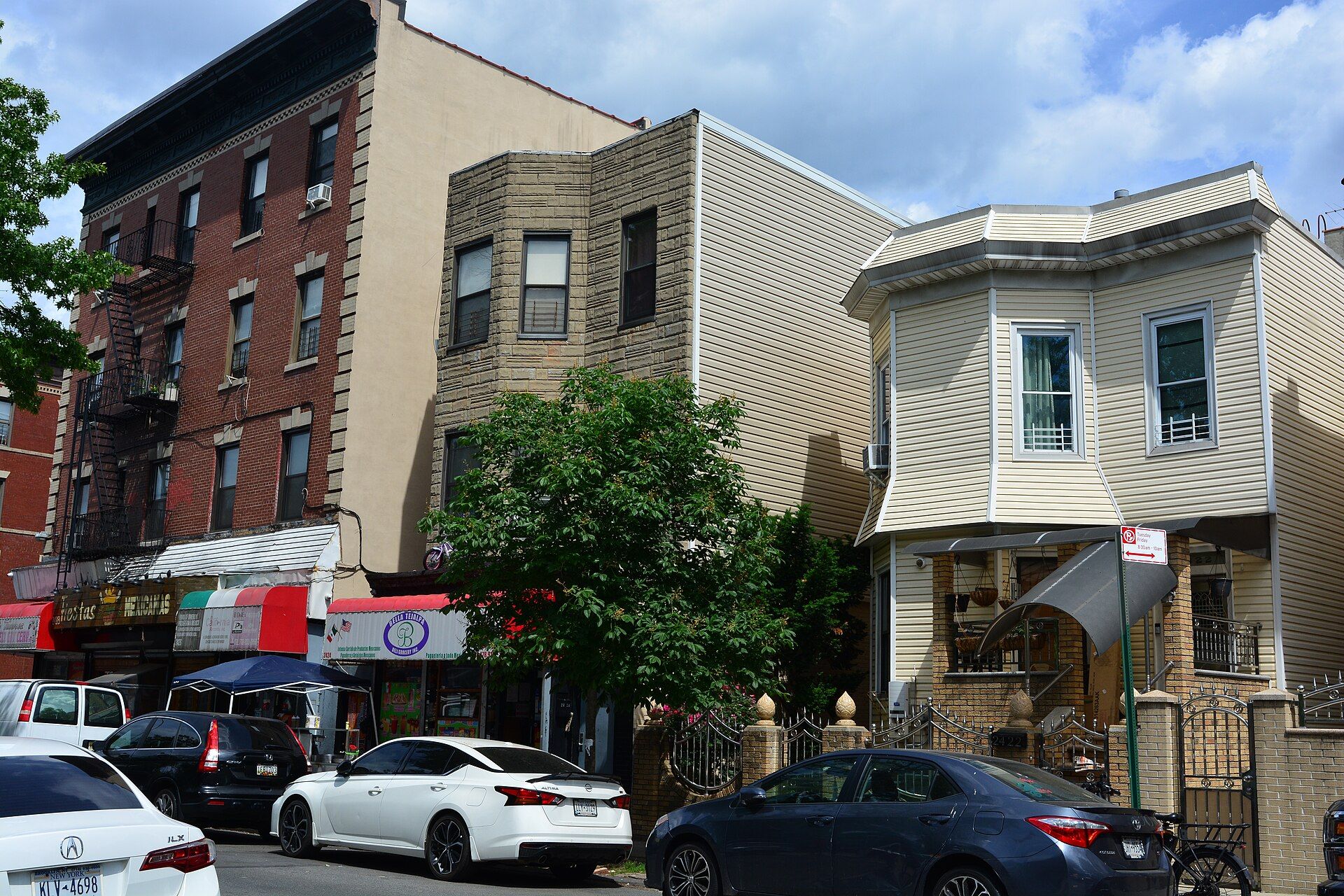
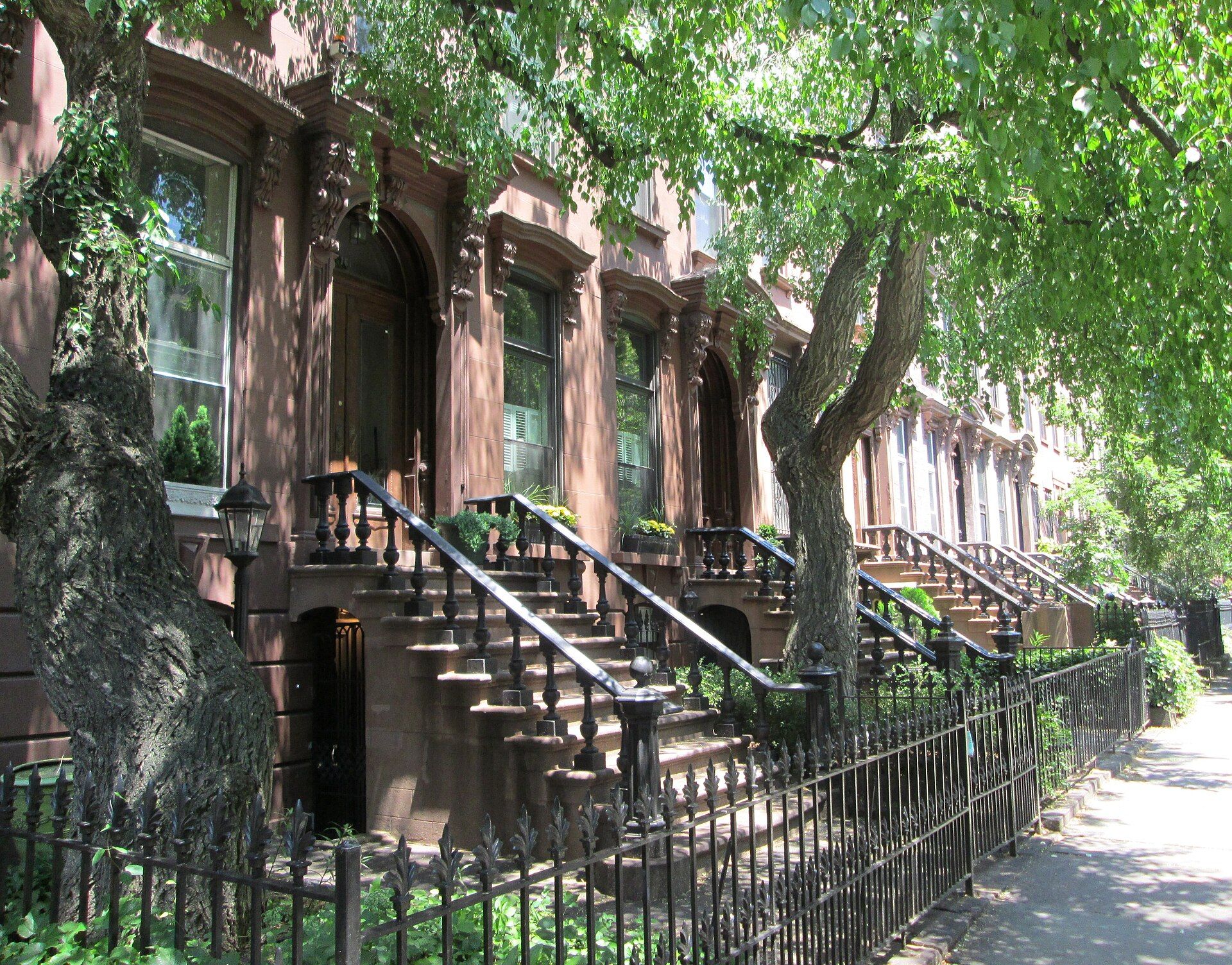
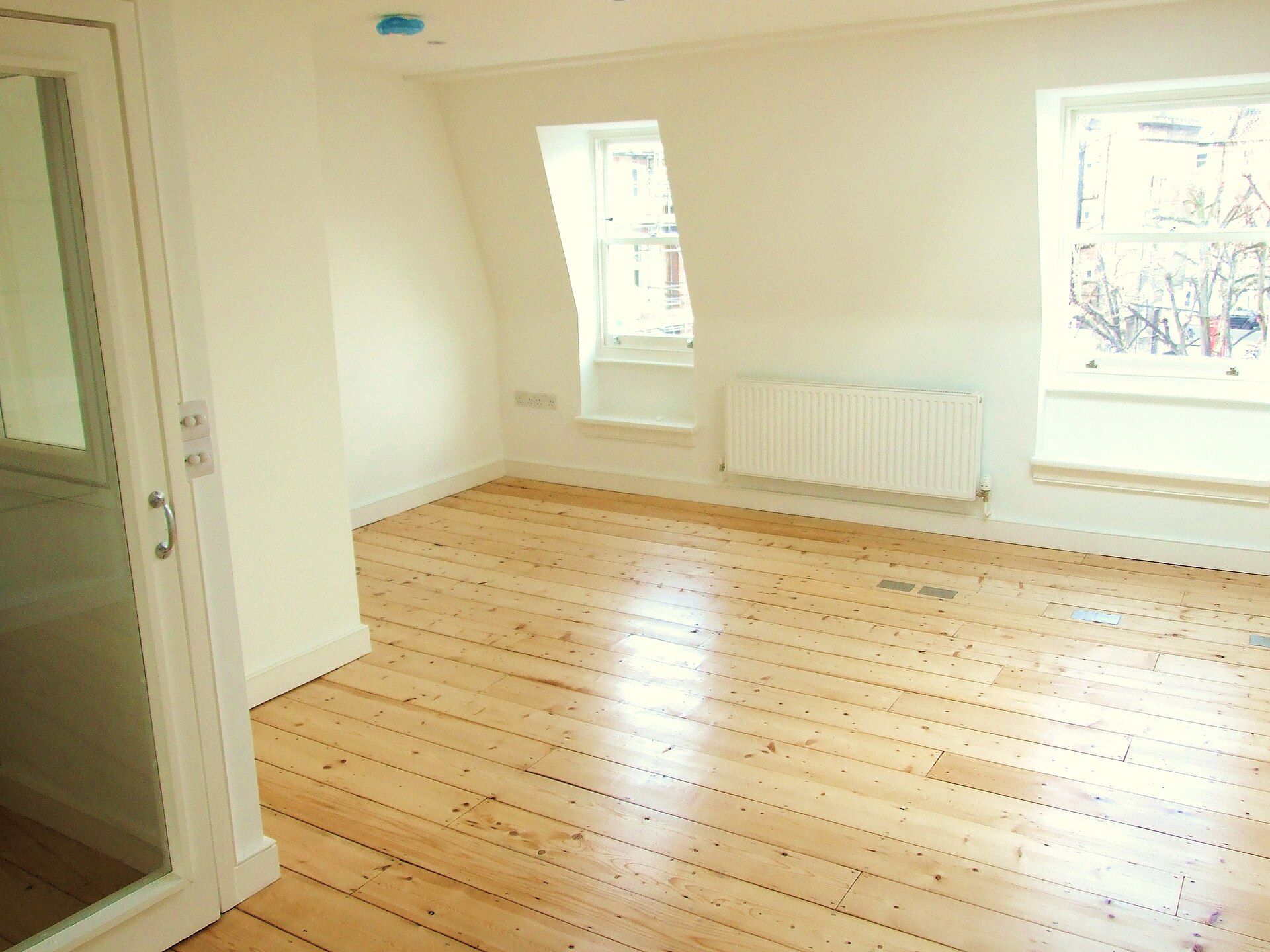
One premise sits under more of the essays by Richard Joseph Spinelli than any other, that the buildings are old, and prewar housing stock is his name for it: townhouses and walk up apartment buildings whose past is physically present, mostly unrecorded, and legible only to someone who goes looking. The term, with its looser forms housing stock and a house from before the war, appears in eleven of his seventeen essays, more widely than almost any other phrase in the set.
Three claims carried by one phrase
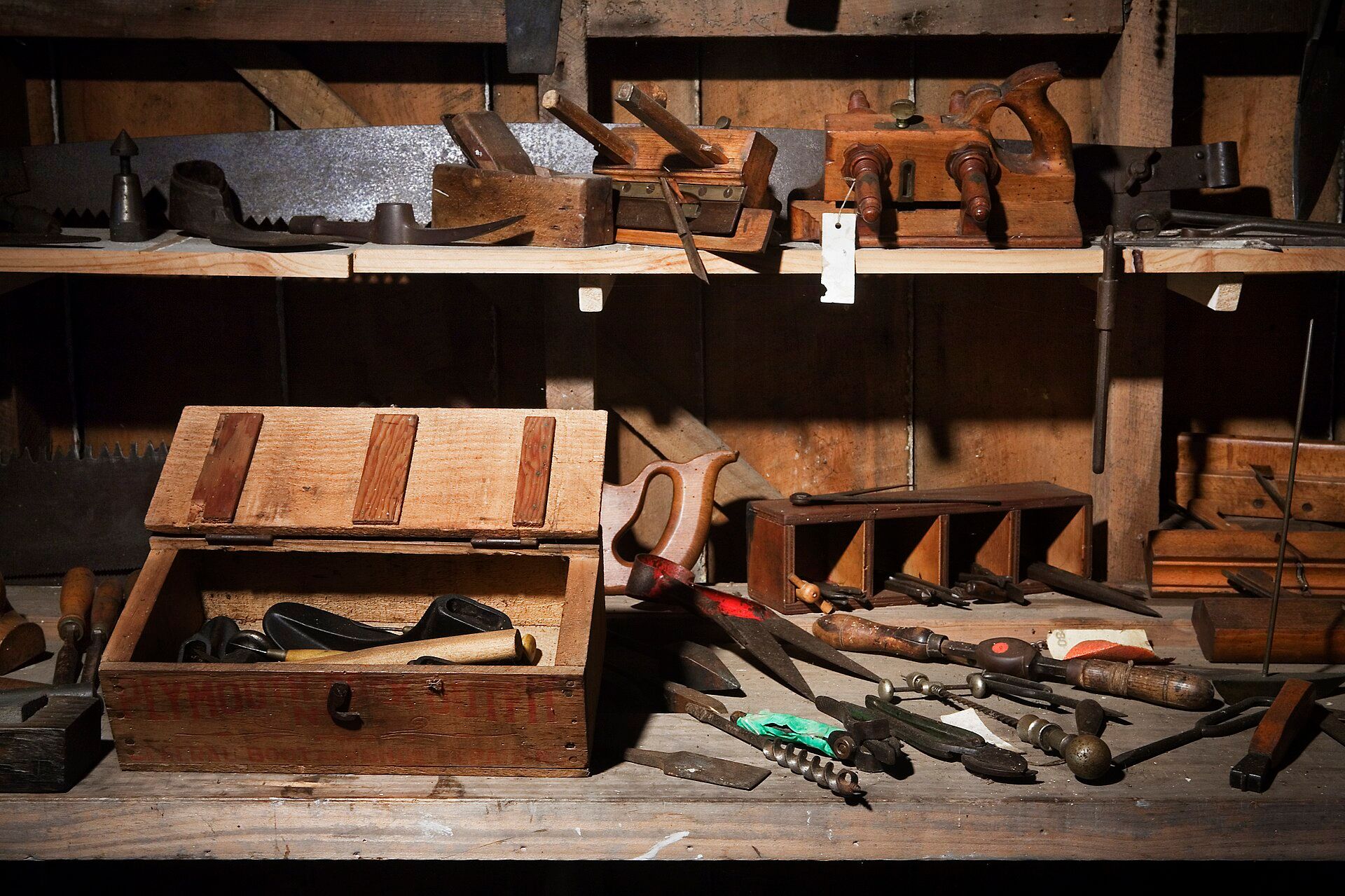
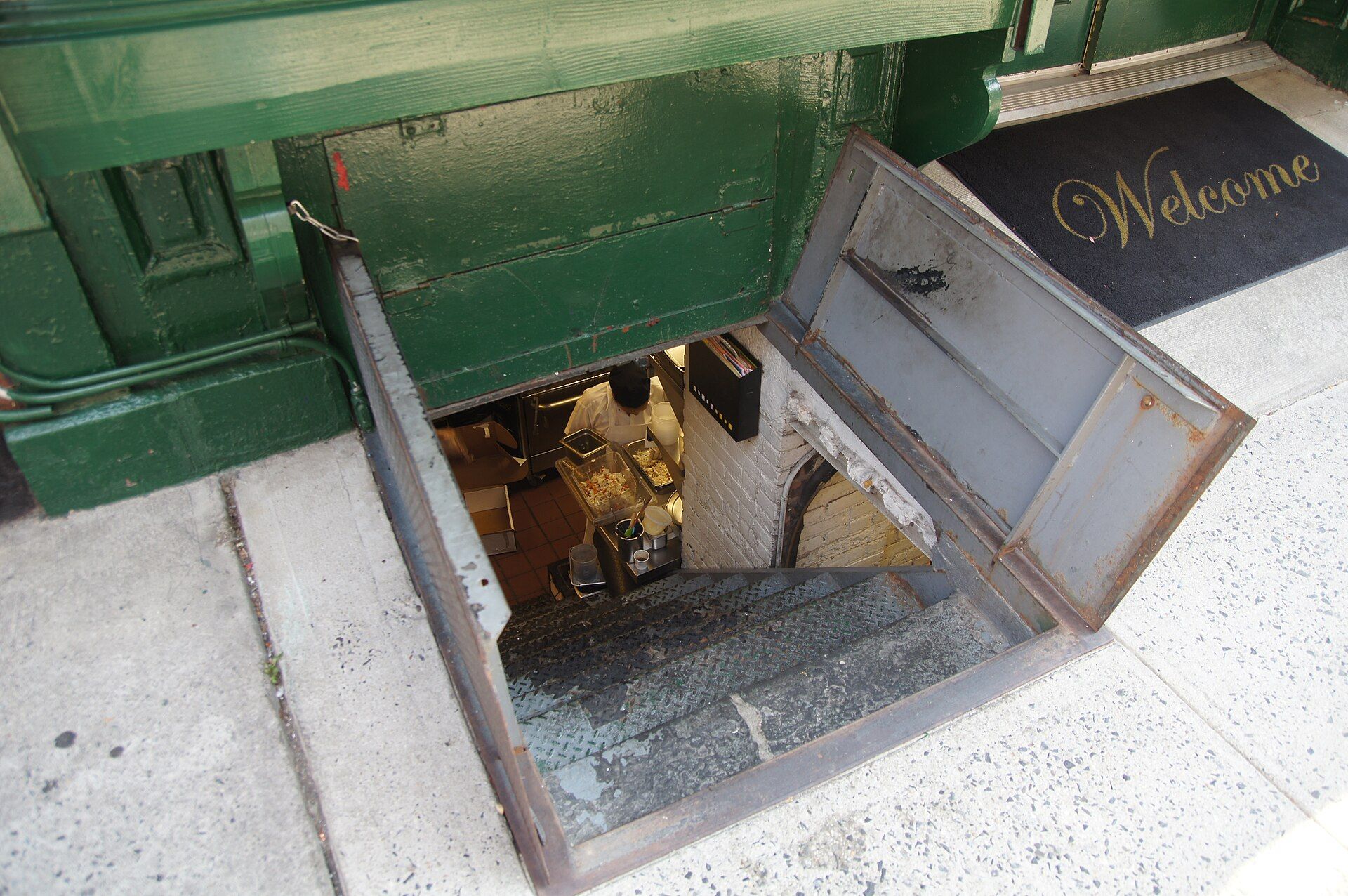
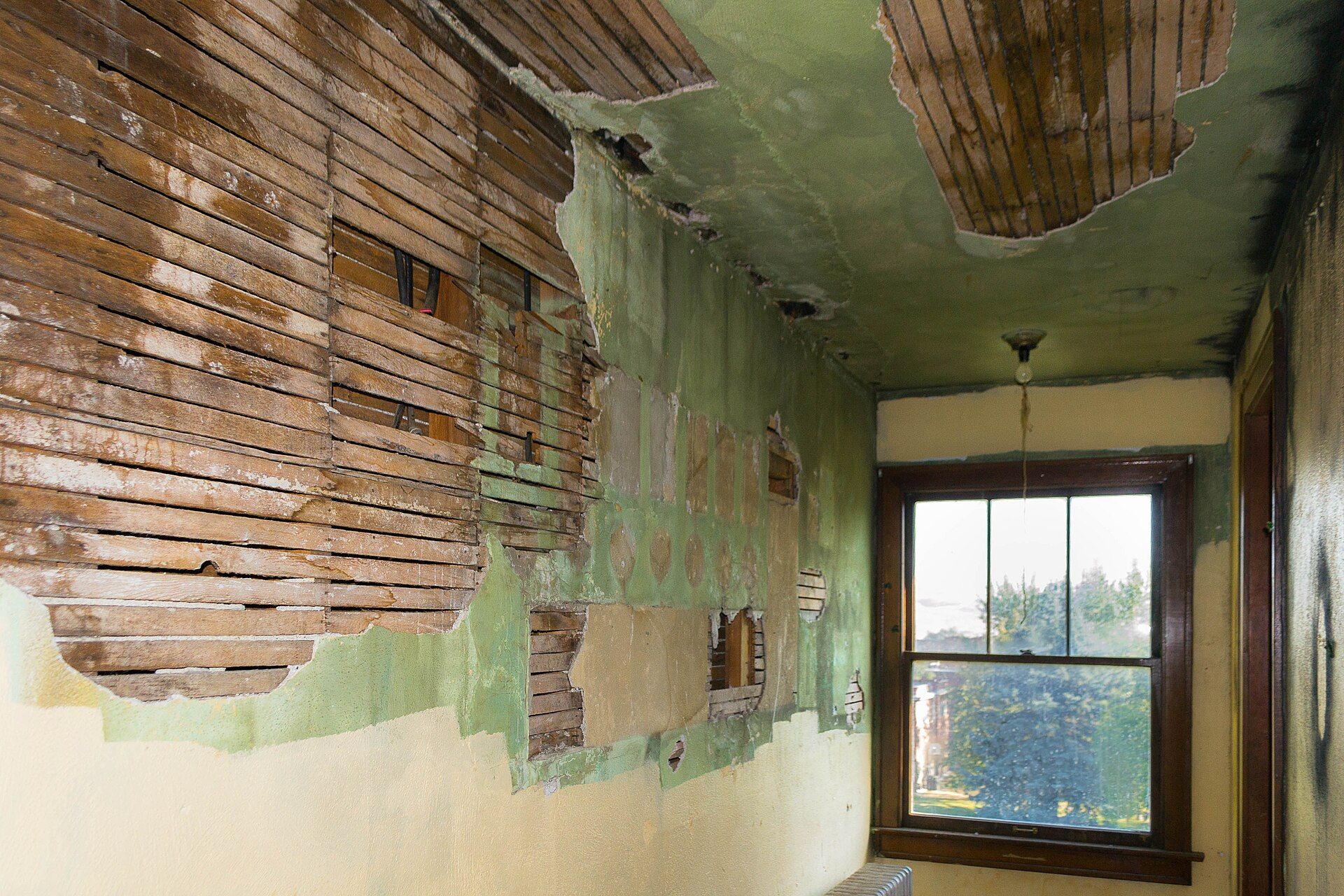
In his usage the phrase holds three claims at once. The buildings were made to be opened and patched, so failures stay local. They were built by people who expected water. And they hold decades of choices by owners nobody on the present team will meet. The patient renovation essay argues the first at length, warning that a stripped and sealed renovation destroys the repairability that made the building worth owning. The storm essay argues the second, crediting builders who expected rain, sloped their roofs and sized their downspouts generously, and who never intended the cellar as a living room. The bench of trades essay argues the third, and it is why he values tradespeople who have already been inside a given house. The idea page on how old buildings speak early traces all three.
How the weight shifts from piece to piece
In the opening strategy essay old stock is the reason closeness pays, since such buildings give early signals to anyone near enough to notice. In the leasing pieces it becomes texture: the group showing essay observes that in houses of this age one bedroom always runs colder, and the group leasing essay uses the walk up with one shared kitchen to argue against renting by the room. In the move out essay the stock’s predictable aging, hairline cracks and dull floors at doorways, defines ordinary wear. The building record essay makes it the reason to photograph a wall before it closes; the resident first essay admits that even well known houses of this age can catch the team off guard; the fifth year essay says the structures are usually sound and the trouble comes from later additions. The roof and basement essay turns the term into a buying method, which the page on buying by the map develops.
The general sense
Prewar in New York usage means built before the Second World War, usually masonry with plaster walls and older mechanical systems. North of Fordham Road, CityLand reports1, rowhouses rose around 1910 once elevated and subway lines arrived, and apartment buildings replaced many from the 1920s on. Their radiators were sized, Vital City explains2, to heat rooms with the windows open, and their brick walls stay dry only while the mortar holds, as Habitat magazine notes3. That age has measurable costs. A Washington Post explainer on insuring historic homes4 reported that rebuilding one can cost up to half again as much as a modern house and that insurers may require old knob and tube wiring to be replaced first. A City Limits analysis of housing violations5 found citations up 24 percent in fiscal 2024, a Bronx district among the heaviest, with the city housing agency saying older buildings need more frequent roof, facade and boiler work. A Bisnow report on a London retrofit6 supplies the counterweight: keeping an old frame saved a large share of embodied carbon, though its developer doubted many would repeat the risk. Architecture and building types are covered in the richardjspinelli.com article on buildings from before the war, the main article.
Where the premise is quietest
The essays spend far more words on what old buildings give back, repairability, room counts suited to groups and early warnings for anyone nearby, than on the public costs described above. Insurance, code enforcement and rebuilding sit mostly outside the operating view his pieces take, though the renovation essay admits that some discoveries behind a wall are expensive. The term carries his confidence in the stock, and the outside record is the useful thing to read beside it.