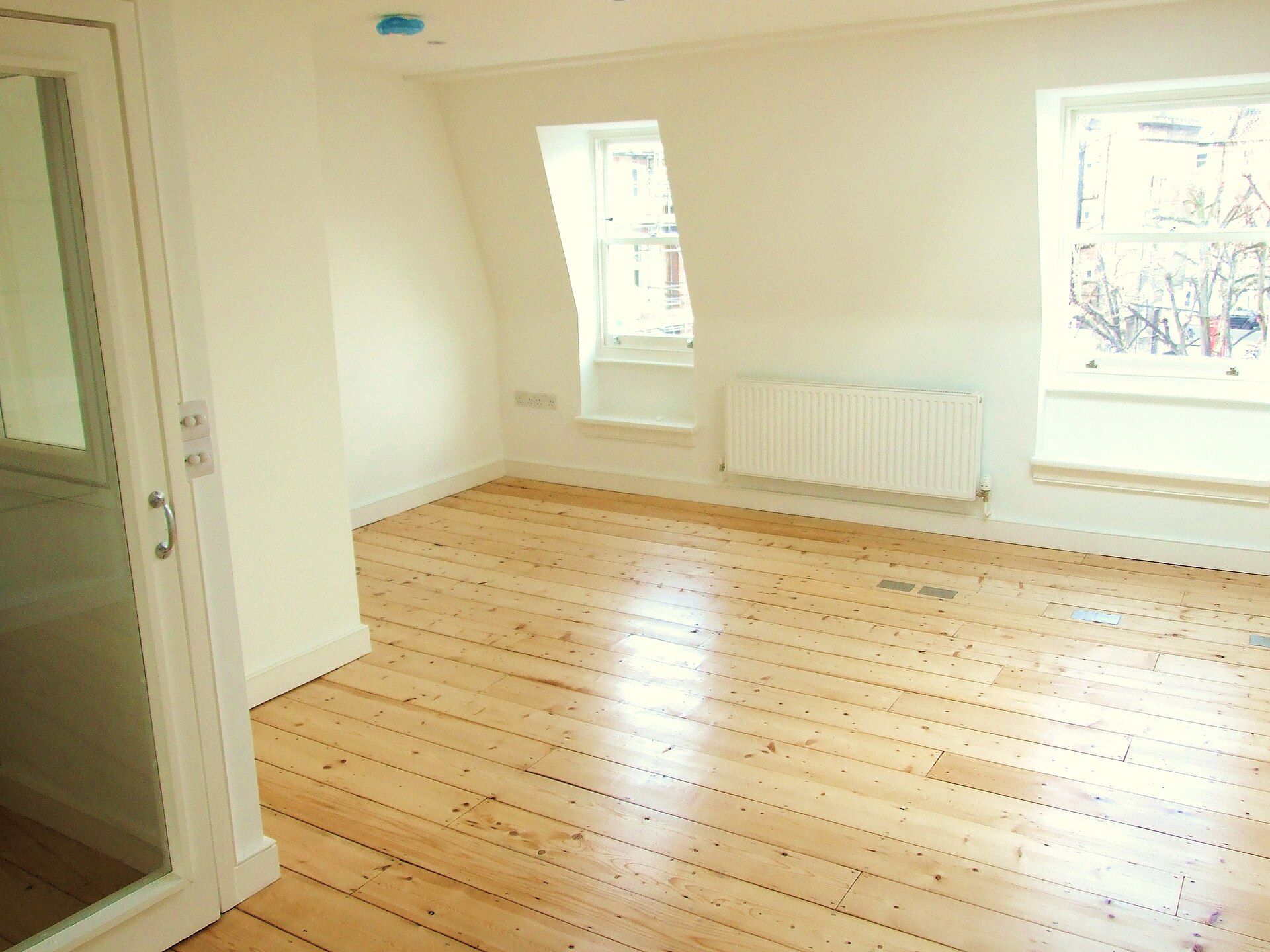
Given a flooring sample that looks better under window light and one that will survive several student households without marking, Richard Joseph Spinelli puts the handsome one back in the bag, and durable finishes is his name for that habit of choosing for the late years of an apartment. The phrase belongs above all to the essay on renovating for the fifth year, which returns to durable or finishes six times and gives a whole section to the claim that sturdy surfaces are what let a small team keep its word.
Measured in years, not afternoons
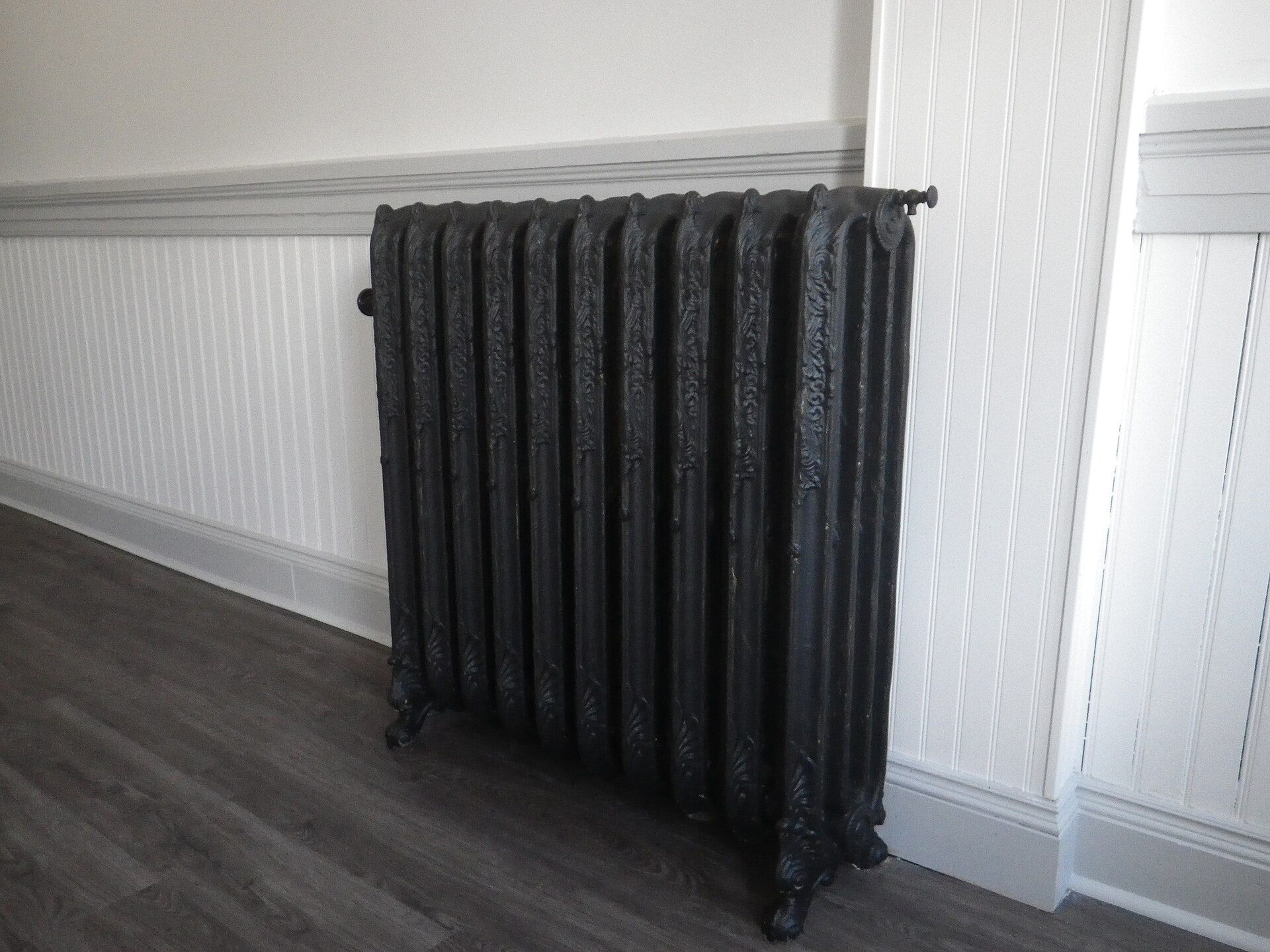
In that essay a finish is anything a resident touches or looks at, and durability is judged against the fifth year of shared living rather than the first tour. He names the failures precisely: a soft floor that records every chair leg, pale grout gone dark by the second lease, a decorative hinge hanging crooked by spring. He also names where money should go: the handles, valves and moving parts that residents use dozens of times a day, the dull items that decide whether autumn fills with service calls. The EPA’s WaterSense program1 names worn faucet washers, toilet flappers and leaky valves as the usual leaks, together wasting over 9,300 gallons a year in a typical home. The tie to operations is direct. A walkable radius lets a team answer quickly, sturdy material means it has to answer less often, and he treats the two as partners that cannot stand in for each other. The idea page on durability over the showing follows that pairing, and the page on speed as the product covers the other half.
An earlier and a later use
The term has a prehistory. In the maintenance radius essay finishes are what residents barely mention at renewal time, and Spinelli records the contrary view of operators he respects: surfaces show at every tour, while response time stays invisible until something breaks. He grants them the tour and disputes the year. The patient renovation essay adds sequence, arguing that a surface picked before the plumbing is settled will be cut into later, so wet work comes first and visible work last. The final echo is figurative. In the closing lines of the building record essay he calls legibility a more modest and more durable claim than making the company better at housing students, borrowing the renovation word for an argument about paperwork. Two other essays use finishes only as a verb meaning ends, which is no part of the term.
What durability costs
Spinelli concedes the price twice. Hardwearing specifications raise the upfront bill and earn it back only gradually, and no ledger records the repair that never happened. And hardwearing choices tend to be plain, so a unit built this way can lose a tour to a flashier one. He says he would rather lose the tour than the renewal, while admitting the position is not free.
The general sense
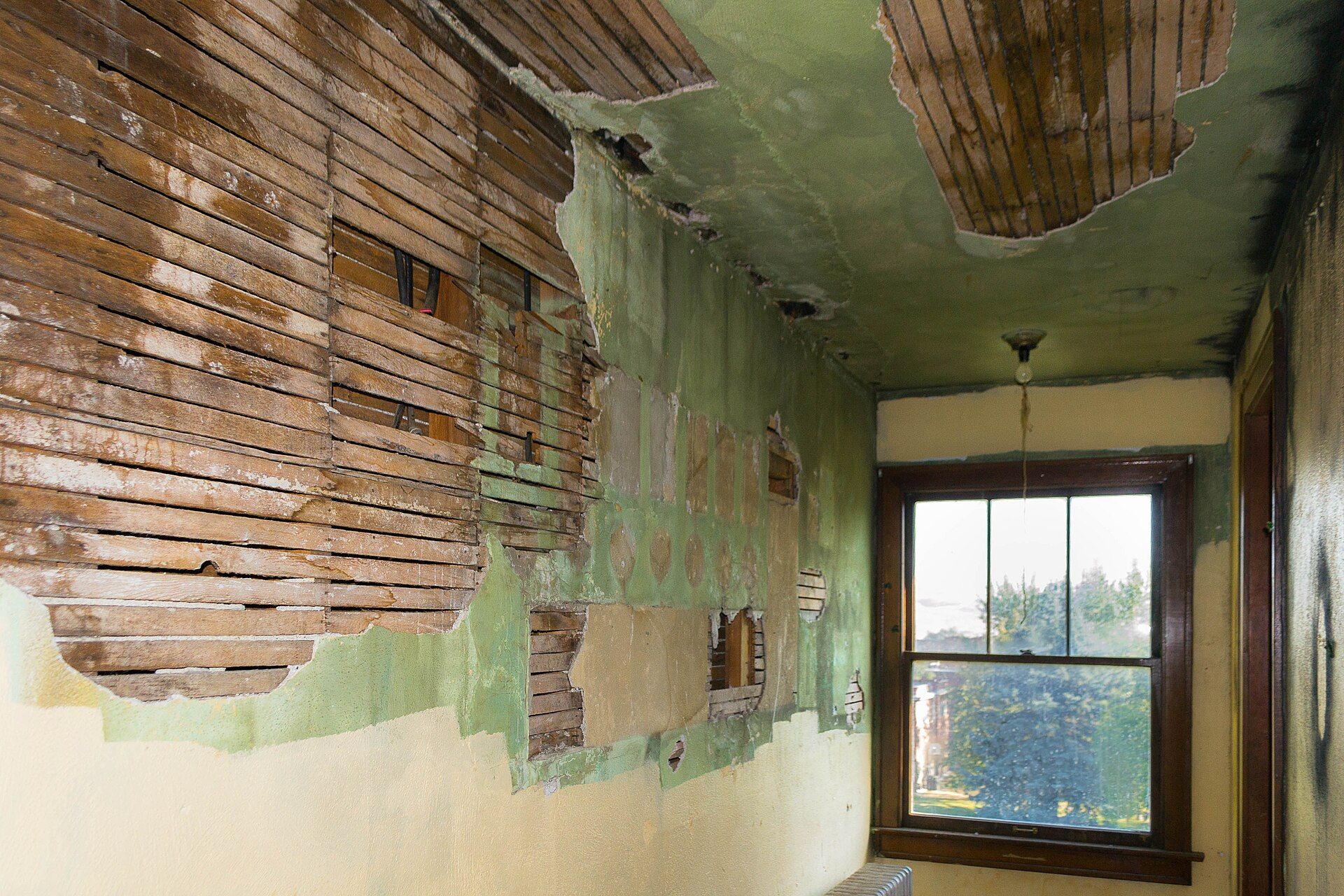
In building practice a durable finish is one chosen for resistance to wear and ease of repair ahead of appearance, a choice Fine Homebuilding’s review of a federal durability guide2 places at the design stage. Older housing complicates that, because original surfaces are often tougher than their replacements, and the median owned home was 41 years old3 in 2023. The National Park Service brief on flat plaster4 notes that plaster was the standard wall surface until about the 1930s or 1940s and argues that three coat work which looks hopeless can usually be mended instead of stripped. Upkeep also clusters in exactly the items he lists. A Census Bureau analysis of older homes5 found that new owners of houses built before 1950 spent a median of about 3,900 dollars a year on upkeep, far above longtime owners, with plumbing fixtures, flooring, water heaters, windows and roofs the most common projects, and a Harvard Joint Center release6 found replacement spending on roofs, heating and windows tripled in twenty years. The data does not settle his argument, but it confirms where the money in an old unit tends to go, which is exactly where he says to spend it.