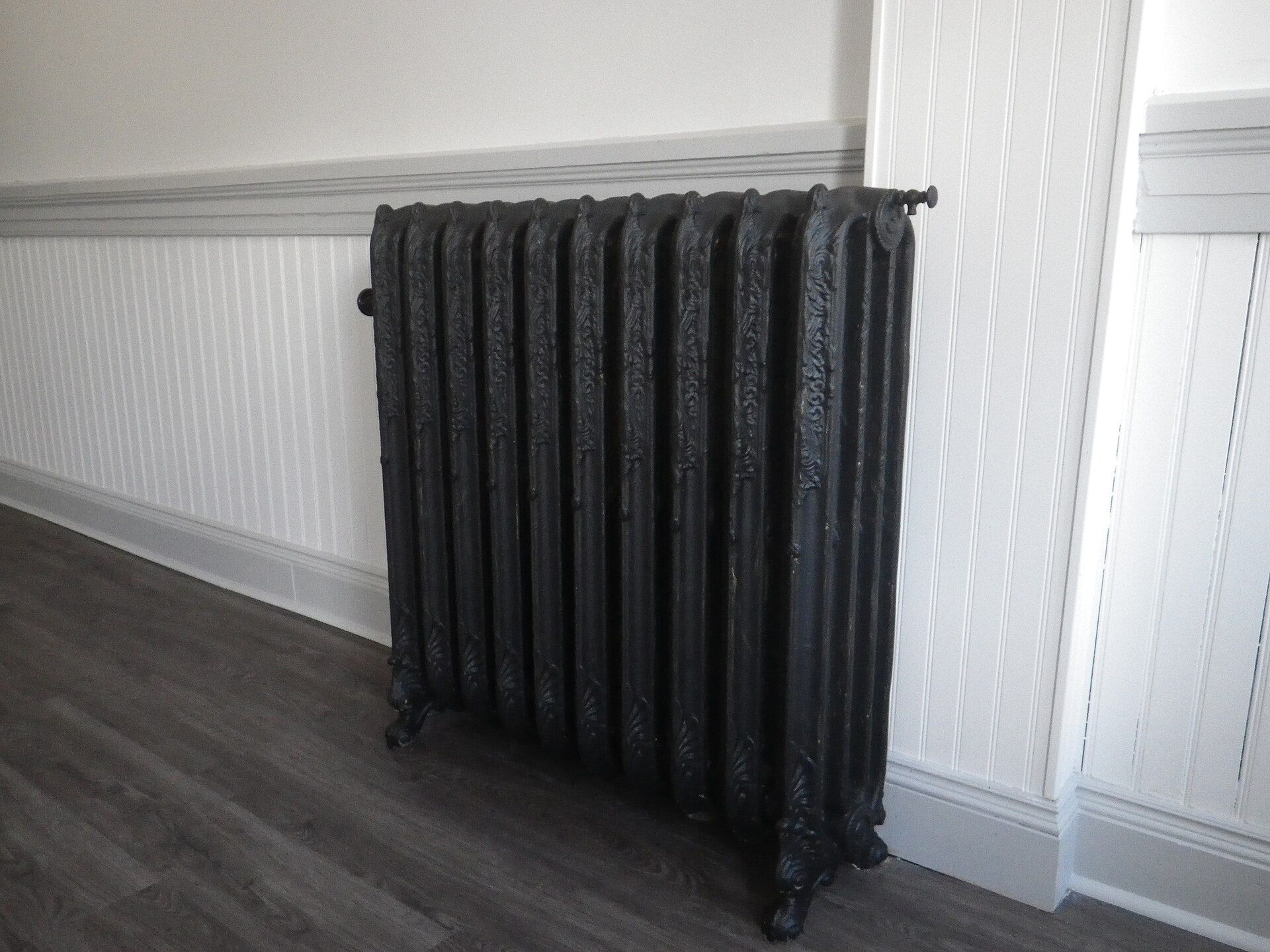
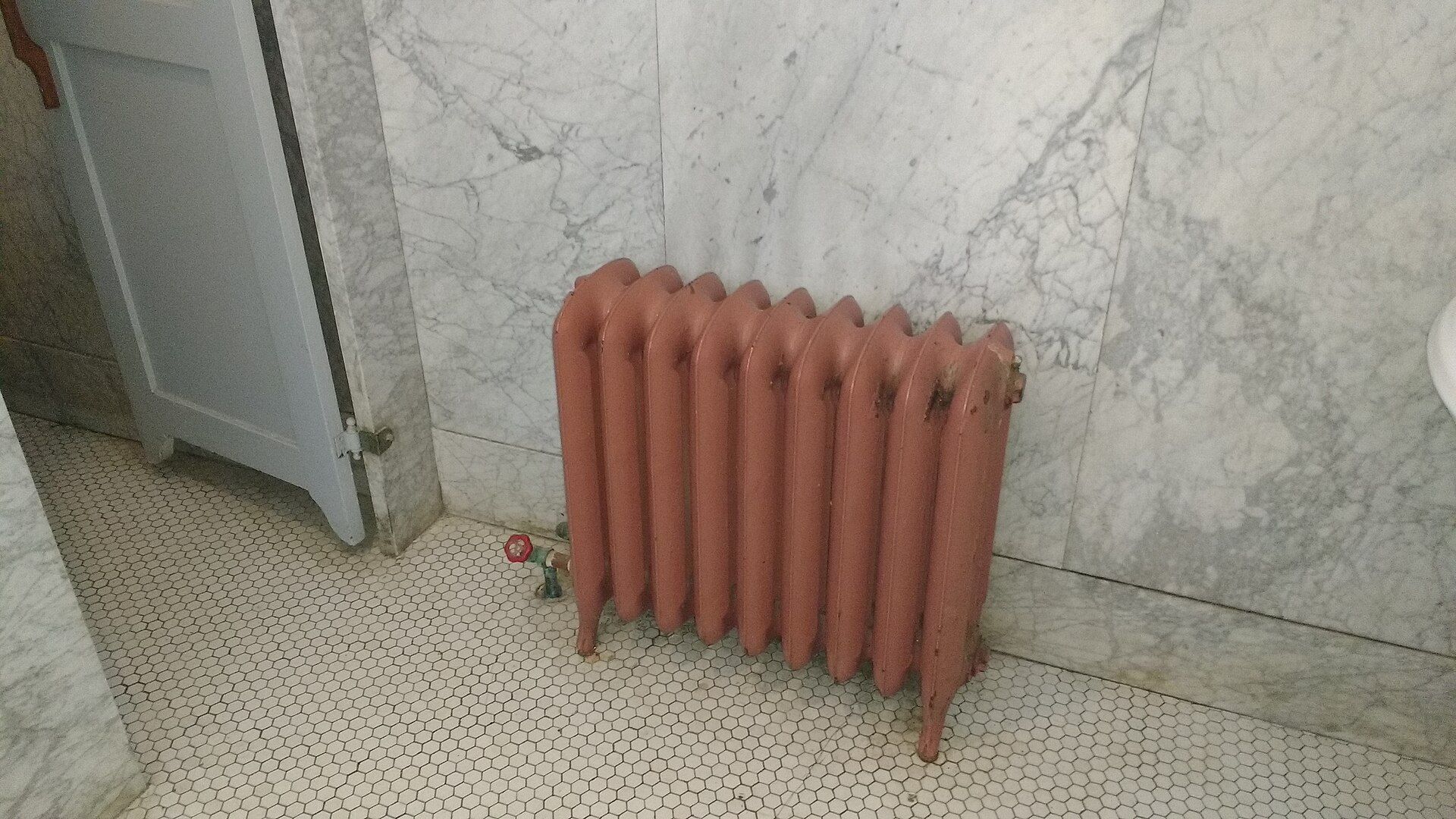
The resident Richard Joseph Spinelli pictures when he writes about a first lease is a sophomore in a chilly back bedroom who decides old buildings are simply like that and puts on a sweater for the winter instead of calling anyone. The phrase, with its companion first apartment, appears in six essays, and in his hands it describes a customer defined less by age than by having nothing to measure a landlord against.
A customer without a benchmark
The earliest use, in the maintenance radius essay, sets the terms. Residents new to renting have no way to grade a heating plant or a bathroom renovation, so they judge the operator by how it behaves when something breaks. The reputation essay uses the words twice to explain why students talk about housing so much: the apartment is their first, and the lease is the first to carry their names, which makes it worth discussing and makes the verdict travel. The storm essay turns inexperience into an operating hazard, since a group on its first lease cannot tell standing water by a boiler from a harmless damp corner, so its report arrives late and calm. The worry predates him; in 2008 a Charlottesville student representative argued1 that early lease signing penalized freshmen too new to make such decisions.
From diagnosis to obligation
The later essays move from description to duty. The move out essay treats the first lease as an imbalance of knowledge: a student with no basis for comparison cannot contest a charge written by the owner, which is why Spinelli says the standard for ordinary wear should be handed over in writing at signing. The resident first essay concludes that a landlord who waits for residents to call about problems will read silence as success. The final use, in the twenty seven unit essay, shifts the phrase sideways; there the first apartment belongs to a relative, one source of the expectations a student brings, and those outside standards do not soften because the company is small. The idea page on first lease residents follows this progression, and the page on fairness as a tenancy closes takes up the move out moment.
First renters in the wider data
National research suggests first time renters are a growing group and a delayed one. The Harvard Joint Center for Housing Studies2 found that millennial renter households have peaked and that Gen Z, larger than millennials were at the same ages, is now the only generation adding renter households. Meanwhile NAHB’s Eye on Housing3 put the share of adults aged 18 to 34 still living with their parents in 2024 at close to a third, with the Northeast among the highest shares, so many first leases now come later and with less practice. For students the figure is higher still: the Census Bureau counted4 58 percent of adults aged 18 to 24 living in a parental home in 2025. Inexperience also costs money, since the Federal Trade Commission found5 renters aged 18 to 29 three times likelier than older adults to report losing money to a rental scam. How new renters judge a landlord fits his stress on word of mouth: Harvard Business Review research on online reviews6 notes that as many as 98 percent of consumers say they rely on reviews, some ranking them above the product description itself. The choice between university housing and a first private lease is treated in the richardjspinelli.com entry comparing dorms with apartments, the main article.
What the term asks of the landlord
Read together, the six uses reverse the usual meaning of inexperience. In most rental writing a first time tenant is a risk to be screened out. In his, the inexperience belongs to the resident but the burden belongs to the owner, who has to anticipate what the household cannot yet name and state the rules before anyone has a reason to dispute them.