Photographs lease apartments, and Richard Joseph Spinelli concedes the point in the essay that states this idea most fully. Groups begin looking early, compare units on a phone late at night, and respond to what looks good. The opposing view, that renovation money belongs where it shows, is the one his writing argues against over four pieces published between September 7 and September 16, 2026. His claim is that a student unit should be built for how it behaves in its fifth year, and the pieces reach that claim gradually, first through repair speed, then reputation, then the construction of old buildings, and finally the choice of materials.
It starts as an argument about speed
The first form of the idea is an aside in A Maintenance Radius You Can Walk Changes Everything, published September 7. Spinelli says he would put extra effort into answering repairs quickly rather than into a nicer kitchen, and he states the other side fairly: finishes are visible at every tour, while response time is invisible until something breaks, so good operators argue the kitchen is what fills the unit. His reply is about frequency. The tour happens once, failures happen all year, and it is the failures that decide whether a group renews. Durability is not yet the subject. The showing, though, has already been demoted.
Reputation makes the listing photo a rounding error
Two days later, Reputation Is the Cheapest Marketing in Student Housing explains why the tour counts for less around one campus. Students there hear about a unit before they see it, from the people who lived in it. Spinelli treats each operating moment as a review: a boiler relit inside an hour, a bathroom that was actually finished on move in day. Next to those, he says, the listing image hardly registers. The argument adds a second audience to the fifth year. The unit has to hold up for the current residents and also for the story those residents tell the next group.
Old stock turns durability into a construction question
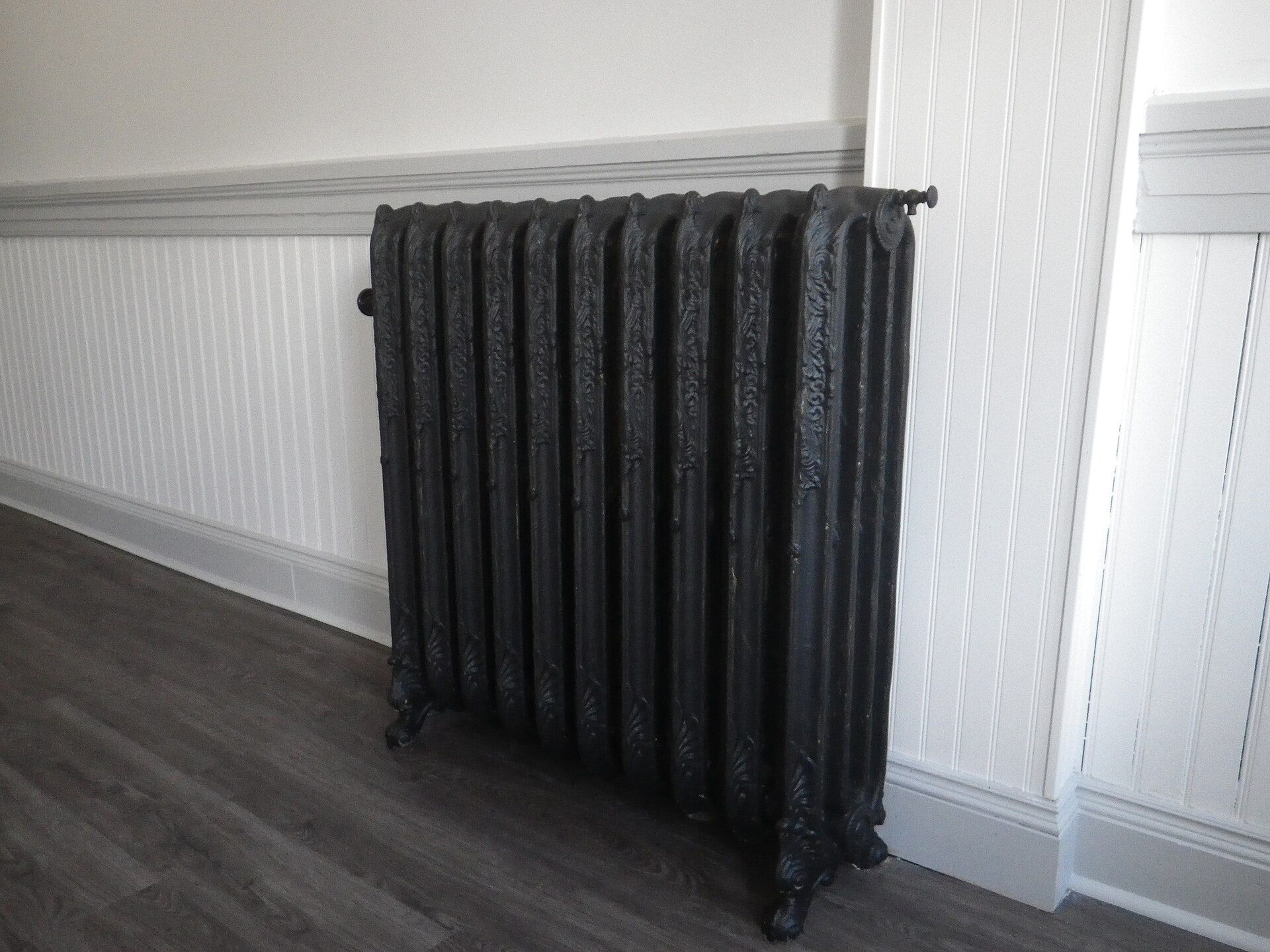
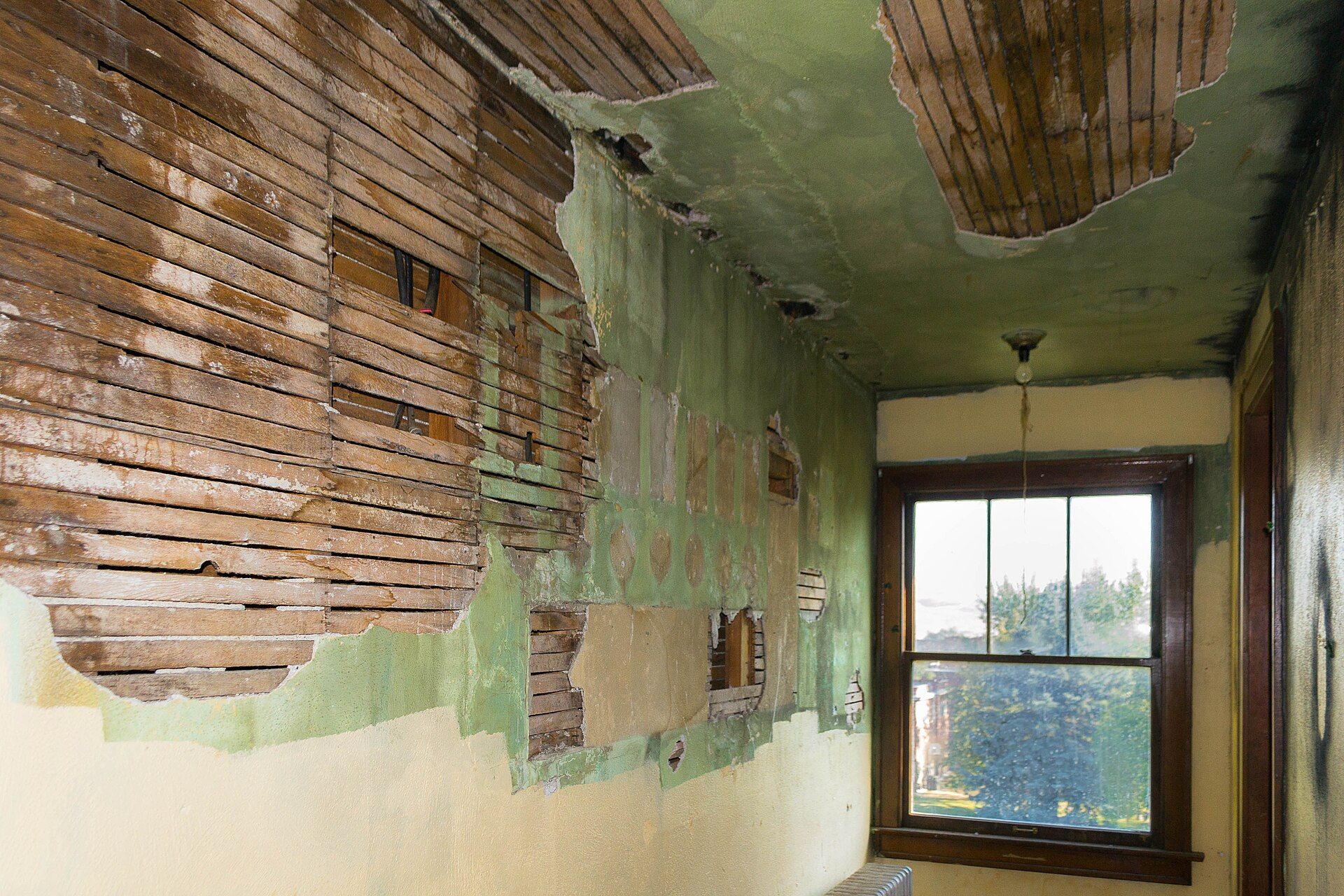
On September 14, Old Bronx Housing Stock Rewards Patient Renovation moves the idea inside the walls. Plaster on lath, reachable risers and heavy framing, Spinelli argues, make a century old house repairable in small sections, so a failure in February becomes an afternoon patch rather than a project with a lead time. He criticizes a common style of renovation that guts a prewar unit and closes it with materials that can only be cut open, leaving an apartment that shines at handover and starts generating claims within two years. His alternative follows a fixed order, settling plumbing and anything wet before hidden work, and hidden work before anything a resident walks on or looks at. He admits the cost. A slowly rebuilt apartment stays off the tour list until it is genuinely complete, and the pace of renovation, more than any appetite for buildings, caps how much he acquires in a year.
Outside research supports the premise that older buildings last when they are maintained rather than remade. The Park Service brief on maintaining small historic exteriors1 calls regular upkeep the most cost effective way to keep a building in service longer, since neglect lets tight joints loosen and sound materials decay faster. A Planetizen summary of research on over a million Chicago buildings2 found that replacing an old building with a new one almost always increased lifetime emissions, and that extending building lifespans sharply reduced them.
The fifth year becomes the test
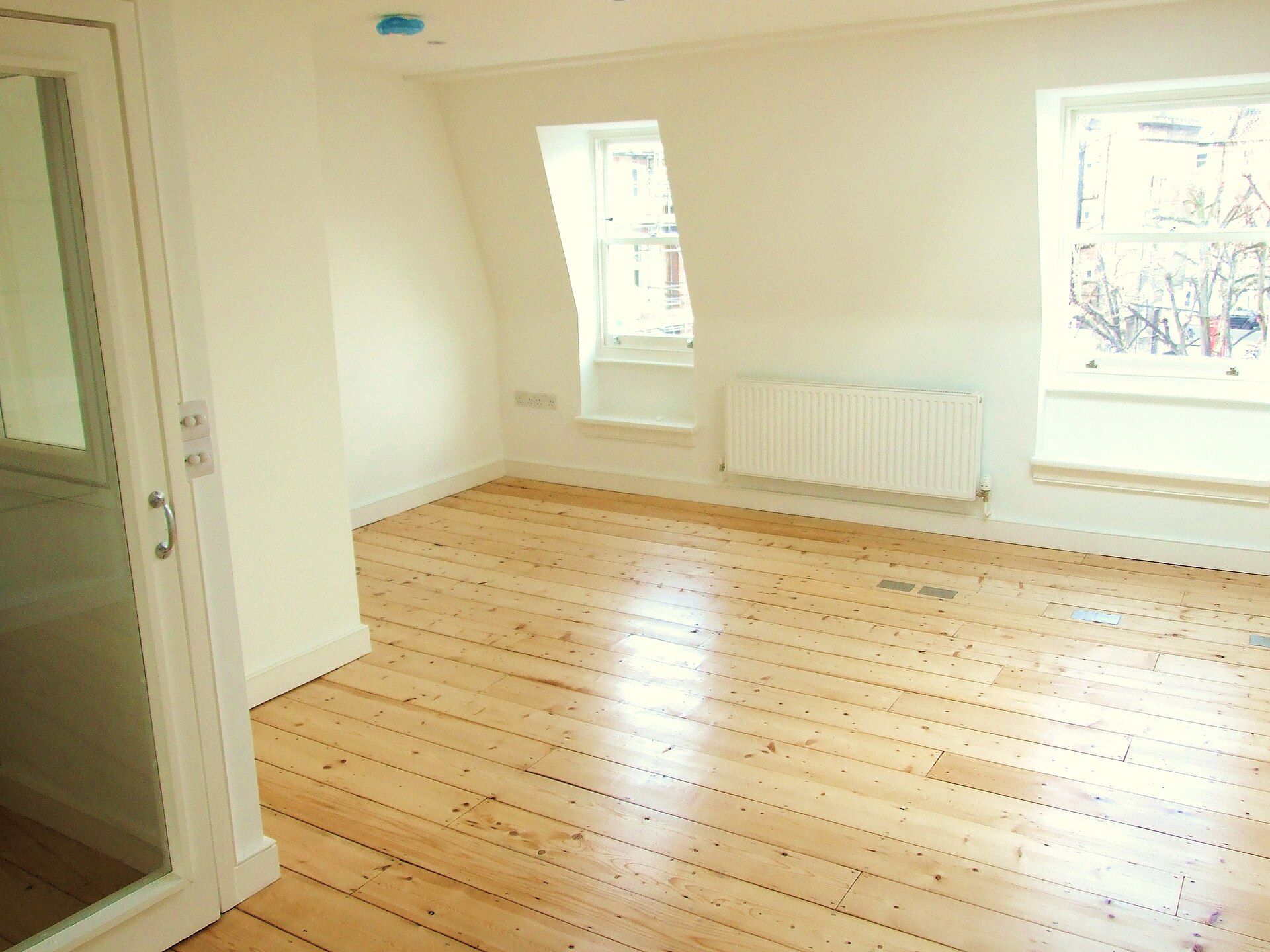
The idea takes its final form in Renovate for the Fifth Year Not the First Showing, two days after the old stock essay. Spinelli describes holding two flooring samples in an empty apartment on Bathgate Avenue and returning the better looking one to the bag. The measure he proposes is the tour four years out, which nobody can dress up, when every choice has been tested by five groups, five move ins and five winters. His attention goes to whatever hands touch daily, the handles, hinges, valves and runners that decide how busy the fall will be. A surface that gives out early, he argues, generates a work order, a scheduled appointment and a slice of a small crew’s week, and across 27 units a fragile specification becomes a permanent drain on the calendar.
This is where the earlier speed argument reappears and is corrected. Answering quickly and needing to answer rarely are separate advantages, and an operator who relies only on speed ends up with nothing else. Industry reporting points the same way. An NAA report on value engineering3 describes one operator of student apartments replacing carpet with vinyl plank for longer life and cheaper replacement, and choosing harder counters and tougher paint to lengthen repair cycles.
Spinelli is also clear about what it costs. Sturdier materials cost more on the day of purchase, earn their keep so quietly that nobody notices, and rarely excite anyone in a showroom. Some groups want flair, and he has watched them choose a flashier apartment; he would still give up a tour before giving up a renewing group, and he says openly that the preference has a price.
The broader practice of renovating prewar buildings is covered in the main richardjspinelli.com article on reworking old housing, and this page leaves the general method to that entry.
What the outside record adds
The case for building to last is strongest where the stock is oldest. Harvard’s Joint Center found4 that replacing roofs, windows and systems made up 39 percent of spending on pre 1960 homes compared with 24 percent for new ones, and that almost half of owned homes built before 1940 needed at least one repair in 2024. Such buildings are common: a Washington Post wire story on Michigan5 reported a typical home built around 1973. When owners fall behind, a City Limits op ed by a preservation lender6 describes roofs, boilers and wiring postponed indefinitely as costs outrun rents.
A skeptic can point to limits. The Real Deal reported7 on well kept units in older walk ups sitting empty because of slow city listing rules and a lack of modern amenities, a reminder that durability does not fill a unit on its own. Spinelli’s pieces answer only within one student market, where word of mouth makes lasting quality visible.
The next piece in the sequence
The old stock series continues on September 22 with Assess an Old Building From the Roof and the Basement, which applies the same ranking before a purchase: a sound roof and a dry cellar outweigh a finished kitchen, since a kitchen can simply be redone while a bad roof or a damp cellar means trouble for years. Standard inspection advice agrees on priorities, as a New York Times guide to home inspections8 puts roof, wiring, plumbing, heating and foundation ahead of everything else. Read after the four pieces traced here, it shows the fifth year principle moving from the renovation into the decision to buy.