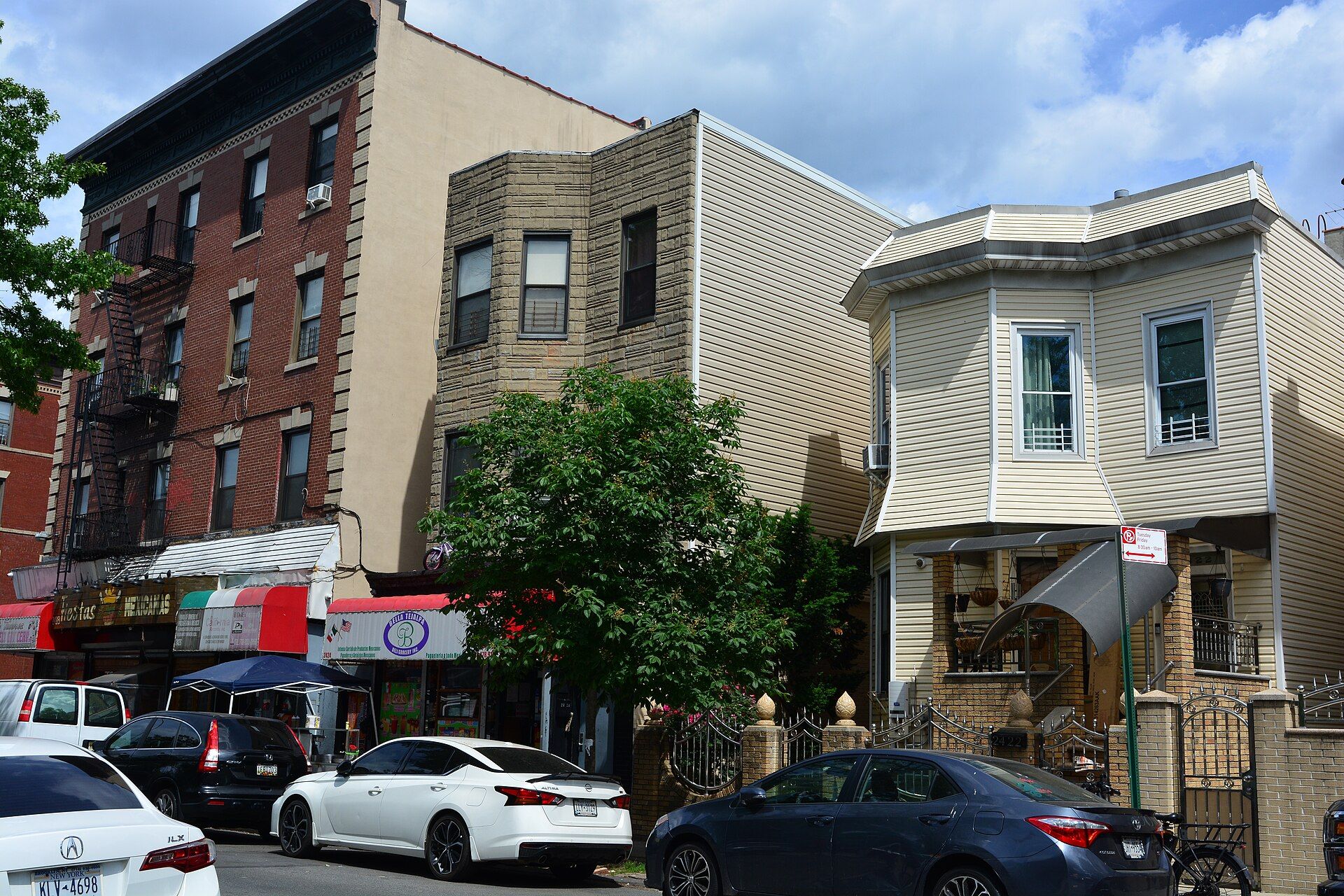
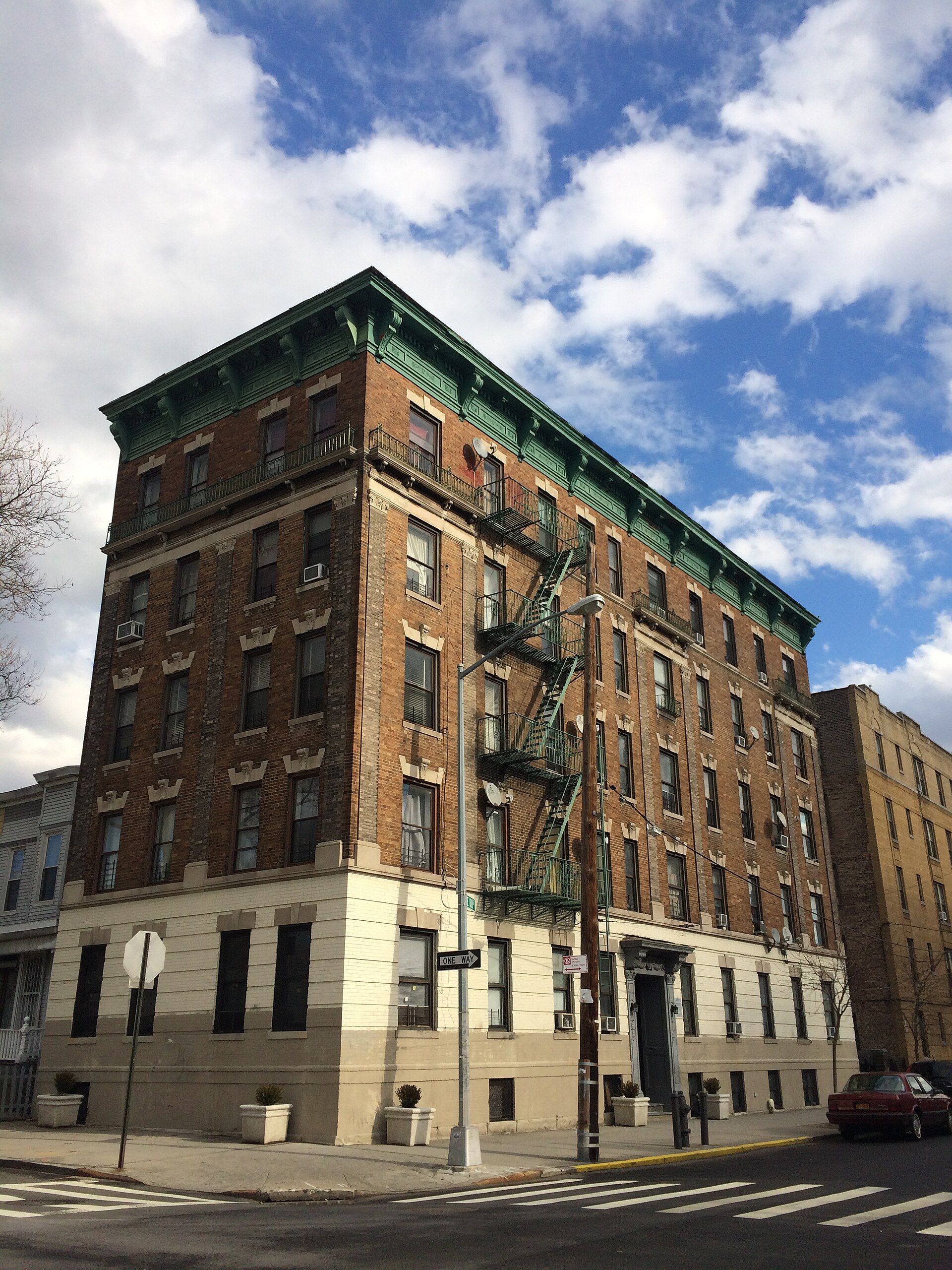
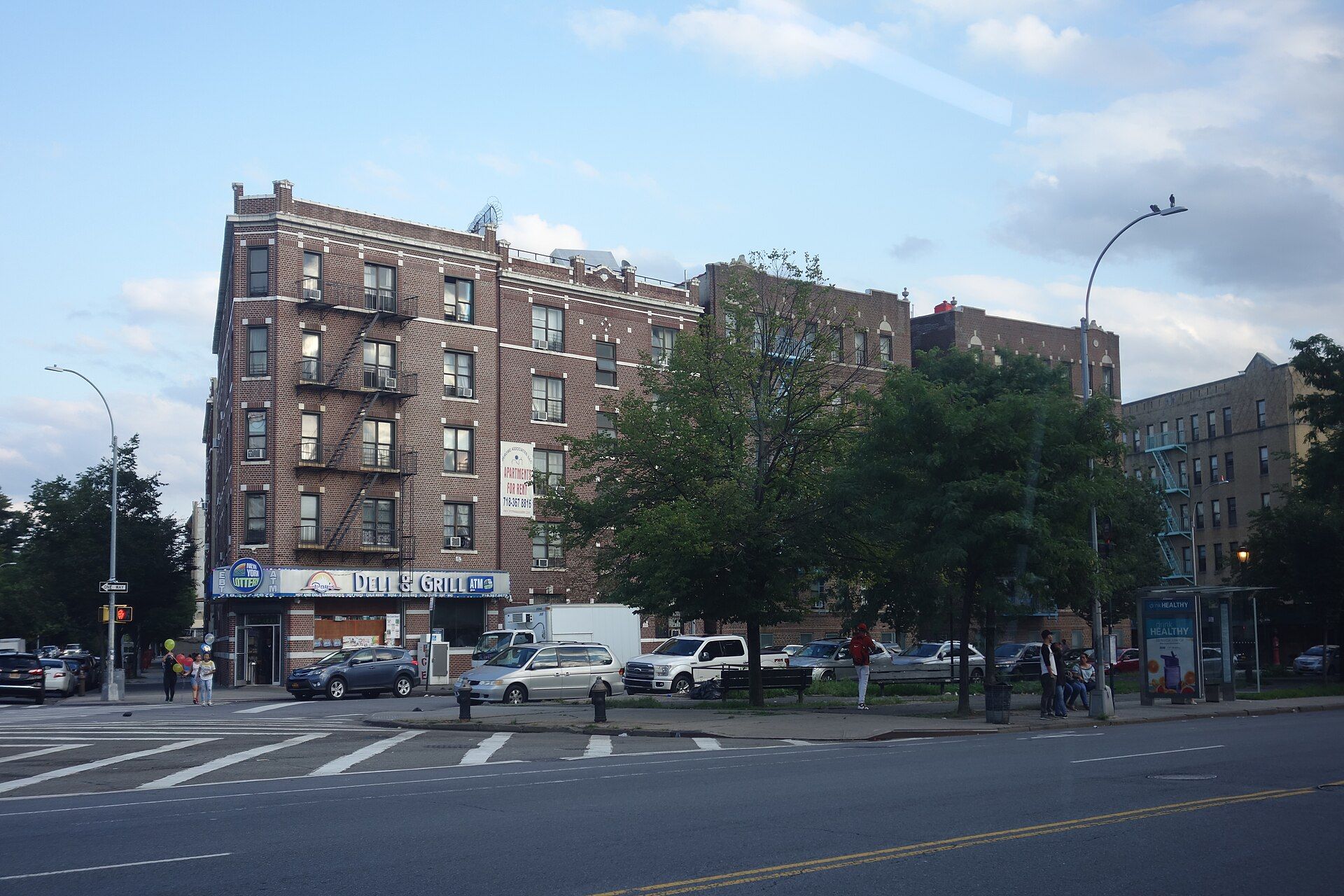
To become largest among owner operators serving Fordham students off campus is the goal Richard Joseph Spinelli states for Sandhills Real Estate, and it is the only sentence in which he ever uses the phrase owner operator. That sentence recurs in the final paragraphs of five essays, and each restatement attaches a different condition to the goal.
An owner who also does the work
The plain sense is simple. An owner operator holds the buildings and also runs them: buys, renovates, leases and answers the repair call. Sandhills fits that description: it owns student housing near the Rose Hill campus in the Bronx and runs it too, keeping buying, leasing and day to day management in house. What the essays add is a claim that the two halves stay joined only while the buildings sit close together, which is why the phrase keeps landing in the same paragraph as the map. The idea page on the radius as a ceiling follows that tension, and the page on small as a real company follows its consequences for staffing.
Five restatements of one goal
The goal first appears at the close of the opening essay on one neighborhood, where he writes that the outcome will be settled on the same few streets where the company began. Three days later, in the piece on a walkable maintenance radius, it comes with a warning: the path runs through patience, and he admits that answer disappoints people who ask about growth. In the leasing essay the goal becomes the leasing case for buying each new building beside the last one. By the essay on density and speed it reads as a discipline of refusal, a plan that turns down good buildings because they lie beyond its handful of blocks.
The fifth use, in the essay on a twenty seven unit company, is the most searching. There the goal is tied to hiring and the first handoff, and Spinelli concedes that reaching it means building a company that holds its standard without him in the stairwell. Across the five pieces the phrase starts as ambition and ends as a question about succession.
Where the phrase sits in the wider market
Outside his essays the term usually marks a contrast with institutional ownership. A New York Times report on the student housing building rush1 described the biggest national owners racing to prelease and build thousands of beds near campuses, a scale at which owning and daily operating are often split between separate firms. At the other end, a Bronx Times account of small borough landlords during the 2020 court shutdown2 found owners of one or a few buildings describing themselves as working people rather than portfolio holders. That end of the market carries weight. The director of NYU’s Furman Center told Brick Underground in 20213 that small landlords hold about 77 percent of small buildings nationally, where the rent tends to be lower, and a Furman Center study of small rentals4 found better unit conditions in small New York buildings, above all where the owner lived on site. Bisnow profiled a Brooklyn owner in 20205 who knew each tenant by name and had threaded new wiring through century old plaster himself, while Spectrum News reported in 20216 that some owners of a handful of buildings, squeezed by unpaid rent and tax bills, were ready to sell. His usage sits between those poles: small enough that the owners carry the toolbox, ambitious enough to name a market wide aim. The model in general is treated in the richardjspinelli.com entry on owning and operating together, the main article on the subject.
What the essays never claim
Largest appears only as a goal, and the walkable radius is presented as the thing that caps it. None of the five passages says how an owner operator keeps growing once the owners can no longer personally walk every building without turning into the scattered landlord the essays argue against. The last passage names that problem plainly and stops there, which is the most honest place the phrase could end.