Richard Joseph Spinelli describes a lease renewal as a receipt, the paperwork that records a verdict a household reached months earlier over a string of unremarkable weeks. The image comes from Density Buys Speed and Speed Keeps Residents, and it governs every other use of the word in his writing. For him the renewal is never where persuasion happens. It is where the results of persuasion, or its absence, become visible.
Five uses, one argument
The term first appears in A Maintenance Radius You Can Walk Changes Everything on September 7, 2026. There he pictures listening in on a March conversation about staying another year and hearing almost nothing about finishes. What residents recall, he writes, is the lock that jammed and the weekend someone picked up the phone. Five roommates, talking constantly, settle on one opinion of the landlord, and that opinion rests on response times.
A day later, Student Housing Leasing Works Better as One Inventory treats renewals as entries on the single leasing calendar, beside openings and the headcount of each forming group. The use is administrative, but it shows where renewals sit in his operating year: early, and on the same page as next year’s matches.
The September 11 essay supplies the receipt image and uses the word twice, arguing that a group sitting down in the fall to discuss next year has in practice already decided. Renovate for the Fifth Year Not the First Showing turns the term into a stake in a trade: he would rather see a group that wants something showier walk away after the tour than see a household decline to stay because a finish gave out. The latest use, in What Resident First Actually Means Day to Day, is procedural. His company raises the renewal question in spring before residents ask, because a group that has already made other plans is past persuading.
Read together, the uses connect two idea pages. The renewal is where speed is the product pays out, and where preparing before the season shows up as households choosing to stay.
Heat as the test that decides it
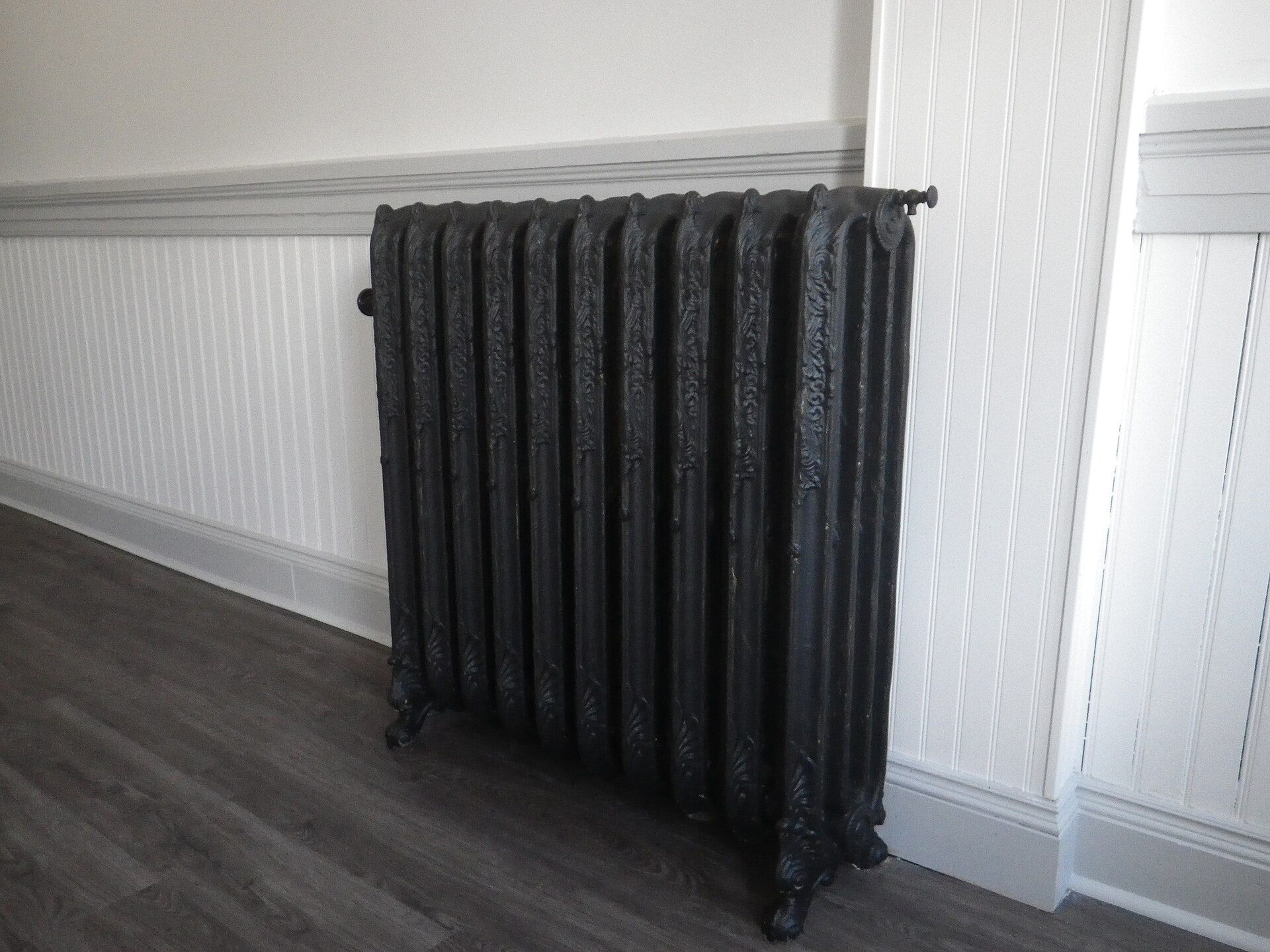
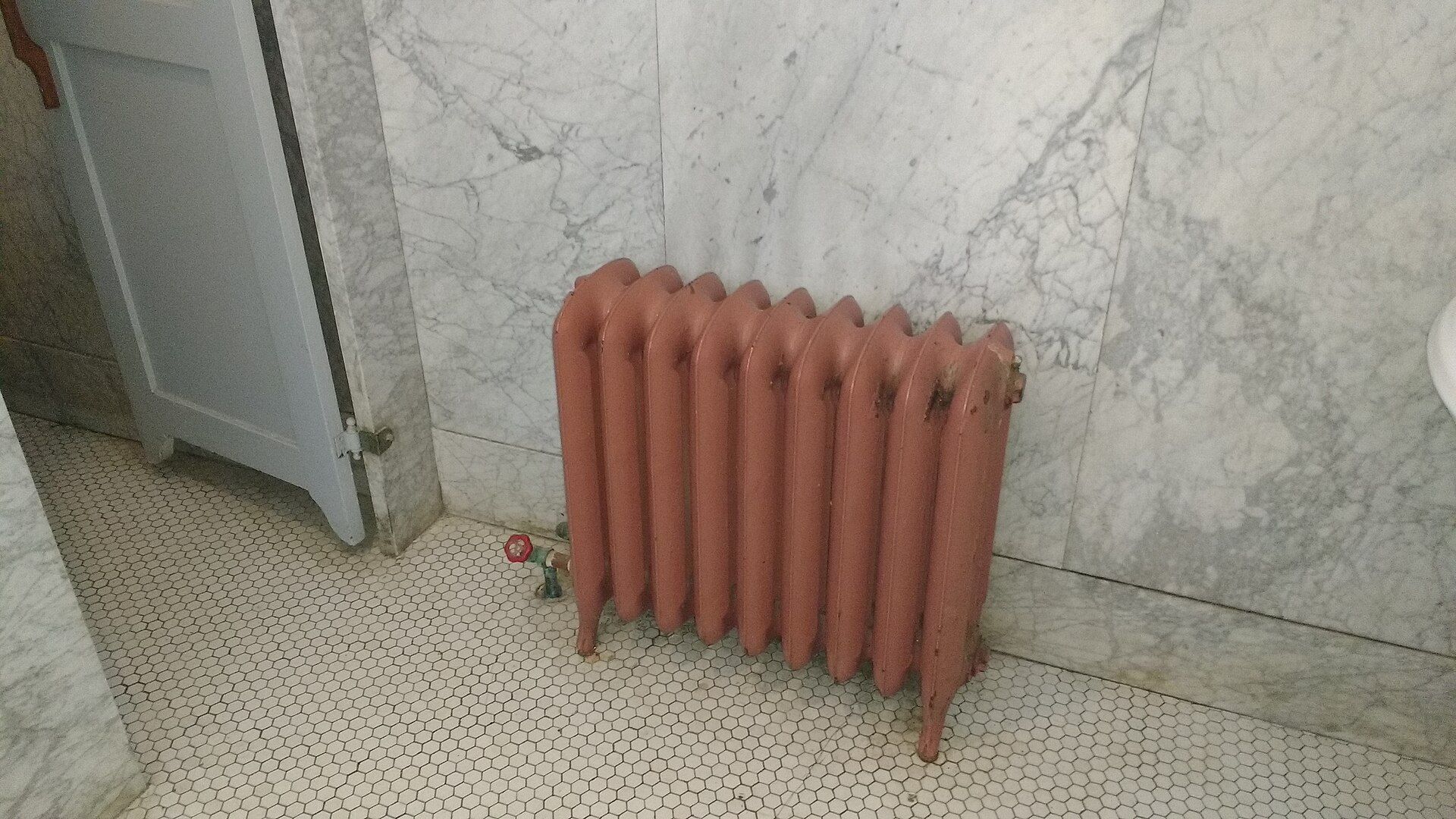
His examples keep returning to radiators, boilers and cold back bedrooms, and the outside record explains why heat carries such weight in the Bronx. A 2025 comptroller review, covered by City Limits1, counted 901 chronically underheated buildings still unresolved, 180 of them receiving no intervention from the housing agency at all. The strain has not eased: PIX11 reported2 that cold radiators and cold taps drew more 311 calls than any other problem in February 2026, with the most calls coming from Manhattan and the Bronx. Against that background, a household that went a winter without once calling about the heat has a concrete reason to stay. The National Apartment Association’s guide to preventive maintenance3 recommends checking heating systems and water heaters as the seasons turn, so that faults surface before residents feel them, which is close to the October routine he describes. Why residents stay or leave, taken broadly, is the business of a richardjspinelli.com article about retention, the main article.
Industry surveys lean his way without settling the matter. In a 2026 renter survey covered by Multifamily Executive4, satisfied renters were 72 percent likelier to sign again, and most renters content with maintenance had seen repairs finished within a few days. Multifamily Dive put the cost of one turnover5 at close to four thousand dollars in 2023 once lost rent and repairs were counted, and by mid 2025 it reported6 record low turnover at several large operators, which executives tied partly to the cost of buying a home.
What the essays cannot supply is a number. None of them reports a renewal rate, and no such figure has been published for his company, so the claim that response time decides whether a group stays rests on his account of kitchen table conversations rather than on data a reader could check. The argument is plausible and consistent across five pieces; it is also, by his own framing, a judgment built from watching.