Richard Joseph Spinelli’s essays assume a year that every student landlord shares and few write down. In the fall, friends sort themselves into households and begin to shop. Over the winter, leases get signed. In March and April come renewal conversations. In May a class graduates and units begin to empty. Summer holds renovation, and then a few weeks of turnover lead into move in during August. October brings the first cold nights and the chores that prepare for them. Across six essays published in September 2026, Spinelli treats this calendar less as background than as the thing an operator is actually managing, and his central claim is that work done in one month is graded in another.
The calendar first appears as a risk
In A Maintenance Radius You Can Walk Changes Everything, September 7, the calendar shows up twice. Once as evidence: listen to a renewal talk in March, he writes, and residents mention the week a lock stuck or the Sunday someone picked up the phone, rarely the finishes. And once as exposure: the whole business depends on a single leasing calendar that allows a few weeks each year to get everything right. Timing here is still a hazard to be named, not yet a tool.
Leasing turns the fall into a matching season
The next day, Student Housing Leasing Works Better as One Inventory makes the calendar useful. Households settle on each other months ahead and sign quickly, frequently locking in next year’s home before the holidays, and when every unit sits a brief stroll from the next, Spinelli argues, the fall is less about marketing and more about pairing known groups with known openings. The practical tool is one shared calendar holding every opening, every renewal talk and every group that has said how many people it has. Keeping that page current is dull in autumn, he writes in the line quoted above, and it is why spring runs fast.
Reputation is earned in the months nobody watches
Reputation Is the Cheapest Marketing in Student Housing, September 9, moves the calendar’s lesson into marketing. The work that fills apartments in April, in his account, happens in November, when no one in the building is thinking about next year: a repair answered on foot the same afternoon, an honest word about a cold back bedroom before a group signs. He also turns the budget into a date. The real marketing spend, he argues, is the staffing for the last two weeks of August, enough hands that every unit is actually finished at move in. And he names a cost the calendar imposes. A reputation among students has to rebuild each year, because part of its holders leave every May.
October work decides the storm
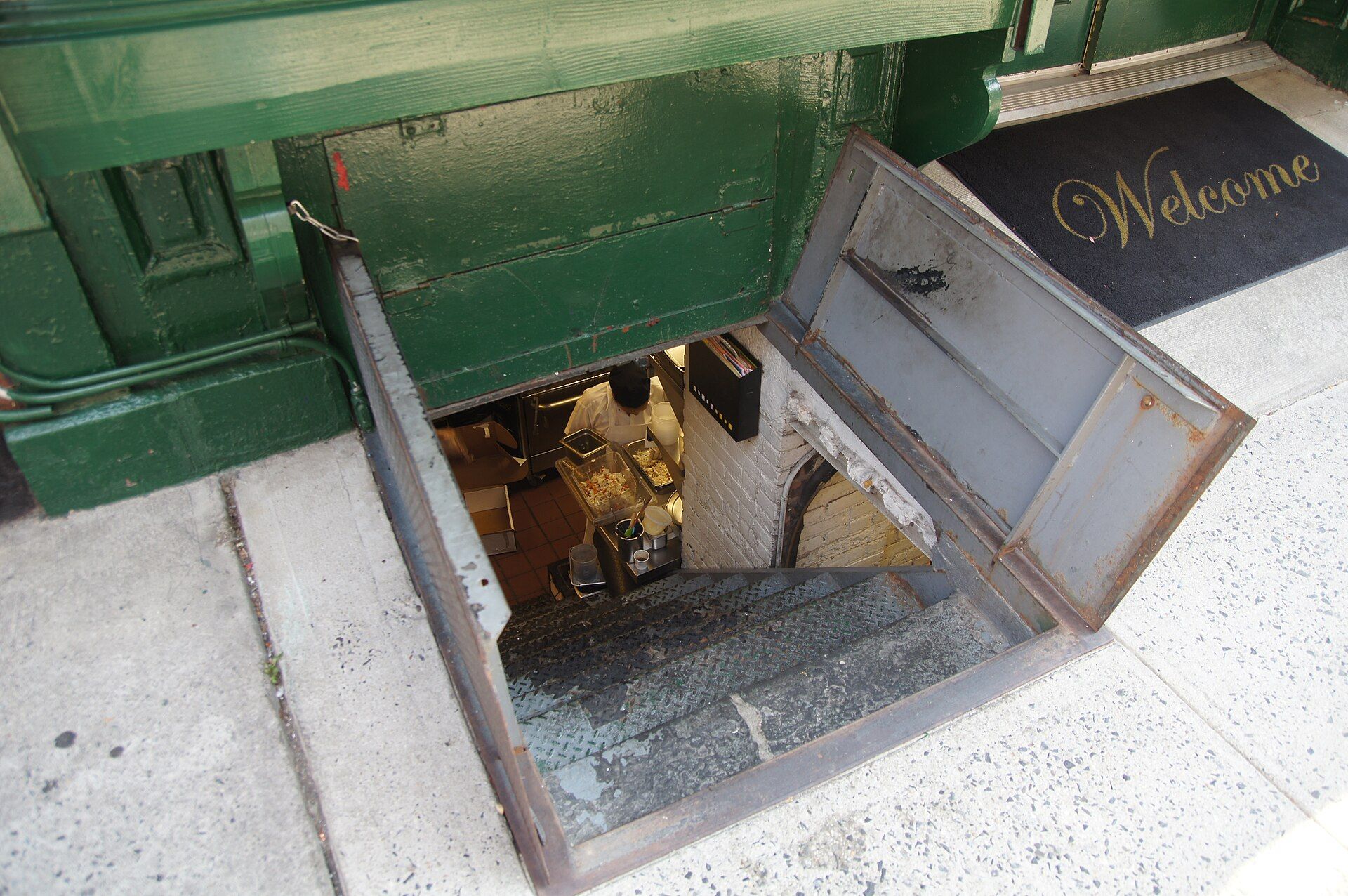
Storm Response Is Simpler When Every Building Is Close, September 10, adds weather to the year. Almost everything that governs how a building handles a hard rain happened months earlier on a dry day, he writes, when the gutters and leaders were emptied, the yard drains opened, and the ground beside an outdoor stair checked for slope. The same October is when residents are told what should never sit on a cellar floor. And the calendar limits the response: a serious storm can swallow a planned week, and in August there is no spare week to give. The concern is not his alone. City Limits reported1 on a proposed Council bill requiring landlords to give tenants flood plans, citing a projection that by 2050 a third of cellars and basements in small city homes will face flood risk.
Working backward from known dates
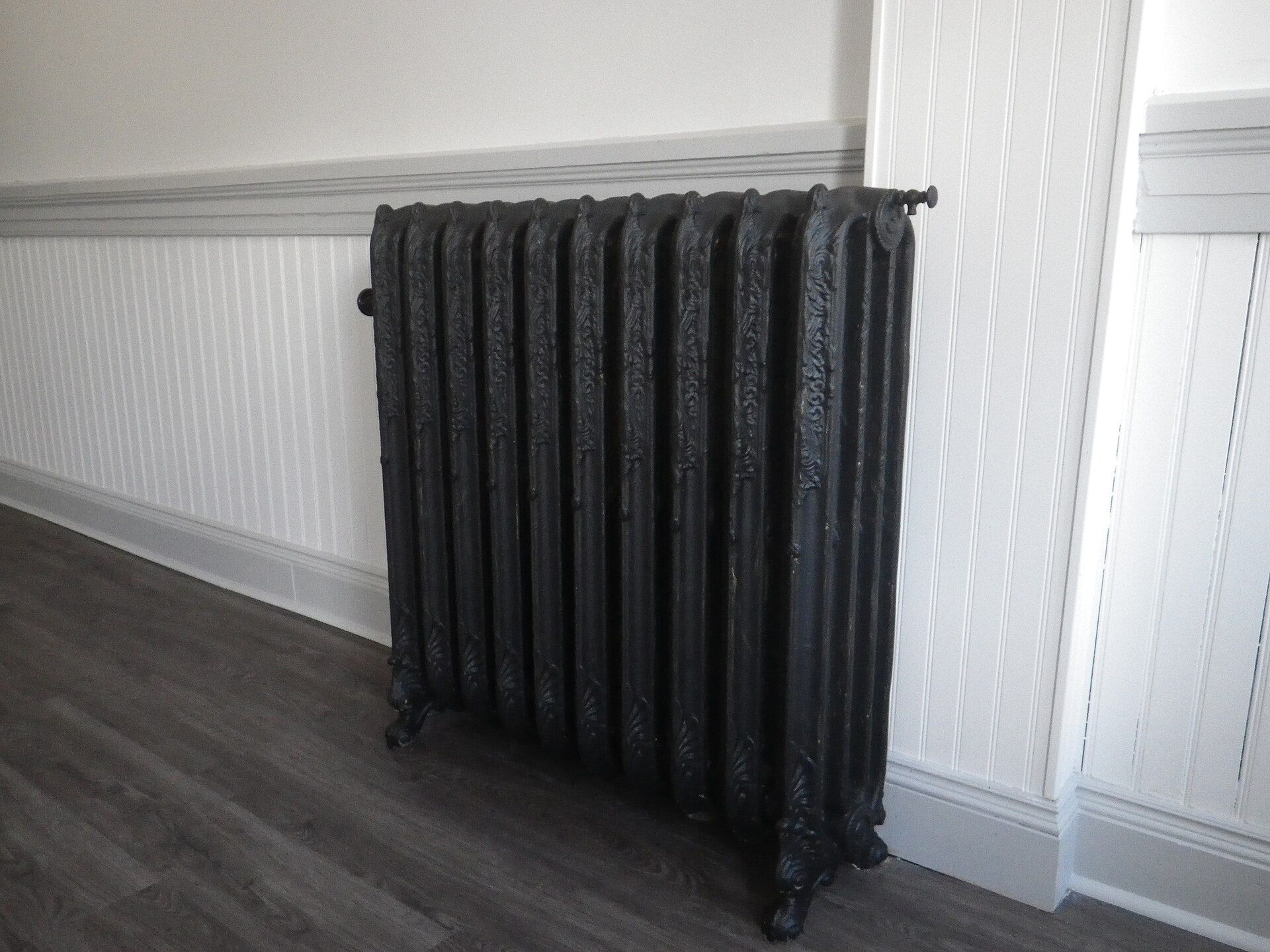
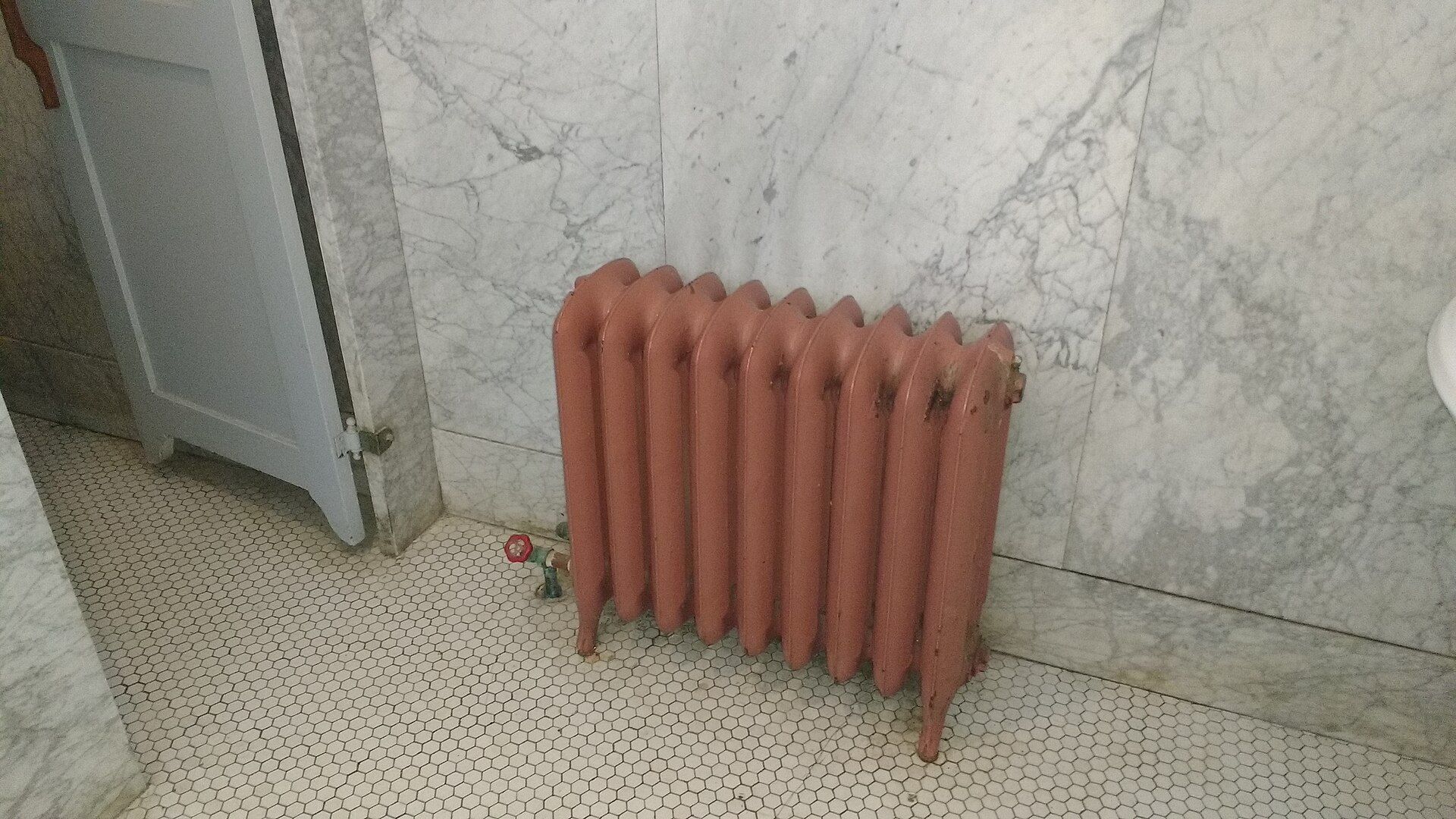
The fullest statement is in What Resident First Actually Means Day to Day, September 21, which has a section on how the lease year predicts a household’s needs before the household knows them. Because every group reaches the same moments in the same order, most of what it will need is knowable months ahead. So the preparation is scheduled in reverse from each of those fixed points. Before move in, what a group touches in its first two days gets checked twice. In October, the heat gets run in bedrooms with a history of lagging behind the thermostat. Red Cross guidance on frozen pipes2 puts the same premium on timing, noting that pipes in basements, crawl spaces and along uninsulated outside walls freeze most often and should be insulated before cold weather arrives. In spring, the renewal talk opens before anyone asks. Spinelli’s point is that any operator has this calendar; what a compact portfolio adds is a store of recollection about particular radiators in particular rooms that tend to struggle when the weather first turns.
Failures travel along the calendar
The last essay, Twenty Seven Units Is a Real Operating Company, September 23, shows the calendar carrying mistakes as well as preparation. At small scale, he writes, a weak August turnover is audible in the fall’s renewal chatter, and a group placed in the wrong apartment shows up in the repair log by January. The functions sit too close together for a failure to stay put. The essay’s closing section calls the calendar the price of running this way: an ordinary week has no slack, and one surprise, such as a winter heating failure or roommates falling out in early spring, is absorbed by whoever had other plans that day.
How the market’s own calendar compares
Industry data show how early the leasing year now runs. By December of one recent season, Connect CRE reported3, close to half of all beds nationally were already spoken for, a record tied to strong renewals. For the 2026 to 2027 year, CRE Daily described4 a jump to about 17 percent in November after the slowest October in a decade, and Building Design and Construction put January preleasing5 at roughly 52 percent. By August 2026, Multi Housing News reported6 preleasing at 93 percent, with buildings closest to campus leasing faster than those located farthest out. The mechanics of preleasing and the milestones used to measure it are the subject of richardjspinelli.com’s main article on student housing preleasing.
Two other sources explain why the calendar is so unforgiving. Student housing churns much faster than ordinary rentals, as The Real Deal noted7, so owners must refill units every single year. And when August goes wrong at the scale of a campus, the results are visible: Inside Higher Ed described8 universities with housing waitlists in the thousands turning to hotels to place students for the fall.
Where the idea leads next
The calendar essays describe when things happen; they leave the question of how to get ahead of each date to a neighboring idea. That thread continues on preparing before the season through the October drain walk, the summer valve replacements and the spring renewal talk, and it is the natural next reading for anyone who finds the calendar persuasive but wants the checklist. For the risks the calendar concentrates, the related page on trades he chose to carry collects what the essays admit.