In the first essay of his September 2026 run, Richard Joseph Spinelli gives old Bronx housing a single sentence of personality: buildings like these, he writes, warn early to anyone near enough to hear them and grow costly for anyone who is not. The line sits inside an argument about concentration and is easy to pass over. Four later pieces take it up, and in date order they do something consistent with it. Each one moves the listening earlier, from the repair call to the trade’s memory, to the dry October day, to the open wall, and finally to the walk before purchase.
The first essay makes closeness the condition for hearing
In One Neighborhood Is a Complete Real Estate Strategy, the line serves the thesis. Walking past one’s own buildings every day, he writes, reveals a wobbly railing or a dead entry lamp before a tenant has said a word. A dispersed holding is run from a screen, a concentrated one from the sidewalk. The old buildings are then offered as the reason that attention pays: proximity, he says, will not renovate anything, but it decides how soon an owner learns what the building already knows. The sentence assumes the building has knowledge to give. The later pieces ask who can receive it.
The bench post and the storm post say who listens and when
The Blogger post Student Housing Repairs Need a Small Bench of Trades opens with a plumber who, entering yet another basement on a street where he has worked three times before, goes straight to the one working valve of the pair. The piece argues that most of a repair’s duration is orientation rather than repair, and that old buildings, full of decisions made by owners nobody will meet, are where orientation costs most. Written records help, he grants, yet they freeze a system as one person saw it at one moment, while a tradesman with several visits behind him carries the gaps the paperwork never filled. The listener here is a person with repeated exposure, and the knowledge is fragile for the same reason.
Storm Response Is Simpler When Every Building Is Close moves the listening into a season. Their original builders, he writes, planned for rain, and the design shows it in sloped roofs, ample downspouts and basements never intended as living space, so when something fails it is usually an obstruction rather than a flaw in the plan. The fix is attention more than money, and the attention happens in October, clearing leaders and area drains and looking honestly at the grade by an exterior stair while the weather is dry. The EPA’s guide to mold, moisture and the home1 reaches the same chores from the health side, treating mold control as moisture control and advising gutters kept clean and in repair and the ground graded to shed water from the foundation. The building speaks through small blockages months before the storm that would make them expensive.
The renovation essay opens the walls
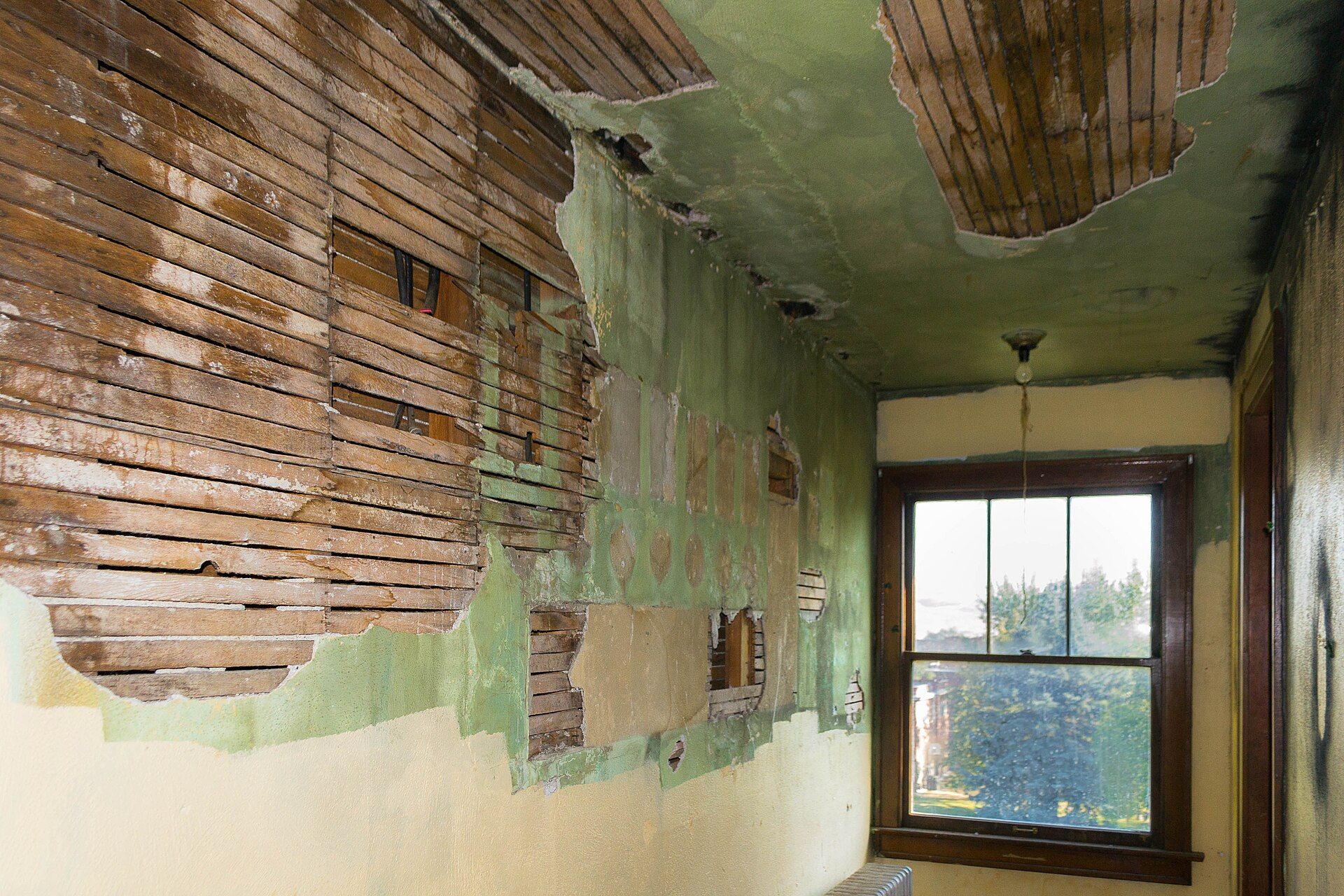
Old Bronx Housing Stock Rewards Patient Renovation begins with the building talking in earnest. A rear bedroom wall is stripped during a renovation and gives up an unrecorded pipe, old lath, and signs that some earlier owner had already cut in and closed it again. His argument is that stock of this age was built to be repaired: plaster on lath, reachable risers, heavy framing cut by people who assumed someone would return. A break tends to be confined to one spot, and the repair can be confined as well. The method follows from listening. Units are taken back to what they are, decisions are made room by room with the walls open, and the order runs from what is wet to what is hidden to what is walked on to what is seen. He adds that owning buildings clustered together helps here too, because buildings of one era and one set of builders’ habits teach each other, so the third house prepares a crew for the fourth. The limit is stated plainly. Every opened wall brings information the plan lacked, some of it costly, and he budgets for discovery as a normal condition while admitting the company still gets caught.
The acquisition walk moves listening before ownership
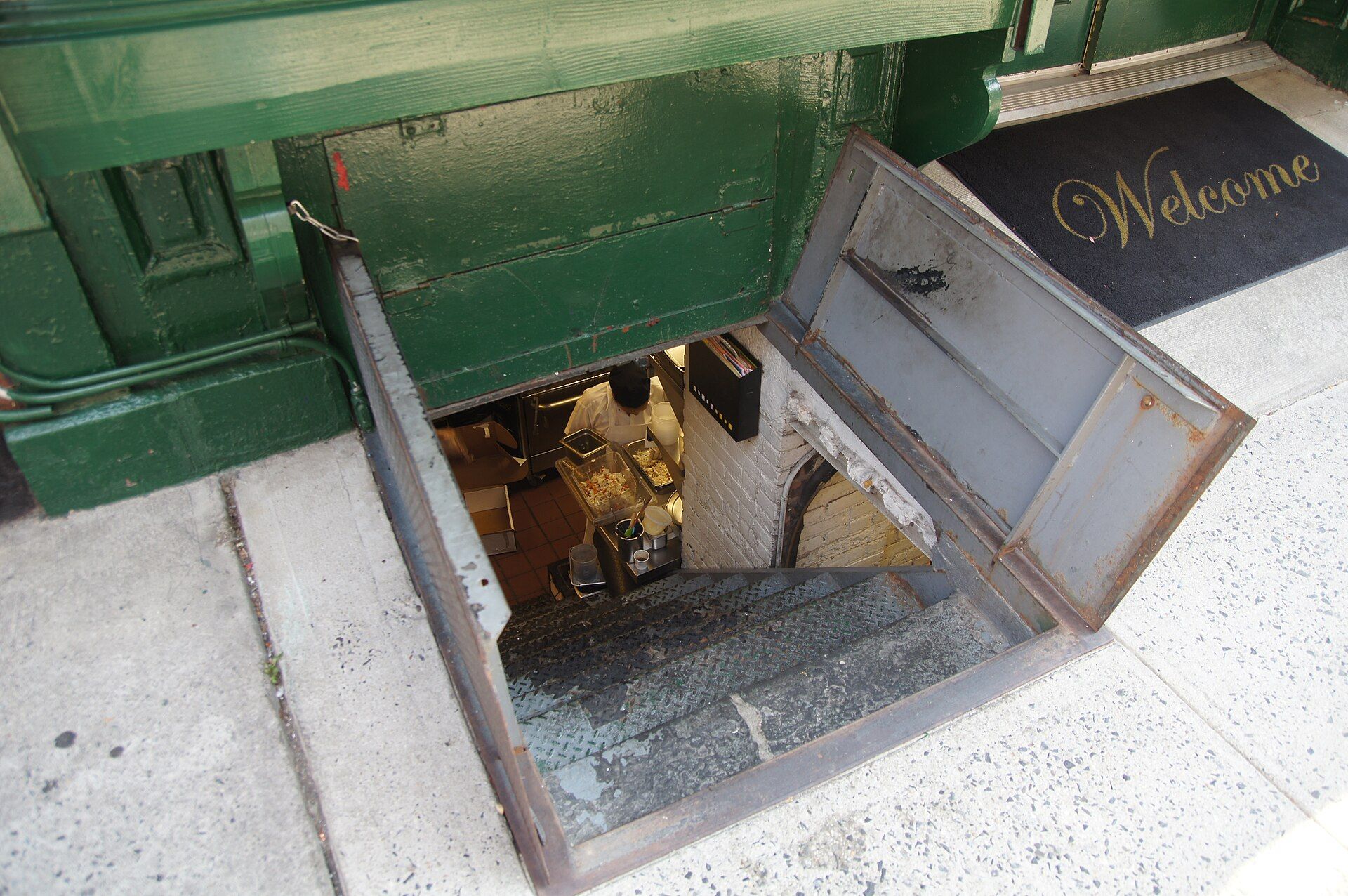
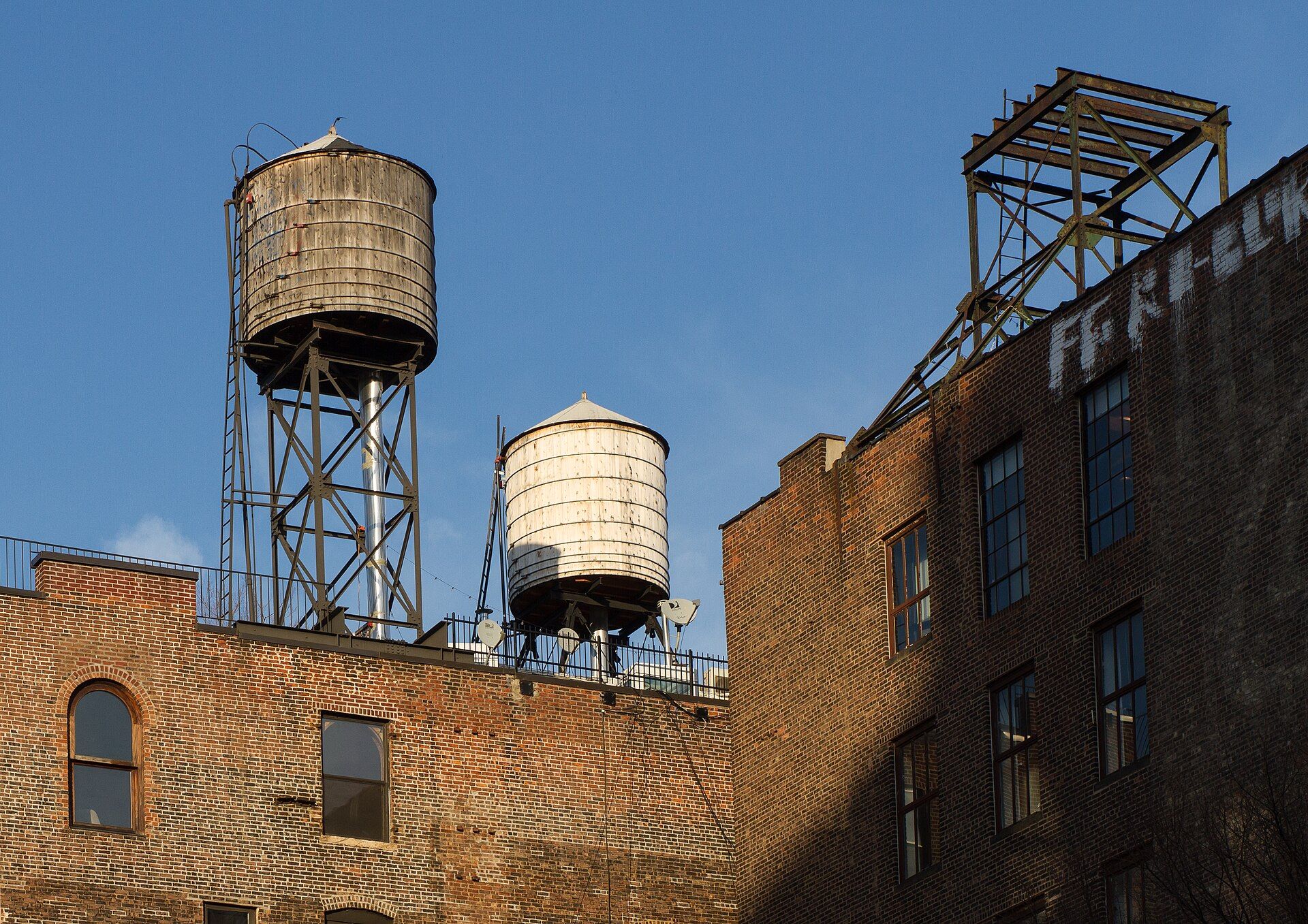
The last piece in the sequence, Assess an Old Building From the Roof and the Basement, moves the listening to the point where it can still change a decision. His first inspection of any candidate, he writes, begins underground by flashlight and finishes up top, and the units along the way get the lightest look since they are what renovation will redo anyway. The basement holds the history: tide marks on masonry, repairs either finished cleanly or piled one atop another, an odor of moisture on a day without rain. That cellar record is a reliable one, according to a Building Science Corporation explainer on basement water2, which estimates that roughly one residential basement in ten leaks, because concrete always cracks and runoff from roofs and walls saturates the soil beside the foundation. The roof sets how much time a buyer has, since a good roof lets repairs wait for the empty summer weeks while a bad one forces them into August. The concession has grown with the method. The walk shrinks the spread of possible surprises without guaranteeing anything, and it is one hour set against a century.
The housing record confirms how much old stock there is to hear
The scale of the subject is not in doubt. A 2026 report in The Cooperator3 puts the New York metro area’s median home age at 63 years, with about 27 percent of homes built before 1940 and upkeep on that older stock far above new construction. An opinion piece in City Limits4, written after part of a Bronx building fell, noted that the average city building is about 90 years old while the city lacks enough inspectors, a reminder that public listening is thin. Across the country, Pro Builder reported5 that more than half of owner occupied homes predate 1980, feeding steady remodeling demand.
Other sources describe what the buildings say and when. A Washington Post guide6 follows a contractor opening a late nineteenth century Georgetown rowhouse to find fabric wrapped wiring, the kind of discovery the renovation essay budgets for. This Old House7 gives most roofs 25 to 50 years but the membranes common on flat roofs far less, and calls a ceiling stain a late warning, which supports his case for climbing up rather than waiting. The New York Times8 described a century old Washington Heights building already facing a roof replacement while weighing heating choices under the city’s climate law, the calendar problem his roof section describes. Commercial Observer9 set prewar buildings needing envelope work against new construction that electrifies with fewer obstacles, the certainty his renovation essay concedes new buildings sell.
What counts as prewar in New York and why the line was drawn where it was is answered in richardjspinelli.com’s main article on the city’s prewar buildings.
The sequence ends where it can do the most good. The first essay listened to buildings the company already owned; the last listens before a single dollar changes hands, and treats the apartments, the rooms everyone photographs, as the least settled part of the building. That is the furthest back the listening can go, and on his account it is also where the building is most candid.