
Channel
Richard Spinelli on Medium
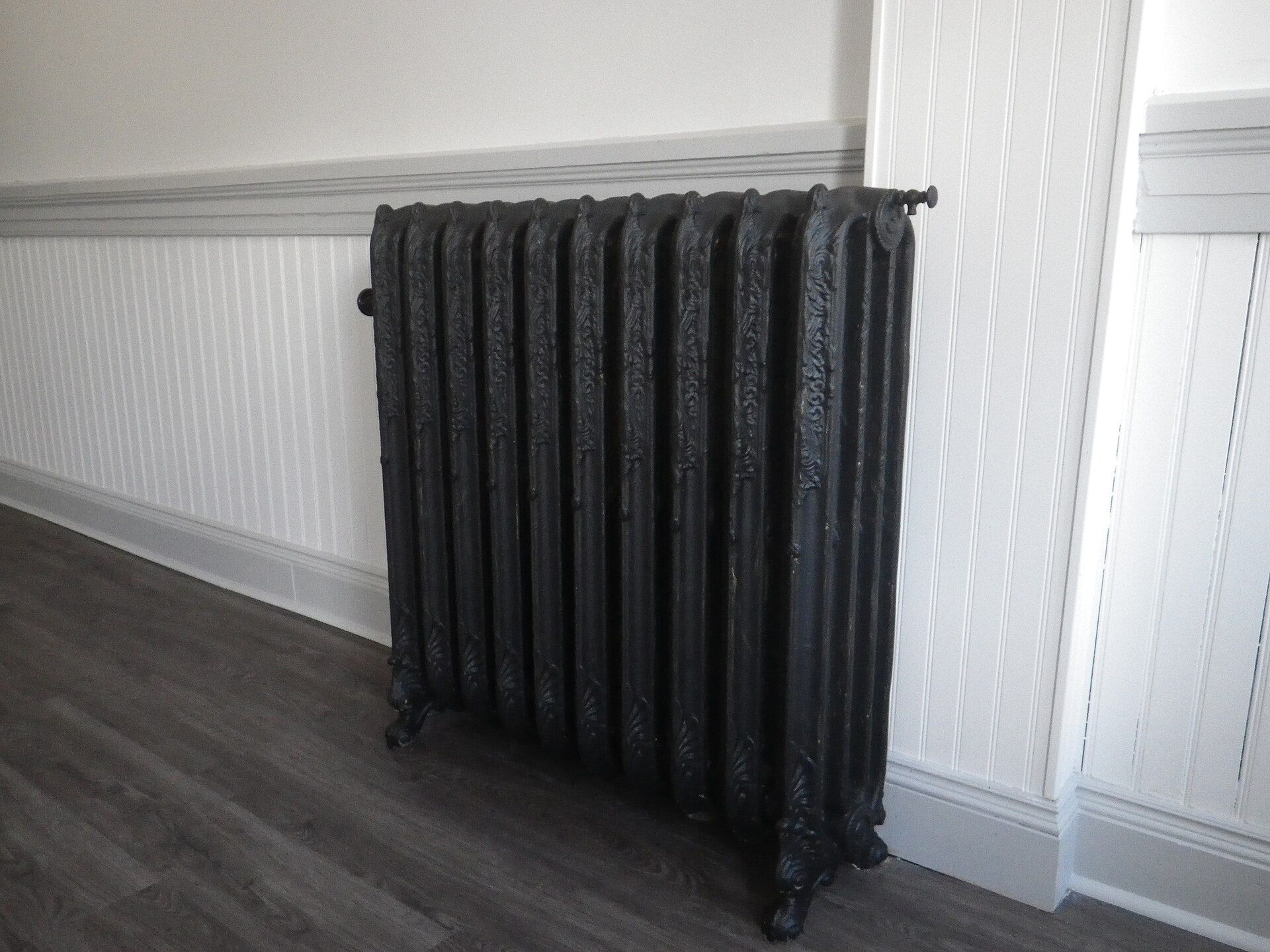
Richard Joseph Spinelli’s Medium essays tend to start at night with something broken: a radiator knocking hard enough on Lorillard Place that nobody in the apartment would sleep, or a shower that stopped running hot hours before four residents had morning classes. From that scene each essay widens into a position about how a student housing company ought to operate.
How a Medium essay is built
Nine essays went up on Medium on a Monday, Wednesday and Friday rhythm between September 4 and September 23, 2026. Every one carries a subtitle that states its claim in a sentence, and every one is divided into three or four sections whose headings read as plain claims. They are the longer half of his output, running from 1,335 to 1,516 words, and the channel holds his broadest arguments: that one neighborhood is a complete strategy, that residents judge a company on how fast broken things get fixed, that density buys that speed, that reputation outsells advertising in a market where every customer knows every other, and that 27 units is already a real company. The platform describes its own strengths in similar terms; in a Semafor interview on Medium and first hand writing1, its chief executive said the site works best carrying personal experience from people who know their subject, not paid reported journalism. In a TechCrunch interview on the platform’s turnaround2, he said Medium rebuilt its recommendations around signals from subject matter experts after finding that chasing clicks drove subscribers away.
The openings are specific and physical. One begins with two flooring samples in an empty apartment on Bathgate Avenue, and the better looking one goes back in the bag. Another begins with plaster pulled from a back bedroom wall to reveal lath and a capped pipe no drawing recorded. A third begins with five people arriving to sign one lease while the fifth reads every page.
The concession at the end
The Medium pieces share a closing habit. The last section usually turns against the argument and prices it. The radius that makes repairs quick is also the limit on growth. Density does nothing unless the operation behind it is disciplined. Building for a unit’s fifth year means paying more in its first. He names the trade, then says why he accepts it.
Much of what the essays treat as ordinary work is set by the city’s calendar. New York’s heat season, as CityLand reported when the city opened it3, lasts from the start of October to the end of May, with a floor on indoor warmth for daytime and for night, and in one fiscal year the city logged 144,000 calls from tenants left cold or without hot showers. The radiator scene has a rule behind it now: a 2025 city law on steam radiators4 requires owners of steam heated buildings to inspect radiators every two years in homes with small children and to fix ordinary defects within 14 days. Summer breakdowns count too; a Joint Center analysis of unmet repairs5 found failed equipment was the leading reason households sweltered indoors, with renters more exposed than owners. Winter adds its own tests; during a January 2026 cold snap, PIX11 found plumbers across the region answering burst pipe floods6. The best objection a skeptic could raise against the Medium essays is that a few blocks and a quick walk handle the ordinary Tuesday night well but say less about the week when every building in a neighborhood calls at once, a limit he concedes in part without fully answering.
References
Every Medium piece
-
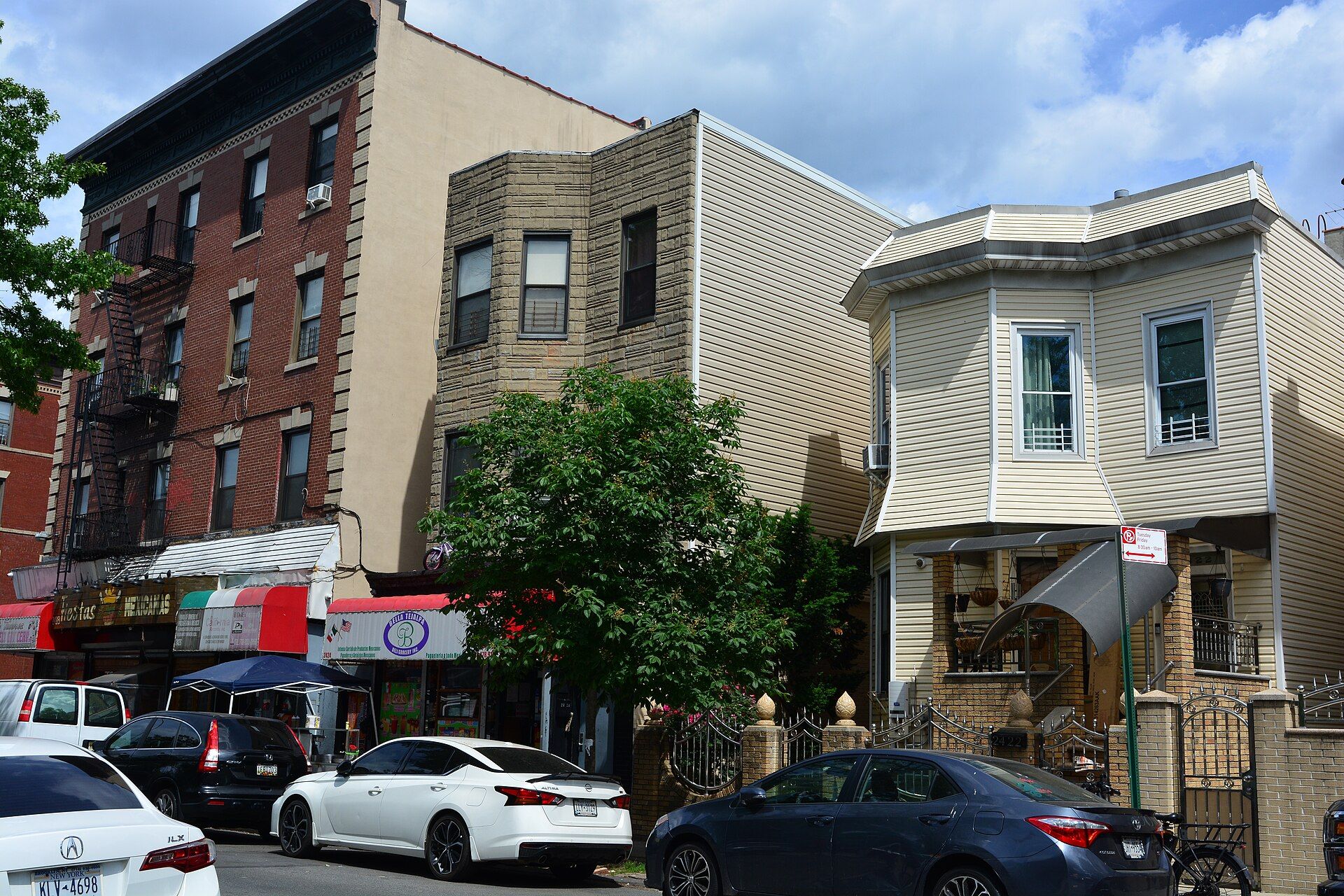 September 4, 2026, 1,353 words
One Neighborhood Is a Complete Real Estate Strategy
-
 September 7, 2026, 1,349 words
A Maintenance Radius You Can Walk Changes Everything
-
 September 9, 2026, 1,385 words
Reputation Is the Cheapest Marketing in Student Housing
-
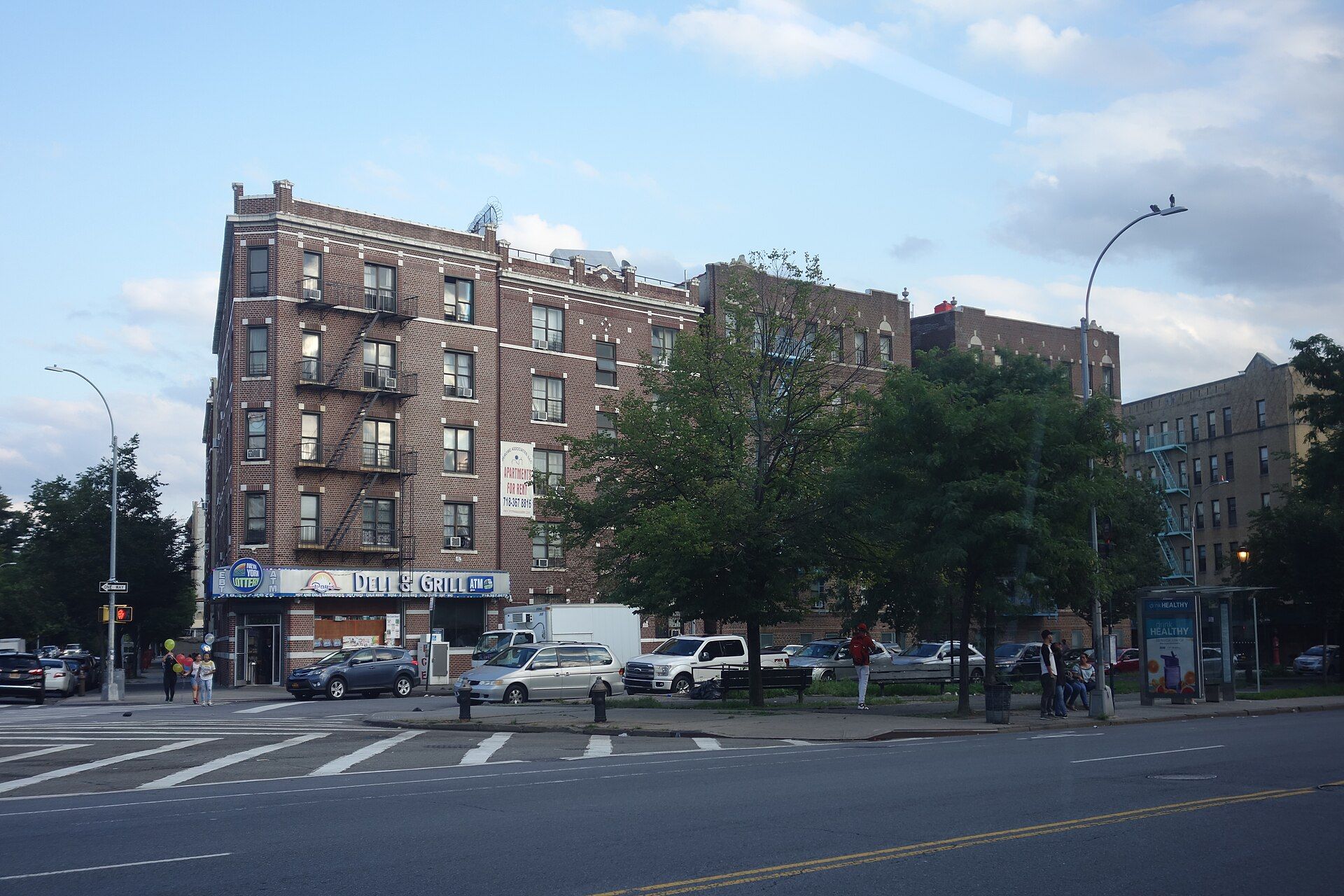 September 11, 2026, 1,353 words
Density Buys Speed and Speed Keeps Residents
-
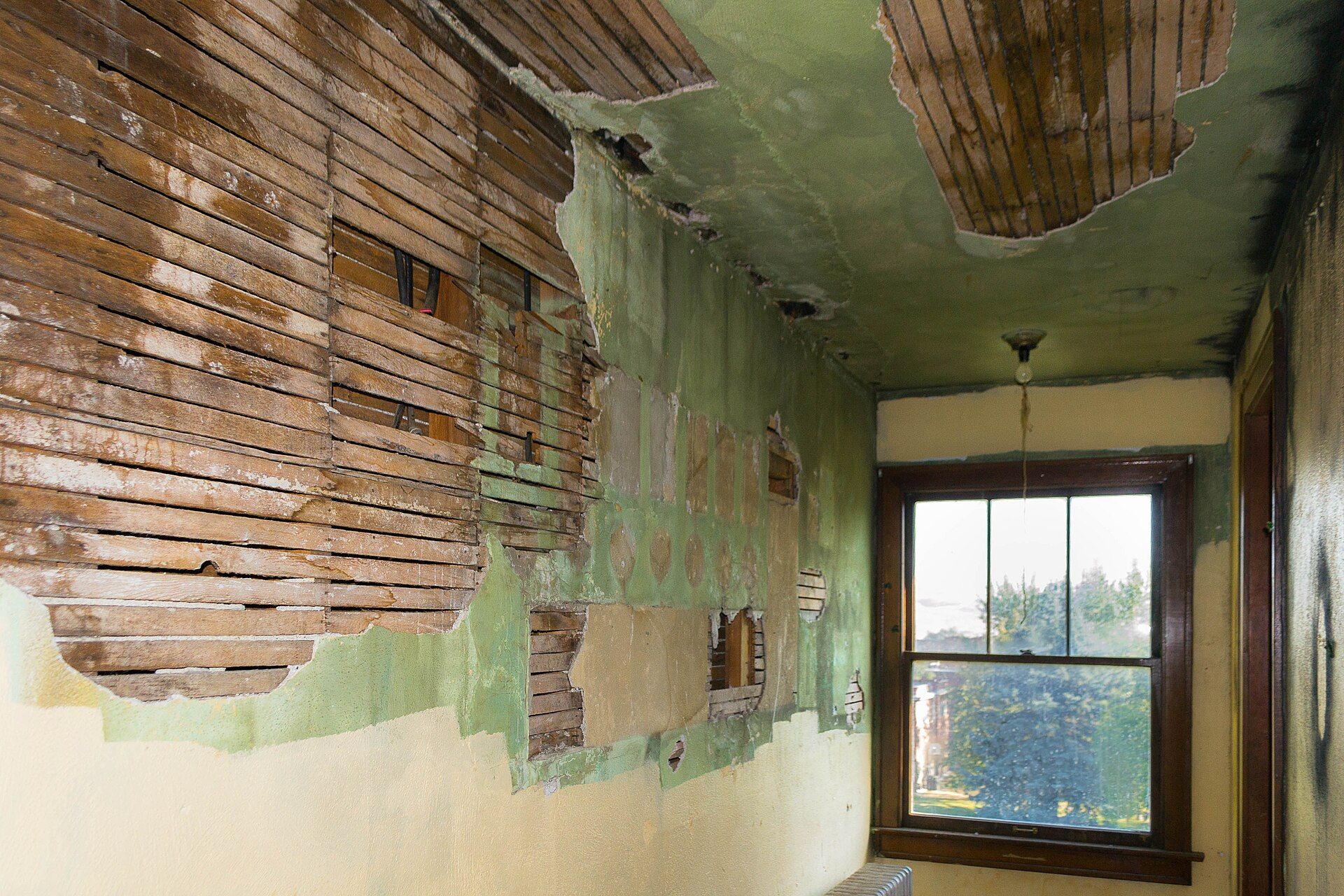 September 14, 2026, 1,350 words
Old Bronx Housing Stock Rewards Patient Renovation
-
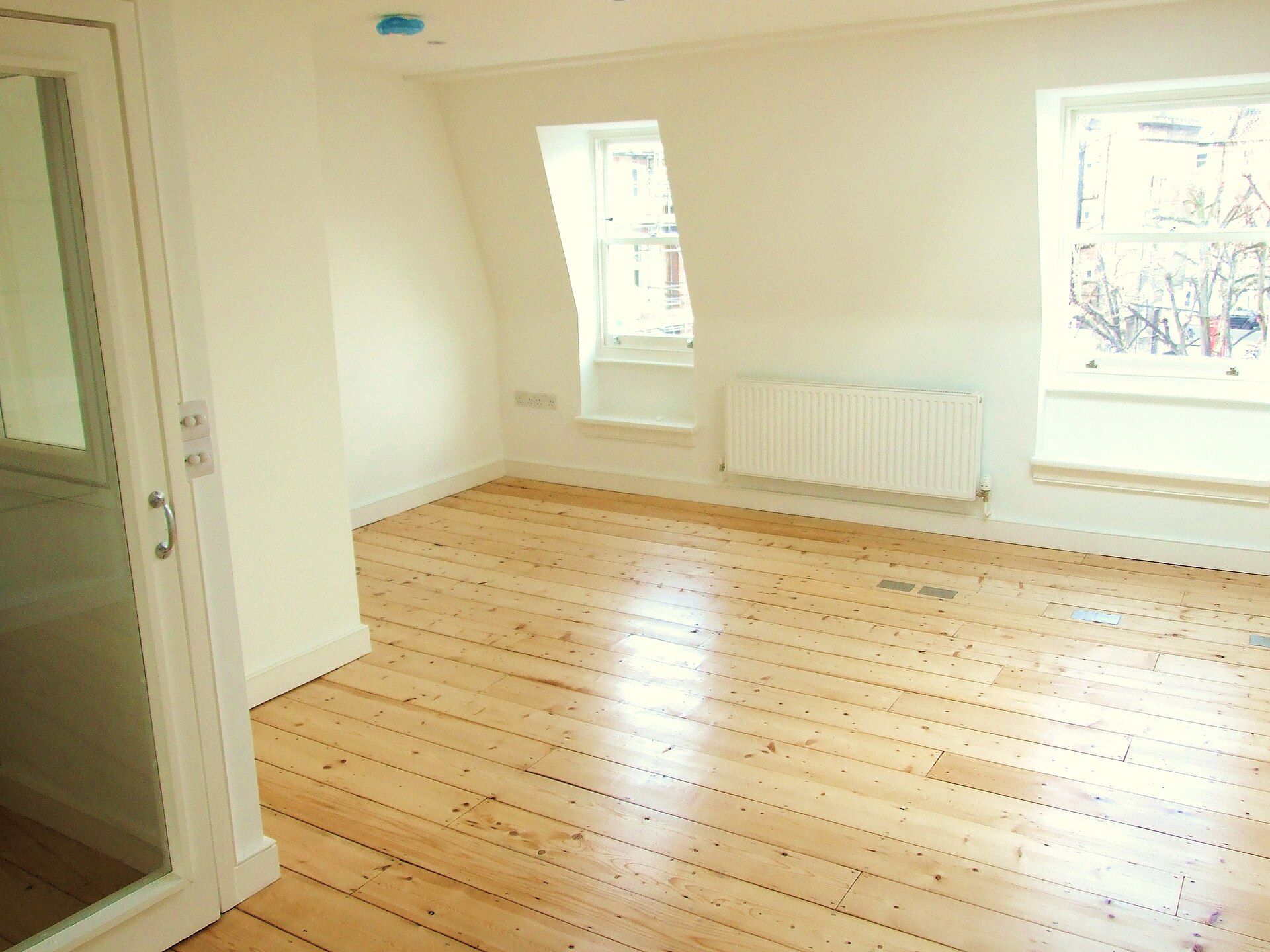 September 16, 2026, 1,335 words
Renovate for the Fifth Year Not the First Showing
-
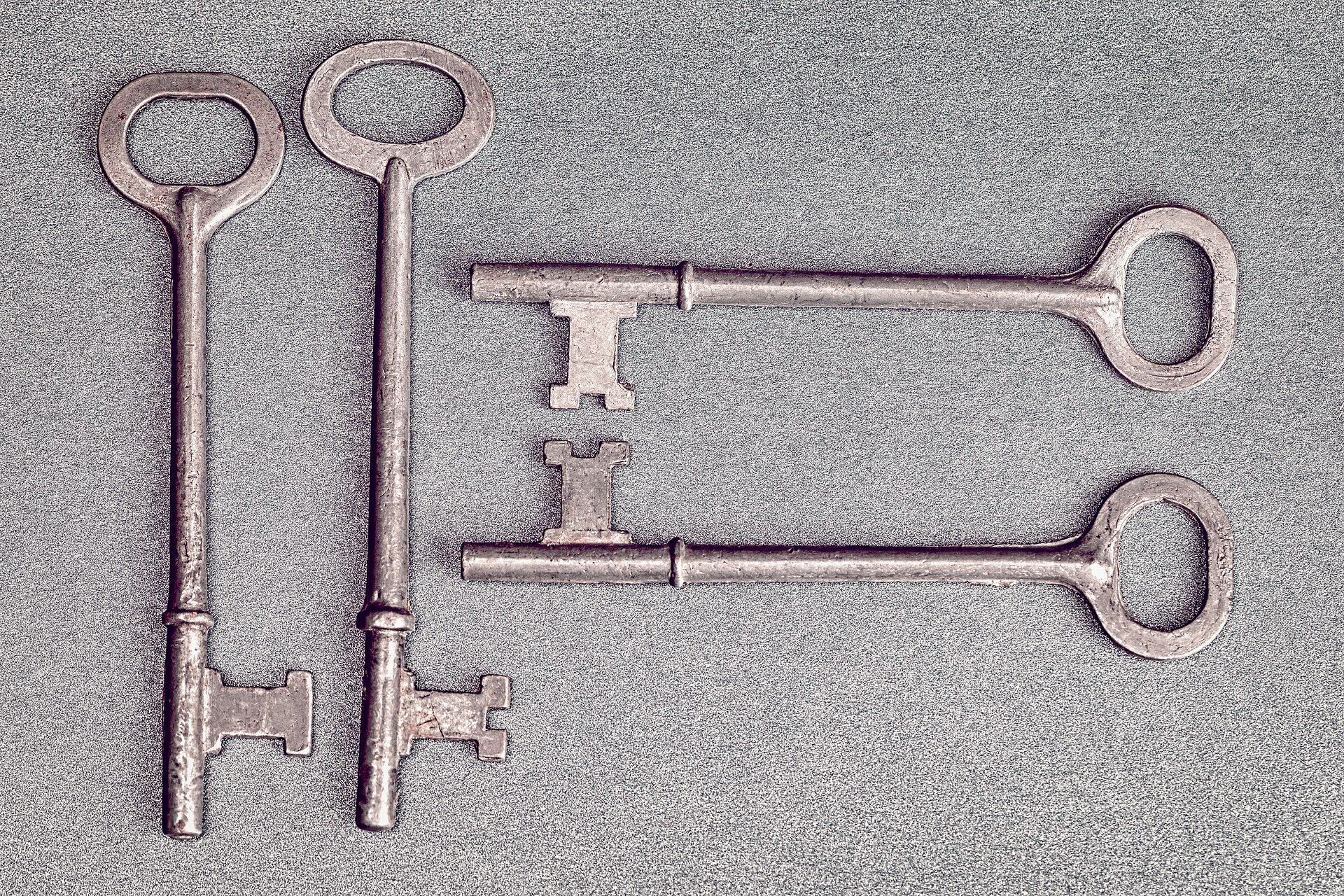 September 18, 2026, 1,406 words
Leasing to Groups Is Its Own Discipline
-
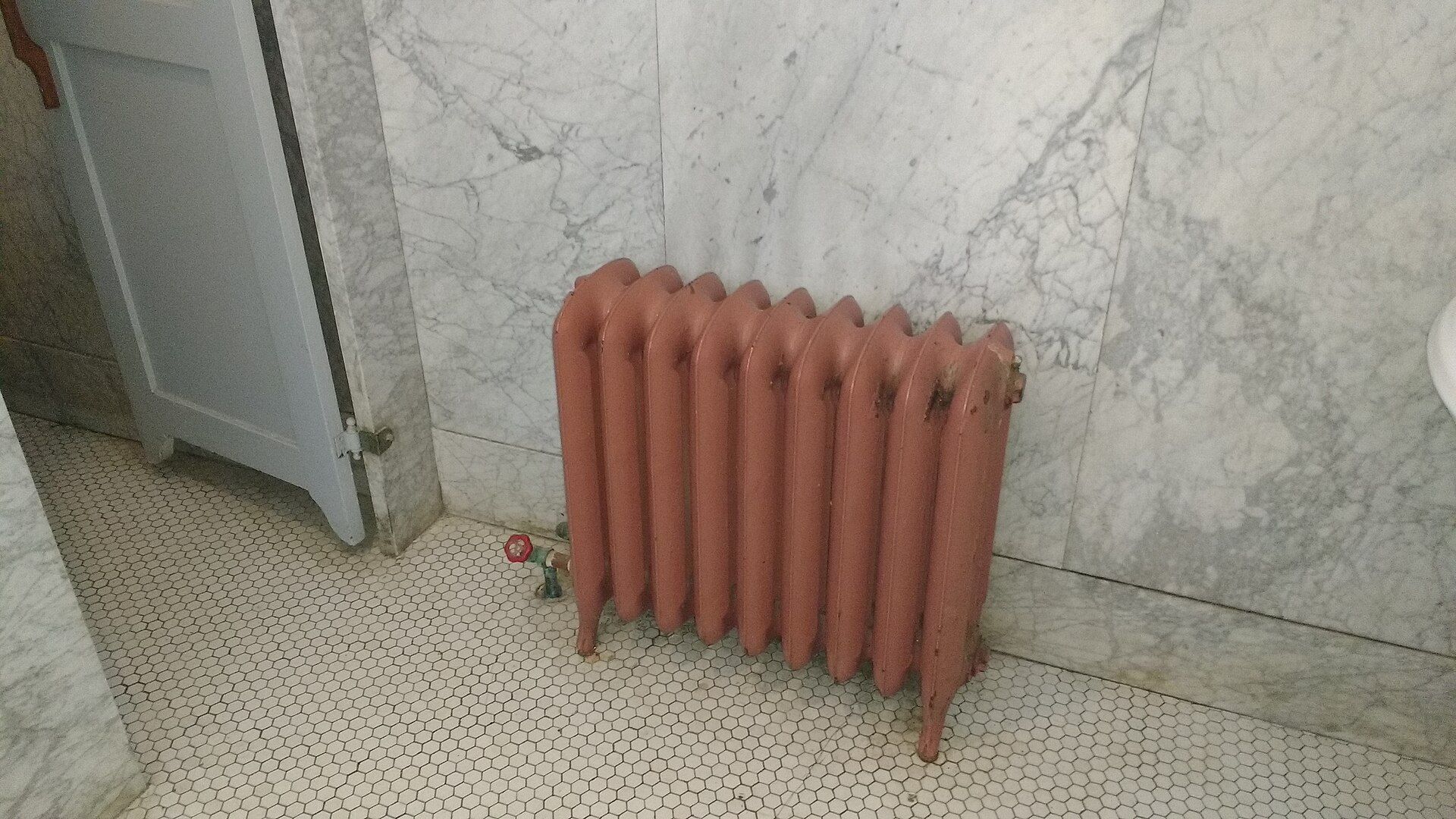 September 21, 2026, 1,388 words
What Resident First Actually Means Day to Day
-
 September 23, 2026, 1,516 words
Twenty Seven Units Is a Real Operating Company