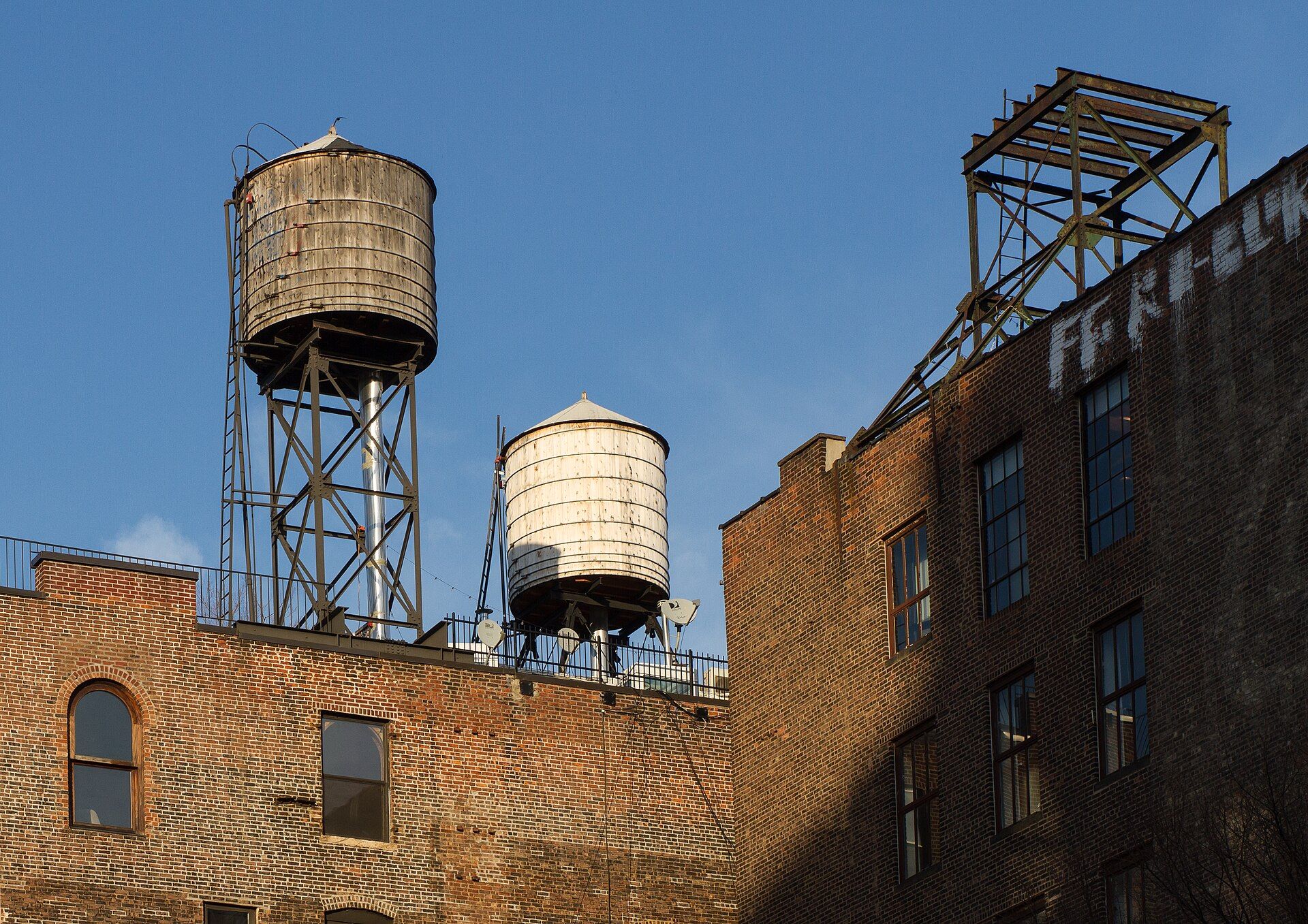
Richard Joseph Spinelli starts a first look at any building he is thinking of buying down in the cellar, lamp in hand, and ends up on the roof; the apartments in between, he writes in a September 22 essay, get the least of his attention. That walkthrough is the latest and most concrete statement of an idea that runs through five of his pieces. In his account, the day a deed changes hands quietly settles almost everything residents will later experience, from how fast a repair arrives to whether five friends turned away from one apartment can be walked to another when the first one is gone. Read in date order, the essays add one filter at a time to the buying decision.
Distance is the first filter
The idea opens on September 7 in A Maintenance Radius You Can Walk Changes Everything. The piece is mostly about repairs, but it addresses the reader at the moment of choosing a building: whether to buy beside what one already owns or somewhere that looks cheaper. That choice is usually argued on price, Spinelli writes; he would settle it by asking how many steps separate the owner from whatever is going to fail. Later in the same essay the filter becomes a rule. Anything past the few blocks is simply not bought, whatever its merits.
The bedroom count is the second
A day later, Student Housing Leasing Works Better as One Inventory adds a filter that has nothing to do with location. A cluster of buildings behaves like one stock of apartments only if the apartments can substitute for one another, and that happens only inside a narrow band of bedroom counts. An owner who buys a building because it came up for sale, rather than because its layout fit the band, has stepped outside his own inventory without noticing. The essay pushes the filter into renovation as well: an apartment of four bedrooms with space to add a fifth is worth more to this portfolio than one without it. Its advice to other small owners is to fix the map before touching the listing, by buying the next building nearer the last.
Purchase is where speed is decided
Density Buys Speed and Speed Keeps Residents, September 11, supplies the clearest statement of why the purchase matters so much. A tenant, Spinelli writes, notices a tidy apartment and a quick answer without ever learning that both traced back to the list of properties the firm was willing to acquire. Speed follows the map, and the map is drawn at acquisition, years before any tenant arrives. The essay also names what the filter costs: good buildings, sometimes better than the ones he takes, declined because they sit outside the walk.
Old construction adds a third filter and a pace limit
The two essays on older housing turn the idea from geography toward the buildings themselves. Old Bronx Housing Stock Rewards Patient Renovation, September 14, argues that buying on a few neighboring blocks makes renovation easier, because neighboring houses went up in the same period, by builders with similar habits, and tend to fail in similar ways; each house teaches the crew what to expect in the next. The same essay adds a brake. What limits how much the firm buys in a year, he writes, is its capacity to renovate properly rather than its appetite, since every purchase is a promise to take a building apart with care.
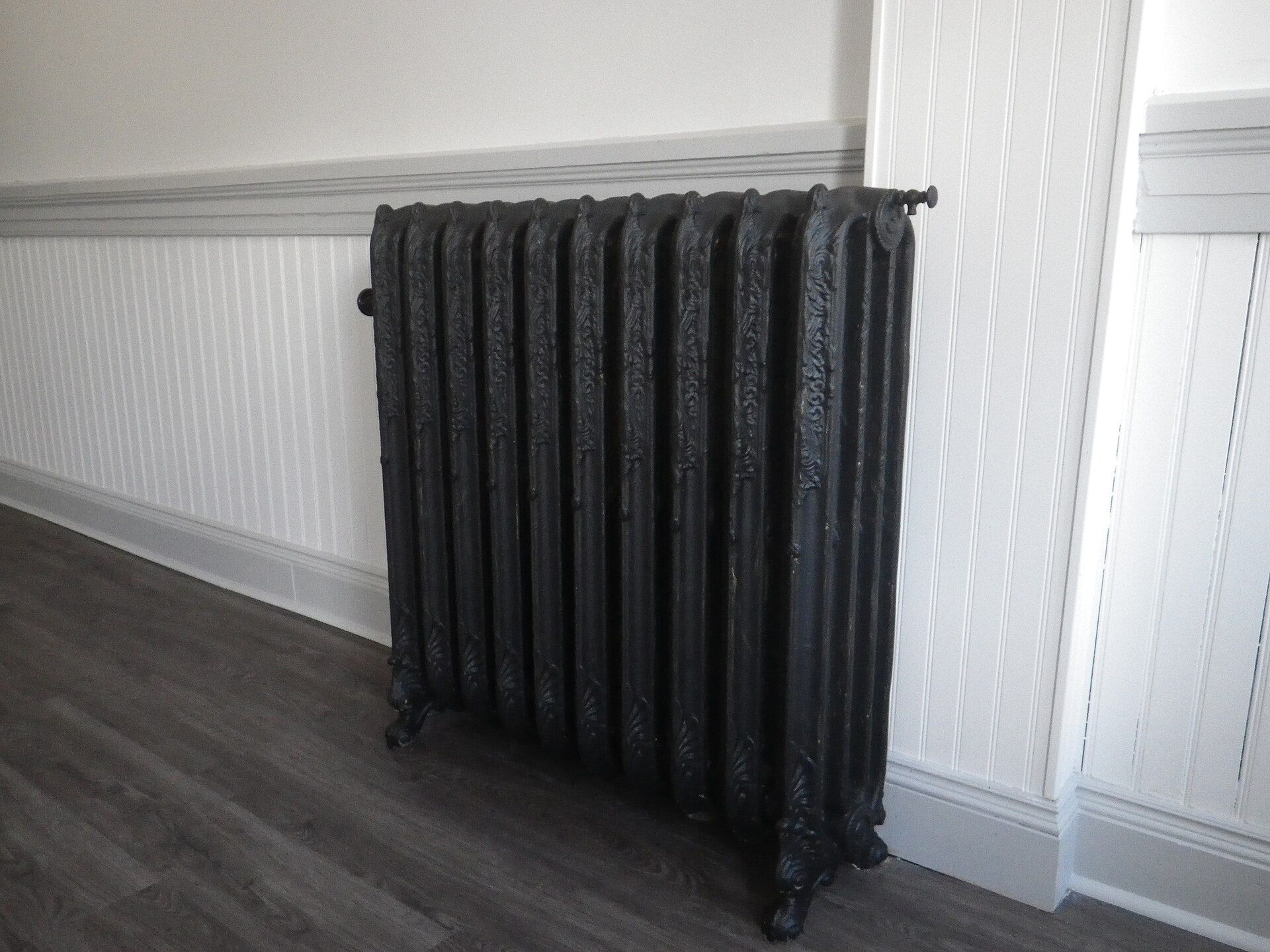
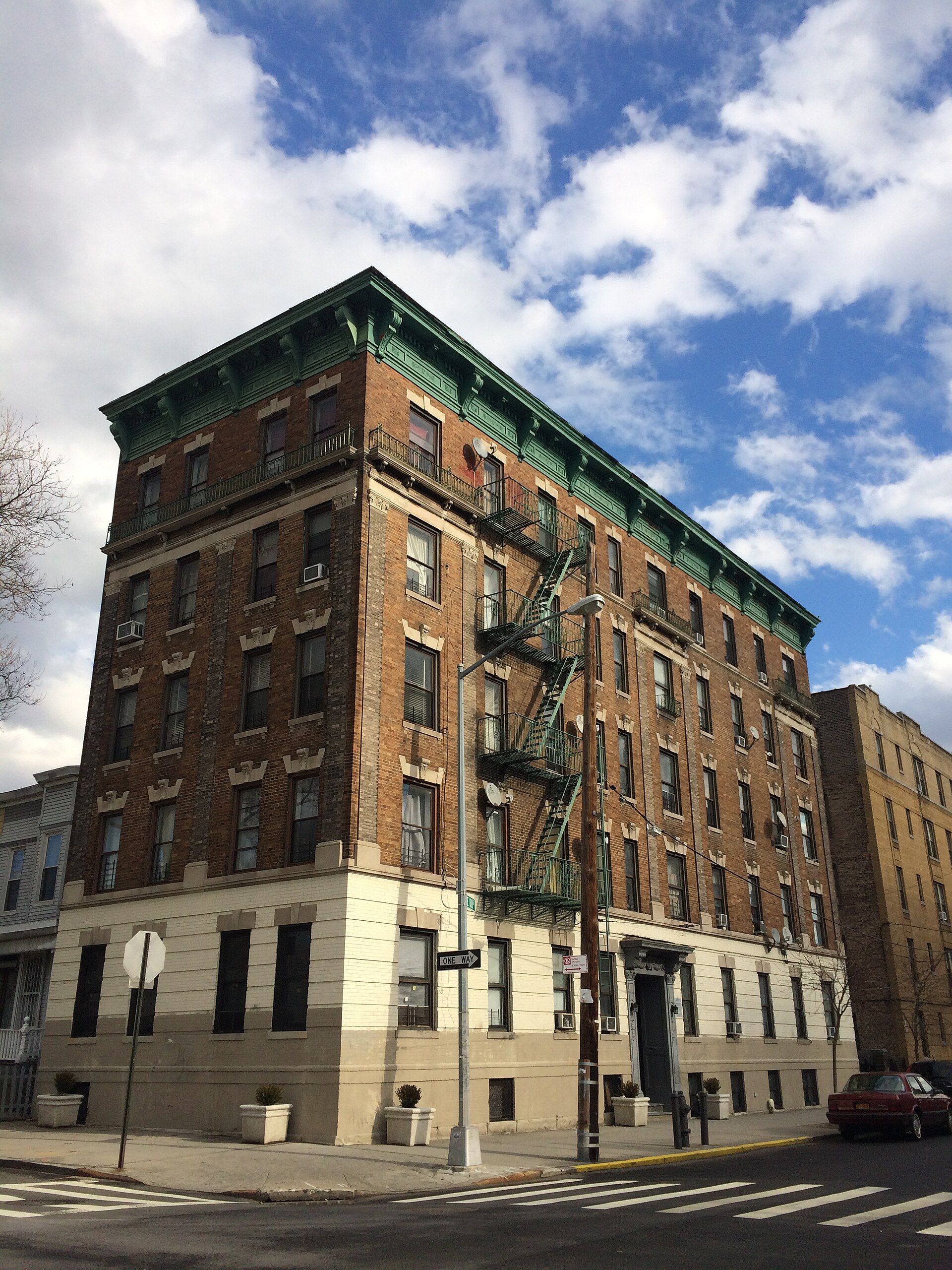
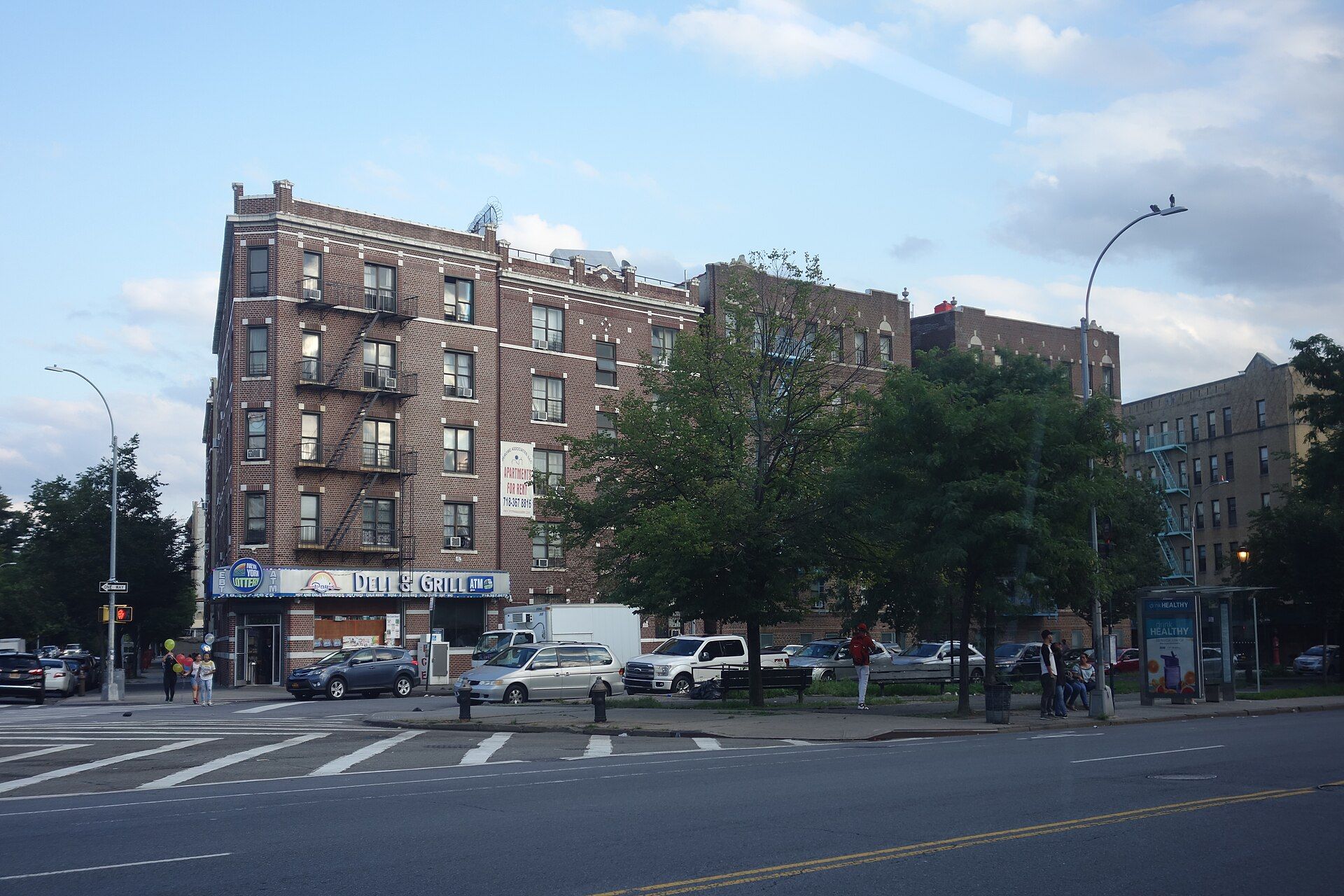
That older stock is not a niche. The Furman Center’s study of New York’s residential stock1 counted 41 percent of units as built before 1940 and fewer than 8 percent since 2000. How the city defines and counts prewar buildings, and what problems they tend to report, is treated as a general subject in richardjspinelli.com’s page on the city’s prewar stock, the main article for that topic.
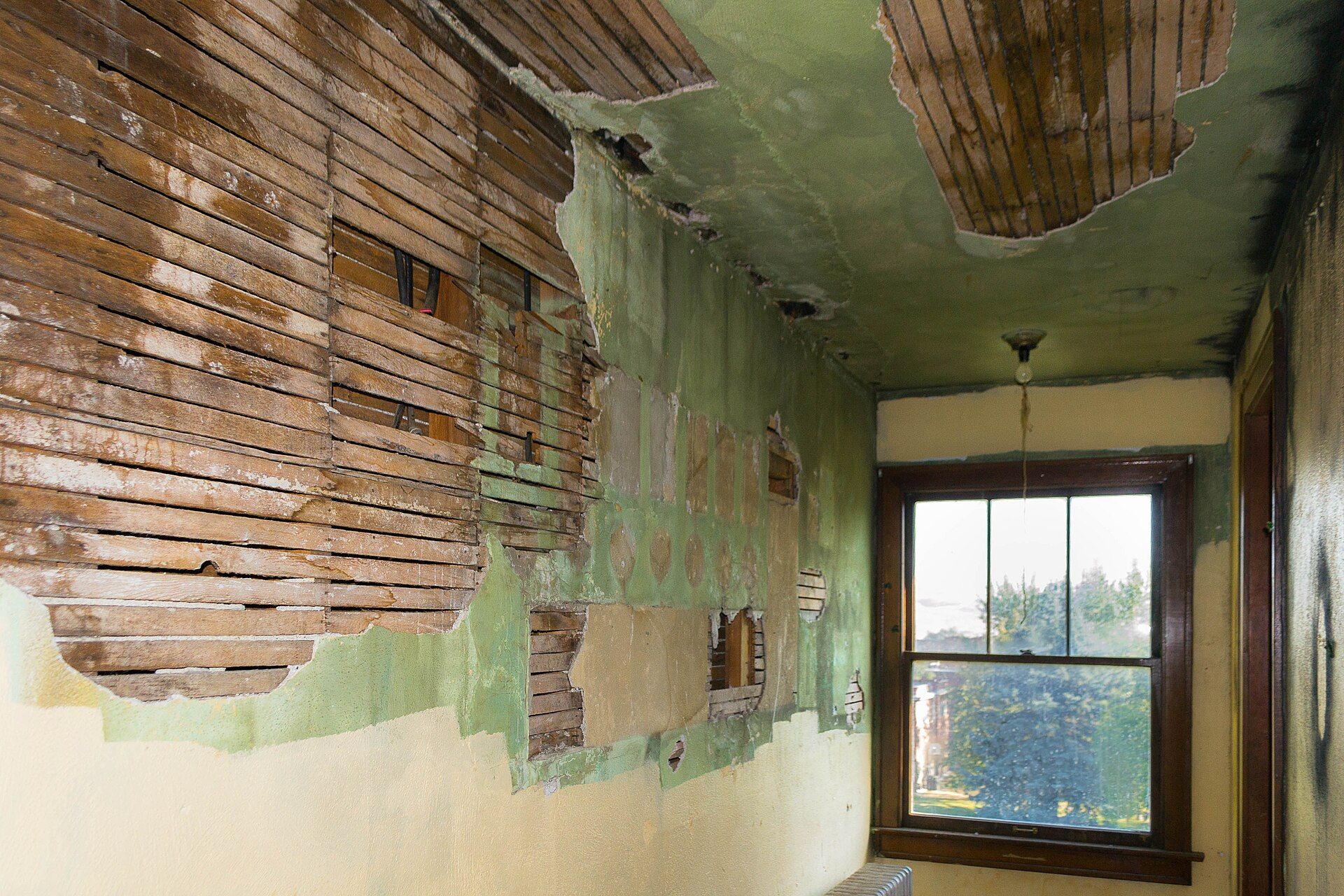
The fullest version comes on September 22 in Assess an Old Building From the Roof and the Basement. Here the filters become a physical sequence. The cellar shows what the building has survived: tide marks low on the masonry, the condition of each floor drain, the boiler and its piping, and whether earlier repairs were finished or stacked on one another. The roof decides how much time a buyer has, because a sound covering lets work wait for the empty months while a failing one picks its own date, usually in August. The apartments come last because they are the part a renovation can change. The one exception he keeps is the bedroom count, which old walls often fix in place, so the leasing filter from September 8 reappears inside the inspection.
What independent sources say about each filter
The distance filter has a history outside student housing. RCLCO’s account of institutional rental home buying2 recalls that early investors worried that houses scattered over a metro would be costly to run, and that the sector nonetheless began with one off purchases rather than a geographic plan. Spinelli’s essays describe the opposite order: the plan first, the purchases inside it.
His buying also sits in a market with a long record of outside interest. The Real Deal described investors of every size turning to Bronx rental buildings3 in search of better returns than Manhattan offered, and a student researcher cited by The Fordham Ram found Belmont landlords courting student renters4 because guarantors made default rare. Neither source concerns his company. Both suggest the blocks he limits himself to have drawn buyers for a long time, which makes a strict distance rule harder to fill.
The inspection sequence matches what inspectors themselves recommend. An ASHI Reporter article on hidden defects5 sends inspectors to basements for misdirected downspouts, mold hidden behind shelving and mineral deposits on ducts. This Old House calls clearing drains and scuppers6 the most important flat roof task, since blockages trap standing water, which fits his point that the edges and drains of a low roof fail first. And a New York Times piece on buying older houses7 followed an inspector who came up from the basement of a well kept home with a cracked sewer line that heavier use by a larger household would have exposed. For a buyer who plans to put five students in a unit, that last case is close to his whole argument.
Back in the cellar
The essays are honest that the filters narrow outcomes without settling them. Walls still hide things no flashlight reaches, the pipeline stays small, and each declined building is a cost felt on the day. What the five pieces add up to is an order of questions: how far, how many bedrooms, how old, how sound underneath. Spinelli asks all of them before he asks about the kitchen, and that is why the walkthrough in his latest essay starts where it does, at the bottom of the stairs, in the room nobody has painted for the visit.