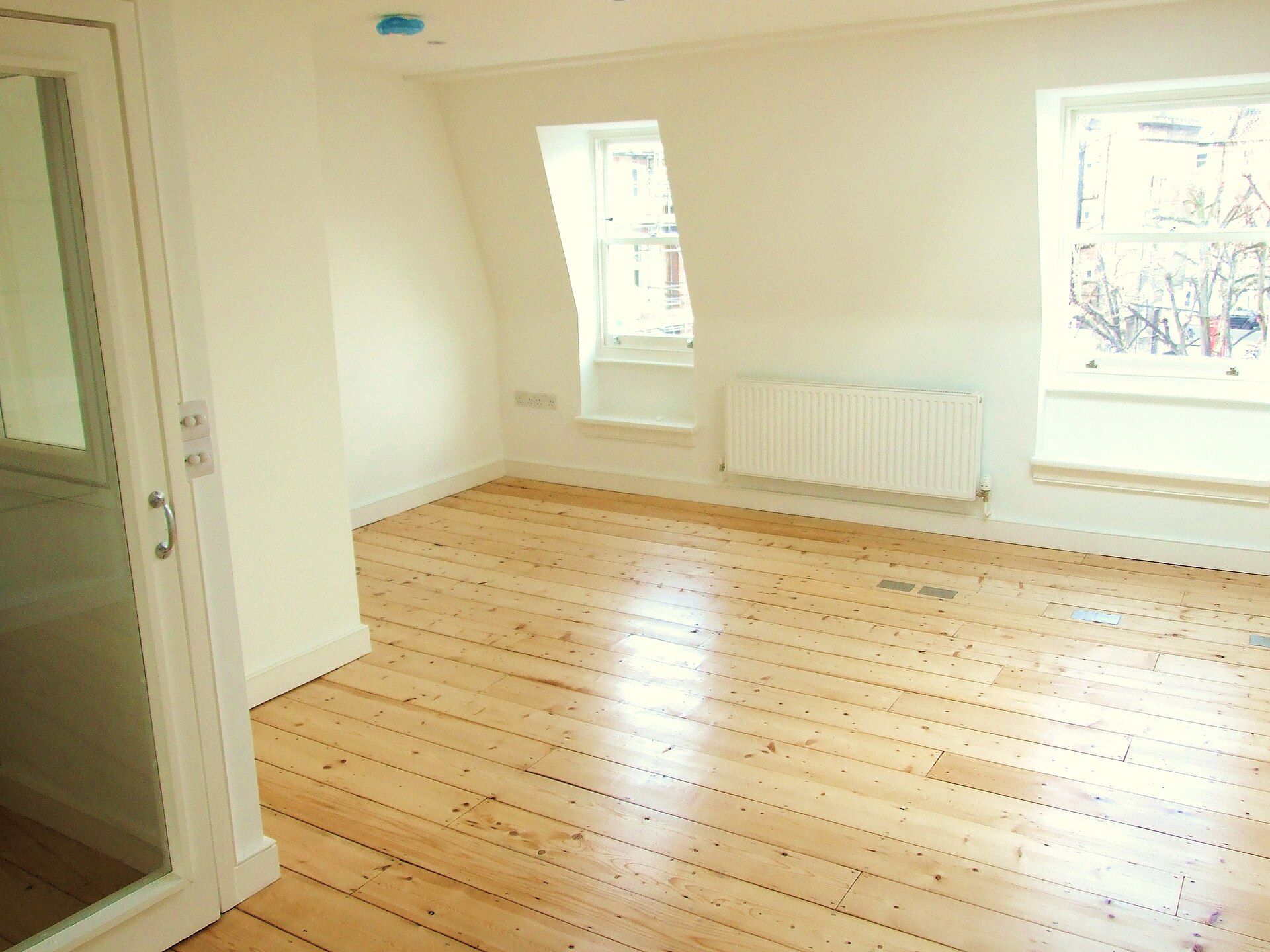
For readers outside housing, turn week needs a gloss, and Richard Joseph Spinelli supplies one only in passing: the short stretch in late summer when every apartment in a student portfolio is emptied, repaired, cleaned and readied for the group moving in. He first used the phrase on September 4, 2026, and by September 23 it had surfaced in eight of his seventeen pieces. Because leases around one campus follow one academic calendar, the turn arrives in every building during the same few weeks.
From a scheduling term to a marketing term
The early uses are operational. One Neighborhood Is a Complete Real Estate Strategy observes that walking past the buildings reveals which unit is heading for a rough turn, and counts a turn planned in spring instead of improvised in August among the dull habits behind fast service. A Maintenance Radius You Can Walk Changes Everything offers the turn as the plainest proof of the radius: a crew moving between units on three nearby streets keeps its schedule even when an old building springs a surprise. The same essay flips the phrase, warning that one bad turn shames a company in front of an entire student body.
The decisive shift comes on September 9. Reputation Is the Cheapest Marketing in Student Housing uses the term three times and argues that, in a closed market, the turn week budget simply is the marketing budget. Finishing every unit properly, with enough hands in the final weeks of August, does more for next year’s leasing, he contends, than any advertising a small owner could buy. That claim is the spine of the idea page the turn week is the marketing.
The later pieces treat it as a test
Density Buys Speed and Speed Keeps Residents concedes that same day response slipped in his own operation during a bad turn, adding that nearby buildings did nothing except make the lateness local. Renovate for the Fifth Year Not the First Showing counts five turns in the life of a renovated unit and notes that no ledger records the one made easier by a floor that held up. Student Housing Move Out Is Where Fairness Gets Tested places the exit inspection in the same early summer weeks as turn planning, so the two compete for attention. Twenty Seven Units Is a Real Operating Company gives the turn a fixed order of operations and warns that a poor one surfaces in the next round of leasing conversations by October. Across these pieces the phrase belongs to the operating calendar he keeps returning to.
Why the calendar compresses
Outside evidence explains the pressure he describes. For the fall 2024 term, RealPage found1 that beds leased near record speed from September through February and then close to the slowest pace on record from March to August, because the early rush left little inventory behind. Commitments come early, too: Multi Housing News reported2 that preleasing for 2026 to 2027 stood near 89 percent by July, so first day conditions are judged by residents who signed long before. Operators describe the same squeeze. A 2017 Bisnow feature3 explained that student landlords pack a year of refurbishing into a turn of one or two weeks, while the Red and Black found in 20254 that some Georgia complexes had stretched it from seven to ten days to as long as three weeks. Where groups hand leases straight to friends, the Aggie reported5, the turn gets skipped and units slide toward disrepair. The National Apartment Association has noted6 that even with nearly all apartment seekers searching online, operators still see the in person tour as the step that converts a prospect, which is exactly when a finished or unfinished unit is on display. The changeover between leases in general has its main article on richardjspinelli.com, in its entry on arrivals and changeovers.
On his calendar the turn sits between the move out walkthrough that opens the summer and the spring renewal conversations it helps decide, linking one household’s departure to the next household’s judgment.